When Fishkill Creek Rises, Beacon Homes Need More Than a Wet Vac
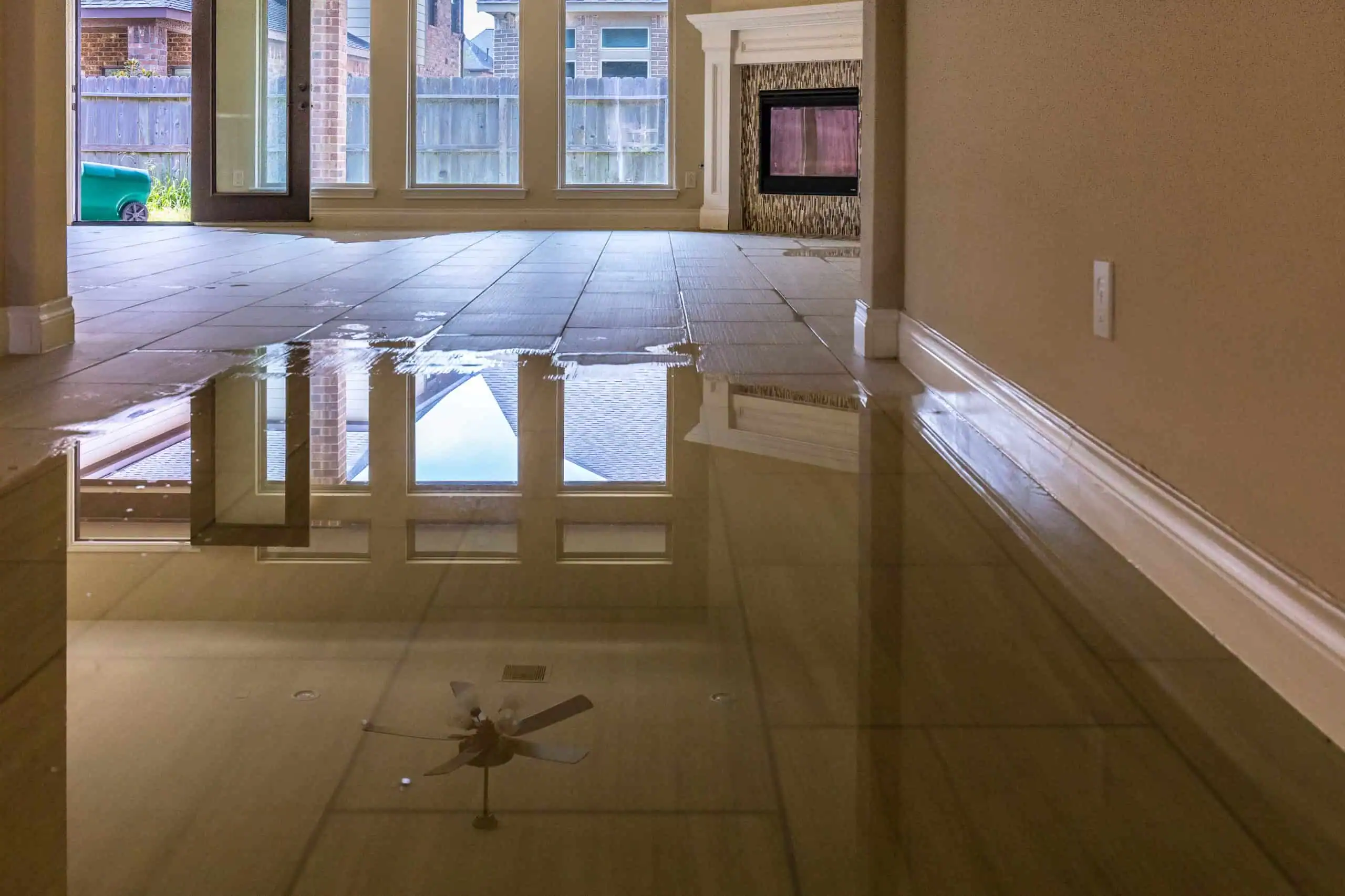
Fishkill Creek doesn’t give much warning. Neither does the Hudson. When water gets into your Beacon home, flood restoration means dealing with old construction, hidden hazards, and a clock that starts the moment the water stops moving.
I needed a professional consultation explanation of procedure for safe removal of Asbestos in my apartment complex. Without having an account yet, I was very impressed with the caring, knowledgeable and generous advice offered by Jessica, and will look forward to doing business in the future. Thank you so much! I feel much more informed about a sometimes scary endeavor. Peace. Nancy Silva Mineola, NY.
Mia Munoz
Used this company to clean up some water flood in my house. They were fast and easy to work with.very professional, Would recommend to anyone!
Nini Valle
Great company, had a flood and they responded quickly and efficiently. Billed my insurance company directly. I highly recommend this company!
joe colapietro, jr
I had pipe freeze in my basement right before a snow storm and they made to within an hour to help start the clean up process. They we by our side throughout the entire process and even helped with the insurance company. They did such a great job with the cleanup, repair, remidiation, I contracted them to perform the repairs and finishes in the basement. They came with enough manpower and material to get the job done. Leo and Jessica were nothing but a pleasure to deal with!!
Cristian Arredondo c
I had some water damage in my home and Green Island was able to take care of my issue quickly and effectively. I am very pleased with the work they did. They responded quickly and were very professional.
Michael M
Outstanding service! From the office to the field crew everyone was friendly, helpful and responsive. I highly recommend Green Island Group.
The water is gone, but that’s not the finish line. What happens in the 24 to 72 hours after a flood determines whether your home gets fully restored or slowly develops a mold problem you won’t smell until it’s already inside your walls. That window is short, and in Beacon’s older housing stock, it closes faster than most people expect.
A significant portion of homes in Beacon were built before World War II. That means older framing, original plaster walls, and building materials that hold moisture differently than modern construction. It also means there’s a real chance your flood disturbed asbestos in floor tiles or pipe insulation, or lead paint in layers you didn’t even know were there. Most restoration companies aren’t equipped to deal with that. They pump the water, run some fans, and leave. What comes next is your problem.
When the full picture gets addressed from the start — moisture behind the walls, contaminated materials, structural drying done to an actual standard — you don’t end up calling a second company three months later because something smells wrong. You get your home back. That’s the outcome worth focusing on.
The Credentials That Matter in a Pre-War City Like Beacon
We’ve been restoring New York properties for over 12 years and have completed more than 5,000 projects across the state. That’s not a volume stat for its own sake — it means we’ve handled the full range of what flood damage looks like in New York, from clean-water basement floods to Category 3 black water events driven by Fishkill Creek overflow and storm surge in Beacon.
For Beacon specifically, the credential stack matters more than it does in most places. We hold the NYS DOL Mold License, NYS DOL Asbestos License, USEPA Lead Certification, USEPA RRP Certification, and IICRC Water/Fire Damage Certification. In a city where Fishkill Creek has a documented 25-year history of flooding homes and where the majority of the housing stock predates 1945, those aren’t optional credentials — they’re the minimum for doing this work safely and legally.
We’re NYS and NYC M/WBE Certified, work with the NYS Office of General Services, and carry full liability and workers’ compensation insurance. One call covers everything from water extraction through final restoration, and we bill insurance directly with zero upfront cost to you.
From Your First Call to the Final Walkthrough — No Gaps, No Handoffs
The process starts the moment you call. We guarantee on-site arrival within 60 minutes, because in a flood situation, every hour that passes increases the likelihood of mold growth, structural saturation, and secondary damage that costs more to fix. When we arrive, the first priority is assessment — not just what you can see, but what thermal imaging and industrial moisture detection equipment can find inside walls, under floors, and in insulation cavities.
From there, water extraction and structural drying begin using commercial-grade equipment. This isn’t a box fan situation. Industrial air movers and dehumidifiers are set to IICRC drying standards, which means the moisture levels are actually measured and verified — not estimated. In Beacon’s older homes, where original wood framing and plaster walls absorb water differently than modern materials, this step takes longer and requires closer monitoring.
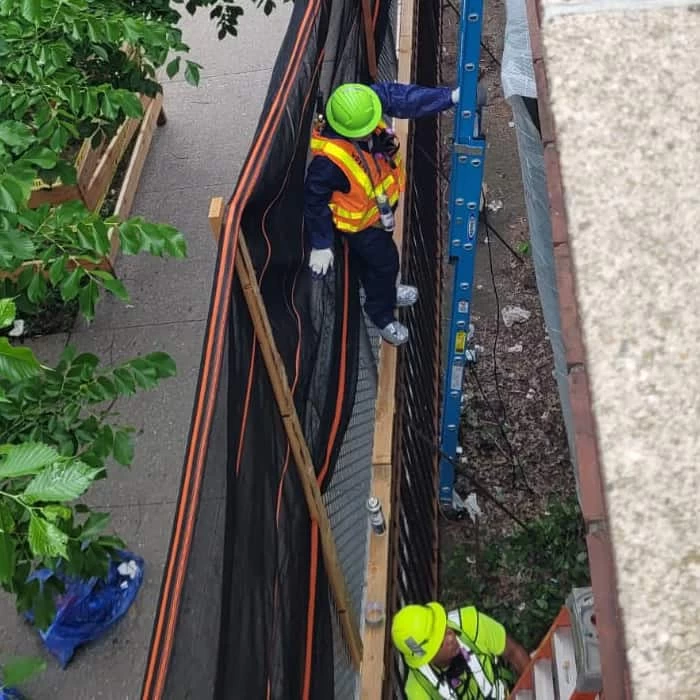
If the assessment identifies asbestos-containing materials or lead paint that the flood disturbed — which is common in pre-1945 construction throughout Beacon — we handle that work in-house under the appropriate NYS DOL and USEPA certifications. There’s no handoff to a separate abatement contractor. Mold remediation, structural repairs, and final reconstruction are all part of the same scope. Before anything starts, we coordinate directly with your insurance company, so the claim is moving while the work is happening — not after.
Built for Beacon's Homes, Not a Generic Restoration Checklist
Flood restoration in Beacon isn’t a one-size situation. A basement flood near the Fishkill Creek corridor after a storm event carries Category 3 contamination — sewage, debris, and bacteria — and requires a completely different response than a burst pipe in a second-floor bathroom. We assess the water category first, because that determines every step that follows: what protective equipment is used, how materials are handled, what gets saved versus removed, and what the air quality testing needs to confirm before the space is cleared.
For Beacon’s pre-war homes, the service scope routinely includes more than standard water damage restoration. Asbestos assessment and abatement, lead-safe work practices under USEPA RRP protocols, mold prevention treatment, HVAC cleaning, and structural reconstruction are all handled under one contract. The City of Beacon’s building department requires permits for structural restoration work, and all work involving mold remediation must be performed by a NYS DOL licensed contractor — we hold both requirements covered.
Financing is available up to $200,000 at 0% APR for homeowners who need it, and our direct insurance billing model means you’re not fronting costs while waiting for a claim to process. If your property sits in one of Beacon’s FEMA-designated floodplain areas near the Hudson River or Fishkill Creek, we’re familiar with the documentation and compliance requirements that come with those designations.
How quickly can flood restoration start at my Beacon, NY home?
We guarantee on-site arrival within 60 minutes of your call. That response time matters more in Beacon than in a lot of other places, because the flood scenarios here — Fishkill Creek overtopping, Hudson River rise events, or extreme precipitation funneling down from Mount Beacon’s slopes — tend to deliver a lot of water fast. The longer water sits in contact with your home’s structure, the deeper it penetrates, and the more likely mold becomes.
Once we arrive, assessment starts immediately. Thermal imaging and moisture detection equipment identify where water has traveled beyond what’s visible, and extraction begins the same visit. You don’t wait for an adjuster, a second assessment, or a separate crew. The goal from the first call is to stop the damage from compounding — because in a pre-war home with older building materials, the gap between water damage and mold damage is measured in hours, not days.
Does flood restoration in Beacon require a permit or licensed contractor?
Yes, and this is something a lot of homeowners in Beacon don’t find out until after they’ve already hired someone. The City of Beacon has its own building department and requires permits for structural restoration and reconstruction work following a flood event. If the work involves mold remediation, New York State law requires the contractor to hold a NYS Department of Labor Mold License — this is not optional, and hiring an unlicensed company for mold work can create problems with your insurance coverage and your ability to sell the property later.
Work that disturbs asbestos-containing materials — which is common in Beacon’s pre-1945 housing stock — requires a NYS DOL Asbestos License and proper notification to the state at least seven days before abatement begins. Lead paint disturbance on pre-1978 homes requires USEPA Lead and RRP Certification. We hold all of these, which means the work is done legally, documented properly, and compliant with both city and state requirements from start to finish.
My basement flooded after heavy rain — do I actually need professional restoration?
It depends on how much water, how long it sat, and what’s behind your walls — but in most cases, yes. A few inches of water in a Beacon basement sounds manageable, but the damage that matters most is often what you can’t see. Water wicks into wood framing, insulation, and wall cavities quickly, and once it’s there, it doesn’t dry on its own at a rate that prevents mold. The 24-hour mold growth window is real, and in an older home with original materials, that timeline can be even shorter.
Beyond mold, there’s the question of what else the water disturbed. If your home was built before 1945 — which describes a large portion of Beacon’s housing stock — there’s a meaningful chance that floor tiles, pipe insulation, or other materials contain asbestos. Disturbing those materials without proper assessment and handling creates a hazard that a shop vac and a rental dehumidifier won’t address. A professional assessment tells you exactly what you’re dealing with, and in many cases, your homeowner’s insurance covers the cost of that assessment and the restoration that follows.
Will my homeowner's insurance cover flood restoration costs in Beacon?
Standard homeowner’s insurance typically covers sudden and accidental water damage — a burst pipe, an appliance failure, a roof leak from a storm. It does not cover flooding from external sources like the Hudson River or Fishkill Creek overtopping. For that type of flood damage, you need a separate flood insurance policy through the National Flood Insurance Program, which Beacon participates in. If your property sits in a FEMA-designated 100-year floodplain, you may already be required to carry it.
We work directly with insurance companies on both types of claims, handling the documentation, scope of work, and billing so you’re not navigating that process while also trying to manage your home. If you’re not sure what your policy covers, we can help you understand the scope of the damage and what documentation your insurer will need. For homeowners without coverage or with gaps between coverage limits and actual restoration costs, financing up to $200,000 at 0% APR is available so the work doesn’t stall while the claim gets sorted.
How do I know if my Beacon home has asbestos or lead paint that flood water disturbed?
You generally can’t tell by looking. Asbestos-containing materials don’t look different from non-asbestos materials, and lead paint is present in virtually every layer of painted surface in homes built before 1978 — which includes the vast majority of Beacon’s residential housing stock. The only way to know for certain is testing, and that testing needs to happen before any restoration work disturbs those materials further.
When we assess a flood-damaged home in Beacon, the age of the structure is factored into the initial evaluation. If the home was built before 1945, the assessment includes identifying materials that are likely to contain asbestos — floor tiles, pipe insulation, ceiling tiles, exterior siding, and roofing components are the most common locations. If testing confirms the presence of regulated materials, we handle abatement in-house under the NYS DOL Asbestos License and USEPA Lead/RRP Certification, with proper state notifications filed before work begins. This isn’t a separate contract or a separate company — it’s part of the same restoration scope, managed by our team.
How long does flood restoration typically take for a home in Beacon, NY?
The honest answer is that it depends on the scope, and in Beacon, the scope is often larger than it looks at first. A straightforward basement flood with clean water and no hidden moisture or hazardous materials can be dried and restored in three to five days. A Category 3 event — the kind that comes from Fishkill Creek overflow or storm-driven sewage backup — involves contamination cleanup, material removal, and air quality testing before reconstruction can begin, which typically extends the timeline to one to three weeks depending on the extent of the damage.
Homes built before World War II add another layer. If asbestos abatement or lead-safe work is required, New York State mandates a minimum seven-day notification period before abatement work begins. That’s a regulatory requirement, not a scheduling preference, and it affects the overall timeline. The upside is that when everything is handled under one contractor — extraction, drying, abatement, mold remediation, and reconstruction — there’s no waiting for separate companies to coordinate schedules. We manage the full sequence, which keeps the overall timeline as tight as the scope allows and keeps you informed at every stage rather than left wondering what comes next.