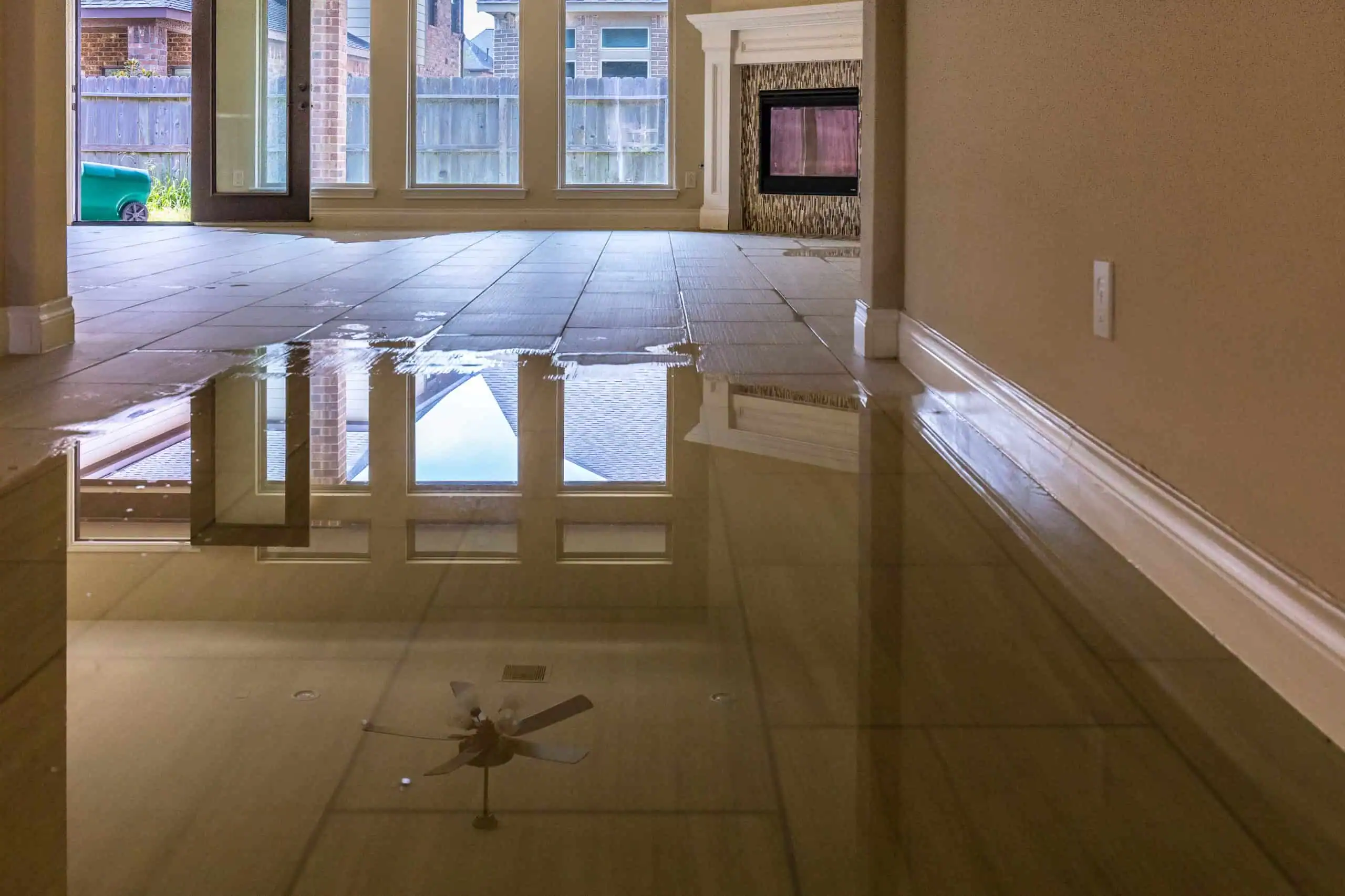
Flood damage in Briarcliff Manor moves fast — and so does the mold clock. We respond in 60 minutes, bill your insurance directly, and handle the full restoration so you’re not managing three contractors through a crisis.
I needed a professional consultation explanation of procedure for safe removal of Asbestos in my apartment complex. Without having an account yet, I was very impressed with the caring, knowledgeable and generous advice offered by Jessica, and will look forward to doing business in the future. Thank you so much! I feel much more informed about a sometimes scary endeavor. Peace. Nancy Silva Mineola, NY.
Mia Munoz
Used this company to clean up some water flood in my house. They were fast and easy to work with.very professional, Would recommend to anyone!
Nini Valle
Great company, had a flood and they responded quickly and efficiently. Billed my insurance company directly. I highly recommend this company!
joe colapietro, jr
I had pipe freeze in my basement right before a snow storm and they made to within an hour to help start the clean up process. They we by our side throughout the entire process and even helped with the insurance company. They did such a great job with the cleanup, repair, remidiation, I contracted them to perform the repairs and finishes in the basement. They came with enough manpower and material to get the job done. Leo and Jessica were nothing but a pleasure to deal with!!
Cristian Arredondo c
I had some water damage in my home and Green Island was able to take care of my issue quickly and effectively. I am very pleased with the work they did. They responded quickly and were very professional.
Michael M
Outstanding service! From the office to the field crew everyone was friendly, helpful and responsive. I highly recommend Green Island Group.
A Dry, Safe, Fully Restored Home — Not Just a Cleanup
Most people call a restoration company expecting the water to disappear and the problem to be over. What they don’t expect is finding mold behind drywall three months later, or learning mid-project that the contractor they hired isn’t licensed to handle the asbestos-containing pipe insulation their 1962 home definitely has. That’s a common scenario in Briarcliff Manor. The village’s median home was built in 1968, and a meaningful share of that housing stock contains materials that require licensed abatement before any serious restoration work can begin.
When you work with us — a company that holds both the NYS DOL Asbestos License and the NYS DOL Mold Remediation License — you’re not just getting water extracted. You’re getting a complete picture of what the flood actually disturbed. That matters in a village where the Pocantico River has produced documented 100-year flood events, where Pine Road residents deal with recurring stormwater flooding that the county just committed $2.4 million to address, and where a summer thunderstorm can push Category 3 black water into a finished basement within minutes.
The end result you’re after isn’t just dry walls. It’s knowing the moisture is gone, the air is clean, the structure is sound, and the job was done by people who were legally qualified to do every part of it. That’s what full-service flood restoration actually means — and it’s the only version worth hiring.
12 Years, 5,000 Projects, and the Licenses That Actually Matter in Briarcliff Manor
We’ve been doing environmental restoration work across New York for over 12 years and have completed more than 5,000 projects statewide. That’s not a number for show — it means we’ve handled nearly every scenario a Westchester home can produce, from storm flooding along the Hudson Line corridor to burst pipe disasters in pre-war construction with materials that most contractors aren’t equipped to touch.
The credential stack matters in a place like Briarcliff Manor. IICRC Water Damage Certification, NYS DOL Mold License, NYS DOL Asbestos License, USEPA Lead and RRP Certification, and full General Contractor licensing in both New York State and New York City. We’re also NYS and NYC M/WBE Certified and work directly with the NYS Office of General Services. That’s not a list of marketing badges — those are the licenses required by law to do this work correctly in older Westchester homes like the ones throughout Briarcliff Manor.
We’re fully insured with liability and Workers’ Compensation coverage, and backed by a 100% Satisfaction Guarantee. You’re not taking a risk by calling — you’re removing one.
Emergency Flood Cleanup Process Briarcliff Manor NY
From the First Call to the Finished Room — Here's What Happens
When you call, someone picks up — 24 hours a day, seven days a week. A crew is dispatched immediately with a 60-minute on-site arrival target. The first thing that happens when we arrive isn’t paperwork — it’s a full moisture assessment using thermal imaging and industrial detection equipment. In Briarcliff Manor’s older homes, that step is critical. Water doesn’t stay where you can see it. It moves into wall cavities, under hardwood floors, behind plaster, and into insulation, and if it isn’t mapped accurately from the start, you’ll be dealing with the consequences for months.
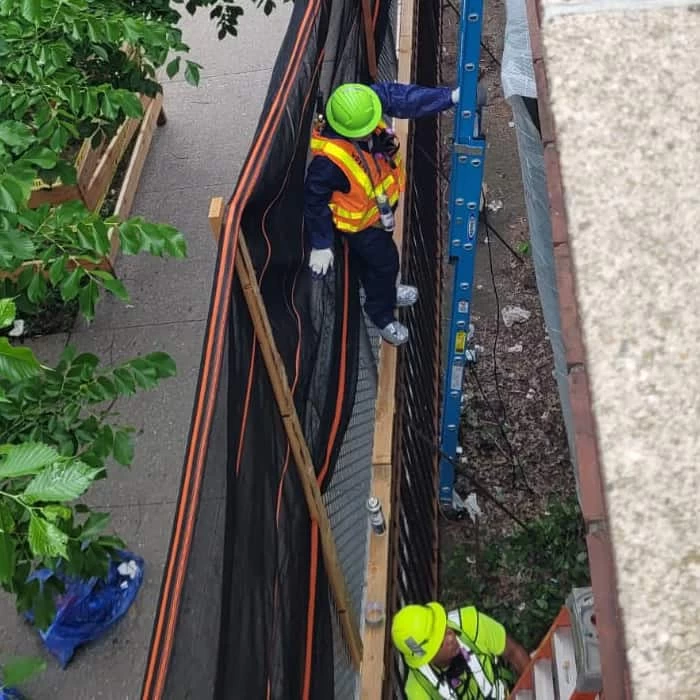
Once the scope is established, water extraction begins with commercial-grade equipment — not the kind you rent at a hardware store. Structural drying follows using industrial air movers and dehumidifiers calibrated to the specific moisture readings in your space. If the assessment turns up asbestos-containing materials or lead paint disturbance — which is a real possibility in homes built before 1978 — that work is handled in-house by our licensed abatement crews, with proper NYS DEC notification filed as required by state law. There’s no pause while you find a separate contractor.
Reconstruction begins once the environment is confirmed clean and dry. That covers everything from framing and insulation to drywall, flooring, and final finishes. Insurance documentation is handled throughout, with direct billing to your carrier so you’re not fronting costs or chasing reimbursements. If there’s a gap in coverage, we offer financing up to $200,000 at 0% APR — something no local competitor currently offers.
Every License, Every Step — Built for Briarcliff Manor's Actual Risk Profile
Flood restoration in Briarcliff Manor isn’t a one-size situation. The village sits between the Hudson River and the Pocantico River, with FEMA-designated flood hazard areas running along both waterways and Caney Brook. The hilly terrain concentrates runoff during heavy storms, the stormwater system gets overwhelmed, and homes in the Law Park Drainage Basin and along Pine Road have experienced recurring flooding that’s now the subject of a county-funded infrastructure project. On top of the geography, you’ve got a housing stock where the average home was built before the environmental regulations that banned asbestos and lead paint were even written.
That combination — active flood risk plus older construction — is exactly why the service here needs to cover more ground than water extraction and a few fans. Our flood restoration scope includes emergency response and water extraction, industrial structural drying, thermal imaging and moisture mapping, mold remediation, asbestos abatement, lead paint compliance under USEPA RRP protocols, full structural repair, and complete interior reconstruction through final finishes. Every phase is handled by the same company, under the same roof, with no subcontractor handoffs.
Briarcliff Manor’s Village Code includes Chapter 127 for flood damage prevention and Chapter 184 for stormwater and erosion control — both of which can affect restoration work in FEMA flood zones near the Pocantico River or Caney Brook. Navigating those requirements is part of the job, not an afterthought. You get a company that knows the local regulatory environment, not one that’s learning it on your property.
Does homeowners insurance actually cover flood damage in Briarcliff Manor, NY?
Standard homeowners insurance policies typically do not cover flooding that originates from outside the home — meaning storm surge, overflowing rivers, or surface water runoff. In Briarcliff Manor, where properties near the Pocantico River, Caney Brook, and the Hudson River corridor sit in FEMA-designated flood hazard zones, that distinction matters a great deal. If you haven’t purchased a separate flood insurance policy through the National Flood Insurance Program, external flood damage may not be covered at all.
That said, water damage from internal sources — a burst pipe, a failed sump pump, an appliance leak — is usually covered under a standard homeowners policy. The key is documentation. We handle the documentation process and bill your insurance carrier directly, whether it’s a homeowners policy, a flood policy, or both. If your coverage falls short, we offer financing up to $200,000 at 0% APR so the work can start immediately without waiting on a settlement.
How fast does mold actually start growing after a basement floods?
Mold can begin developing within 24 to 48 hours of a water event under the right conditions — and Briarcliff Manor’s humid continental climate provides exactly those conditions during the warmer months. A basement that floods during a July thunderstorm, in high ambient humidity, with poor air circulation, can show active mold growth in wall cavities and under flooring faster than most homeowners expect. The visible surface is often the last place it appears, which is why the 48-hour window matters more than it seems.
This is straightforward biology. The reason professional response time matters so much is that industrial drying equipment operates at a completely different level than consumer fans or dehumidifiers. Commercial-grade air movers and dehumidifiers calibrated to actual moisture readings can reduce drying time dramatically compared to DIY approaches. Waiting a day or two to “see if it dries out” in a Briarcliff Manor summer is genuinely risky, particularly in finished basements with drywall, insulation, and flooring that trap moisture against structural materials.
My Briarcliff Manor home was built in the 1960s — does that affect the restoration process?
Yes, significantly. Homes built before 1978 in New York State are presumed to contain lead-based paint, and homes built before the mid-1980s frequently contain asbestos in pipe insulation, floor tiles, ceiling tiles, textured plaster, and joint compound. In Briarcliff Manor, where the median home was built in 1968 and a meaningful portion of the housing stock predates 1950, this is the norm rather than the exception.
When flood water intrudes into a home with these materials, it can disturb them — and disturbed asbestos or lead paint creates an exposure risk that requires licensed abatement, not just cleanup. In New York State, asbestos abatement requires a NYS Department of Labor Asbestos License, and the contractor must file notification with the DEC at least seven days before work begins. USEPA Lead/RRP Certification is required for renovation work disturbing lead paint in pre-1978 homes. We hold both licenses and handle abatement in-house — no delays, no subcontractors, no gaps in the chain of custody. If your home was built before 1980, this isn’t a detail to overlook when choosing a restoration company.
What is Category 3 black water and should I be worried about it in my home?
Category 3 water — commonly called black water — is the most hazardous classification in water damage restoration. It includes water from sewage backups, overflowing rivers and streams, storm surge, and surface runoff that has contacted the ground. It carries bacteria, pathogens, and contaminants that make it genuinely dangerous to be around without proper protective equipment, and it cannot be treated the same way as a clean water leak from a pipe.
In Briarcliff Manor, flooding from the Pocantico River, Caney Brook, or stormwater overflows is classified as Category 3 by default. The same applies to sewage backups, which can occur when the county sewer system — Briarcliff Manor connects to Westchester County’s Saw Mill Sewer District — gets overloaded during a major storm event. Category 3 cleanup requires full containment protocols, proper disposal of contaminated materials, antimicrobial treatment, and thorough drying before any reconstruction begins. It is not a job for a wet vac and a fan. The health risk is real, and the remediation process is meaningfully more involved than standard water damage cleanup.
How long does flood restoration typically take from start to finish?
The honest answer is that it depends on the scope — and in Briarcliff Manor’s older housing stock, the scope often expands once the walls come open. A straightforward water extraction and structural drying job in a finished basement can take three to five days for the drying phase alone, depending on the materials involved and ambient humidity conditions. If mold is present, remediation adds time. If asbestos-containing materials are disturbed, the NYS DEC requires at least seven days’ advance notification before abatement work begins, which factors into the overall timeline.
Full reconstruction — replacing drywall, flooring, insulation, trim, and finishes — typically takes one to three weeks depending on the size of the affected area and the complexity of the finishes. Homes in Briarcliff Manor with custom millwork, hardwood floors, or historic architectural details require more careful matching and more skilled finish work than a standard suburban renovation. The timeline we provide at the start of a project is based on an actual moisture assessment and scope review, not a generic estimate. You’ll know what you’re looking at before work begins, not after.
Is there anything specific about Briarcliff Manor that makes flooding worse here than in nearby towns?
A few things, and they compound each other. The village sits between the Hudson River to the west and the Pocantico River running through its interior, with Caney Brook as a secondary watercourse — all three carry FEMA-designated flood hazard areas within village boundaries. The hilly terrain that makes Briarcliff Manor visually distinctive also concentrates stormwater runoff during heavy rain events, pushing more water faster into low-lying areas than flatter neighboring towns experience.
The village’s stormwater infrastructure, which manages 41 miles of roadway and an extensive catch basin network, gets overwhelmed during intense storms — something the village’s own stormwater management documentation acknowledges directly. Pine Road is a specific example: Westchester County Executive Ken Jenkins approved a $2.4 million flood mitigation project for the Law Park Drainage Basin after Mayor Steven Vescio publicly cited “regular flooding impacts on residents’ properties” along that corridor. The village has recorded 36 NFIP flood loss events totaling over $687,000 in paid claims. That’s a documented pattern. Add in the climate trend of increasing rainfall intensity across the Northeast, and Briarcliff Manor homeowners are dealing with a flood risk profile that’s more layered than most of their neighbors realize.