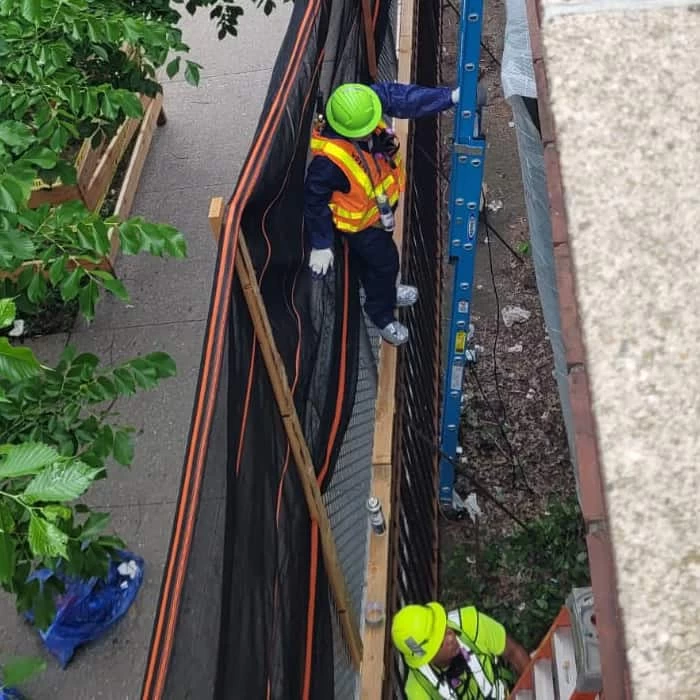
I needed a professional consultation explanation of procedure for safe removal of Asbestos in my apartment complex. Without having an account yet, I was very impressed with the caring, knowledgeable and generous advice offered by Jessica, and will look forward to doing business in the future. Thank you so much! I feel much more informed about a sometimes scary endeavor. Peace. Nancy Silva Mineola, NY.
Mia Munoz
Used this company to clean up some water flood in my house. They were fast and easy to work with.very professional, Would recommend to anyone!
Nini Valle
Great company, had a flood and they responded quickly and efficiently. Billed my insurance company directly. I highly recommend this company!
joe colapietro, jr
I had pipe freeze in my basement right before a snow storm and they made to within an hour to help start the clean up process. They we by our side throughout the entire process and even helped with the insurance company. They did such a great job with the cleanup, repair, remidiation, I contracted them to perform the repairs and finishes in the basement. They came with enough manpower and material to get the job done. Leo and Jessica were nothing but a pleasure to deal with!!
Cristian Arredondo c
I had some water damage in my home and Green Island was able to take care of my issue quickly and effectively. I am very pleased with the work they did. They responded quickly and were very professional.
Michael M
Outstanding service! From the office to the field crew everyone was friendly, helpful and responsive. I highly recommend Green Island Group.
Your Brinckerhoff Home Dry, Safe, and Fully Restored — Not Just Dried Out
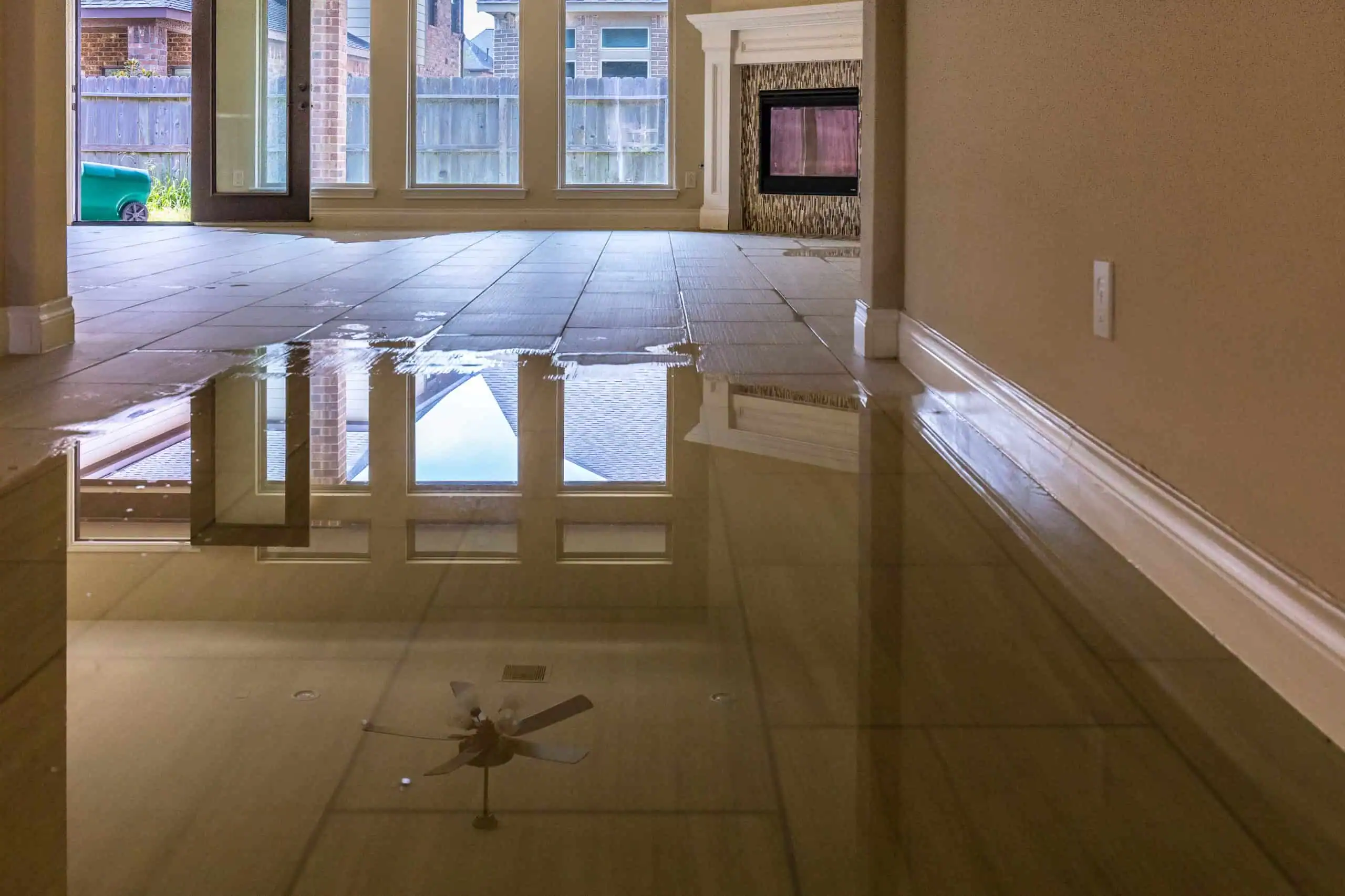
There’s a difference between a company that extracts the water and leaves, and one that actually finishes the job. When your basement floods off Route 52 or your crawl space takes on water after a storm rolls through the Fishkill corridor, the visible damage is only part of the problem. Water moves into wall cavities, under subfloors, and through insulation — and it doesn’t announce itself. If it’s not found and removed completely, mold follows within 24 hours.
Brinckerhoff’s housing stock makes this especially important. A significant portion of homes here were built between the 1940s and 1970s — which means the materials behind your walls may include asbestos pipe insulation, lead paint, or original flooring that becomes a health hazard the moment it’s disturbed by flood damage. Most restoration companies in Dutchess County aren’t licensed to handle that. We are — holding NYS DOL Mold, NYS DOL Asbestos, and USEPA Lead/RRP certifications, so the full scope of your restoration is handled legally and safely under one roof.
What you’re left with isn’t just a dry house. It’s a fully restored home — rebuilt to where it was before the water came in, with the documentation your insurance company needs and the confidence that nothing was skipped.
Licensed Flood Restoration Contractor Brinckerhoff NY
12 Years In, Every License Earned, No Shortcuts Taken
We’ve been doing environmental restoration work across New York for over 12 years. That’s not a tagline — it’s the reason we hold a licensing stack that most local operators don’t bother pursuing: NYS DOL Mold, NYS DOL Asbestos, USEPA Lead/RRP, IICRC Water and Fire Damage certifications, and full NYS and NYC M/WBE certification. We also work directly with the NYS Office of General Services, which means the state of New York has independently vetted our operation.
For Brinckerhoff homeowners — many of whom have lived in the same home for decades, in a community anchored by families in the Wappingers Central School District — that level of accountability matters. You’re not hiring a crew that showed up after a storm and will be gone next month. You’re working with a company that carries full liability and Workers’ Compensation insurance, bills your insurer directly, and backs every project with a 100% Satisfaction Guarantee. Over 5,000 completed restoration projects across New York back that up.
From the First Call to the Final Walkthrough — Here's What to Expect
When you call, the clock starts. We commit to being on-site within 60 minutes — not “as soon as possible,” not “within the business day.” Sixty minutes. That commitment exists because mold doesn’t wait, and in a community like Brinckerhoff where storm events can move fast through the Fishkill Creek watershed, the gap between calling immediately and waiting until morning is often the gap between a drying job and a mold remediation project.
Once on-site, our team starts with a full moisture assessment — not just a visual scan. Industrial thermal imaging and calibrated moisture meters identify saturation inside walls, under floors, and in insulation that you can’t see and a standard inspection won’t catch. From there, water extraction and structural drying begin using commercial-grade equipment. If the home was built before 1980, suspect materials are assessed for asbestos or lead before any demolition work begins — a step that’s legally required in New York and one that unlicensed operators routinely skip.
After drying is complete and any hazardous materials are properly handled, reconstruction begins. That means drywall, flooring, trim, insulation — whatever was damaged gets rebuilt to pre-loss condition. The Town of Fishkill’s Flood Damage Prevention Local Law (Local Law No. 3-2012) may apply if your property sits in a FEMA Special Flood Hazard Area, and we’re familiar with what that means for permit requirements and scope of work. You won’t be navigating that alone.
Full Restoration Means Every Layer — Not Just the Surface
Our flood restoration covers the complete scope — emergency water extraction, industrial structural drying, mold prevention and remediation, asbestos and lead abatement where required, and full reconstruction including drywall, flooring, insulation, and finishes. There’s no handoff to a second contractor, no gap between the mitigation phase and the rebuild. One company handles everything.
For Brinckerhoff specifically, the asbestos and lead capabilities aren’t optional extras — they’re often a necessity. Homes built before 1978 in this area frequently contain lead paint on interior surfaces, and homes built before 1980 may have asbestos in floor tiles, ceiling tiles, pipe insulation, or joint compound. When flood water damages those materials, New York State law requires licensed abatement before any demolition or reconstruction work. We hold those licenses. Most competitors in the Dutchess County market do not.
On the financial side, the process is set up to remove every barrier to getting started immediately. We bill insurance directly — you don’t front the cost and wait for a reimbursement. For homeowners whose standard policy doesn’t cover the full extent of a flood event (a common situation in Dutchess County, where external flood intrusion is frequently excluded from standard homeowners policies), financing up to $200,000 at 0% APR is available. The goal is simple: nothing about the billing process should delay the start of your restoration.
Does homeowners insurance cover flood damage to my Brinckerhoff home?
This is one of the most common points of confusion after a flood event in Dutchess County, and the short answer is: it depends on where the water came from. Standard homeowners insurance policies in New York typically cover sudden and accidental water damage — like a burst pipe or an appliance malfunction — but they frequently exclude flooding caused by external water intrusion, such as storm surge, overland flooding, or water backing up through a storm drain. That kind of coverage usually requires a separate flood insurance policy through the National Flood Insurance Program (NFIP) or a private carrier.
If you’re unsure what your policy covers, don’t wait to figure it out before calling for help. We bill insurance directly and handle the documentation process alongside you — including damage assessments that meet insurance adjuster standards. If there’s a gap between what your policy pays and what the full restoration costs, the 0% APR financing option is available to bridge it. The goal is to get your home restored immediately, not after the paperwork sorts itself out.
How quickly does mold start growing after a flood in my Brinckerhoff home?
Mold can begin developing within 24 hours of a water event — and in the humid summer conditions that Brinckerhoff and the broader Fishkill area experience from June through September, that timeline can be even tighter. You don’t need standing water for mold to take hold. Residual moisture trapped inside wall cavities, under subfloors, or in insulation is enough. The problem is that this kind of hidden saturation isn’t visible, and consumer-grade fans or dehumidifiers don’t reach it.
This is exactly why the 60-minute response commitment matters. The faster professional drying equipment is deployed, the smaller the window for mold colonization. We use industrial thermal imaging to locate moisture that a visual inspection misses — inside walls, beneath flooring, behind baseboards. If mold has already begun, remediation is handled under a NYS DOL Mold license, which is a legal requirement in New York for any company performing mold remediation work. That license is not something every contractor in Dutchess County holds.
What happens if my flood-damaged home was built before 1980 in Brinckerhoff?
Homes built before 1980 in Brinckerhoff and throughout the Town of Fishkill frequently contain materials that become a health and legal concern when disturbed by flood damage. Asbestos was commonly used in floor tiles, ceiling tiles, pipe insulation, and joint compound in homes built through the late 1970s. Lead paint was standard on interior and exterior surfaces in homes built before 1978. When water damages these materials, New York State law requires that a licensed contractor assess and, if necessary, abate them before any demolition or reconstruction begins.
This step is not optional, and it’s one that many restoration companies in the Dutchess County market skip — either because they’re not licensed to perform it or because it adds time to the project. We hold both NYS DOL Asbestos and USEPA Lead/RRP certifications, meaning the full scope of work is handled in compliance with state law without requiring you to bring in a separate abatement contractor. If your home was built in the 1950s, 1960s, or 1970s, ask any contractor you’re considering whether they hold these licenses before work begins.
What's the difference between water mitigation and full flood restoration?
Water mitigation refers to the emergency phase — extracting standing water, setting up drying equipment, and stabilizing the environment to prevent further damage. It’s the first step, and it’s important. But mitigation alone doesn’t restore your home. Once the drying is done, you’re still left with damaged drywall, ruined flooring, compromised insulation, and potentially affected structural framing — none of which mitigation addresses.
Full flood restoration picks up where mitigation ends. It covers the complete rebuild: replacing drywall, flooring, trim, insulation, and any structural elements that were damaged. We handle both phases under one roof, which matters more than it might seem. When mitigation and reconstruction are split between two companies, you end up managing timelines, coordinating schedules, and navigating disputes over what each contractor is responsible for — all while your home is partially torn apart. Having one company accountable for the entire project, from the first extraction to the final walkthrough, eliminates that entirely.
How long does flood restoration typically take for a home in Brinckerhoff?
The timeline depends on the severity of the damage, the size of the affected area, and whether any hazardous materials need to be addressed first. For a standard basement flooding event — a sump pump failure or storm-related water intrusion — the drying phase typically takes three to five days using commercial-grade equipment. Reconstruction after that can range from a few days for minor repairs to several weeks for more extensive damage involving multiple rooms or structural components.
For older homes in Brinckerhoff, the timeline can extend if asbestos or lead testing is required before demolition work begins. New York State requires a minimum seven-day advance notification to the Department of Environmental Protection before licensed asbestos abatement work starts — that’s a regulatory requirement, not something that can be rushed. We’ll walk you through the realistic timeline for your specific situation during the initial assessment, so you’re not guessing. If your property sits in a FEMA Special Flood Hazard Area under the Town of Fishkill’s Local Law No. 3-2012, permit timelines may also be a factor, and we’re familiar with how that process works locally.
Why does Green Island Group offer 0% financing for flood restoration in Dutchess County?
The financing option exists because the gap between what insurance pays and what full restoration actually costs is real — and it catches a lot of Dutchess County homeowners off guard, especially after major storm events like Hurricane Ida in September 2021, which hit the Fishkill area especially hard. Standard homeowners policies frequently exclude external flood intrusion, NFIP policies have coverage caps, and deductibles can be significant. When restoration needs to start immediately but the full funding picture isn’t clear yet, waiting isn’t a neutral decision — every day of delay increases mold risk and potential structural damage.
The 0% APR financing, available up to $200,000, means you can authorize work to begin right away without carrying interest costs while you work through the insurance process. It’s also a reflection of how we operate as a company — we’re not structured for one-time emergency calls where the goal is to move fast and move on. The financing, the direct insurance billing, the satisfaction guarantee, and the full licensing stack are all part of the same approach: remove every barrier between you and a fully restored home, and be accountable for the outcome from start to finish.