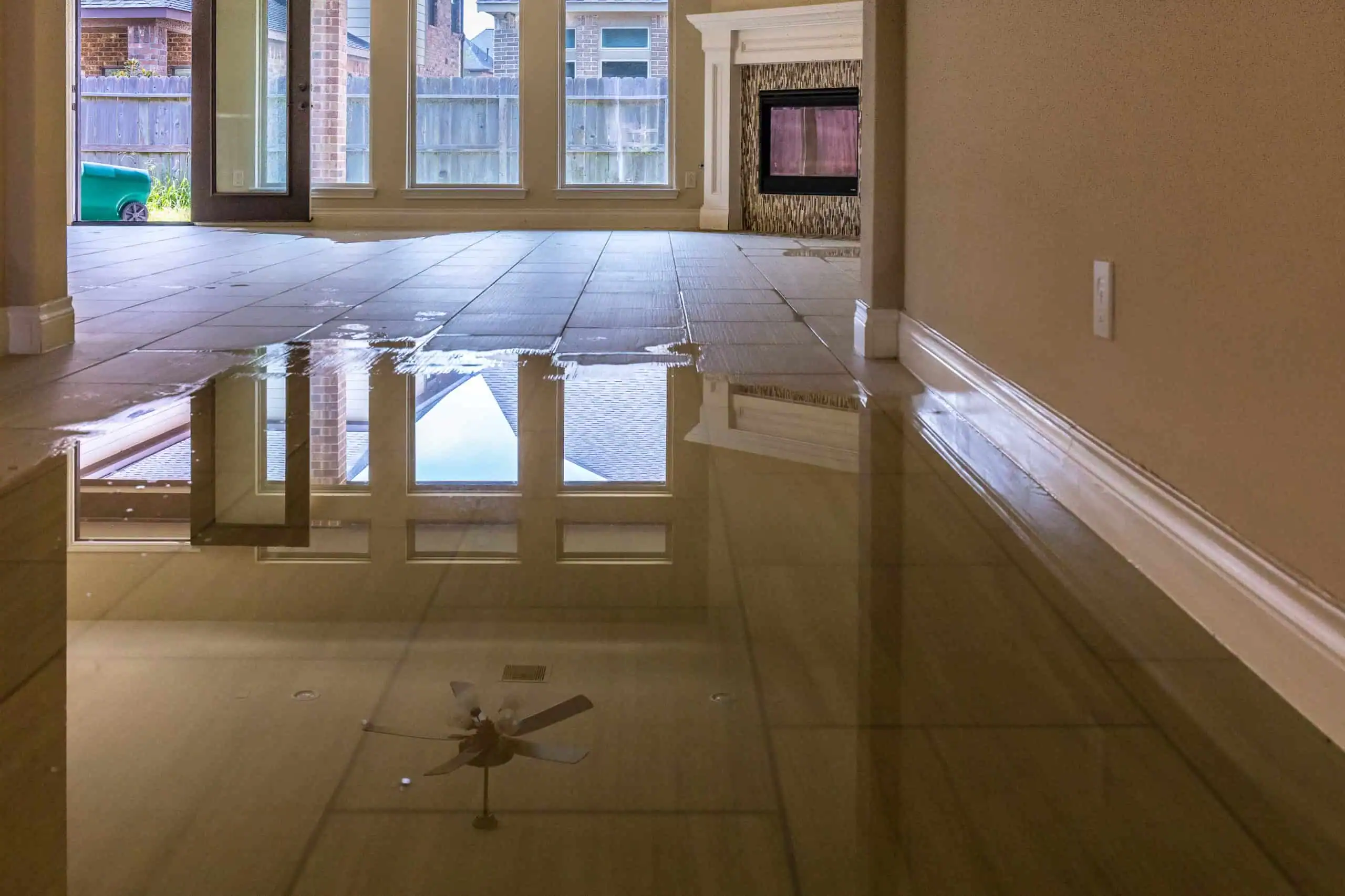
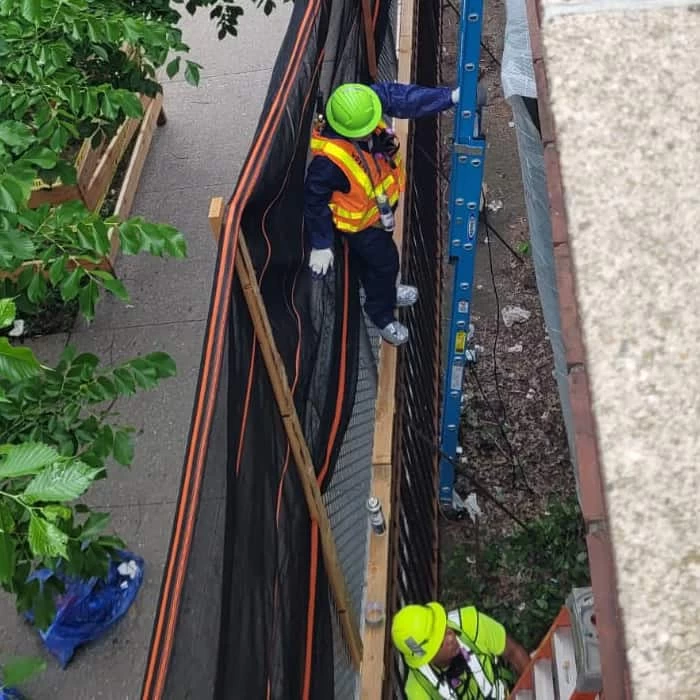
When Water Enters a Congers Basement, Every Hour Counts
Water in your home doesn’t wait — and neither do we. We respond in 60 minutes, bill your insurance directly, and handle everything from water extraction to full restoration. For Congers homeowners, that speed matters because the homes here — many built in the 1960s and 70s — absorb moisture fast and hold it longer than you’d expect.
I needed a professional consultation explanation of procedure for safe removal of Asbestos in my apartment complex. Without having an account yet, I was very impressed with the caring, knowledgeable and generous advice offered by Jessica, and will look forward to doing business in the future. Thank you so much! I feel much more informed about a sometimes scary endeavor. Peace. Nancy Silva Mineola, NY.
Mia Munoz
Used this company to clean up some water flood in my house. They were fast and easy to work with.very professional, Would recommend to anyone!
Nini Valle
Great company, had a flood and they responded quickly and efficiently. Billed my insurance company directly. I highly recommend this company!
joe colapietro, jr
I had pipe freeze in my basement right before a snow storm and they made to within an hour to help start the clean up process. They we by our side throughout the entire process and even helped with the insurance company. They did such a great job with the cleanup, repair, remidiation, I contracted them to perform the repairs and finishes in the basement. They came with enough manpower and material to get the job done. Leo and Jessica were nothing but a pleasure to deal with!!
Cristian Arredondo c
I had some water damage in my home and Green Island was able to take care of my issue quickly and effectively. I am very pleased with the work they did. They responded quickly and were very professional.
Michael M
Outstanding service! From the office to the field crew everyone was friendly, helpful and responsive. I highly recommend Green Island Group.
Your Congers Home Restored Before Mold Gets a Foothold
Flooding in Congers doesn’t always look dramatic. A sump pump that gave out during a heavy storm, water seeping through a foundation wall while the local drainage system was overwhelmed, a slow intrusion behind finished basement drywall — that’s how most Congers homeowners end up with a serious problem. By the time you see it, moisture has already been sitting for hours.
Mold can begin developing within 24 hours of a flood event. In a finished basement — the kind common in the ranches and colonials throughout Congers — drywall, carpeting, and wood framing absorb water fast and hold it longer than you’d expect. The visible damage is rarely the full picture. What’s behind the walls, under the subfloor, and inside the insulation is what causes the real long-term damage if it isn’t addressed quickly and completely.
When the job is done right, you get your home back — not a patched version of it. Dry walls, clean air, no mold risk, and no lingering moisture reading on a meter. For families in Congers who need their home to be safe and livable again, that outcome isn’t optional. It’s the only acceptable result.
We’ve been operating in New York for over 12 years, with more than 5,000 completed restoration projects across the state. We hold IICRC Water Damage Certification, a NYS Department of Labor Mold License, a NYS DOL Asbestos License, and USEPA Lead/RRP Certification. We’re also NYS and NYC M/WBE Certified and work directly with the NYS Office of General Services — which means state agencies have vetted us, not just homeowners.
That credential stack matters specifically in Congers. A significant share of homes here were built before 1980, which means flood damage can disturb asbestos floor tiles, pipe insulation, or lead paint — materials that require state-licensed abatement before any reconstruction can legally or safely begin. Most restoration companies operating in Rockland County don’t hold those licenses. We do.
We carry full Liability Insurance and Workers’ Compensation coverage, back every job with a 100% Satisfaction Guarantee, and offer financing up to $200,000 at 0% APR for situations where insurance falls short. You’re not taking a risk hiring us — you’re removing one.
When you call, we’re on our way. Our 60-minute response commitment isn’t a marketing phrase — it’s a standard we hold ourselves to because we know that in Congers, where basement flooding often comes from sump pump failures or stormwater accumulation during major weather events, the clock starts the moment water enters the structure.
When we arrive, the first thing we do is assess the full scope of moisture — not just what’s visible. We use thermal imaging and industrial moisture detection equipment to find water inside wall cavities, beneath subfloor sheathing, and behind finished surfaces. In pre-1980 homes, which make up a large portion of the Congers housing stock, we also evaluate for the presence of asbestos-containing materials or lead paint before any demolition work begins. This step isn’t optional — it’s required under New York State law, and skipping it creates legal and health liability for the homeowner.
From there, we extract standing water, set up commercial-grade air movers and dehumidifiers to begin structural drying, and remove any materials that can’t be saved. Once the structure is dry and cleared, we handle reconstruction — drywall, framing, flooring, finishes — through to completion. We also coordinate directly with your insurance adjuster and handle the documentation, so you’re not managing that process on top of everything else. One call, one company, start to finish.
Flood restoration in Congers covers more ground than water extraction. We handle the complete scope: emergency water removal, structural drying, mold remediation, asbestos and lead abatement where required, selective demolition, full reconstruction, and final finishes. You don’t need to find a separate mold contractor or a separate rebuild crew. Everything runs through one licensed team, which means faster timelines, cleaner documentation for your insurance claim, and no gaps between one phase and the next.
For Congers homeowners specifically, the asbestos and lead piece is worth understanding before you hire anyone. New York State requires a NYS DOL Asbestos License to legally perform abatement work, and any contractor disturbing lead paint in a pre-1978 home must hold USEPA Lead/RRP Certification. If your home was built before 1980 — which applies to a large share of properties throughout Congers — and a restoration company doesn’t hold both of those credentials, they are either not doing that work legally or they’re leaving it undone and creating a liability for you. We hold both.
We also work directly with your insurance company, handling billing and claim documentation on our end. For situations where coverage is limited or disputed, financing up to $200,000 at 0% APR is available. Clarkstown’s Building Department requires permits for structural repairs following flood damage — we handle that process as well, so your restoration is fully permitted and documented when it comes time to sell.
Does homeowners insurance cover flood damage in Congers, NY?
This is one of the most common points of confusion after a flood event, and the short answer is: it depends on the source of the water. Standard homeowners insurance typically covers water damage from internal sources — a burst pipe, an overflowing appliance, or a failed sump pump — but it generally does not cover flooding caused by storm events, surface water intrusion, or rising groundwater. That distinction matters a lot in Congers, where a significant share of basement flooding is driven by storm-related stormwater accumulation or overwhelmed drainage infrastructure during major weather events.
If your flooding in Congers came from a storm, you would need a separate flood insurance policy — typically through the National Flood Insurance Program — for that damage to be covered. Many Congers homeowners don’t carry that policy because they don’t think of their inland hamlet as a flood-risk area. If you’re unsure what your policy covers, we can help you review the damage documentation and work with your adjuster to determine what applies. We bill insurance directly and handle the claim paperwork, so you’re not navigating that process alone.
How quickly does mold start growing after a basement flood?
Mold can begin developing in as little as 24 hours after a flood event under the right conditions — and finished basements in Congers homes provide exactly those conditions. Drywall, wood framing, carpeting, and insulation all absorb moisture quickly and retain it long after standing water has been removed. If the structure isn’t dried to proper moisture content using commercial equipment, mold can establish behind walls and under flooring without any visible sign on the surface.
The 24-hour window is why response time matters as much as it does. Extracting water and beginning structural drying within the first few hours dramatically reduces the likelihood of mold growth and can mean the difference between saving finished materials and having to replace them entirely. If you’re already past that window and you’re seeing discoloration, a musty odor, or visible growth, that’s a mold remediation situation — which we’re also licensed to handle under our NYS Department of Labor Mold License.
My Congers home was built in the 1960s — does that change what's involved in flood restoration?
Yes, and it’s an important question. Homes built before 1980 — which includes a large portion of the housing stock throughout Congers — frequently contain asbestos-containing materials: floor tiles, pipe insulation, joint compound, roofing components, and more. Homes built before 1978 are also presumed to contain lead-based paint under federal law. When flood water damages these materials or when demolition is required as part of restoration, disturbing them without proper licensing is both illegal and a genuine health risk.
New York State requires a NYS DOL Asbestos License for any asbestos abatement work, and the USEPA requires Lead/RRP Certification for contractors working in pre-1978 homes. We hold both. Before any demolition begins in an older Congers home, we assess for the presence of these materials and follow the legally required protocols — including advance notification to the DEC where required for asbestos work. If a restoration company can’t show you those credentials, they’re either skipping that step or not doing it legally. That’s a liability that follows the homeowner, not the contractor.
What's the difference between water extraction and structural drying — aren't they the same thing?
They’re related but not the same, and understanding the difference matters for knowing whether a restoration job was actually completed or just started. Water extraction is the removal of standing water — the visible water on floors, in window wells, pooled in corners. That part is relatively fast. Structural drying is the process of removing moisture that has absorbed into building materials: drywall, wood framing, subfloor sheathing, insulation, concrete. That process takes significantly longer and requires commercial-grade air movers and dehumidifiers running continuously, often for several days.
In Congers homes — particularly older construction with dense framing and finished basements — structural drying is the critical phase that determines whether the job was done correctly. A company that extracts standing water and leaves without setting up drying equipment has addressed maybe 20% of the actual problem. Moisture readings need to be taken at multiple points throughout the drying process and confirmed at industry-standard levels before equipment is removed. We document those readings throughout the job, which also supports your insurance claim by demonstrating that the restoration was completed to standard.
How long does flood restoration typically take for a Congers home?
The timeline depends on the extent of the damage, the size of the affected area, and whether any abatement work is required — but here’s a realistic breakdown. Emergency water extraction and initial setup of drying equipment typically happens within the first few hours of our arrival. Structural drying generally takes three to five days, depending on the materials involved and the severity of saturation. If asbestos or lead abatement is required — which applies to a meaningful share of pre-1980 homes in Congers — that work follows a regulated timeline that includes advance notification requirements under New York State law.
Once the structure is dry and cleared, reconstruction begins. For a typical finished basement — drywall, flooring, and framing — that phase can take one to two weeks depending on scope. Full restoration from initial call to completed rebuild commonly runs two to four weeks for moderate damage. Larger or more complex jobs, or those involving extensive abatement or significant structural repair, can take longer. We give you a clear timeline after the initial assessment and keep you updated throughout. Clarkstown’s Building Department requires permits for structural repairs, and we handle that permitting process as part of the job.
Why does Green Island Group offer 0% APR financing for flood restoration?
Because standard homeowners insurance doesn’t always cover what people expect it to — and that gap shows up fast when you’re looking at a serious restoration bill. In Congers, where a large share of flooding comes from storm-driven stormwater events rather than internal pipe failures, many homeowners discover after the fact that their policy doesn’t cover the damage. Others have coverage but face a prolonged claims dispute or a payout that doesn’t fully cover the cost of a complete restoration in a home worth $650,000 or more.
The financing option — up to $200,000 at 0% APR — exists so that a coverage gap doesn’t force you into a partial fix. Incomplete restoration, where moisture is left in the structure because the budget ran out, leads to mold, structural deterioration, and significantly higher costs down the road. It also creates disclosure obligations when you go to sell. We’d rather you have a fully restored home than a partially remediated one because the numbers didn’t work out on day one.