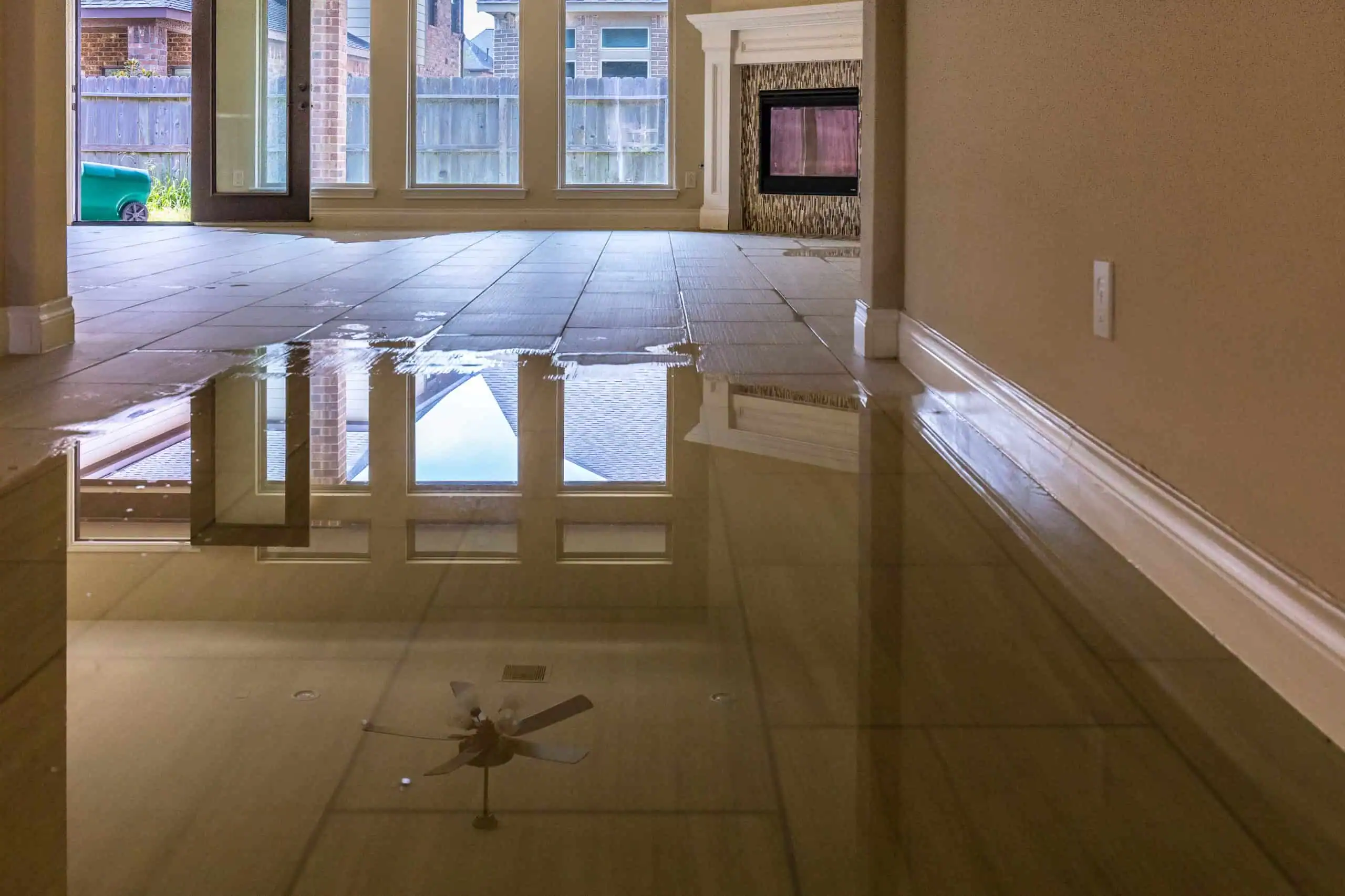
When Whortlekill Creek Rises, Your East Fishkill Home Needs More Than a Mop
East Fishkill flooding doesn’t wait for business hours — and neither do we. We respond in 60 minutes, handle everything from water extraction to full reconstruction, and bill your insurance directly. Whether the water came from Whortlekill Creek overflow, Fishkill Creek ice jams, or a summer storm like Hurricane Ida’s remnants in 2021, we’ve handled the full scope of restoration across this town for over 12 years.
I needed a professional consultation explanation of procedure for safe removal of Asbestos in my apartment complex. Without having an account yet, I was very impressed with the caring, knowledgeable and generous advice offered by Jessica, and will look forward to doing business in the future. Thank you so much! I feel much more informed about a sometimes scary endeavor. Peace. Nancy Silva Mineola, NY.
Mia Munoz
Used this company to clean up some water flood in my house. They were fast and easy to work with.very professional, Would recommend to anyone!
Nini Valle
Great company, had a flood and they responded quickly and efficiently. Billed my insurance company directly. I highly recommend this company!
joe colapietro, jr
I had pipe freeze in my basement right before a snow storm and they made to within an hour to help start the clean up process. They we by our side throughout the entire process and even helped with the insurance company. They did such a great job with the cleanup, repair, remidiation, I contracted them to perform the repairs and finishes in the basement. They came with enough manpower and material to get the job done. Leo and Jessica were nothing but a pleasure to deal with!!
Cristian Arredondo c
I had some water damage in my home and Green Island was able to take care of my issue quickly and effectively. I am very pleased with the work they did. They responded quickly and were very professional.
Michael M
Outstanding service! From the office to the field crew everyone was friendly, helpful and responsive. I highly recommend Green Island Group.
What a Properly Restored East Fishkill Home Actually Looks Like
The biggest mistake East Fishkill homeowners make after a flood isn’t ignoring the water — it’s thinking the water is gone once it looks dry. In a 1960s or 1970s home, which describes most of the housing stock in ZIP code 12533, moisture hides inside wall cavities, beneath subfloors, and behind insulation long after the visible puddles disappear. By the time you smell something, mold has already been growing for days.
When flood restoration is done right, you get back a home that’s structurally sound, dry at every layer, and safe to live in — not just one that looks fine on the surface. That means industrial moisture detection equipment finding what your eyes can’t, structural drying that reaches inside the walls, and a full assessment of what materials need to come out versus what can be saved.
For homes near Hopewell Junction and the Whortlekill Creek corridor, there’s an added layer: many properties in that area sit in designated Special Flood Hazard Zones, which means the restoration process has to account for both the damage itself and the town’s floodplain development permit requirements. A contractor who doesn’t know East Fishkill’s regulatory environment can inadvertently create compliance problems on top of the water damage. Getting it done right the first time protects your home and keeps you on the right side of the town’s building requirements.
Licensed Flood Restoration Contractor, East Fishkill
Credentials That Hold Up When You Actually Check Them
We’ve been doing environmental restoration work across New York State for over 12 years, with more than 5,000 completed projects. We’re fully insured — liability and Workers’ Compensation. NYS and NYC M/WBE Certified. And we back our work with a 100% Satisfaction Guarantee that isn’t buried in fine print.
What sets us apart in the East Fishkill market isn’t just the response time — it’s the license stack. We hold the NYS DOL Mold Remediation License, NYS DOL Asbestos Contractor License, USEPA Lead/RRP Certification, and IICRC Water Damage Certification. That combination matters enormously in a town where most homes were built before 1980. When wet drywall or floor tile comes out of a house that age, New York State has specific legal requirements about who can handle those materials. We can. Most restoration companies operating in Dutchess County cannot.
We also work directly with the NYS Office of General Services — which means the state of New York has independently vetted and approved us. That’s not a marketing claim. It’s a public record.
From the First Call to a Fully Restored East Fishkill Home — Here's Our Process
It starts the moment you call. Our 60-minute on-site response guarantee applies across East Fishkill’s full 53-square-mile footprint — including the more remote hamlets like Stormville, Shenandoah Corners, and Pecksville that other contractors quietly deprioritize. A technician arrives, assesses the full scope of the damage, and begins emergency water extraction immediately. There’s no waiting for paperwork or a second visit to “evaluate.”
Once the standing water is removed, the real work begins. We deploy industrial-grade drying equipment — not box fans, but commercial dehumidifiers and air movers calibrated to the specific moisture load of your home. Thermal imaging and moisture meters map every affected area, including inside walls and beneath flooring where water migrates invisibly. In East Fishkill’s older housing stock, that step is non-negotiable. A 1970s home with wet insulation inside its walls will grow mold whether or not the floor feels dry.
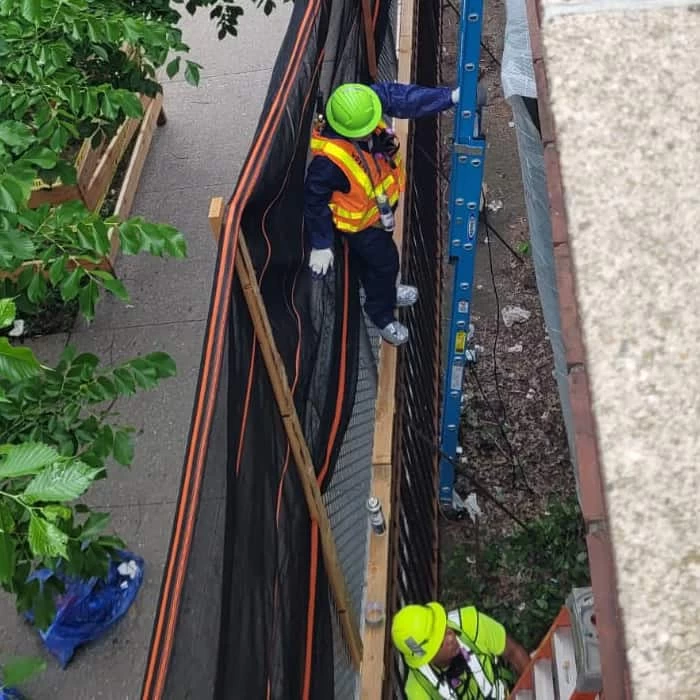
If asbestos-containing materials or lead-based paint are disturbed during the process — which is common in pre-1980 construction — we handle abatement in-house under our NYS DOL Asbestos and USEPA Lead/RRP licenses. No stopping work. No subcontracting. No gap in the timeline that lets moisture sit while you wait for a second contractor. The process runs straight through to full structural repair and reconstruction, with direct insurance billing handled on your behalf from start to finish.
Mold Remediation and Flood Damage Repair, Dutchess County
Full-Scope Restoration Built for East Fishkill's Specific Risks
East Fishkill’s flood risk isn’t one-dimensional. The Dutchess County Hazard Mitigation Plan documents multiple distinct flooding mechanisms in this town: Whortlekill Creek overflowing into Hopewell Junction’s low-lying neighborhoods, ice jams on Fishkill Creek that have pushed the gaging station at Hopewell Junction to nearly 12 feet, developing properties along the Sylvan Lake Outlet with unresolved drainage exposure, and intense summer storms like Hurricane Ida’s remnants in September 2021, which dropped three to seven inches of rain across Dutchess County and sent the East Fishkill Fire Department to the Fishkill Creek area with water rescue equipment. Each of these events creates a different damage profile — and the restoration response has to match.
We provide full-service restoration covering emergency water removal, structural drying, mold prevention and remediation, asbestos and lead abatement where required, sewage backup cleanup, and complete reconstruction including final finishes. One company, one point of contact, no handoffs between a mitigation crew and a separate rebuild contractor.
For homeowners facing coverage gaps — and East Fishkill’s own town government explicitly warns that standard homeowners insurance does not cover flood losses — we offer financing up to $200,000 at 0% APR. There’s also no upfront cost required to get started. If you’re in a designated Special Flood Hazard Area near Hopewell Junction or Hillside Lake and you’re unsure what your policy actually covers, that financing option is what keeps your restoration on schedule while the insurance process catches up.
Does homeowners insurance cover flood damage to my East Fishkill home?
Most standard homeowners insurance policies do not cover flood damage — and East Fishkill’s own town government publishes this warning on its official website. Flood losses are typically only covered under a separate National Flood Insurance Program (NFIP) policy, which is purchased independently and comes with a mandatory five-day waiting period before it takes effect. If you don’t have an active NFIP policy at the time of the flood, you’re likely looking at out-of-pocket costs.
This gap hits East Fishkill homeowners particularly hard because a significant portion of the town — especially areas near Hopewell Junction and the Whortlekill Creek corridor — falls within FEMA-designated Special Flood Hazard Areas. East Fishkill has had 96 NFIP flood insurance claims paid out since 1978, which tells you this isn’t a rare event. If you’re unsure what your current policy covers, the time to find out is before the water comes in. And if you’re already dealing with damage and facing a coverage gap, we offer 0% APR financing up to $200,000 specifically for this situation.
How fast does mold start growing after a basement flood?
Mold can begin developing within 24 hours of a flood event — and visible growth can appear within 24 to 48 hours under the right conditions. The problem in East Fishkill’s older housing stock is that the conditions are almost always right. Homes built in the 1960s and 1970s have wall cavities, subfloor assemblies, and fiberglass insulation that absorb and retain moisture long after the surface appears dry. That trapped moisture is exactly what mold needs to establish itself invisibly, inside your walls, before you ever see or smell anything.
This is why the drying timeline matters as much as the cleanup itself. Consumer-grade fans and dehumidifiers can reduce surface humidity, but they don’t reach moisture inside structural cavities. We use industrial thermal imaging and moisture detection equipment to map saturation inside walls and beneath floors, then deploy commercial-grade drying systems calibrated to pull that moisture out. If mold is already present, our NYS DOL Mold Remediation License covers the full remediation process — legally and correctly, under New York State requirements.
My East Fishkill home was built in the 1970s — does that change the restoration process?
Yes, significantly. Homes built before 1980 — which describes the majority of East Fishkill’s housing stock in ZIP code 12533 — frequently contain asbestos-containing materials (ACMs) in floor tiles, drywall joint compound, pipe insulation, ceiling textures, and wall systems. They also commonly have lead-based paint on walls, trim, and window frames. When flood damage requires removing wet drywall, flooring, or insulation, those materials can be disturbed — and in New York State, that disturbance must be handled by a licensed asbestos contractor who files the proper notifications with the Department of Environmental Protection.
Most restoration companies in the East Fishkill market are not licensed for this work. We hold both the NYS DOL Asbestos Contractor License and USEPA Lead/RRP Certification, which means we can handle the full scope of a pre-1980 flood restoration without stopping work, subcontracting the abatement phase, or creating regulatory exposure for you as the homeowner. If you hire a company that isn’t licensed for this and they disturb asbestos or lead materials during your restoration, the liability doesn’t fall on them — it falls on you.
What's the difference between water mitigation and full flood restoration?
Water mitigation refers to the emergency phase — stopping the damage from getting worse. That includes water extraction, drying, and initial containment. Many companies in the Dutchess County market, including national franchise operators, specialize in mitigation and stop there. Full flood restoration goes further: it covers structural repairs, material replacement, mold remediation if needed, abatement of hazardous materials if present, and complete reconstruction of the affected areas back to pre-loss condition.
The distinction matters because mitigation alone doesn’t return your home to a livable, safe state — it just stabilizes it. In a town like East Fishkill, where flooding events can involve significant structural saturation from Fishkill Creek ice jams, Whortlekill Creek overflow, or intense storm events like Ida, stopping at mitigation often means living in a partially gutted home while you coordinate a separate contractor for the rebuild. We handle both phases under one roof, which means no gap in the timeline, no duplicate assessments, and no competing contractors pointing fingers at each other over what was or wasn’t dried properly.
Do I need a permit for flood restoration work in East Fishkill?
It depends on the scope of the work and whether your property is in a designated Special Flood Hazard Area. East Fishkill has a functioning Floodplain Administrator who oversees the town’s NFIP participation and administers the Floodplain Development Permit process. Any construction, repair, or improvement within a SFHA-designated property requires a permit from the town before work begins. This includes structural repairs to framing, foundation work, and utility system replacements — all of which are common in a significant flood restoration.
If your home is in one of East Fishkill’s documented flood risk zones — near Hopewell Junction, the Whortlekill Creek corridor, or the Sylvan Lake Outlet area — there’s a real chance that some portion of your restoration work falls under this requirement. A contractor who doesn’t know East Fishkill’s specific SFHA boundaries and permit process may proceed without the required approvals, which creates a compliance problem that lands on you as the property owner. Our familiarity with New York State municipal permit requirements and our history working with state agencies means this part of the process is handled correctly from the start.
How do I choose a flood restoration company in East Fishkill without getting burned?
The most important thing you can do is verify credentials before anyone touches your home. In New York State, mold remediation requires a specific NYS Department of Labor license — it is not covered by a general contractor license, and many companies operating in the Dutchess County market don’t have it. Asbestos abatement requires a separate NYS DOL Asbestos Contractor License. Lead paint work requires USEPA Lead/RRP Certification. These are publicly verifiable credentials, and you can look them up. If a company can’t show you their license numbers, that’s your answer.
Beyond credentials, look for a company that handles the full scope in-house — not one that mitigates the water and then hands you off to a separate contractor for the rebuild. In East Fishkill, where pre-1980 homes are the norm and flooding events can be serious enough to trigger water rescues on Fishkill Creek, you need a contractor who can go from emergency extraction all the way through to finished reconstruction without stopping. Ask specifically whether they carry liability insurance and Workers’ Compensation — not just a certificate of insurance, but active, verifiable coverage. And if the company can’t give you a clear answer about how they handle asbestos or lead if it’s found during your restoration, keep looking.