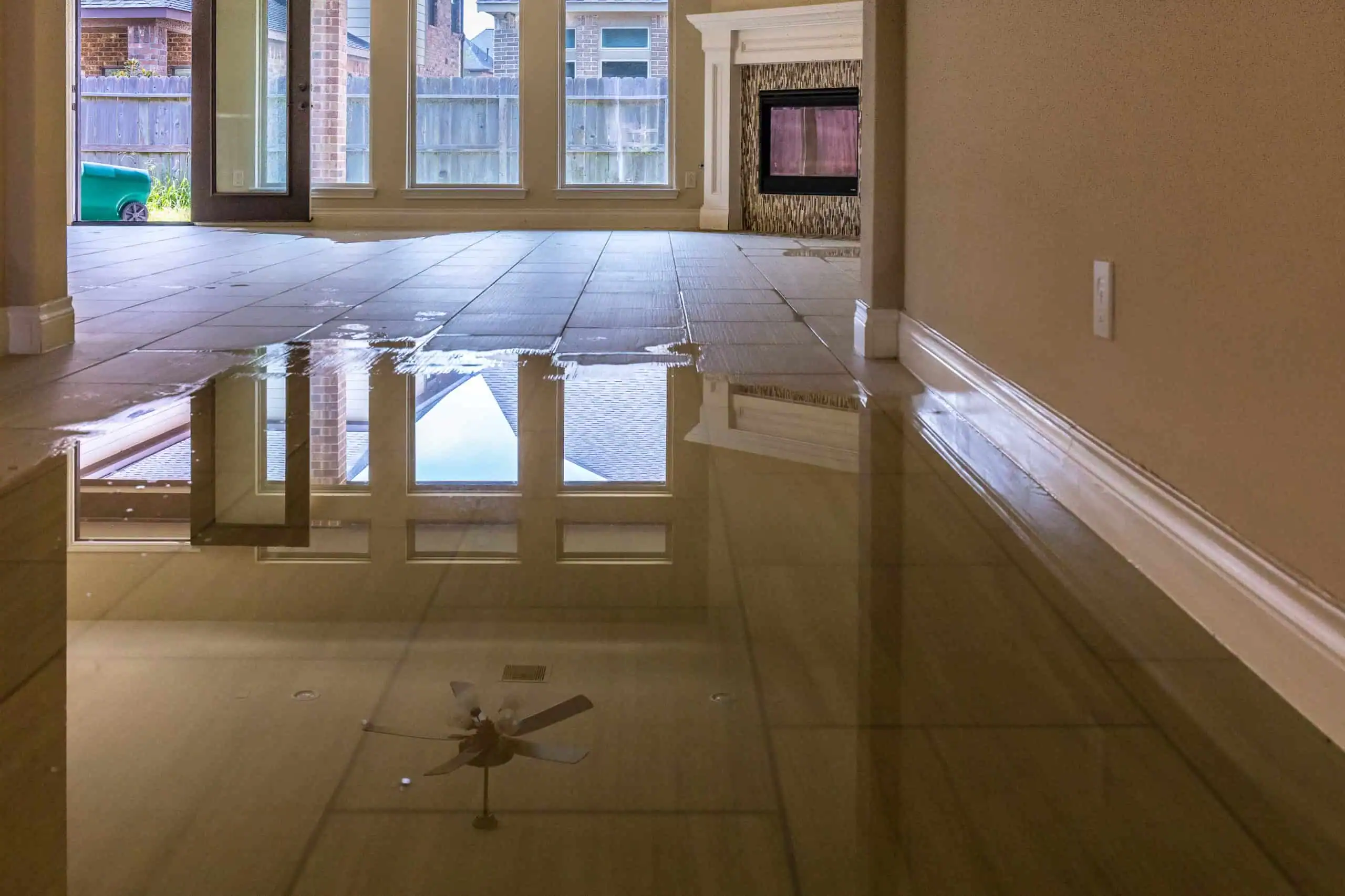
When the Saw Mill Floods, Elmsford Needs More Than a Wet Vac
We’re on-site in 60 minutes, handle your insurance directly, and are fully licensed to restore older Elmsford homes — including what’s hiding inside the walls.
I needed a professional consultation explanation of procedure for safe removal of Asbestos in my apartment complex. Without having an account yet, I was very impressed with the caring, knowledgeable and generous advice offered by Jessica, and will look forward to doing business in the future. Thank you so much! I feel much more informed about a sometimes scary endeavor. Peace. Nancy Silva Mineola, NY.
Mia Munoz
Used this company to clean up some water flood in my house. They were fast and easy to work with.very professional, Would recommend to anyone!
Nini Valle
Great company, had a flood and they responded quickly and efficiently. Billed my insurance company directly. I highly recommend this company!
joe colapietro, jr
I had pipe freeze in my basement right before a snow storm and they made to within an hour to help start the clean up process. They we by our side throughout the entire process and even helped with the insurance company. They did such a great job with the cleanup, repair, remidiation, I contracted them to perform the repairs and finishes in the basement. They came with enough manpower and material to get the job done. Leo and Jessica were nothing but a pleasure to deal with!!
Cristian Arredondo c
I had some water damage in my home and Green Island was able to take care of my issue quickly and effectively. I am very pleased with the work they did. They responded quickly and were very professional.
Michael M
Outstanding service! From the office to the field crew everyone was friendly, helpful and responsive. I highly recommend Green Island Group.
Your Home Dried, Documented, and Safe — Not Just Surface-Level Clean
When the Saw Mill River overflows and water crosses Route 119, it doesn’t just wet the floor — it soaks into walls, gets under subfloors, and sits in places you can’t see. In Elmsford, where the median home was built in 1959 and a third of the housing stock predates 1940, that hidden moisture doesn’t dry on its own. It becomes mold. And in older construction, it becomes a much bigger problem than the flood itself.
What you actually get when this is done right is a home that’s been dried to industry standard — not just dried to the touch. That means moisture readings taken at the wall cavity level, not just the surface. It means documentation your insurance adjuster can use, and a remediation record that matters under Westchester County’s Flood Disclosure Law if you ever rent or sell the property.
For a lot of Elmsford homeowners, the real relief isn’t just the dry floors — it’s not having to manage three different contractors, chase an adjuster, or figure out whether your 1950s walls have materials that require special handling. That’s the part we take off your plate entirely.
Licensed Flood Restoration Contractor Elmsford, NY
Certified for the Work That Actually Matters in This Village
We’ve been doing environmental restoration work across Westchester County for over 12 years, with more than 5,000 completed projects across New York State. That’s not a number pulled from a brochure — it’s the kind of track record that comes from being on the ground through every major storm event that’s hit this region, including the flooding that shut down the Saw Mill River Parkway right at the Elmsford/Route 119 intersection.
What sets us apart in Elmsford specifically is the credential stack. We hold the NYS DOL Mold License, NYS DOL Asbestos License, and USEPA Lead/RRP Certification — all three. In a village where the majority of homes were built before 1960, those aren’t optional credentials. They’re legally required to do the work safely. Most restoration companies operating in this area hold none of them.
We’re also NYS and NYC M/WBE Certified, fully insured with both liability and workers’ compensation coverage, and IICRC certified for water and fire damage restoration. You’re not taking a chance on an unknown operator — you’re working with a state-verified contractor that’s been doing this work in Elmsford and surrounding communities for over a decade.
From Standing Water to Fully Restored — Here's What to Expect
The first call triggers a 60-minute response. Our crew arrives with industrial extraction equipment, thermal imaging cameras, and moisture meters — not just fans and a dehumidifier. The goal in the first hour is to stop the damage from compounding, because in an older Elmsford home with plaster walls and wood subfloors, every additional hour of saturation is another hour of structural absorption that makes the job harder and the mold risk higher.
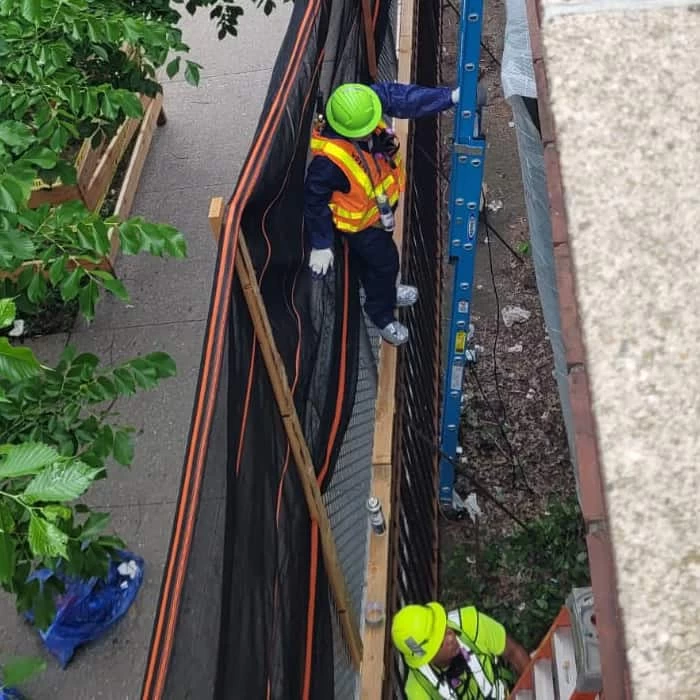
Once the standing water is out, the real assessment begins. Thermal imaging finds the moisture your eyes can’t see — inside wall cavities, under flooring, behind baseboards. In pre-1960 construction, this step isn’t optional. Materials like original insulation and plaster hold water differently than modern drywall, and they require a drying protocol that accounts for that. If asbestos-containing or lead-painted materials are disturbed during the process, our licensed abatement team handles it in-house — no subcontractors, no scheduling gaps, no liability left on your plate.
From there, structural drying runs until moisture readings confirm your home is back to baseline. Then reconstruction begins — drywall, flooring, insulation, finishes — whatever the water took out. We handle the insurance claim directly throughout this entire process, so you’re not playing phone tag with an adjuster while your home is torn open.
Built for Elmsford's Homes, Not a Generic Restoration Checklist
Flood restoration in Elmsford isn’t the same job it is in a newer suburb. The housing stock here — ranch homes, Cape Cods, colonials on small lots, pre-war construction in Elmsford North — requires a contractor who understands what’s actually inside those walls and what the law requires when it gets disturbed. We provide full-service restoration covering water extraction, structural drying, mold remediation, asbestos abatement, lead-safe renovation practices, and complete reconstruction under one roof. You’re not coordinating between a mitigation company, a mold contractor, and a general contractor. One company handles all of it.
On the financial side, we bill your insurance company directly — you pay nothing upfront. For homeowners who are uninsured or underinsured, which is a real scenario given that standard homeowners policies typically don’t cover Saw Mill River overflow flooding without a separate flood policy, we offer financing up to $200,000 at 0% APR. That’s not a loan pitch — it’s a practical option for a family facing a major restoration without the insurance coverage to back it.
Every job comes with a 100% Satisfaction Guarantee and full documentation throughout the process. That documentation matters in Elmsford specifically, where Westchester County’s Flood Disclosure Law requires property owners to disclose flood history and remediation to prospective tenants and buyers. A properly documented restoration protects your property value, not just your floors.
Does the Saw Mill River flooding actually affect homes in Elmsford, NY?
Yes — and it’s well-documented. The U.S. Army Corps of Engineers produced a formal Project Management Plan specifically for flooding along the Saw Mill River in Elmsford and Greenburgh. That’s not something the Army Corps does for minor, occasional flooding. It reflects a recognized, recurring problem that has warranted federal engineering attention. As recently as July 2025, Lamont Street off Saw Mill River Road in Elmsford was closed due to flooding, and the Saw Mill River Parkway was shut down right where the river meets Route 119.
The flooding isn’t limited to the parkway or commercial areas along Route 9A. The Saw Mill River watershed covers 3,266 acres of steep slopes, which means stormwater concentrates and moves fast during heavy rain events. Low-lying residential areas in Elmsford — particularly those near the river corridor — can see water intrusion from the ground up, not just from above. If your home is anywhere near that corridor, a severe storm isn’t a hypothetical risk. It’s a recurring one.
How quickly does mold start growing after a flood in an older home?
Mold can begin developing within 24 to 48 hours of water exposure — and in a pre-1960 home, the timeline can be even more unforgiving. Older construction materials like plaster, original wood subfloors, and period insulation absorb and retain moisture differently than modern drywall. They can feel dry on the surface while staying saturated inside for days or weeks. That hidden moisture is exactly where mold establishes itself before you ever see or smell it.
In Elmsford, where about a third of homes were built before 1940 and the median construction year is 1959, this isn’t a rare edge case — it’s the norm. The only way to know whether the moisture is actually gone is with thermal imaging and calibrated moisture meters that read inside wall assemblies, not just on surfaces. If a restoration company isn’t using that equipment, they’re guessing. And in an older Elmsford home, a wrong guess usually turns into a mold remediation call six months later.
Does my homeowners insurance cover flood damage from the Saw Mill River overflowing?
Standard homeowners insurance policies in New York do not cover flooding caused by an external water source — which includes a river like the Saw Mill overflowing its banks. That type of damage typically requires a separate flood insurance policy, usually through FEMA’s National Flood Insurance Program. A lot of Elmsford homeowners don’t carry it, which means when the river comes up and water enters the home, they’re looking at out-of-pocket costs.
That said, many flood-related scenarios are covered under standard homeowners policies — burst pipes, appliance failures, sudden water discharge, and certain types of storm damage that come through the roof or walls rather than up from the ground. The key is getting a proper assessment and documentation early, so your adjuster has what they need to process whatever is covered. We handle the insurance communication directly, which takes the burden of that process off you entirely. And for costs that fall outside coverage, we offer financing up to $200,000 at 0% APR so the work doesn’t have to wait.
My Elmsford home was built in the 1950s — does that affect how flood restoration is handled?
It does, and it’s one of the most important questions you can ask before hiring a restoration contractor. Homes built before 1978 may contain lead paint, and homes built before the early 1980s may contain asbestos in pipe insulation, floor tiles, ceiling tiles, joint compound, and other materials. When a flood damages those materials and a crew starts tearing them out, they are legally required to follow specific protocols — and in New York State, the contractor performing that work must hold the NYS DOL Asbestos License and the USEPA Lead/RRP Certification.
Most restoration companies operating in Elmsford hold neither credential. We hold both, along with the NYS DOL Mold License. For a 1950s home in Elmsford — which is the median construction year for the village — this isn’t a niche concern. It’s the standard situation. Hiring a contractor without those certifications doesn’t just put your health at risk. It can expose you to liability and create compliance issues that complicate your insurance claim and any future sale of the property.
How long does flood restoration typically take from start to finish?
The honest answer is that it depends on the extent of the damage, the age of the home, and what the drying process reveals once the walls are open. For a straightforward basement flood with no structural damage and no environmental concerns, mitigation — meaning extraction and drying — can be completed in three to five days. Full restoration, including any reconstruction, typically runs two to four weeks depending on scope.
In Elmsford’s older housing stock, the timeline can extend if asbestos or lead-containing materials are identified during demolition, because abatement requires proper containment, removal, and disposal procedures that can’t be rushed. That’s not a problem if your contractor is licensed to handle it in-house — it just becomes part of the sequenced workflow rather than a surprise that stops the job. We build that into the process from the start, which is why having a single contractor handle everything from extraction through reconstruction matters more in a village like Elmsford than it might in a newer development elsewhere in Westchester.
What does Westchester County's Flood Disclosure Law mean for Elmsford property owners?
Westchester County’s Flood Disclosure Law, which took effect in August 2022, requires property owners to provide prospective tenants and buyers with a completed disclosure form indicating whether the property is in a FEMA-designated flood hazard area and whether it has experienced flooding within the previous ten years. This applies to both residential and commercial properties throughout the county — including Elmsford.
For property owners in Elmsford, this law has a real practical implication: if your property has flooded and you don’t have documentation of professional remediation, you’re disclosing a problem without being able to show it was properly resolved. That affects your negotiating position, your liability exposure, and in some cases your ability to rent or sell without complications. A properly documented restoration — with moisture logs, remediation records, and a licensed contractor sign-off — gives you something concrete to provide alongside that disclosure. Given that 42.6% of Elmsford’s housing units are renter-occupied, this matters to a significant share of property owners in the village, not just homeowners selling their primary residence.