When the Saw Mill Rises, We're There in 60 Minutes
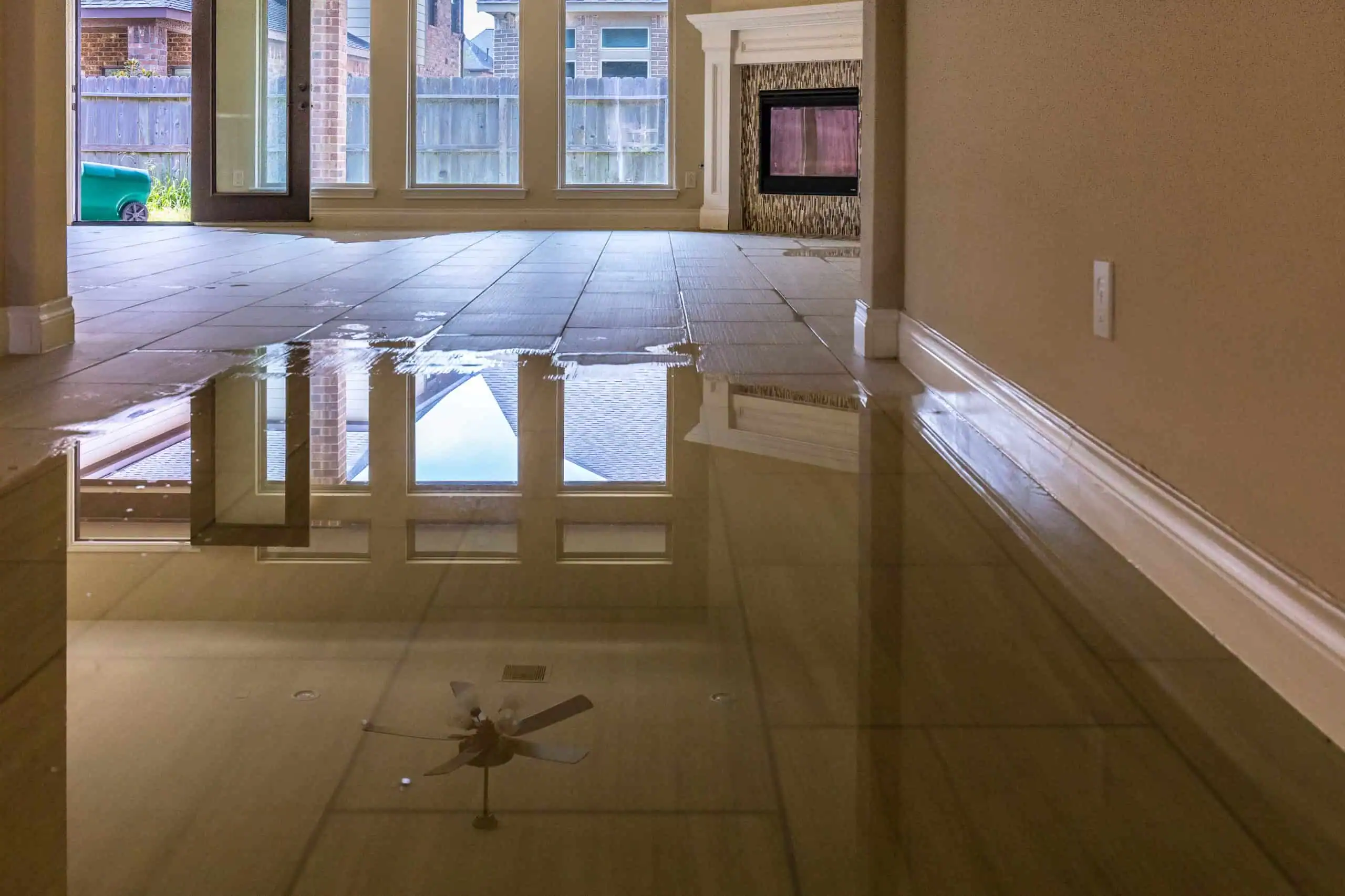
Flood damage moves faster than most people realize — and in Greenburgh, it doesn’t take much. We’re on-site within 60 minutes, bill your insurance directly, and handle everything from water extraction to full restoration. Our team knows the Saw Mill River and Bronx River corridors that run through Elmsford and surrounding neighborhoods, and we understand the urgency when water enters your home.
I needed a professional consultation explanation of procedure for safe removal of Asbestos in my apartment complex. Without having an account yet, I was very impressed with the caring, knowledgeable and generous advice offered by Jessica, and will look forward to doing business in the future. Thank you so much! I feel much more informed about a sometimes scary endeavor. Peace. Nancy Silva Mineola, NY.
Mia Munoz
Used this company to clean up some water flood in my house. They were fast and easy to work with.very professional, Would recommend to anyone!
Nini Valle
Great company, had a flood and they responded quickly and efficiently. Billed my insurance company directly. I highly recommend this company!
joe colapietro, jr
I had pipe freeze in my basement right before a snow storm and they made to within an hour to help start the clean up process. They we by our side throughout the entire process and even helped with the insurance company. They did such a great job with the cleanup, repair, remidiation, I contracted them to perform the repairs and finishes in the basement. They came with enough manpower and material to get the job done. Leo and Jessica were nothing but a pleasure to deal with!!
Cristian Arredondo c
I had some water damage in my home and Green Island was able to take care of my issue quickly and effectively. I am very pleased with the work they did. They responded quickly and were very professional.
Michael M
Outstanding service! From the office to the field crew everyone was friendly, helpful and responsive. I highly recommend Green Island Group.
Your Home Genuinely Dry — Not Just Surface-Dry With Problems Waiting
The real problem with flood damage isn’t always what you can see. It’s the moisture that wicks into your wall cavities, soaks through your subfloor, and sits inside the insulation of your finished basement while you think the worst is over. In Greenburgh, where flash flooding from the Saw Mill River and Bronx River can push water into homes fast and hard, that hidden saturation is exactly how mold starts — sometimes within 24 hours of the event.
For homeowners in Hartsdale and Elmsford especially, this isn’t theoretical. The Bronx River has sent water directly into basement living spaces. The Saw Mill River corridor through Elmsford has flooded badly enough to warrant a federal Army Corps of Engineers study. When you’ve got a finished basement used as a home office or a family room — which describes a lot of homes in this area — the stakes are high and the window to act is short.
What you get on the other side of our proper restoration is a home that’s genuinely dry, structurally sound, and cleared of any mold risk — not just surface-dry with problems waiting to surface six months later. That’s the difference between a company that shows up with fans and one that shows up with moisture detection equipment, a licensed mold remediator, and a full restoration plan.
12 Years In Westchester County — Every License That Actually Matters
We’ve been doing environmental restoration work across New York for over 12 years and more than 5,000 completed projects. That’s not a number pulled from a brochure — it’s the kind of track record that comes from doing the work right, repeatedly, in real homes with real complications throughout Greenburgh and the surrounding region.
What sets us apart in Westchester County isn’t just experience — it’s credentials. We hold the NYS DOL Mold License, NYS DOL Asbestos License, USEPA Lead and RRP Certification, and IICRC Water Damage Certification. We’re also NYS and NYC M/WBE Certified and work with the NYS Office of General Services. In a town like Greenburgh, where a significant portion of homes in neighborhoods like Hartsdale, Fairview, and Dobbs Ferry were built before 1980, those asbestos and lead credentials aren’t just impressive on paper — they’re legally necessary when flood water disturbs older building materials.
We’re fully insured, including liability and workers’ compensation, and every job comes with a 100% Satisfaction Guarantee.
What Happens From Your First Call to Your Finished Home
When you call, the clock starts. We commit to being on-site within 60 minutes — not sometime today, not first thing tomorrow. That response time matters in Greenburgh because the flooding events here don’t give you a grace period. Whether it’s a Saw Mill overflow that pushed water into your Elmsford home or a flash storm that overwhelmed your sump pump in Edgemont, every hour of delay increases the risk of mold taking hold.
Once on-site, we do a full damage assessment using moisture meters and thermal imaging — not just a visual walkthrough. This is how hidden saturation gets found before it becomes a structural or mold problem. From there, our industrial water extraction equipment removes standing water, and commercial drying systems are set up to pull moisture out of walls, floors, and cavities over the following days. Progress is monitored and documented throughout.
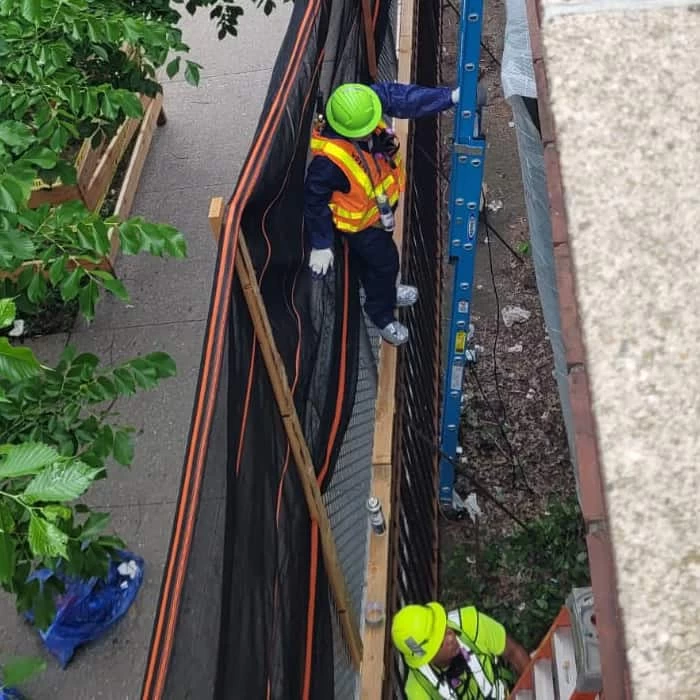
If your home was built before 1980 — which is common across Greenburgh’s older neighborhoods — we assess for asbestos-containing materials before any demolition begins. New York State requires licensed contractors for this work, and we hold that license. Reconstruction, including drywall, flooring, and finish work, is handled in-house so you’re not coordinating between multiple contractors. We bill your insurance carrier directly, and financing up to $200,000 at 0% APR is available if coverage falls short.
Full Restoration for Greenburgh's Diverse Housing Stock
Flood restoration in Greenburgh isn’t a one-size-fits-all job. The town’s housing stock ranges from Victorian-era homes in Tarrytown and Hastings-on-Hudson to mid-century colonials in Hartsdale to riverfront properties in Dobbs Ferry and Irvington. Each comes with its own set of complications — older pipe insulation, original hardwood subfloors, finished basement living spaces, and in many cases, building materials that predate modern safety standards.
We provide full-service restoration covering everything from initial water extraction and structural drying to mold remediation, asbestos assessment, and complete reconstruction. If your basement flooded and you’ve got drywall, flooring, and built-ins down there, all of that gets addressed under one roof. You’re not managing three different contractors or waiting on a subcontractor to schedule their portion of the work.
For Greenburgh residents near the Saw Mill River or Bronx River corridors, we understand that this may not be your first flood — and that a previous restoration may not have been done thoroughly. If you’re dealing with recurring moisture issues or mold that showed up after a prior flood event, that’s something we’re equipped to assess and resolve properly. New York State’s mold law requires licensed professionals for remediation areas over 10 square feet, and we hold that license. Every project is fully documented for insurance purposes, and we bill your insurance carrier directly.
Does homeowners insurance cover flood damage from the Saw Mill River in Greenburgh?
Standard homeowners insurance policies typically do not cover flood damage caused by external water sources — meaning if the Saw Mill River overflows and water enters your home, or if surface flooding from a storm pushes water into your basement, your standard policy likely won’t cover it. This is one of the most common surprises Greenburgh homeowners face after a major flood event, and it’s a real issue given how frequently the Saw Mill River corridor floods in Elmsford and surrounding areas.
Separate flood insurance through the National Flood Insurance Program (NFIP) is designed to cover this type of damage, but NFIP policies have coverage caps that may not fully cover the cost of restoring a Greenburgh home — especially given median home values in this area exceeding $700,000. If your coverage falls short, we offer financing up to $200,000 at 0% APR so restoration can begin immediately rather than waiting for a payout. We also bill insurance carriers directly, which removes the upfront financial burden while your claim is being processed.
How quickly does mold start growing after a basement floods in Greenburgh?
Mold can begin developing in as little as 24 hours after a flood event — and in Greenburgh’s climate, with humid summers and poorly ventilated basement spaces, that timeline is very real. The issue is that mold doesn’t always start where you can see it. It begins inside wall cavities, behind baseboards, and underneath flooring materials where moisture has wicked in and isn’t drying on its own.
This is why the response time matters so much. A company that shows up two days after your basement flooded and runs a few fans is not solving the problem — they’re potentially leaving the conditions for mold to establish behind walls where you won’t notice it for months. We use moisture detection equipment and thermal imaging to locate every pocket of saturation, not just the visible water. The goal is to remove the moisture completely before mold has a chance to take hold, which means moving fast and using the right equipment from the start.
My Greenburgh home was built in the 1960s — do I need to worry about asbestos during flood restoration?
Yes, and it’s worth taking seriously. A large portion of Greenburgh’s housing stock — particularly in Hartsdale, Fairview, Tarrytown, Dobbs Ferry, and Irvington — was built between the 1940s and 1970s, when asbestos-containing materials were standard in floor tiles, pipe insulation, and drywall joint compound. When flood water saturates these materials or when demolition is required as part of restoration, those materials can be disturbed in ways that create a genuine health risk.
New York State law requires that all asbestos abatement be performed by a licensed contractor. Most flood restoration companies operating in Westchester County are not licensed for this work. We hold the NYS DOL Asbestos License and USEPA Lead and RRP Certification, which means we can properly assess, contain, and remove hazardous materials as part of the restoration process — not hand the job off or skip the step entirely. If you’re not sure whether your home contains asbestos, we can assess before any demolition work begins.
What's the difference between water mitigation and full flood restoration?
Water mitigation refers to the emergency phase — stopping the damage from getting worse. That means water extraction, setting up drying equipment, and stabilizing the structure. It’s an important first step, but it’s not the full picture. Full flood restoration picks up where mitigation ends: repairing or replacing damaged drywall, flooring, insulation, and structural materials, addressing any mold that developed, and returning the space to its pre-loss condition.
Some companies only do one or the other, which means you end up coordinating between a mitigation crew and a separate reconstruction contractor — two schedules, two sets of documentation, and two points of contact during an already stressful situation. We handle both phases under one roof. For Greenburgh homeowners with finished basements, this matters a lot. A finished basement that flooded isn’t just a wet floor — it’s drywall, flooring, built-ins, and electrical that all need to be properly assessed, removed if necessary, and rebuilt. That’s a full restoration job, and it requires a contractor licensed to handle every part of it.
How long does flood restoration typically take for a home in Greenburgh?
The honest answer is that it depends on the extent of the damage, but most residential flood restoration jobs in Greenburgh follow a general timeline. The initial water extraction and setup of drying equipment typically happens within the first 24 to 48 hours. The structural drying phase — where commercial equipment pulls moisture out of walls, floors, and cavities — usually runs three to five days, sometimes longer for finished basement spaces with multiple layers of material.
Once the structure is confirmed dry through moisture readings, the reconstruction phase begins. For a finished basement that sustained significant damage, that phase can run two to four weeks depending on the scope of work. Homes with asbestos-containing materials that need to be assessed or removed before reconstruction can add time to that schedule, which is another reason to work with a contractor who can handle that step in-house rather than waiting on a third party. We’ll give you a clear timeline at the assessment stage so you know what to expect and can plan accordingly.
Does Green Island Group handle flood restoration in Greenburgh's incorporated villages like Dobbs Ferry and Tarrytown?
Yes. We serve all of Greenburgh — including the incorporated villages of Dobbs Ferry, Tarrytown, Irvington, Ardsley, Hastings-on-Hudson, and Elmsford, as well as unincorporated communities like Hartsdale, Fairview, and Edgemont. Each of these areas has its own building department and permit requirements, and reconstruction work following flood damage typically requires permits from the relevant local authority — whether that’s the Town of Greenburgh Building Department or the individual village’s building office.
This is something worth knowing before you hire a contractor, because pulling the correct permits and meeting local code requirements is part of doing the job right. We hold full general contractor licensing in New York and handle the permitting process as part of the restoration. The rivertown villages — Dobbs Ferry, Irvington, Tarrytown, Hastings-on-Hudson — have older housing stock that adds complexity to flood restoration work, and our experience with pre-1980 construction, combined with our asbestos and lead credentials, makes us well-suited for the specific conditions you’ll find in those neighborhoods.