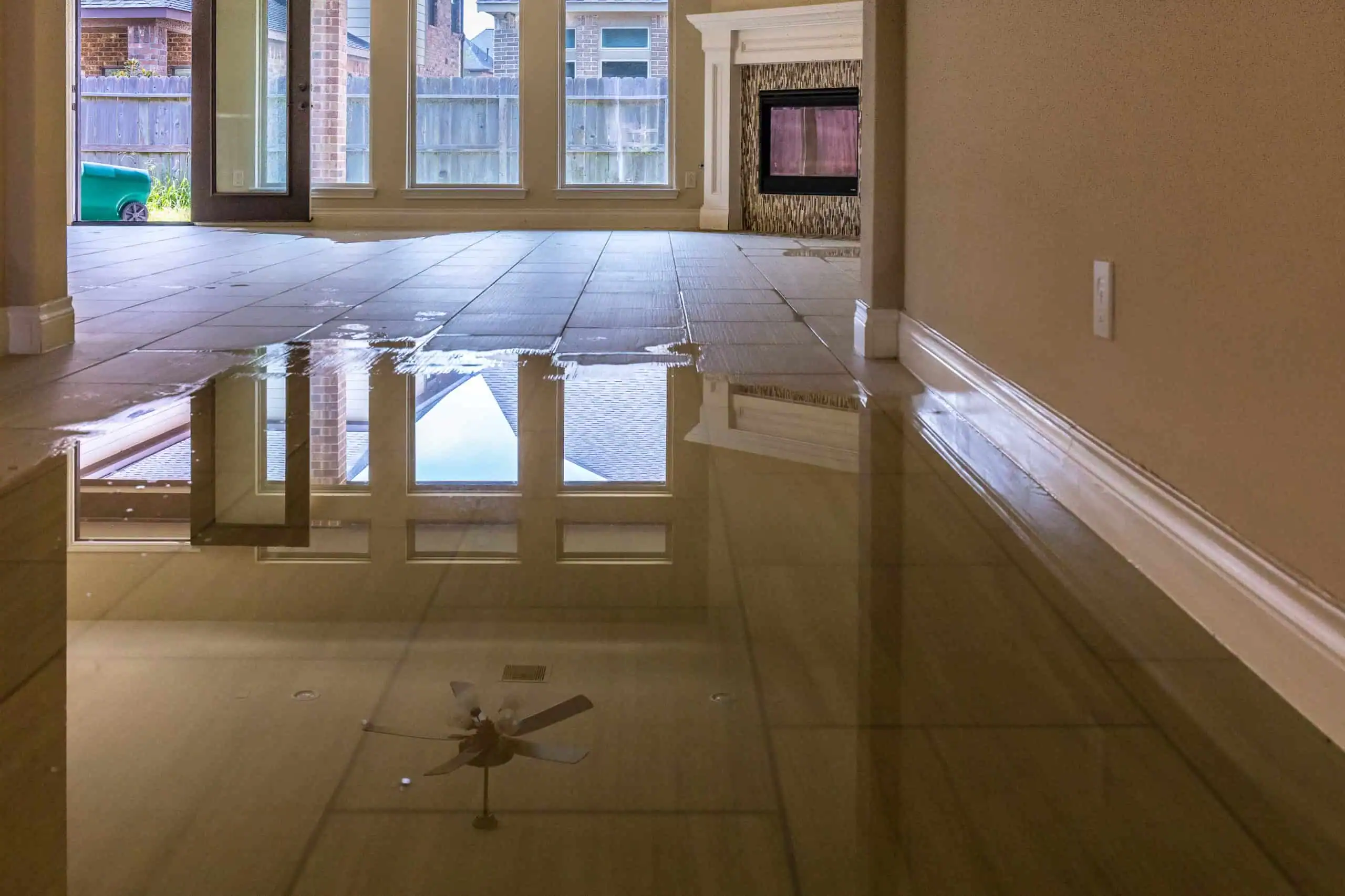
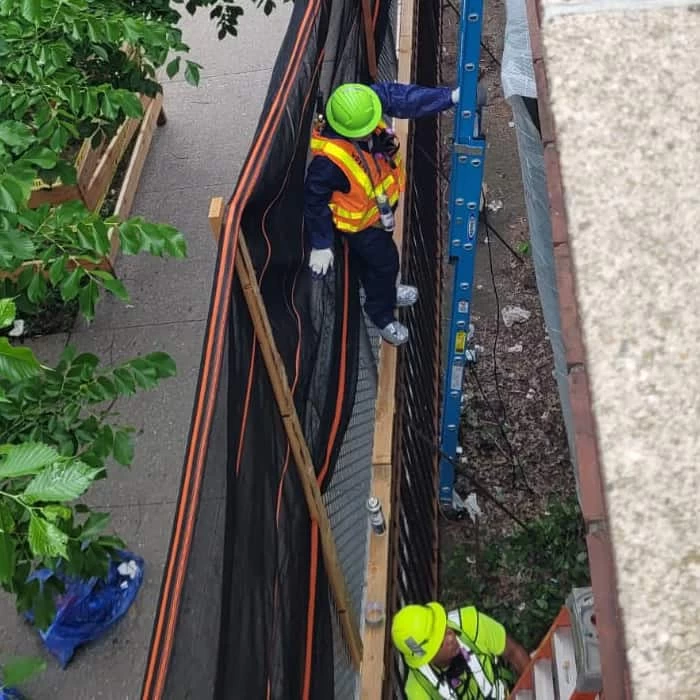
When Troublesome Brook floods your Greenville home, every hour of standing water is an hour closer to mold, structural damage, and a harder insurance claim. We’re on-site within 60 minutes — and we bill your insurance directly.
I needed a professional consultation explanation of procedure for safe removal of Asbestos in my apartment complex. Without having an account yet, I was very impressed with the caring, knowledgeable and generous advice offered by Jessica, and will look forward to doing business in the future. Thank you so much! I feel much more informed about a sometimes scary endeavor. Peace. Nancy Silva Mineola, NY.
Mia Munoz
Used this company to clean up some water flood in my house. They were fast and easy to work with.very professional, Would recommend to anyone!
Nini Valle
Great company, had a flood and they responded quickly and efficiently. Billed my insurance company directly. I highly recommend this company!
joe colapietro, jr
I had pipe freeze in my basement right before a snow storm and they made to within an hour to help start the clean up process. They we by our side throughout the entire process and even helped with the insurance company. They did such a great job with the cleanup, repair, remidiation, I contracted them to perform the repairs and finishes in the basement. They came with enough manpower and material to get the job done. Leo and Jessica were nothing but a pleasure to deal with!!
Cristian Arredondo c
I had some water damage in my home and Green Island was able to take care of my issue quickly and effectively. I am very pleased with the work they did. They responded quickly and were very professional.
Michael M
Outstanding service! From the office to the field crew everyone was friendly, helpful and responsive. I highly recommend Green Island Group.
There’s a difference between a home that looks dry and a home that actually is. In Greenville’s mid-century housing stock — finished basements, plaster walls, wood subfloors — water doesn’t stop at the surface. It moves into wall cavities, wicks under hardwood, and saturates insulation where no fan or shop vac will ever reach. What you can’t see is exactly where mold starts, and in a home approaching or exceeding $900,000 in value, that hidden moisture is the real threat.
Troublesome Brook has been flooding Greenville homes for over 60 years. The Town of Greenburgh has hired consultants, spent municipal funds on dredging and mitigation, and held public meetings about it — and the underlying problem remains unresolved. That means this isn’t a one-time event for your home. It’s a recurring risk that requires a restoration company that understands stormwater intrusion, not just burst pipes.
When we finish, you get industrial moisture readings, thermal imaging documentation, and a home that’s actually dry — with a full paper trail your insurance company can work from. In a community governed by Westchester County’s Flood History Disclosure Law, proper documentation of your restoration protects your property’s value and its future marketability.
Credentials That Matter in Greenville's Older Homes
We’ve been doing environmental restoration work across New York State for over 12 years and more than 5,000 completed projects. We hold IICRC Water Damage Certification, a NYS DOL Mold License, a NYS DOL Asbestos License, USEPA Lead Certification, USEPA RRP Certification, and are NYS and NYC M/WBE Certified — credentials that are government-audited, not self-declared.
That licensing stack matters specifically in Greenville. Most of the homes in this community were built before 1980, which means asbestos pipe insulation, lead paint, and asbestos-containing floor tiles are a real possibility the moment flood water starts disturbing walls and subfloors. Most restoration companies advertising in this area hold none of those environmental licenses. We hold all of them.
We’re fully insured — liability and workers’ compensation — and back every project with a 100% Satisfaction Guarantee. If your coverage has gaps or you’re dealing with a flood that your standard homeowners policy won’t touch, we offer financing up to $200,000 at 0% APR. No other provider serving Greenville offers that.
From Standing Water to Dry and Documented — Here's Our Process
The first call triggers a 60-minute on-site response. When we arrive, the priority is stopping any ongoing water source — whether that’s a burst supply line, a failed sump pump, or stormwater backing up from Troublesome Brook into your basement. Once the source is controlled, we deploy industrial water extraction equipment to remove standing water immediately. This is not a consumer-grade wet vac situation. The extraction equipment we use is the same class deployed on commercial and municipal projects.
After extraction, we use thermal imaging and industrial moisture meters to map every pocket of hidden saturation — inside walls, beneath subfloors, behind baseboards. This step is what separates a real remediation from a surface-level dry-out. In Greenville’s older homes, moisture routinely hides inside wall cavities for weeks before it shows up as a stain or a smell. The imaging catches it before it becomes a mold problem.
We run structural drying with commercial-grade air movers and dehumidifiers, calibrated to the specific moisture readings in your home. If the flood disturbed any pre-1980 materials — pipe insulation, floor tiles, drywall joint compound — we identify asbestos and lead risks before any demolition begins, because New York State requires licensed abatement for that work and we hold those licenses. Throughout the process, everything is documented for your insurance claim. We bill your carrier directly, so you’re not fronting costs while the claim processes.
Full Restoration — Water, Mold, Asbestos, and Reconstruction
Flood restoration in Greenville isn’t a single-service job. Depending on what the water touched and how long it sat, a complete recovery can involve water extraction and structural drying, mold testing and remediation, asbestos abatement, lead paint management, and full reconstruction of finished basement spaces. We handle every phase under one roof. No handoffs to separate contractors, no gaps in accountability, no coordination headaches while your home sits open.
The mold timeline is worth understanding clearly. Mold can begin colonizing wet porous materials — drywall, insulation, subfloor wood, carpet padding — within 24 hours of a water event. In a Greenville home with a finished basement and older construction, that window closes fast. Waiting for an insurance adjuster to schedule a visit before starting mitigation doesn’t just risk your health — most policies actually require prompt mitigation action, and delays can complicate your claim.
For homeowners dealing with Troublesome Brook backup or flash flooding events, the damage profile often includes sewage contamination from stormwater overflow — a category that requires a different remediation protocol than clean water intrusion. We assess water category on arrival and adjust the process accordingly. Every job is documented with before-and-after moisture readings, thermal images, and a full remediation report — the kind of documentation that satisfies insurance adjusters and, under Westchester County’s Flood History Disclosure Law, protects your position if you ever rent or sell the property.
Does homeowners insurance cover flooding from Troublesome Brook in Greenville?
Standard homeowners insurance policies typically do not cover flooding that originates from an external water source — which includes Troublesome Brook overflowing during a heavy rain event. That type of flood damage falls under a separate flood insurance policy, usually through the National Flood Insurance Program (NFIP) or a private flood carrier. If you don’t carry separate flood coverage, the restoration cost comes out of pocket.
This is a real issue in Greenville. The brook’s chronic overflow problem has been documented for decades, and many homeowners in the Edgemont area have experienced basement flooding more than once without flood insurance in place. If you’re in that situation, we offer financing up to $200,000 at 0% APR — which means you can start the remediation immediately without waiting to figure out the payment side. Delaying mitigation to sort out coverage is one of the most expensive decisions a homeowner can make, because mold doesn’t wait for paperwork.
How quickly does mold start growing after a basement flood in my home?
Mold can begin to colonize wet porous materials within 24 hours of a water event. That’s the technical standard recognized by the IICRC, the restoration industry’s primary certification body. The materials most vulnerable in a typical Greenville home are drywall, insulation, wood subfloor, carpet padding, and any wood framing that stayed wet. Once mold establishes in a wall cavity or beneath a subfloor, the remediation becomes significantly more involved and expensive.
The 24-hour window is why our 60-minute on-site response matters. The faster extraction and drying begin, the more likely you are to stay below the threshold where mold takes hold. In Greenville’s mid-century homes — many with finished basements that were renovated in the 1980s and 1990s — there’s often a lot of porous material in contact with water during a flood event. Getting industrial drying equipment running the same day is the difference between a water damage job and a water-plus-mold job.
My Greenville home was built in the 1960s — should I be worried about asbestos during flood restoration?
Yes, and this is one of the most overlooked risks in flood restoration for older homes. Homes built before 1980 — which describes a large portion of Greenville’s housing stock — commonly contain asbestos in pipe insulation, floor tiles (especially 9×9 vinyl tiles), drywall joint compound, ceiling texture, and roof materials. When a flood event disturbs these materials through water damage, demolition, or drying work, asbestos fibers can become airborne.
New York State requires a NYS DOL Asbestos License for any contractor performing asbestos abatement. We hold that license. Most restoration companies advertising in the Greenville and Greenburgh area do not. If you hire an unlicensed contractor who removes or disturbs asbestos-containing materials during a flood remediation, you’re creating a health hazard and a potential legal liability. Before any demolition work begins in a pre-1980 home, the right move is to have suspect materials tested or treated as presumed positive and handled by a licensed abatement contractor — which is exactly how we approach every job in this community.
What's the difference between water extraction and structural drying — and do I need both?
Water extraction removes the standing water you can see — the water on your basement floor, in your utility room, pooled against your foundation wall. It’s fast, and it’s the first step. But extraction alone doesn’t dry a home. After the visible water is gone, moisture remains trapped inside wall cavities, beneath subfloors, inside insulation, and within the structural framing itself. That’s where structural drying comes in.
Structural drying uses commercial-grade air movers and dehumidifiers, positioned based on moisture meter readings and thermal imaging data, to pull moisture out of building materials over a period of days. The equipment is calibrated to the specific conditions in your home — the size of the space, the type of materials, the ambient temperature and humidity. In Greenville, where spring flooding from Troublesome Brook or snowmelt can saturate a finished basement deeply, skipping structural drying and relying on extraction alone almost guarantees a mold problem within weeks. Both steps are necessary, and both are part of every restoration job we do.
How does the insurance billing process work, and what do I actually have to pay upfront?
We bill your insurance company directly. You don’t write a check before work begins, and you’re not expected to front the cost and wait for reimbursement. We document everything throughout the job — moisture readings, thermal images, before-and-after photos, a full remediation report — and that documentation goes directly to your adjuster. It’s the same format insurance companies expect and work with.
Your out-of-pocket obligation depends on your specific policy. If you carry a standard homeowners policy and the damage was caused by a covered event — like a burst pipe or an appliance failure — your deductible is typically your only cost. If the damage came from external flooding and you don’t carry separate flood insurance, the full cost may fall to you, which is where the financing option becomes relevant. Either way, the process starts the same: we arrive, assess, document, and begin mitigation immediately — because waiting for billing questions to be resolved before starting work is exactly how a manageable remediation turns into a major one.
Does Greenville's location in the Town of Greenburgh affect what permits or approvals are needed for restoration work?
Greenville is an unincorporated community — there’s no village government here. That means all building permits, contractor oversight, and flood-related regulations flow through the Town of Greenburgh directly. Greenburgh has a codified Flood Damage Prevention ordinance that governs construction and substantial improvements in designated flood hazard areas, including minimum floor elevation requirements and drainage path standards. If your restoration involves structural work that qualifies as a “substantial improvement” under that ordinance, it needs to comply with current flood damage prevention standards — not just be rebuilt the way it was.
For most standard flood remediation jobs — extraction, drying, mold remediation, and material replacement — permits are typically not required. But if the damage is extensive enough to require structural reconstruction, or if your home sits in a designated flood zone, Greenburgh’s requirements come into play. We’re familiar with how Greenburgh’s permitting process works and can help you understand what approvals apply to your specific situation before work begins. The last thing you want is to complete a restoration and find out later that a permit was required and wasn’t pulled.