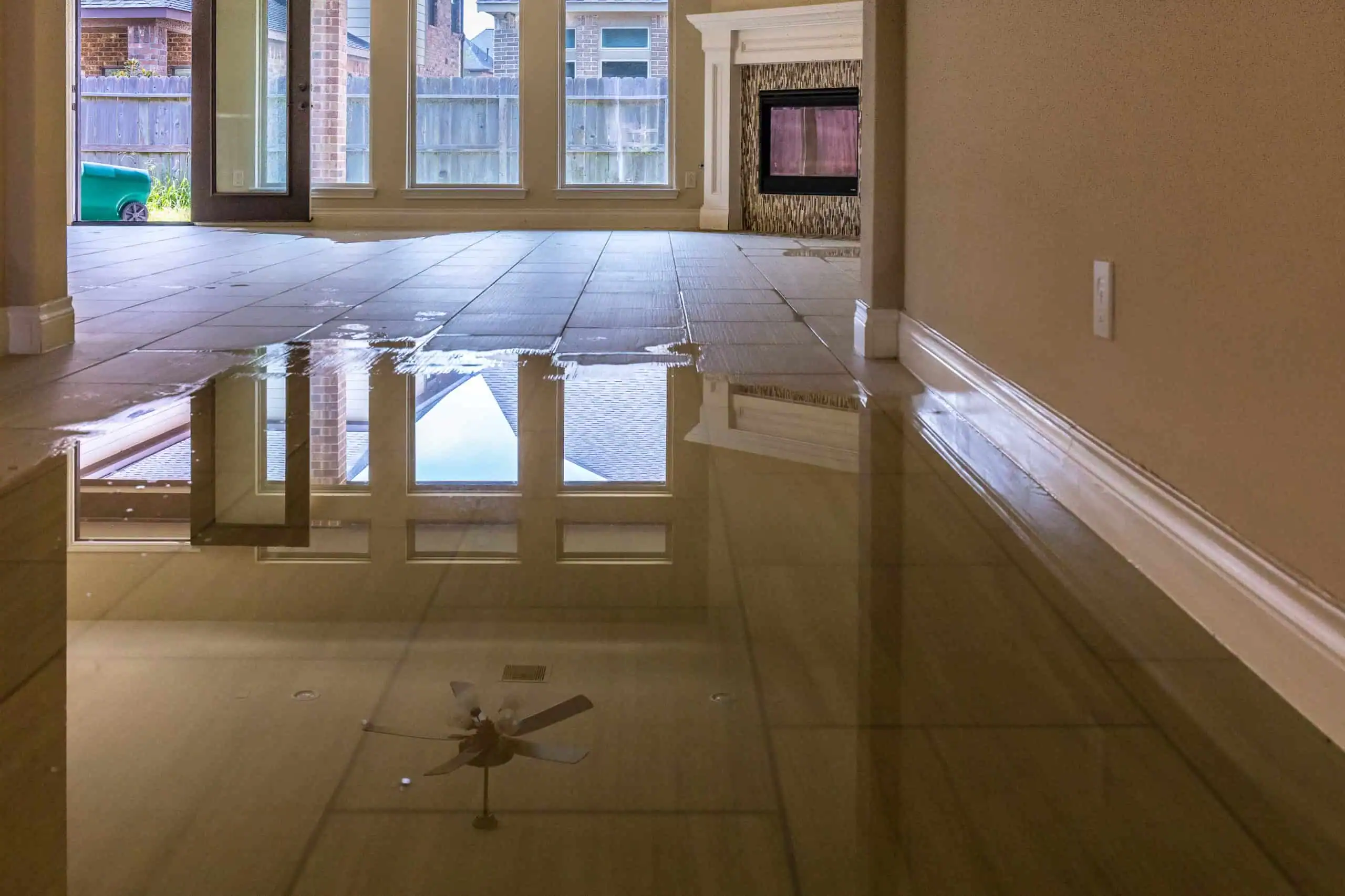
When the Bronx River Backs Up, You Need Someone There Now
We respond to flood damage in Hartsdale within 60 minutes — licensed for mold, asbestos, and full restoration, with direct insurance billing so you’re not left holding the bill.
I needed a professional consultation explanation of procedure for safe removal of Asbestos in my apartment complex. Without having an account yet, I was very impressed with the caring, knowledgeable and generous advice offered by Jessica, and will look forward to doing business in the future. Thank you so much! I feel much more informed about a sometimes scary endeavor. Peace. Nancy Silva Mineola, NY.
Mia Munoz
Used this company to clean up some water flood in my house. They were fast and easy to work with.very professional, Would recommend to anyone!
Nini Valle
Great company, had a flood and they responded quickly and efficiently. Billed my insurance company directly. I highly recommend this company!
joe colapietro, jr
I had pipe freeze in my basement right before a snow storm and they made to within an hour to help start the clean up process. They we by our side throughout the entire process and even helped with the insurance company. They did such a great job with the cleanup, repair, remidiation, I contracted them to perform the repairs and finishes in the basement. They came with enough manpower and material to get the job done. Leo and Jessica were nothing but a pleasure to deal with!!
Cristian Arredondo c
I had some water damage in my home and Green Island was able to take care of my issue quickly and effectively. I am very pleased with the work they did. They responded quickly and were very professional.
Michael M
Outstanding service! From the office to the field crew everyone was friendly, helpful and responsive. I highly recommend Green Island Group.
Mold doesn’t wait for a convenient time. Once water gets into your walls, floors, or insulation, colonization can begin in as little as 24 hours. For a homeowner in Hartsdale who leaves for Grand Central at 7 AM and gets back at 7 PM, that window is already closing by the time you walk in the door. The faster the water comes out and the drying starts, the less you’re dealing with later.
Hartsdale’s housing stock makes this especially important. Most homes here were built between 1880 and 1960 — which means older materials, tighter wall cavities, and a real probability of asbestos or lead paint behind the drywall. When those materials get wet and disturbed without the right licensing, it’s not just a water damage problem anymore. It becomes a health and liability issue that a standard restoration crew isn’t equipped to handle legally or safely.
What you get at the end of this process is a home that’s dry, tested, and fully restored — not patched over. No lingering moisture readings in the walls. No mold smell six weeks later. No contractor telling you they “got most of it.” The work is complete, documented, and backed by our 100% Satisfaction Guarantee.
We’ve been handling environmental restoration across New York for over 12 years, with more than 5,000 completed projects. That’s not a number pulled from a brochure — it’s the kind of volume that means we’ve seen every variation of basement flooding, every insurance dispute, and every older-home complication that comes with working in Westchester County.
We know Hartsdale specifically. We know what a pre-war Colonial in Manor Park looks like when the Bronx River backs up the storm drains. We know what the Town of Greenburgh requires for building permits on structural repairs. We hold the NYS DOL Mold License, the NYS DOL Asbestos License, and the USEPA Lead/RRP certification — which means we’re one of the only contractors in this market who can legally handle the full scope of what a flooded older Hartsdale home actually needs.
We’re also NYS and NYC M/WBE Certified and work with the NYS Office of General Services. That level of government accountability doesn’t happen by accident — it’s built over years of doing the work correctly.
From the First Call to a Fully Restored Home — Here's What Happens
When you call, we’re moving. Our team targets on-site arrival within 60 minutes anywhere in Hartsdale — whether you’re in Windsor Park, College Corners, or right off Central Avenue near the Bronx River Parkway corridor. The first thing we do is assess the full scope of the damage, including moisture readings inside walls and under floors that you can’t see with the naked eye. We document everything from the start, which matters enormously when your insurance claim is being reviewed.
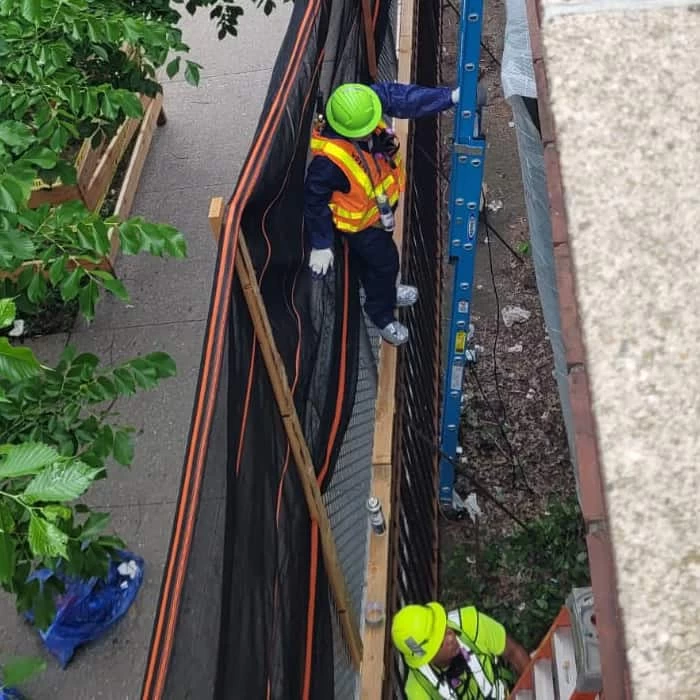
From there, we begin water extraction and industrial drying. This isn’t a fan-and-dehumidifier situation — it’s calibrated equipment designed to pull moisture out of structural cavities before mold has a chance to take hold. If your home was built before 1980, we test for asbestos and lead before any materials are disturbed. That step is not optional in New York State — it’s the law, and skipping it exposes you to real risk. We handle the testing, the abatement notification to the DEC if needed, and the remediation under one roof.
Once the structure is dry and clear, we move into reconstruction — drywall, flooring, framing, finishing. We pull the necessary permits from the Town of Greenburgh, coordinate the inspections, and see the job through to completion. You don’t manage three contractors. You make one call.
What's Actually Included When You Call Green Island Group
Flood restoration in Hartsdale isn’t a single service — it’s a sequence of specialized work that requires the right licenses at every stage. We cover the entire sequence. Emergency water extraction and structural drying come first. Then moisture mapping, mold assessment, and mold remediation under the NYS DOL Mold License. If asbestos-containing materials are present — floor tiles, pipe insulation, ceiling texture, or joint compound common in homes built along the West Hartsdale Avenue corridor before 1960 — we handle licensed abatement and the required DEC notification. Lead paint disturbance during reconstruction is managed under our USEPA Lead/RRP certification.
Sewage backup is a separate category that many companies don’t handle properly. If your basement flooded from a backed-up drain or a combined sewer overflow — which is a real risk in Greenburgh’s aging stormwater infrastructure — that’s Category 3 water, also called black water. It requires full containment, PPE, antimicrobial treatment, and proper disposal. We’re equipped for it.
On the financial side, we bill your insurance directly and handle adjuster communication from day one. If your policy doesn’t cover the full scope — or if you don’t carry separate flood insurance, which standard homeowner’s policies often exclude — we offer financing up to $200,000 at 0% APR. No competitor in this market offers that. Your home gets restored on your timeline, not your insurer’s.
Does homeowner's insurance cover basement flooding in Hartsdale, NY?
This is one of the most common and most frustrating surprises homeowners face after a flood. Standard homeowner’s insurance policies typically do not cover flooding caused by external water sources — which includes the Bronx River overflowing, stormwater backing up through street drains, or surface water entering your basement during a heavy rain event like Tropical Storm Ida. That type of damage falls under flood insurance, which is a separate policy issued through the National Flood Insurance Program or a private carrier.
What standard homeowner’s insurance usually does cover is sudden and accidental internal water damage — a burst pipe, a failed water heater, an appliance leak. The distinction matters because many Hartsdale homeowners assume they’re covered until they’re standing in a wet basement filing a claim. If you’re unsure what your policy covers, pull it out before you need it. And if you find out you’re not covered, our 0% APR financing up to $200,000 means the restoration still moves forward without waiting on a policy dispute.
How fast does mold actually start growing after a flood?
Mold can begin to colonize wet materials in as little as 24 to 48 hours after a moisture event — and in a home with older construction materials, that timeline can feel even shorter. Hartsdale’s housing stock, much of it built between the 1920s and 1950s, includes materials like wood lath, horsehair plaster, and older cellulose insulation that absorb water quickly and hold it longer than modern construction. Once mold gets into those materials, you’re no longer dealing with a drying job — you’re dealing with remediation, which is more involved and more expensive.
The practical implication for a Hartsdale commuter is this: if you leave for work in the morning and come home to a flooded basement, the damage has been sitting for hours. The faster you call, the more of that 24-hour window is still on your side. Our 60-minute response time exists precisely for this scenario — to get industrial drying equipment running before mold has a foothold, not after.
What makes flood damage in older Hartsdale homes more complicated to restore?
Age is the main factor. Homes built before 1980 — which describes the majority of Hartsdale’s residential housing stock — were constructed with materials that are now known to contain asbestos or lead. Floor tiles, pipe insulation, ceiling texture, and drywall joint compound are the most common sources of asbestos in pre-1980 homes. Lead paint is present on woodwork and walls in homes built before 1978. When flood water saturates these materials, they become fragile and friable — meaning they can release fibers or dust when disturbed.
New York State law requires that any contractor performing mold remediation hold a NYS DOL Mold License, and that asbestos abatement be performed by a licensed contractor with proper DEC notification filed at least seven days before work begins. A contractor who doesn’t hold these licenses cannot legally or safely perform the full scope of restoration work in an older Hartsdale home. We hold all of these credentials — which is why homeowners in neighborhoods like Manor Park, Poet’s Corner, and College Corners call us when they want the job done right and done legally.
How long does flood restoration typically take from start to finish?
The honest answer is that it depends on the severity of the water intrusion and what’s found during the assessment. A straightforward basement flooding event with no structural damage, no mold, and no hazardous materials can be dried out and restored in three to seven days. A more significant event — where water has been sitting for an extended period, where mold has already taken hold, or where asbestos abatement is required — can extend the timeline to two to four weeks.
In Hartsdale specifically, the Town of Greenburgh requires building permits for structural repairs, which adds a step that some homeowners don’t anticipate. We handle the permit application and inspection coordination as part of the job — you don’t have to navigate Greenburgh Town Hall on top of everything else. We also document the full scope of work for your insurance claim throughout the process, which helps prevent delays caused by incomplete documentation when the adjuster reviews the file.
What's the difference between water mitigation and full flood restoration?
Water mitigation is the emergency phase — extraction, drying, and preventing further damage. It’s what happens in the first 24 to 72 hours after a flood event. Full restoration is everything that comes after: mold remediation, hazardous material abatement if needed, structural repairs, and finishing work that returns your home to its pre-loss condition. Some companies only do one or the other, which means you end up coordinating multiple contractors during an already stressful situation.
We handle both under one roof. That matters for a few reasons. First, continuity — the team that assessed the damage and documented it for your insurance claim is the same team overseeing the reconstruction. There’s no handoff gap where details get lost. Second, accountability — one company is responsible for the full outcome, not three separate contractors pointing at each other when something isn’t right. For homeowners in Hartsdale managing a commute and a family, that single point of contact is genuinely valuable, not just a marketing point.
Why does the Bronx River Parkway area in Hartsdale flood so often?
The Bronx River Parkway was built on fill along the river, which altered the natural drainage patterns of the corridor. Combined with the age of Westchester County’s stormwater infrastructure and the significant amount of impervious surface — roads, parking lots, rooftops — that now lines the watershed, the system simply can’t handle what modern rainfall events deliver. During intense storms, the river rises faster than the drainage network can accommodate, and water backs up into streets, drains, and basements in the surrounding neighborhoods.
Greenburgh has been part of ongoing intermunicipal watershed planning efforts specifically because this is a recognized, documented infrastructure problem — not a fluke. For homeowners in Hartsdale who live near the Bronx River Parkway corridor or in low-lying areas between Central Avenue and the river, this is a recurring reality, not a one-time event. Having a restoration company that understands the local geography and responds within 60 minutes — rather than one learning about your neighborhood from a zip code — makes a real difference when the water starts rising.