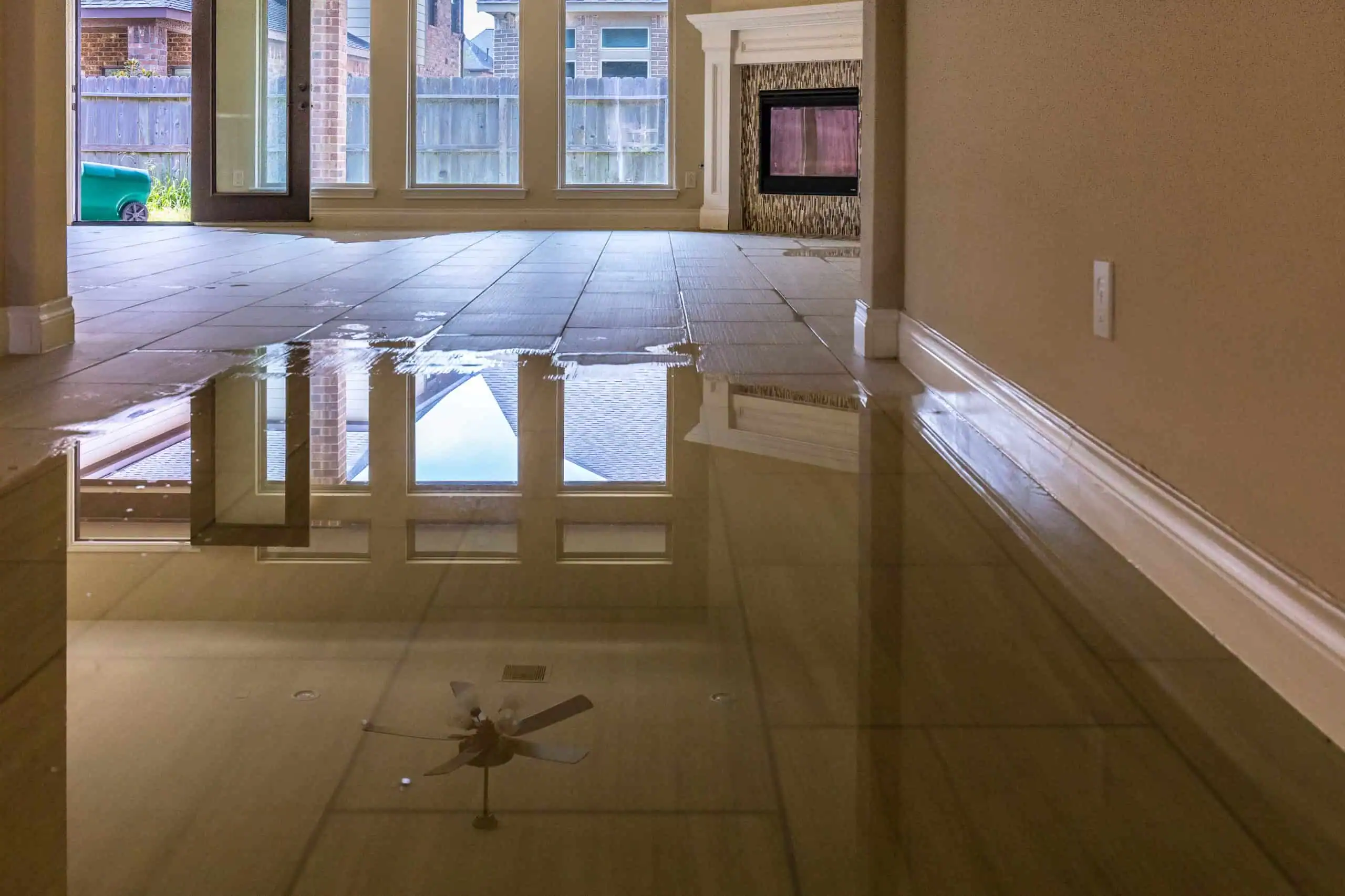
When the Hudson Rises, Your Hastings Home Can't Wait
Hastings-on-Hudson sits on a tidal estuary — and when storm surge and river flow combine, the damage inside your walls starts long before the water is gone. We’re on-site in 60 minutes, handle your insurance directly, and are licensed for everything your older home might be hiding.
I needed a professional consultation explanation of procedure for safe removal of Asbestos in my apartment complex. Without having an account yet, I was very impressed with the caring, knowledgeable and generous advice offered by Jessica, and will look forward to doing business in the future. Thank you so much! I feel much more informed about a sometimes scary endeavor. Peace. Nancy Silva Mineola, NY.
Mia Munoz
Used this company to clean up some water flood in my house. They were fast and easy to work with.very professional, Would recommend to anyone!
Nini Valle
Great company, had a flood and they responded quickly and efficiently. Billed my insurance company directly. I highly recommend this company!
joe colapietro, jr
I had pipe freeze in my basement right before a snow storm and they made to within an hour to help start the clean up process. They we by our side throughout the entire process and even helped with the insurance company. They did such a great job with the cleanup, repair, remidiation, I contracted them to perform the repairs and finishes in the basement. They came with enough manpower and material to get the job done. Leo and Jessica were nothing but a pleasure to deal with!!
Cristian Arredondo c
I had some water damage in my home and Green Island was able to take care of my issue quickly and effectively. I am very pleased with the work they did. They responded quickly and were very professional.
Michael M
Outstanding service! From the office to the field crew everyone was friendly, helpful and responsive. I highly recommend Green Island Group.
The visible water is the easy part. What actually costs Hastings-on-Hudson homeowners the most is what gets left behind — moisture locked inside original plaster walls, under century-old hardwood floors, and behind stone foundations that absorb water differently than modern construction. By the time you can smell it, mold has already had a head start. And in a home worth $865,000 or more, that hidden damage doesn’t just affect your health — it affects your property value, your insurance claim, and how long you’re living out of a disrupted house.
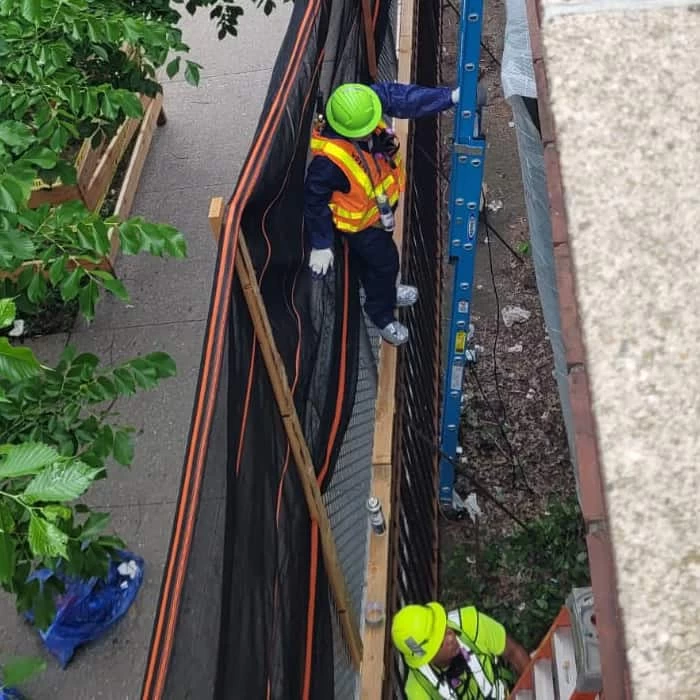
Hastings-on-Hudson’s housing stock adds a layer most restoration companies aren’t equipped for. Victorian-era homes, prewar Tudors, and riverfront Cape Cods often contain asbestos in floor tiles, pipe insulation, and plaster — and lead paint in original woodwork. A flood that disturbs those materials isn’t just a water damage job anymore. It’s a hazardous materials situation that requires specific state licensing to handle legally. We hold the NYS DOL Mold License, the NYS DOL Asbestos License, and the USEPA Lead/RRP Certification — the full stack, not just one or two.
The tidal estuary dynamics of the Hudson mean flooding in Hastings-on-Hudson is driven by both storm surge and river flow simultaneously. That’s a different beast than a burst pipe or a backed-up sump pump. It means water enters faster, penetrates deeper, and qualifies as Category 3 Black Water — the most hazardous and most expensive category to remediate. Getting it right the first time isn’t just about comfort. It’s about protecting a significant financial asset in a community where proper restoration is the only acceptable outcome.
We’ve been doing environmental restoration work across Westchester, Rockland, and Putnam counties for over 12 years, with more than 5,000 completed projects across New York State. We hold NYS and NYC M/WBE Certifications — government-audited credentials, not self-declared — and work directly with the NYS Office of General Services. That’s not a marketing line. It means the state of New York has independently vetted and approved us for public infrastructure work.
For Hastings-on-Hudson specifically, that licensing depth matters more than almost anywhere else in the county. The village commissioned its own Shoreline Protection Analysis in 2023 and was awarded $2.5 million in NYS Green Resiliency Grant funding in 2024 to address persistent residential flooding. The municipal record here is clear: this isn’t occasional weather. It’s a documented, recurring flood risk. When Tropical Storm Ida overwhelmed drainage throughout Hastings-on-Hudson in September 2021 — flooding the DPW facility, sending a mudslide from Sugar Pond into Chemka Pool, and caving a sidewalk near the train station — it confirmed what many residents already knew.
We respond 24 hours a day, 7 days a week, bill insurance directly with zero upfront cost to you, and back every job with a 100% Satisfaction Guarantee. We carry full liability and Workers’ Compensation insurance, so there’s no exposure on your end.
From First Call to Fully Restored — No Gaps, No Handoffs
When you call, the clock starts. We commit to being on-site within 60 minutes — not “as soon as possible,” not “within the day.” That window matters in Hastings-on-Hudson because mold can begin developing within 24 hours of a flood event, and in a home with original hardwood floors and plaster walls, moisture doesn’t just sit on the surface. It moves.
The first step on-site is a full damage assessment using industrial moisture detection equipment and thermal imaging. This isn’t a visual walkthrough — it’s a technical read of what’s happening inside your walls, under your floors, and behind your plaster that eyes alone can’t catch. If there’s any indication of asbestos-containing materials or lead paint disturbed by the flood — common in Hastings homes built before 1980 — our team is already licensed and equipped to handle it. No stopping work to call in a separate subcontractor. No delays waiting for a licensed abatement crew to arrive.
From there, industrial-grade water extraction removes standing water, and commercial drying equipment is positioned to dry the structure from the inside out. The process follows IICRC S500 standards — the industry benchmark that insurance companies and legal proceedings both recognize. Throughout the job, we document everything for your claim, communicate directly with your adjuster, and manage the paperwork so you don’t have to. Once the structure is dry and any hazardous materials are properly remediated, reconstruction and finishing bring the space back to pre-loss condition. One company, one invoice, one point of contact from start to finish. If your property sits in one of the village’s designated flood zones near the Warburton Avenue corridor or the lower riverfront areas, permit requirements under Hastings-on-Hudson’s Chapter 146 Flood Damage Prevention code may apply — and as a licensed NYS General Contractor, we handle those filings as part of the job.
Every License the Job Actually Requires — All Under One Roof
Flood restoration in Hastings-on-Hudson isn’t a one-license job. The combination of tidal estuary flooding, pre-war housing stock, and the village’s documented history of recurring residential flood damage creates a remediation profile that most contractors — including national franchise operators — simply aren’t equipped to handle in full. We cover the complete scope: 24/7 emergency response, industrial water extraction, advanced moisture detection and thermal imaging, structural drying, mold prevention and remediation, asbestos abatement, lead-safe work practices, content restoration, structural repairs, and full reconstruction.
The NYS DOL Mold License is a legal requirement in New York State — not optional, not a nice-to-have. Any contractor performing mold remediation without it is operating illegally. The NYS DOL Asbestos License requires filing notifications with the Department of Environmental Protection before work begins. The USEPA Lead/RRP Certification governs safe work practices around lead paint in pre-1978 homes. We hold all three. For a Hastings homeowner with a Victorian or prewar property, that trifecta is the difference between a properly remediated home and a liability.
On the financial side, there’s no upfront cost. We bill insurance directly and work with both standard homeowners policies and NFIP flood policies — relevant here because Hastings-on-Hudson participates in FEMA’s National Flood Insurance Program and maintains its own flood maps page. For situations where insurance doesn’t cover the full scope — common with tidal and storm surge flooding — we offer financing up to $200,000 at 0% APR. No other restoration company serving Hastings-on-Hudson offers that.
Does homeowners insurance cover tidal flooding damage in Hastings-on-Hudson?
Standard homeowners insurance typically does not cover tidal flooding or storm surge — which are the primary flood mechanisms in Hastings-on-Hudson, given its location on the Hudson River tidal estuary. For that type of coverage, you need a separate flood insurance policy, either through FEMA’s National Flood Insurance Program or a private flood insurer. The village participates in the NFIP and maintains its own flood maps page with FEMA, NOAA, and USGS resources, so it’s worth checking whether your property sits in a designated flood zone.
If you have both a standard homeowners policy and a separate flood policy, navigating two claims simultaneously can get complicated fast. We manage both — we document the damage, communicate directly with your adjusters, and handle the paperwork for both policies so you’re not caught in the middle. For homeowners without flood coverage, we offer financing up to $200,000 at 0% APR to cover the full restoration cost out of pocket.
How quickly does mold start growing after a basement flood?
Mold can begin developing within 24 hours of a flood event. Visible patches can appear within 24 to 48 hours — and by that point, spores are already spreading through the air in your home. The reason the timeline matters so much in Hastings-on-Hudson specifically is the housing stock. Original hardwood floors, plaster walls, and stone foundations absorb and retain moisture far longer than modern drywall and concrete. That extended moisture retention gives mold a longer window to establish itself, even after the visible water is gone.
The real risk isn’t what you can see — it’s what’s happening inside wall cavities, under subfloors, and behind original plaster that looks dry on the surface. We use thermal imaging and industrial moisture detection equipment to find that hidden moisture before it becomes a mold problem. The 60-minute on-site response guarantee exists precisely because of this timeline. Every hour of delay after a flood event narrows the window between a proper restoration and a mold remediation job on top of a water damage job.
My Hastings-on-Hudson home was built in the early 1900s — should I be worried about asbestos during flood restoration?
Yes, and it’s worth taking seriously. Homes built before 1980 — which covers a significant portion of Hastings-on-Hudson’s Victorian, Tudor, and prewar housing stock — commonly contain asbestos in floor tiles, pipe insulation, textured ceilings, and plaster. Lead paint is also common in original woodwork and window trim in homes of that era. A flood that disturbs those materials creates a hazardous situation that goes well beyond standard water damage.
In New York State, asbestos abatement must be performed by a licensed contractor who files notifications with the Department of Environmental Protection before work begins. Mold remediation requires a separate NYS DOL Mold License. Most restoration companies — including many national franchises operating in Westchester County — hold only one of these licenses, or none. We hold the NYS DOL Asbestos License, the NYS DOL Mold License, and the USEPA Lead/RRP Certification. If your home has any of these materials, you need a contractor who can legally and safely handle all of them — not one who has to stop work and call someone else when they find something unexpected.
How long does flood restoration typically take for a home in Westchester County?
The honest answer is that it depends on the category of water damage, the size of the affected area, and the construction of the home. For a standard basement flood from a sump pump failure or heavy rain, structural drying alone typically takes three to five days using commercial equipment. For Category 3 Black Water flooding — which is what you’re dealing with when the Hudson River or storm surge is involved — the process takes longer because the water is contaminated, the remediation protocol is more intensive, and the drying timeline for older materials like plaster and original hardwood is extended compared to modern construction.
In Hastings-on-Hudson, where many homes have stone foundations and century-old building materials, it’s realistic to plan for one to two weeks for the remediation and drying phase, with reconstruction time on top of that depending on the scope of structural damage. We’ll give you a clear timeline after the initial moisture assessment — not a vague estimate, but a specific projection based on what our equipment actually reads in your home. We also coordinate directly with your insurance adjuster throughout the process so the claim timeline doesn’t hold up the restoration.
What's the difference between water damage categories, and why does it matter for my claim?
Water damage is classified into three categories based on contamination level, and the category directly affects your remediation protocol, your timeline, and what your insurance company will cover. Category 1 is clean water — a burst supply pipe or an overflowing sink. Category 2, or gray water, involves some contamination — a backed-up washing machine or a sump pump overflow. Category 3, known as Black Water, is the most serious — it includes sewage backups, groundwater intrusion, and river or tidal flooding. Any flood event connected to the Hudson River or storm surge in Hastings-on-Hudson is automatically Category 3.
This matters for your claim because insurance companies use the damage category to determine the scope of required remediation. Category 3 events require full decontamination of all affected surfaces, not just drying. Porous materials — insulation, carpet, certain types of flooring — typically must be removed and replaced rather than dried in place. We document the damage category from the first assessment and communicate that clearly to your adjuster, so there are no disputes about scope later in the claims process. Getting the category right at the start protects you from underpayment on a claim.
Can flood restoration work be done while my family is still living in the house?
It depends on the extent of the damage and whether hazardous materials are involved. For smaller, contained flood events — a single room, a finished basement with no structural involvement — it’s often possible to continue living in unaffected parts of the home during the drying phase. The equipment runs continuously, it’s loud, and the air circulation changes, but it’s manageable for most families.
For larger events, or any job that involves mold remediation, asbestos abatement, or lead-safe work practices, temporary relocation is typically required for the affected areas at minimum — and sometimes for the full home, depending on where the hazardous materials are located. In Hastings-on-Hudson, where older homes can have asbestos in floor tiles or pipe insulation throughout the structure, this is a real consideration. We’ll walk you through what’s realistic after the initial assessment — we won’t push you out of your home unnecessarily, but we also won’t cut corners on safety protocol to keep you comfortable in the short term. If relocation is needed, we can document that recommendation for your insurance company, which may cover additional living expenses during the remediation period under your policy.