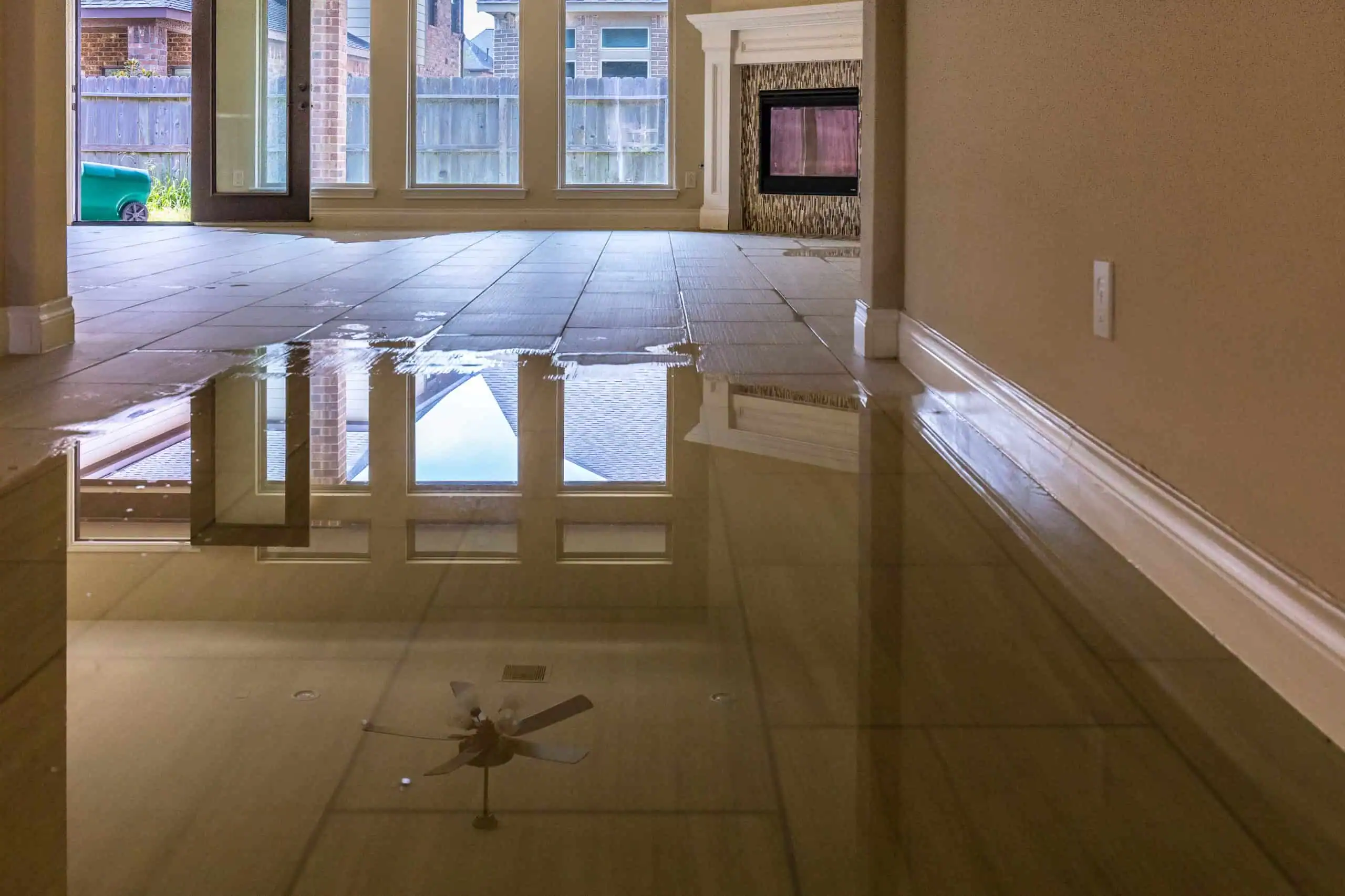
When the Saw Mill Corridor Floods, Every Minute Counts
Hawthorne basements don’t flood slowly — and when yours goes under, you need someone on-site fast. We arrive within 60 minutes, bill your insurance directly, and handle everything from water extraction to full restoration.
I needed a professional consultation explanation of procedure for safe removal of Asbestos in my apartment complex. Without having an account yet, I was very impressed with the caring, knowledgeable and generous advice offered by Jessica, and will look forward to doing business in the future. Thank you so much! I feel much more informed about a sometimes scary endeavor. Peace. Nancy Silva Mineola, NY.
Mia Munoz
Used this company to clean up some water flood in my house. They were fast and easy to work with.very professional, Would recommend to anyone!
Nini Valle
Great company, had a flood and they responded quickly and efficiently. Billed my insurance company directly. I highly recommend this company!
joe colapietro, jr
I had pipe freeze in my basement right before a snow storm and they made to within an hour to help start the clean up process. They we by our side throughout the entire process and even helped with the insurance company. They did such a great job with the cleanup, repair, remidiation, I contracted them to perform the repairs and finishes in the basement. They came with enough manpower and material to get the job done. Leo and Jessica were nothing but a pleasure to deal with!!
Cristian Arredondo c
I had some water damage in my home and Green Island was able to take care of my issue quickly and effectively. I am very pleased with the work they did. They responded quickly and were very professional.
Michael M
Outstanding service! From the office to the field crew everyone was friendly, helpful and responsive. I highly recommend Green Island Group.
There’s a difference between a company that pulls water out and one that actually restores your home. Extraction is step one. What comes after — structural drying, hidden moisture mapping, mold prevention, and repairs — is where most homeowners get left behind by the wrong contractor. When the job is done right, you’re not just looking at dry floors. You’re looking at walls that are sound, air that’s clean, and a home that’s safe for your family.
Hawthorne’s flooding isn’t random. The hamlet sits directly in the Saw Mill River watershed, and when a summer storm hits hard and fast — the kind ABC7 covered when water ran down bike trails and dog paths straight into basements and garages across Hawthorne — there’s no slow build. It’s immediate. That rapid-onset flooding is exactly why hidden moisture in wall cavities and subfloors is such a problem here. Water gets in fast, spreads fast, and if it’s not fully extracted and dried, mold follows within 24 hours.
For homes built before 1980 — and Hawthorne has plenty of them, Cape Cods and Colonials that have been on these streets for decades — a flood event isn’t just a water problem. Saturated walls in an older home can mean disturbed asbestos in floor tiles or pipe insulation, and lead paint in the walls you’re about to tear into. Getting that handled incorrectly creates a health risk that outlasts the flood itself. Getting it handled correctly means your home comes out cleaner, safer, and fully restored — not just surface-level dry.
Licensed and Credentialed for Hawthorne's Older Housing Stock
We’ve been doing environmental restoration work across Westchester County for over 12 years and completed more than 5,000 projects. That volume only comes from doing the work correctly, repeatedly, across the full range of what flood damage actually looks like in homes like those throughout Hawthorne.
Our credentials go beyond a general contractor’s license. We hold NYS DOL Mold and Asbestos licenses, USEPA Lead and RRP certifications, IICRC Water Damage certification, and NYS and NYC M/WBE certification — the latter being a government-audited designation, not self-declared. We also work with the NYS Office of General Services, which means we’ve been vetted at the same level as state government contractors. For a Hawthorne homeowner dealing with a flooded mid-century Colonial near the Saw Mill River Parkway corridor, that combination of licenses isn’t just impressive — it’s the difference between a contractor who can legally and safely handle what’s inside your walls and one who can’t.
Every job is backed by a 100% Satisfaction Guarantee, full liability insurance, and Workers’ Compensation coverage.
From First Call to Fully Restored — Here's the Process
When you call, the clock starts. We commit to being on-site within 60 minutes — not a window, not an estimate, a commitment. That matters in Hawthorne because the flooding events that hit this hamlet don’t give you time to shop around. The first thing our crew does on arrival is assess the full scope of what you’re dealing with: visible water, yes, but also hidden saturation in wall cavities, under flooring, and inside structural framing using thermal imaging and moisture detection equipment. You can’t dry what you haven’t found.
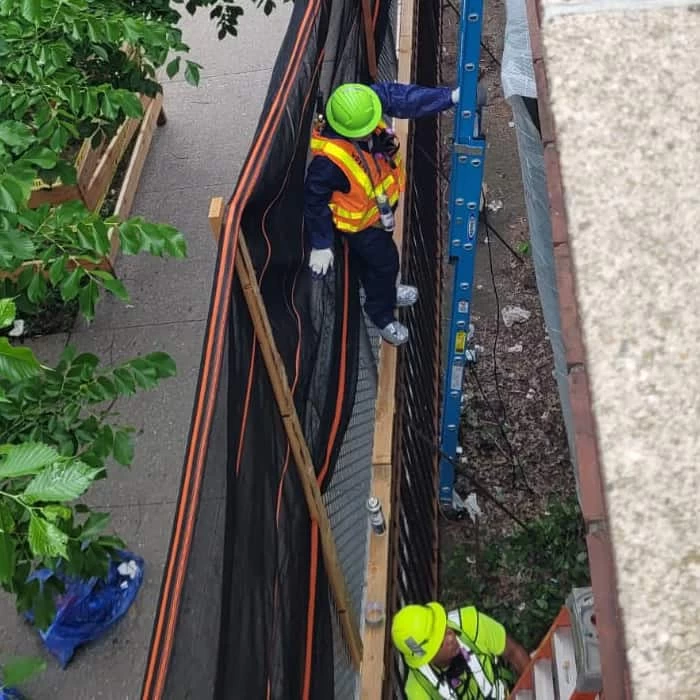
Once the full picture is mapped, water extraction begins immediately using industrial-grade equipment. Then comes structural drying — a process that takes days, not hours, and requires monitoring to confirm moisture levels are actually dropping to safe thresholds. For homes in Hawthorne’s older housing stock, this phase also includes an assessment for asbestos-containing materials and lead paint before any demolition or drywall work begins. New York State law requires licensed contractors for mold remediation and asbestos abatement — and the Town of Mount Pleasant requires building permits for structural repairs. We handle all of it.
After drying and any necessary remediation, the restoration phase begins: drywall, framing, flooring, painting — whatever your home needs to get back to its pre-loss condition. Throughout the entire process, we document everything for your insurance claim and communicate directly with your adjuster, so you’re not spending your time playing middleman between your contractor and your insurance company.
Flood restoration in Hawthorne isn’t a single service — it’s a sequence of interconnected work that has to be handled in the right order by the right people. We cover the complete scope: emergency water extraction, structural drying and dehumidification, thermal imaging for hidden moisture, mold testing and remediation, asbestos and lead assessment and abatement where required, debris removal, and full structural and cosmetic reconstruction. One company, one point of contact, start to finish.
For Hawthorne residents, the environmental piece is particularly important. The hamlet’s mix of pre-1980 Colonials, ranch homes, and Cape Cods means that a significant number of homes contain materials that require licensed handling before restoration can proceed safely. We hold every license required under New York State law to handle those materials — and won’t skip that step because it’s inconvenient. That’s not standard practice across the industry, and it’s worth asking any contractor you consider whether they hold NYS DOL Asbestos and Mold licenses before they start tearing into your walls.
On the financial side, there’s no upfront cost to you when insurance is involved — we bill directly. For situations where coverage falls short, we offer financing up to $200,000 at 0% APR. The goal is to make sure cost is never the reason a Hawthorne homeowner delays getting their home properly restored, because delayed restoration almost always means a larger, more expensive problem down the road.
Does homeowners insurance cover basement flooding from a storm in Hawthorne?
This is one of the most common and most frustrating surprises homeowners face after a flood event. Standard homeowners insurance policies typically do not cover flooding caused by external water — meaning if a storm overwhelms the drainage along the Saw Mill River corridor and water enters your Hawthorne basement from the ground up, that’s generally considered a flood event, not a covered peril under a standard policy. Flood coverage requires a separate flood insurance policy, usually through the National Flood Insurance Program (NFIP).
That said, there are scenarios where your homeowners policy does apply — water damage from a burst pipe, a failed sump pump (if you have sump pump backup coverage as a rider), or sudden internal water discharge. The line between what’s covered and what isn’t isn’t always obvious, and insurance companies don’t always make it easy. We work directly with your insurer, document the damage thoroughly, and communicate with your adjuster to make sure you’re getting everything you’re entitled to. If coverage falls short, the 0% APR financing option is there to bridge the gap.
How fast does mold grow after a basement flood, and why does it matter?
Mold can begin developing within 24 hours of water intrusion — and in Hawthorne’s humid summer months, when the most severe storm flooding events tend to occur, that window can feel even tighter. What makes this especially relevant here is the nature of the flooding itself: rapid-onset events that saturate wall cavities, insulation, and subfloors before you’ve even had a chance to call anyone. That hidden moisture is where mold takes hold first, and it’s not visible until it’s already a problem.
The reason this matters practically is that a mold issue discovered weeks or months after a flood is significantly more expensive to address than one that’s prevented during the initial restoration. It can also affect your home’s air quality and your family’s health in ways that aren’t immediately obvious. Getting a licensed restoration crew on-site within that first 24-hour window — with the equipment to find and extract moisture that isn’t visible to the naked eye — is the most effective way to prevent a mold problem from developing at all. In New York State, mold remediation must be performed by a NYS DOL licensed contractor. We hold that license.
What happens if my flooded Hawthorne home contains asbestos or lead paint?
It’s a real consideration for a large portion of Hawthorne’s housing stock. Homes built before 1978 may contain lead-based paint, and homes built before 1980 commonly have asbestos in floor tiles, pipe insulation, joint compound, and ceiling materials. When flood water saturates those areas and you need to remove drywall or flooring to properly dry and restore the space, those materials have to be handled correctly — or you’re creating a health hazard that’s worse than the flood itself.
In New York State, asbestos abatement requires a NYS DOL Asbestos license and advance notification to the Department of Environmental Conservation before work begins. Lead paint disturbance requires USEPA Lead and RRP certification. These aren’t optional steps — they’re legal requirements. Many general contractors and even some water damage companies don’t hold these licenses, which means they either skip the assessment entirely or subcontract it out, adding time and coordination to an already stressful situation. We hold all three environmental credentials in-house, so the assessment, abatement if needed, and restoration happen under one roof without delays.
How long does flood restoration typically take for a home in Hawthorne, NY?
The honest answer is that it depends on what the water actually did — and how quickly the process starts. For a straightforward basement flooding event with no mold and no environmental hazards, structural drying alone typically takes three to five days to reach safe moisture levels. That’s not negotiable — rushing the drying phase is one of the most common reasons homeowners end up with mold problems weeks later. After drying is confirmed, any necessary repairs, drywall replacement, and finishing work add additional time depending on the scope.
For older Hawthorne homes where asbestos or lead assessment is required, there are regulatory timelines that add to the overall schedule — New York State requires advance notice before asbestos abatement can begin. Homes with significant structural damage, like those that experienced the kind of rapid flooding documented along the Saw Mill River Parkway corridor, may require more extensive reconstruction that extends the timeline further. The best thing you can do to keep the timeline as short as possible is call immediately after the event — every hour of delay extends the drying timeline and increases the likelihood of secondary damage like mold.
Will the restoration crew need to pull permits with the Town of Mount Pleasant?
For most structural repair work — replacing drywall, repairing framing, any mechanical or electrical work affected by the flood — yes, permits are required through the Town of Mount Pleasant Building Department. Hawthorne is an unincorporated hamlet, so it falls under Mount Pleasant’s jurisdiction for code enforcement and building permits, not a separate village government. This is something a lot of homeowners don’t think about until a contractor skips the permit and they’re left with unpermitted work that creates problems when they go to sell or refinance.
We handle the permit process as part of the restoration. You don’t need to figure out what requires a permit, which forms to file, or how to coordinate inspections — that’s part of what a full-service restoration contractor manages. It also means the work is done to code and documented properly, which matters both for your insurance claim and for the long-term record of your home. For Hawthorne homeowners with significant equity in their property, having permitted, documented restoration work is not a minor detail.
What should I do in the first hour after discovering flood damage in my home?
The most important thing is to call a licensed restoration contractor immediately — not tomorrow, not after you’ve tried to clean it up yourself. The first hour after a flood event is when the most damage control is possible, and it’s also when the decisions you make have the biggest impact on your total cost and recovery timeline. If it’s safe to do so, shut off the water source if the flooding is from a burst pipe or appliance failure. Don’t run fans or a household dehumidifier and assume that’s sufficient — residential equipment isn’t built to handle the moisture volume a flood event produces, and it can actually spread contaminated water droplets if the source was a sewage backup.
Document everything with photos and video before anything is moved or cleaned, and call your insurance company to open a claim. Then call us. The 60-minute response commitment exists specifically for situations like this — because in Hawthorne, where summer storms can send water into a basement in minutes, waiting costs real money and real damage. Our crew arrives with industrial extraction and drying equipment, thermal imaging to find hidden moisture, and the full licensing required to handle whatever your home’s walls contain. Starting the process fast is the single most effective thing you can do for your outcome.