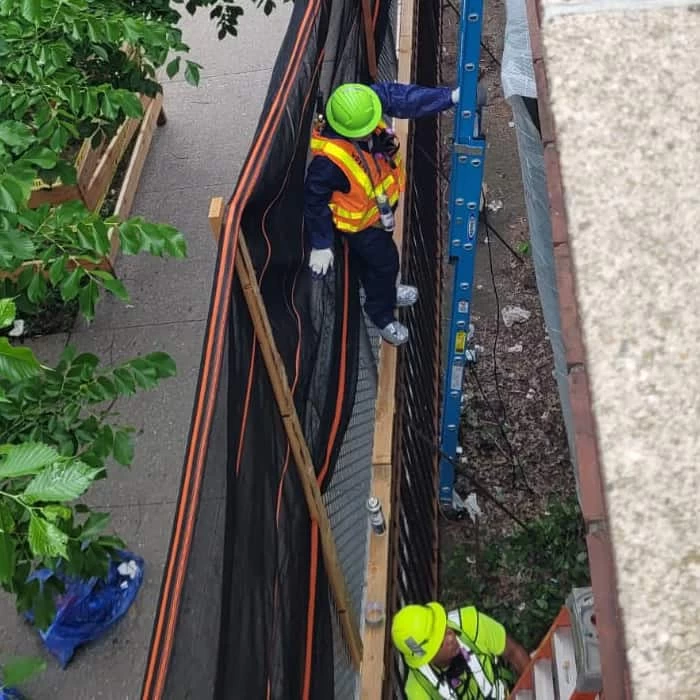
I needed a professional consultation explanation of procedure for safe removal of Asbestos in my apartment complex. Without having an account yet, I was very impressed with the caring, knowledgeable and generous advice offered by Jessica, and will look forward to doing business in the future. Thank you so much! I feel much more informed about a sometimes scary endeavor. Peace. Nancy Silva Mineola, NY.
Mia Munoz
Used this company to clean up some water flood in my house. They were fast and easy to work with.very professional, Would recommend to anyone!
Nini Valle
Great company, had a flood and they responded quickly and efficiently. Billed my insurance company directly. I highly recommend this company!
joe colapietro, jr
I had pipe freeze in my basement right before a snow storm and they made to within an hour to help start the clean up process. They we by our side throughout the entire process and even helped with the insurance company. They did such a great job with the cleanup, repair, remidiation, I contracted them to perform the repairs and finishes in the basement. They came with enough manpower and material to get the job done. Leo and Jessica were nothing but a pleasure to deal with!!
Cristian Arredondo c
I had some water damage in my home and Green Island was able to take care of my issue quickly and effectively. I am very pleased with the work they did. They responded quickly and were very professional.
Michael M
Outstanding service! From the office to the field crew everyone was friendly, helpful and responsive. I highly recommend Green Island Group.
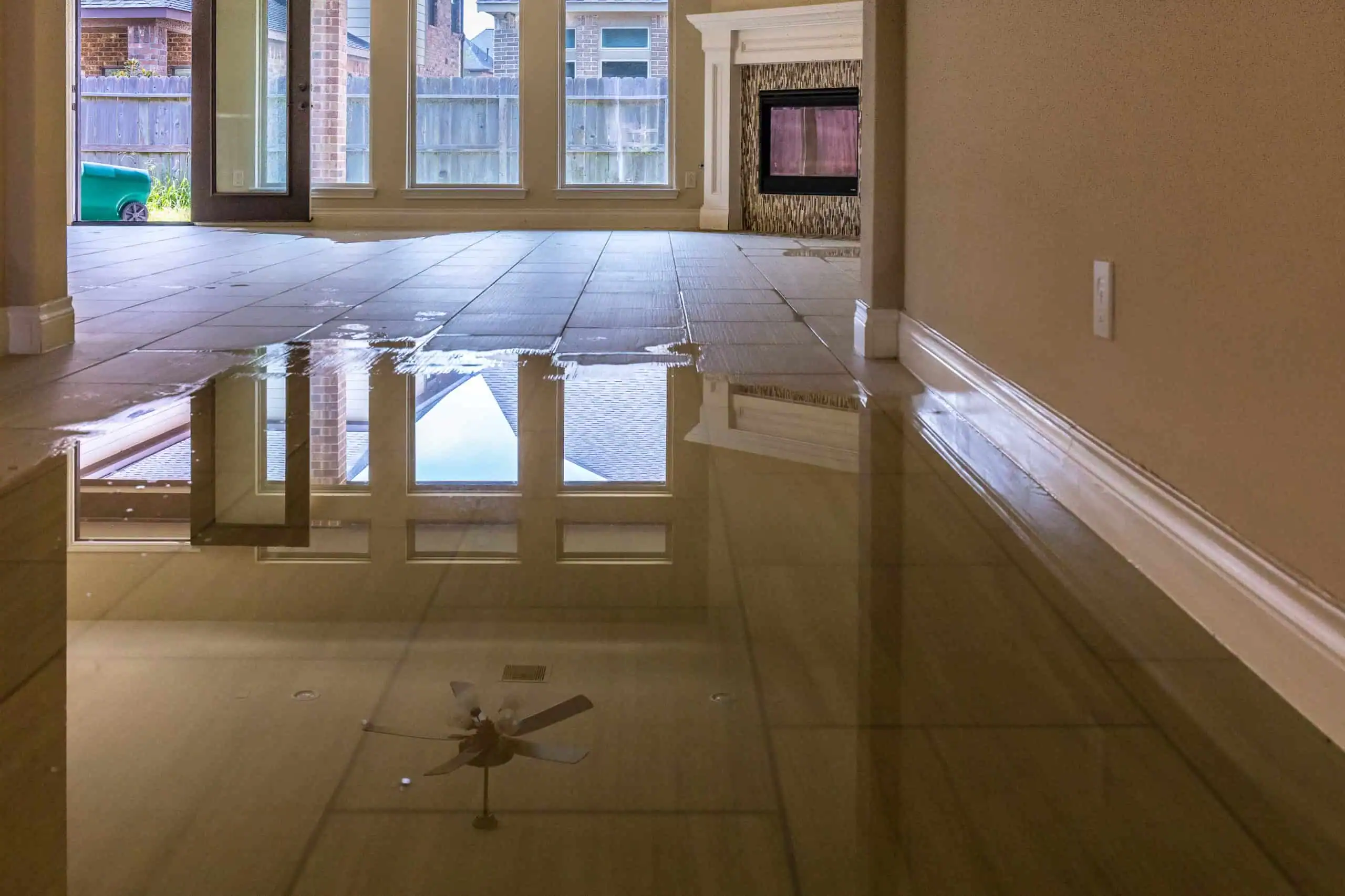
When a flash flood or basement backup hits a finished lower level in a Hillcrest split-level, you’re not dealing with a wet concrete floor — you’re dealing with soaked drywall, saturated insulation, ruined flooring, and the real possibility of mold taking hold before the week is over. The damage goes deeper than what you can see, and drying what’s visible isn’t enough.
That’s where the process matters. Hillcrest’s housing stock was built primarily in the 1950s through 1970s — the same era when asbestos-containing materials and lead-based paint were standard in residential construction. When flood water disturbs pipe insulation, floor tile adhesive, or wall materials in a Hillcrest home of that age, you’re not just dealing with water damage. You’re dealing with potential environmental hazards that most restoration companies aren’t licensed to touch. We hold the NYS DOL Asbestos license, NYS DOL Mold license, and USEPA Lead/RRP certification — the full set of credentials required to safely restore an older Hillcrest home from start to finish.
When the job is done, you get a completely dried, remediated, and rebuilt living space — not a half-finished mitigation job handed off to a contractor you’ve never met. One company handles everything, and you have documentation for your insurance claim every step of the way.
We’ve been doing environmental restoration work in New York for over 12 years. That’s not a number pulled from a marketing sheet — it’s the difference between a company that knows exactly what we’re walking into and one that’s figuring it out on your property.
Hillcrest sits in the Town of Ramapo, where stormwater infrastructure built during the population boom of the 1960s is now pushing 60 years old. When a heavy rain event overwhelms those systems and sends water into your finished lower level, you need someone who understands what that means for a home in this corridor — not a franchise dispatcher reading from a script. We’re NYS and NYC M/WBE Certified, work with the NYS Office of General Services, carry full liability insurance and Workers’ Compensation, and back every job with a 100% Satisfaction Guarantee.
You’re not a ticket number here. You’re a homeowner in Hillcrest with a specific problem, and we’ve handled thousands of them across Rockland County and beyond.
From Your First Call to the Final Walkthrough in Hillcrest
It starts the moment you call. We dispatch a crew immediately — 24 hours a day, seven days a week — with a commitment to be on-site within 60 minutes. In a dense residential area like Hillcrest, where a single storm event can flood multiple homes along the Route 45 corridor at the same time, that response window matters more than it might anywhere else.
Once on-site, we begin with a full moisture assessment — not just what’s visible, but what’s hiding inside wall cavities, beneath subfloor panels, and within the insulation typical of 1950s–1970s construction in Hillcrest. Thermal imaging and professional moisture meters map the full extent of the damage before a single piece of equipment gets placed. If there’s any indication of asbestos-containing materials or lead paint — which is a real consideration in Hillcrest’s pre-1978 housing stock — that gets addressed under the proper NYS DOL and USEPA protocols before any demolition or drying work begins. This isn’t a precaution that slows things down; it’s what separates a legally compliant, fully safe restoration from one that creates a second problem.
From there, industrial extraction equipment, commercial air movers, and high-capacity dehumidifiers run until the structure reaches dry standard. Then comes reconstruction — drywall, flooring, insulation, paint — all handled by our team, under one roof, documented for your insurance claim throughout.
Flood restoration in Hillcrest isn’t a single-service job. The finished lower levels common in split-level and raised ranch homes throughout this community require a full scope of work — water extraction, structural drying, mold remediation, environmental abatement when necessary, and complete reconstruction of the affected space. We handle all of it.
For Hillcrest homeowners dealing with sewage backup — which is a documented risk given the age of Ramapo’s combined stormwater and sewer systems — that’s a Category 3 contamination event requiring full professional remediation, not just water removal. We’re equipped and licensed to handle black water cleanup safely, with proper disposal protocols and full documentation for your insurer. If your home was built before 1978, the restoration scope also includes an assessment for asbestos and lead in any materials that were disturbed by the water — a step that’s legally required and one that most competitors in Rockland County simply can’t perform in-house.
On the financial side, we bill your insurance directly so there’s no upfront cost during the emergency. For homeowners who are uninsured against flood damage or facing a coverage gap — something that catches a lot of Hillcrest residents off guard — we offer financing up to $200,000 at 0% APR. No other restoration company serving this area offers that. The goal is to remove every barrier between you and a fully restored home.
How quickly can flood restoration begin at my Hillcrest, NY home?
We commit to being on-site within 60 minutes of your call, any time of day or night. That’s not an estimate — it’s a specific, operational commitment. In Hillcrest, where flash flooding events along the Spring Valley corridor can affect multiple homes at the same time, having a company that can give you a concrete arrival window rather than a vague “we’ll get there soon” is the difference between starting mitigation before the mold clock runs out and waiting until morning.
Mold can begin developing in wet materials within 24 hours of a flood event. In Hillcrest’s humid summer months — when the area’s slow-moving thunderstorms produce the worst basement flooding — that window closes fast. The sooner extraction and drying equipment is running, the lower the chance that a water damage job turns into a mold remediation project on top of it. Calling immediately, even if it’s midnight, is always the right move.
Does homeowners insurance cover basement flooding and water damage in New York?
Standard homeowners insurance policies in New York typically cover sudden and accidental water damage — like a burst pipe — but they do not cover flooding caused by surface water entering your home from outside. That distinction catches a lot of Hillcrest homeowners off guard, especially after a heavy rain event overwhelms the stormwater systems along the Route 45 corridor and sends water into finished lower levels. Flood damage from surface water intrusion requires a separate flood insurance policy through the National Flood Insurance Program (NFIP) or a private insurer.
That said, even if you have coverage, the claims process can be complicated. We document damage thoroughly from the moment we arrive and communicate directly with your insurance adjuster throughout the job — so you’re not navigating that process alone. For homeowners who discover they have a coverage gap after the fact, we offer financing up to $200,000 at 0% APR, which means the work can move forward without waiting on an insurance resolution that may take weeks.
My Hillcrest home was built in the 1960s — does that affect the restoration process?
It does, and it’s important to understand why before any restoration work begins. Homes built in Hillcrest during the 1950s through 1970s — which is the majority of the housing stock in this community — commonly contain asbestos in pipe insulation, floor tile and adhesive, ceiling textures, and roofing materials. They also frequently have lead-based paint on walls, trim, and other surfaces. When flood water saturates those materials, it can disturb asbestos fibers and lead paint in ways that create a separate environmental hazard on top of the water damage itself.
New York State law requires that any asbestos abatement be performed by a contractor holding a NYS DOL Asbestos license, and any work disturbing lead paint in a pre-1978 home must follow USEPA Lead/RRP protocols. Most restoration companies operating in Rockland County do not hold these credentials, which means they either can’t legally complete the full scope of work in an older Hillcrest home or they’re doing it without the required licensing. We hold both, along with the NYS DOL Mold Remediation license — so the entire job can be handled safely, legally, and completely by our team.
What is the difference between water mitigation and full flood restoration?
Water mitigation refers specifically to the emergency phase — extracting standing water, placing drying equipment, and stopping the damage from spreading further. It’s the first step, but it’s not the complete job. Full flood restoration picks up where mitigation ends: removing damaged materials, addressing mold, repairing or replacing drywall, insulation, flooring, and any structural components affected by the water, and returning the space to its pre-loss condition.
This distinction matters a lot in Hillcrest, where the dominant housing type — the split-level and raised ranch — has finished lower levels used as living space. A flooded family room or lower-level bedroom involves far more than a wet floor. It involves finish materials, wall assemblies, and personal property that require a full reconstruction scope, not just drying. Many restoration companies handle mitigation only and hand you off to a general contractor for everything else. We handle the complete scope — from the first extraction to the final coat of paint — so you’re not managing two separate timelines, two separate invoices, and two separate companies explaining the same damage history.
How do I know if mold has developed after a flood in my home?
Visible mold is the obvious sign — dark spots or fuzzy growth on walls, ceilings, or flooring. But in many cases, especially in the split-level homes common throughout Hillcrest, mold develops inside wall cavities, beneath subfloor panels, and within insulation where you can’t see it. By the time it’s visible on the surface, it’s often been growing for weeks. A musty odor that lingers after the visible water is gone is one of the most reliable indicators that mold is present somewhere in the structure.
Professional moisture detection — using thermal imaging cameras and calibrated moisture meters — is the only reliable way to find hidden moisture before it becomes a mold problem. Our assessment process doesn’t stop when the floor looks dry. We map moisture throughout the structure and track drying progress against industry-standard dry goals before any reconstruction begins. If mold is already present, we hold the NYS DOL Mold Remediation Contractor license required to address it legally in New York State — something not every company advertising mold services in Rockland County can say.
What causes basement flooding in Hillcrest, NY, and is it likely to happen again?
Hillcrest’s basement flooding risk comes primarily from two sources: flash flooding during heavy rain events and sewage or stormwater backup through floor drains and sump pits. The Town of Ramapo grew more than 100% between 1960 and 1970, and the stormwater infrastructure built to serve that growth is now approaching 60 years old. When a slow-moving summer thunderstorm drops two inches of rain in an hour — which has happened repeatedly in the Spring Valley and Hillcrest area — those aging systems get overwhelmed quickly, and the water has to go somewhere.
For split-level and raised ranch homes throughout Hillcrest, that somewhere is often the finished lower level. And yes, if it’s happened once, the underlying conditions that caused it — aging infrastructure, ground saturation, sump pump capacity — don’t disappear after the water recedes. A complete restoration addresses the immediate damage, but it’s also worth discussing sump pump inspection, backup power options, and interior drainage improvements with your restoration contractor while the work is underway. We can walk you through what’s realistic for your specific property so you’re not just recovering from this event — you’re better prepared for the next one.