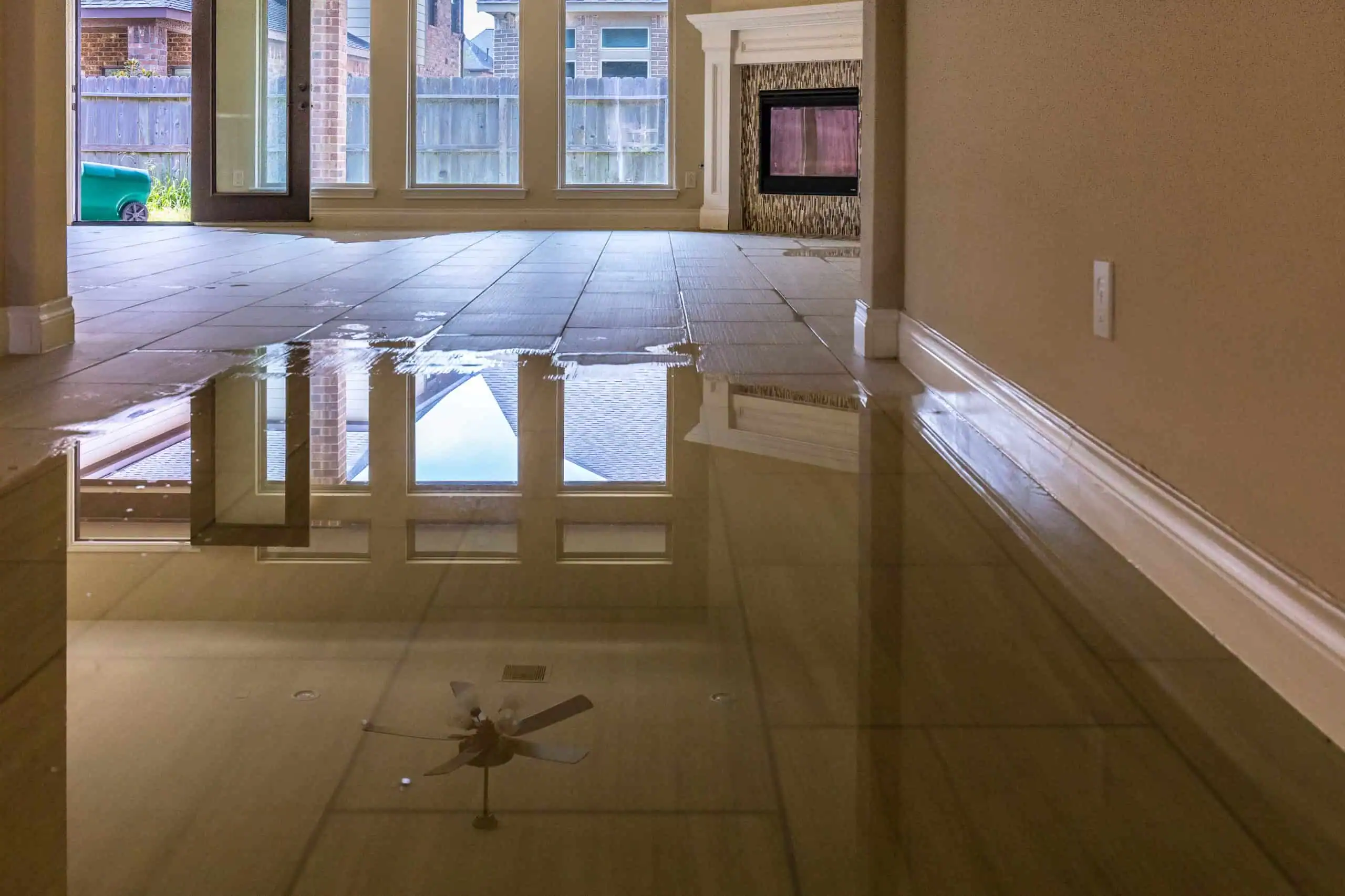
When Lake Carmel Floods, Every Hour Costs You More
Water doesn’t wait — and in Kent’s older lake cottages and rural farmhouses, hidden moisture turns into a mold problem faster than most people expect. We’re on-site in 60 minutes with the licensing and equipment to handle the full job.
I needed a professional consultation explanation of procedure for safe removal of Asbestos in my apartment complex. Without having an account yet, I was very impressed with the caring, knowledgeable and generous advice offered by Jessica, and will look forward to doing business in the future. Thank you so much! I feel much more informed about a sometimes scary endeavor. Peace. Nancy Silva Mineola, NY.
Mia Munoz
Used this company to clean up some water flood in my house. They were fast and easy to work with.very professional, Would recommend to anyone!
Nini Valle
Great company, had a flood and they responded quickly and efficiently. Billed my insurance company directly. I highly recommend this company!
joe colapietro, jr
I had pipe freeze in my basement right before a snow storm and they made to within an hour to help start the clean up process. They we by our side throughout the entire process and even helped with the insurance company. They did such a great job with the cleanup, repair, remidiation, I contracted them to perform the repairs and finishes in the basement. They came with enough manpower and material to get the job done. Leo and Jessica were nothing but a pleasure to deal with!!
Cristian Arredondo c
I had some water damage in my home and Green Island was able to take care of my issue quickly and effectively. I am very pleased with the work they did. They responded quickly and were very professional.
Michael M
Outstanding service! From the office to the field crew everyone was friendly, helpful and responsive. I highly recommend Green Island Group.
What Stays Dry Stays Yours — Here's Why That Matters in Kent
Kent’s flood risk isn’t theoretical. After the July 2023 storms dropped up to eight inches of rain on Putnam County in a matter of hours, the Carmel area — which covers much of Kent — was among the hardest hit. A State of Emergency was declared. FEMA followed with a federal disaster declaration. For homeowners around Lake Carmel, Gypsy Trail, and the rural hamlets scattered across the town’s 40 square miles, that event was a reminder of something locals already knew: when it rains hard here, water finds its way in.
The real danger isn’t always the standing water you can see. It’s what soaks into the walls, subfloors, and insulation of a 1940s-era lake cottage that was never built to handle this kind of saturation. Mold can begin growing within 24 hours of a water event — and in the kind of older construction that defines so much of Kent’s housing stock, moisture hides in places a standard wet-vac and a few fans will never reach.
When the job is done right, you’re not just dry — you’re protected. No hidden moisture festering behind original wood paneling. No mold showing up three months later. No contractor coming back to tell you there’s asbestos in the floor tiles they already disturbed. You get your home back, intact, with documentation your insurance carrier will actually accept.
5,000 Restored Properties and the Credentials to Prove It
We’ve been doing environmental restoration work across New York State for over 12 years. That includes properties throughout Putnam County — homes near the Boyds Corner Reservoir, converted summer cottages along Lake Carmel, and historic farmhouses in places like Farmers Mills and Luddingtonville that have seen flooding more than once in the last decade.
What separates us from most of what you’ll find in a search result isn’t the truck or the slogan — it’s the licensing stack. NYS DOL Mold certification. NYS DOL Asbestos certification. USEPA Lead and RRP certification. IICRC Water Damage certification. NYS and NYC M/WBE certified. These aren’t optional credentials in New York — they’re legally required for the full scope of work that a flood event in a pre-1978 Kent home actually demands.
We also work directly with the NYS Office of General Services. We carry full liability insurance and Workers’ Compensation. And we bill your insurance carrier directly, so you’re not fronting money while you wait for an adjuster.
From the First Call to the Final Walkthrough — No Gaps
It starts with a call. We commit to a 60-minute on-site response — not “as soon as possible,” not “within the business day.” Sixty minutes. In a rural Putnam County setting where some properties are accessed via county roads off the Taconic, that kind of specific commitment matters more than a vague availability claim.
When our crew arrives, the first priority is stopping the damage from spreading. That means emergency water extraction, followed by a full moisture assessment using thermal imaging and professional-grade detection equipment. This step is where a lot of companies cut corners — they pull the standing water and leave. What gets missed is the saturation inside the wall cavities, under the subfloor, and in the insulation of older homes that weren’t built with modern vapor barriers or drainage systems. In Kent’s converted lake cottages especially, that hidden moisture is where the real problem lives.
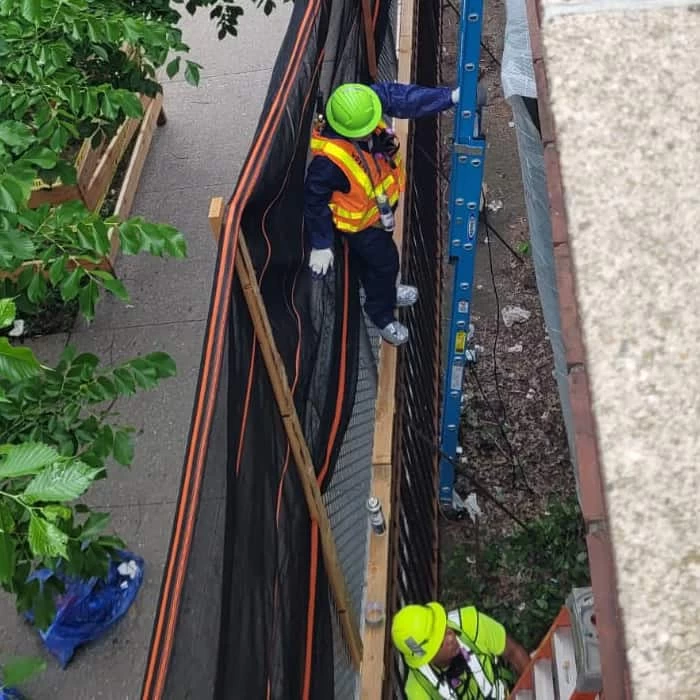
From there, industrial drying equipment goes in — dehumidifiers, air movers, and where needed, desiccant systems for the kind of deep structural drying that older wood framing requires. If the assessment turns up asbestos-containing materials or lead paint disturbed by the flood — common in Kent’s pre-1978 housing stock — our team is already licensed to handle it without bringing in a separate subcontractor. Once the structure is dry and clear, reconstruction begins: drywall, flooring, paint, whatever your home needs to be fully livable again. One company, start to finish.
Full-Scope Restoration Built for Putnam County's Older Homes
Most flood restoration companies are equipped for the easy version of the job — extract the water, run some fans, hand you a drying report. That works fine in a 2005 colonial with modern construction. It doesn’t work in a Lake Carmel cottage built in 1938, or a farmhouse in Richardsville with original plaster walls and a basement that’s held water before.
Our flood restoration service covers the complete scope: emergency water extraction, advanced moisture detection, structural drying, mold prevention and remediation, asbestos abatement when materials have been disturbed, lead-safe work practices throughout, and full reconstruction including drywall, flooring, and finish work. Because Kent sits within the New York City Croton Watershed — with the Boyds Corner Reservoir located in town — contaminated water from sewage backups or storm flooding is handled in compliance with the environmental standards that apply in watershed-protected areas. That’s not something every contractor thinks about, but it matters here.
For homeowners who find out after the fact that their standard policy doesn’t cover flood damage from an external storm event — a painful discovery that many Kent residents made after the July 2023 flooding — we offer financing up to $200,000 at 0% APR. No other provider in this market offers that. It’s the option that makes the restoration possible when the insurance settlement is delayed, the deductible is high, or the coverage simply isn’t there.
Does homeowners insurance actually cover flood damage in Kent, NY?
Standard homeowners insurance policies typically do not cover flooding that originates from an external source — meaning storm surge, overland flooding, or a rising lake. This distinction caught a lot of Kent homeowners off guard after the July 2023 storms, when Putnam County was declared a federal disaster area under FEMA DR-4723. If your basement flooded because Lake Carmel rose or because runoff overwhelmed your foundation drainage, that event likely falls outside what a standard policy covers.
Flood insurance through FEMA’s National Flood Insurance Program (NFIP) is a separate policy that has to be purchased in advance — and there’s typically a 30-day waiting period before it takes effect. If you don’t have it, you’re looking at out-of-pocket costs or FEMA individual assistance, which has its own application process and limits. We bill insurance directly for covered losses and offer financing up to $200,000 at 0% APR for situations where coverage falls short or doesn’t apply.
How fast does mold actually grow after a flood in an older Kent home?
Mold can begin developing within 24 hours of a water event — and in the kind of older construction common throughout Kent, it often moves faster than people expect. The issue is that original materials like wood subfloors, plaster, and older insulation absorb and hold moisture differently than modern drywall and synthetic materials. A surface can feel dry while the framing behind it is still saturated, and that’s where mold takes hold before anyone notices.
In a converted summer cottage along Lake Carmel or a farmhouse in Farmers Mills, the combination of older materials and limited airflow in crawl spaces and basement areas creates ideal conditions for mold growth after a flood. This is why moisture detection — not just water extraction — is the critical step. If a restoration company pulls the standing water and leaves without verifying that the structure is actually dry throughout, you may be looking at a mold remediation job a few months later that costs significantly more than the original restoration would have.
What happens if my flooded home in Kent has asbestos or lead paint?
It’s a real concern in this area. A significant portion of Kent’s housing stock — including most of the mid-century lake cottages around Lake Carmel and the historic farmhouses in the rural hamlets — was built before 1978. That means there’s a meaningful likelihood of asbestos-containing materials (floor tiles, pipe insulation, ceiling tiles) and lead paint present in the structure. When a flood disturbs those materials, you have a hazardous materials situation on top of a water damage situation.
New York State requires a specific DOL Mold License for mold remediation and a separate DOL Asbestos License for any asbestos abatement work. USEPA Lead and RRP certification is required for renovation work in pre-1978 homes. Many contractors who show up for flood restoration in Putnam County hold none of these licenses — which means they either skip the hazardous materials entirely, leaving you exposed, or disturb them without proper protocols. We hold all three certifications and can handle the full scope legally and safely, without stopping the job to bring in a separate subcontractor.
How long does flood restoration typically take for a Kent home?
The honest answer is that it depends on what the moisture assessment finds. For a straightforward basement flooding situation with no structural damage and no hazardous materials, the drying phase typically takes three to five days using industrial equipment. Reconstruction — replacing drywall, flooring, and finishes — adds time depending on the scope.
For older homes in Kent, the timeline often runs longer than that estimate because the structural drying phase is more involved. Original wood framing, plaster walls, and older subfloor materials hold moisture longer than modern construction, and rushing the drying process creates the conditions for mold growth after the job is supposedly done. If asbestos abatement is required, New York State regulations require a seven-day advance notification filing with the Department of Environmental Protection before work begins, which adds time to the front end of the project. We walk you through a realistic timeline at the assessment stage so you’re not caught off guard.
Can we handle flood restoration in rural Kent properties on private roads?
Yes — and it’s worth asking this question directly, because not every restoration company is set up for rural property logistics. Kent has a population density of about 332 people per square mile and a lot of homes accessed via county roads, private drives, and wooded lots that aren’t on municipal water or sewer systems. Properties in Gypsy Trail, Kent Cliffs, and the rural hamlets throughout the town require a different operational approach than a dense suburban neighborhood.
Our crews are equipped for self-contained operation — we don’t rely on municipal hookups, and we’re accustomed to navigating the kind of access conditions that come with rural Putnam County properties. The 60-minute on-site response commitment applies to Kent regardless of where in the town the property is located. If your home is on a private well and septic system, that also affects how contaminated water from a flood event is handled during extraction — something our team accounts for in the initial assessment.
What should I do in the first hour after my Kent home floods?
The most important thing you can do in the first hour is call a restoration company — not start cleaning up yourself. Moving water around with a mop or a shop vac without knowing what’s in it (Category 3 black water from a sewage backup or storm flooding carries contaminants you don’t want to handle without proper protective equipment) can spread the problem and create a health hazard. It can also complicate your insurance documentation if the damage isn’t assessed in its original state.
While you’re waiting for our crew to arrive, turn off electricity to any affected areas if you can do so safely from an unaffected panel location — water and live circuits are an obvious danger. Document everything with your phone: photos and video of the water level, the affected rooms, visible damage to walls, floors, and belongings. That documentation matters for your insurance claim, and if a FEMA assistance application becomes relevant — as it did for many Kent homeowners after the July 2023 Putnam County State of Emergency — having thorough records from the start makes the process significantly smoother. We can assist with damage documentation as part of the initial assessment.