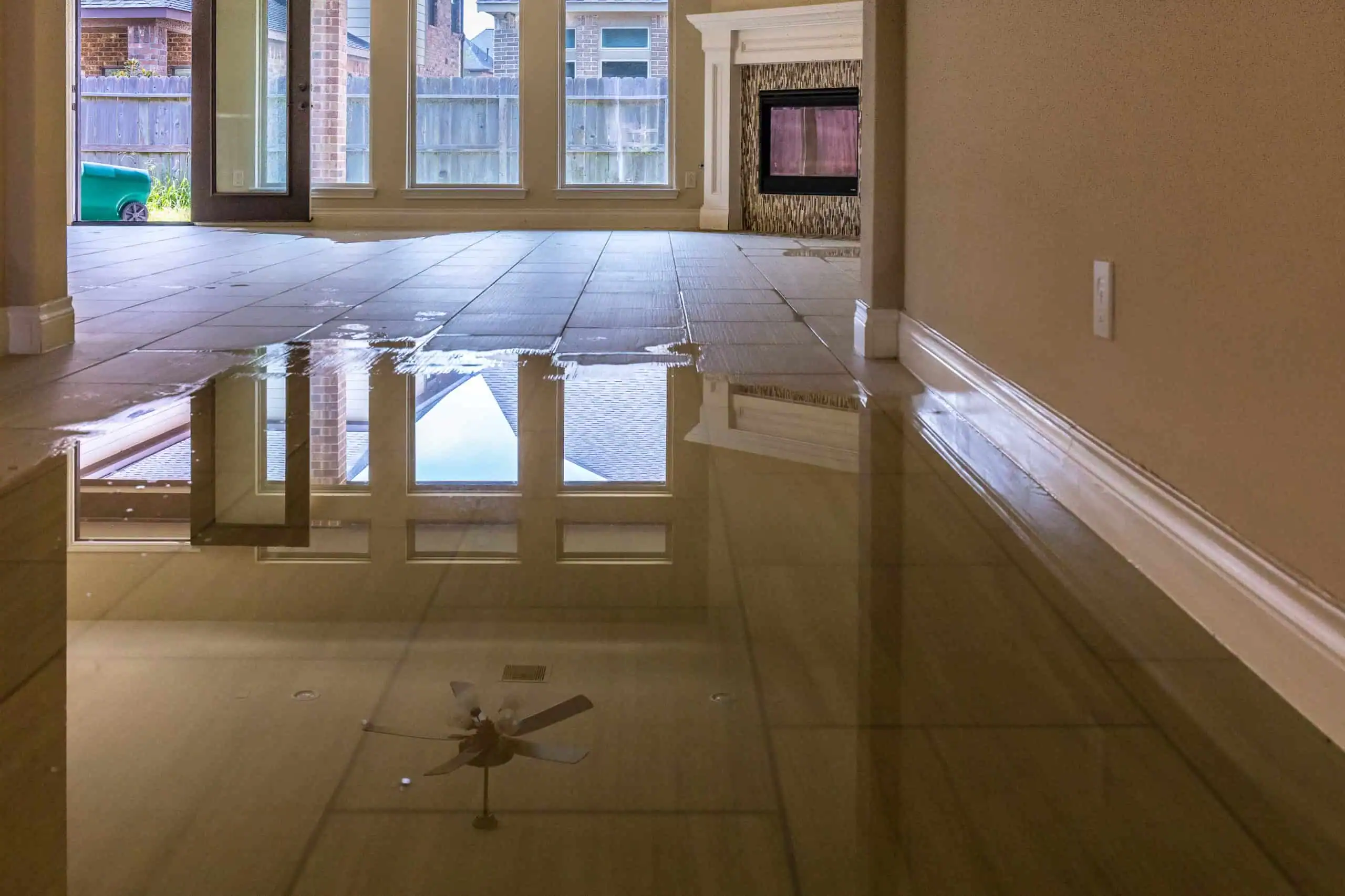
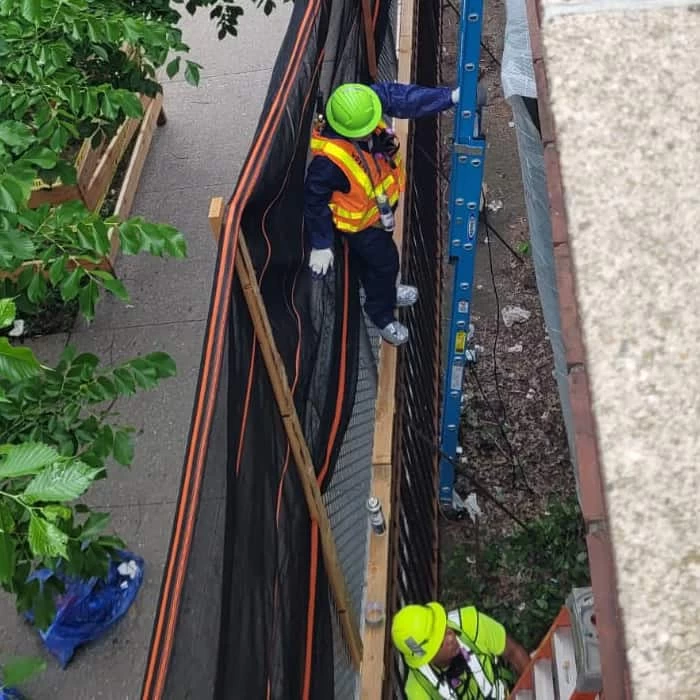
When Floodwater Hits Mount Pleasant, Every Minute Counts
We arrive on-site within 60 minutes — handling everything from water extraction to full reconstruction, so Mount Pleasant homeowners don’t have to manage a crisis alone.
I needed a professional consultation explanation of procedure for safe removal of Asbestos in my apartment complex. Without having an account yet, I was very impressed with the caring, knowledgeable and generous advice offered by Jessica, and will look forward to doing business in the future. Thank you so much! I feel much more informed about a sometimes scary endeavor. Peace. Nancy Silva Mineola, NY.
Mia Munoz
Used this company to clean up some water flood in my house. They were fast and easy to work with.very professional, Would recommend to anyone!
Nini Valle
Great company, had a flood and they responded quickly and efficiently. Billed my insurance company directly. I highly recommend this company!
joe colapietro, jr
I had pipe freeze in my basement right before a snow storm and they made to within an hour to help start the clean up process. They we by our side throughout the entire process and even helped with the insurance company. They did such a great job with the cleanup, repair, remidiation, I contracted them to perform the repairs and finishes in the basement. They came with enough manpower and material to get the job done. Leo and Jessica were nothing but a pleasure to deal with!!
Cristian Arredondo c
I had some water damage in my home and Green Island was able to take care of my issue quickly and effectively. I am very pleased with the work they did. They responded quickly and were very professional.
Michael M
Outstanding service! From the office to the field crew everyone was friendly, helpful and responsive. I highly recommend Green Island Group.
When stormwater runs downhill through Mount Pleasant’s rolling terrain and straight into your basement, the damage doesn’t wait for business hours. The Pocantico River, the Saw Mill River corridor, and overwhelmed storm drains have turned ordinary rainstorms into emergencies that have shut down the Taconic State Parkway and triggered water rescues in Hawthorne. If you’ve seen it happen to a neighbor — or lived it yourself — you already know how fast things can go sideways.
What you want after a flood isn’t a sales pitch. You want the water gone, the structure dried properly, and someone who can tell you honestly what you’re dealing with. That’s the job. We use industrial extraction equipment and thermal imaging to find moisture that doesn’t show on the surface — inside wall cavities, under hardwood floors, behind insulation — because that’s where mold starts, and mold can begin growing within 24 hours of a flood event.
For homeowners in Hawthorne, Thornwood, and Valhalla — where a significant portion of the housing stock was built between the 1940s and 1970s — there’s another layer to this. Floodwater that saturates an older home doesn’t just damage drywall. It can disturb asbestos floor tiles, pipe insulation, and lead paint that were standard materials in that era. Getting those handled correctly, by a company that’s actually licensed to do it under New York State law, is the difference between a complete restoration and a liability you didn’t see coming.
We’ve been doing environmental restoration work in New York for over 12 years and have completed more than 5,000 projects across the state. That’s not a number to impress you — it’s context for why our process is dialed in. We’ve seen every variation of water damage that Mount Pleasant and the surrounding region produces, from sump pump failures during spring snowmelt to flash flooding that shuts down the Saw Mill River Parkway at Marble Avenue.
The credential stack matters here more than it does in most markets. We hold IICRC Water Damage Certification, a NYS DOL Mold License, a NYS DOL Asbestos License, USEPA Lead/RRP Certification, and NYS/NYC M/WBE Certification — and work directly with the NYS Office of General Services. Most restoration companies operating in Westchester County hold one or two of those. Very few hold all of them. For a town like Mount Pleasant, where older homes in Hawthorne and Valhalla regularly need licensed abatement work alongside standard water mitigation, that full credential stack isn’t a bonus — it’s a requirement for doing the job right.
When you call, the clock starts. We commit to on-site arrival within 60 minutes — not a general window, not “as soon as possible,” but 60 minutes. In a town where flash flooding has historically moved faster than the drainage infrastructure can handle, that response time is the most important thing we offer.
On arrival, our first priority is stopping the damage from spreading. That means industrial water extraction, followed immediately by a full moisture assessment using thermal imaging and calibrated meters. This step matters because Mount Pleasant’s hilly terrain pushes water into places that look dry from the outside — subfloor systems, wall cavities, rim joists — and anything left wet becomes a mold problem within a day or two. The assessment maps every pocket of moisture before a single piece of equipment is placed.
From there, the process moves into structural drying, which typically runs three to five days depending on the extent of saturation and the construction type. For older homes in Hawthorne or Thornwood where asbestos-containing materials may be present, we handle the required NYS-licensed abatement as part of the same scope of work — no subcontracting, no handoffs, no gaps in accountability. Once the structure is confirmed dry and any hazardous materials are properly addressed, reconstruction begins. Drywall, flooring, insulation, paint — everything back to where it was, or better. One company, start to finish.
Full-Scope Restoration Built for Mount Pleasant's Older Homes
Flood restoration in Mount Pleasant isn’t a one-size-fits-all job. A newer construction in Pleasantville and a mid-century colonial in Hawthorne present completely different challenges — different materials, different risks, and different regulatory requirements under New York State law. Our scope covers the full range: emergency water extraction, structural drying, mold remediation, asbestos abatement, lead paint handling, and complete reconstruction. Every service is delivered under one contract, which means no coordinating between multiple vendors while your home sits wet.
We handle insurance billing directly, so you’re not fronting costs and waiting for reimbursement while the work is in progress. For homeowners in Mount Pleasant who find themselves uninsured or underinsured for flood damage — which is more common than most people realize, since standard homeowners policies typically don’t cover flooding from external sources like the Pocantico River or overwhelmed storm drains — we offer financing up to $200,000 at 0% APR. The work gets done. The payment gets worked out on your terms.
Every job is backed by our 100% Satisfaction Guarantee, full general liability insurance, and Workers’ Compensation coverage. That last part matters more than people think — if a contractor working in your home gets injured and they’re not properly insured, the liability can fall on you as the homeowner. We carry full coverage on every job, every time.
Does standard homeowners insurance cover flood damage in Mount Pleasant, NY?
This is one of the most important questions to get straight before a flood happens, not after. Standard homeowners insurance policies — the kind most Mount Pleasant residents carry — typically do not cover flooding caused by external water sources. That means if the Pocantico River overflows, if stormwater overwhelms the storm drains in Hawthorne, or if the Saw Mill River backs up and pushes water into your basement, your standard policy likely won’t pay for the damage. That kind of flooding requires a separate flood insurance policy, usually through the National Flood Insurance Program (NFIP).
What standard homeowners insurance does typically cover is sudden and accidental water damage from internal sources — a burst pipe, a failed appliance, an ice dam that drives water through the roof. If you’re not sure what your policy covers, the time to find out is now, not when you’re standing in two inches of water. We bill insurance directly and can help you navigate the claims process — but knowing your coverage gaps ahead of time puts you in a much stronger position.
How quickly does mold start growing after a basement flood?
Mold can begin colonizing wet materials within 24 hours of a flood event — and visible patches can appear within 24 to 48 hours under the right conditions. In Mount Pleasant, where summer thunderstorms can drop several inches of rain in a matter of hours and flash flooding moves fast through the town’s hilly terrain, that window closes quickly. By the time a storm passes and you’re assessing the damage, the mold clock is already running.
The part that catches most homeowners off guard is where mold actually starts. It doesn’t begin on the visible surfaces — it begins in the places that stay wet longest: inside wall cavities, under flooring, behind insulation, in the subfloor system. Those areas can feel dry to the touch while remaining saturated underneath. That’s why we use thermal imaging and moisture meters on every job — to find the water you can’t see before it becomes a mold problem you definitely don’t want.
My home in Hawthorne was built in the 1960s — does that change the restoration process?
Yes, and it’s worth understanding why before any restoration work begins. Homes built in Hawthorne, Thornwood, and Valhalla during the 1940s through 1970s were commonly constructed with materials that are now regulated as hazardous — asbestos floor tiles, asbestos pipe insulation, asbestos ceiling tiles, and lead-based paint were all standard in that era. When floodwater saturates these materials, it can disturb them in ways that create a health and legal risk if they’re not handled correctly.
Under New York State law, asbestos abatement must be performed by a licensed contractor — and mold remediation requires a separate NYS DOL Mold License. These aren’t optional credentials. Hiring a restoration company that doesn’t hold both means either the hazardous materials get left alone (incomplete restoration) or they get disturbed without proper handling (a potential violation and a health risk). We hold the NYS DOL Asbestos License, the NYS DOL Mold License, and the USEPA Lead/RRP Certification — so older homes in Mount Pleasant can be fully restored under one contract without the legal gaps that come with hiring a company that’s only credentialed for basic water mitigation.
How long does flood restoration typically take for a home in Mount Pleasant?
The honest answer is that it depends on the extent of the damage and the construction type of your home — but there’s a general framework that applies to most jobs in this area. Emergency water extraction typically happens on day one. Structural drying runs three to five days for most residential jobs, though homes with extensive saturation or older construction — common in Hawthorne and Thornwood — can run longer depending on how deep the moisture has migrated.
If asbestos or lead paint abatement is required, that adds time to the process — New York State requires proper notification and procedural compliance before abatement work begins, which we handle as part of the scope. Reconstruction — drywall, flooring, insulation, paint — follows once the structure is confirmed dry and any hazardous materials are properly addressed. For a moderate basement flooding event with no hazardous materials involved, most homeowners are looking at one to two weeks from first call to final walkthrough. For more complex jobs involving older homes or significant structural damage, three to four weeks is realistic. We give you a clear timeline at the assessment stage so you’re not guessing.
Can flood restoration be done in winter, or should I wait until spring?
Don’t wait. Water damage doesn’t pause for cold weather, and in Mount Pleasant, winter brings its own set of flood-related risks that are separate from the spring and summer storm events most residents think of first. Burst and frozen pipes are the primary winter culprit — the town’s older housing stock in Hawthorne and Valhalla includes a lot of aging plumbing systems that are vulnerable to temperature swings. Ice damming on roofs, which is common on the older homes in this area, can also drive water into attics and wall cavities in ways that cause significant damage before anyone notices.
The other reason not to wait is mold. Cold temperatures slow mold growth somewhat, but they don’t stop it — and a wet wall cavity in January can still develop a mold problem by February. We operate 24/7, year-round, and the restoration process is the same regardless of season. Industrial drying equipment works in cold conditions, and the moisture assessment is just as thorough in winter as it is in summer. If your home has water in it, the right time to address it is now.
What should I do in the first hour after my basement floods in Mount Pleasant?
The first thing is safety — don’t enter a flooded basement if there’s any chance the electrical panel or outlets have been exposed to water. Floodwater and live electricity are a serious hazard, and it’s worth waiting until you’re certain the power is off before going in. If you’re not sure, treat it as live and stay out until a professional can assess it.
Once you’re confident it’s safe, call for professional help immediately — and while you’re waiting, document everything you can see with photos and video. That documentation is important for your insurance claim and for our assessment. Don’t start pulling up flooring or tearing out drywall on your own — disturbing wet materials in an older Mount Pleasant home without knowing what’s behind them can expose you to asbestos or lead, and it can also complicate the insurance claim. Let the restoration team do the assessment first. We arrive within 60 minutes and start with a full moisture mapping before any demolition begins — that sequence protects both your health and your claim.