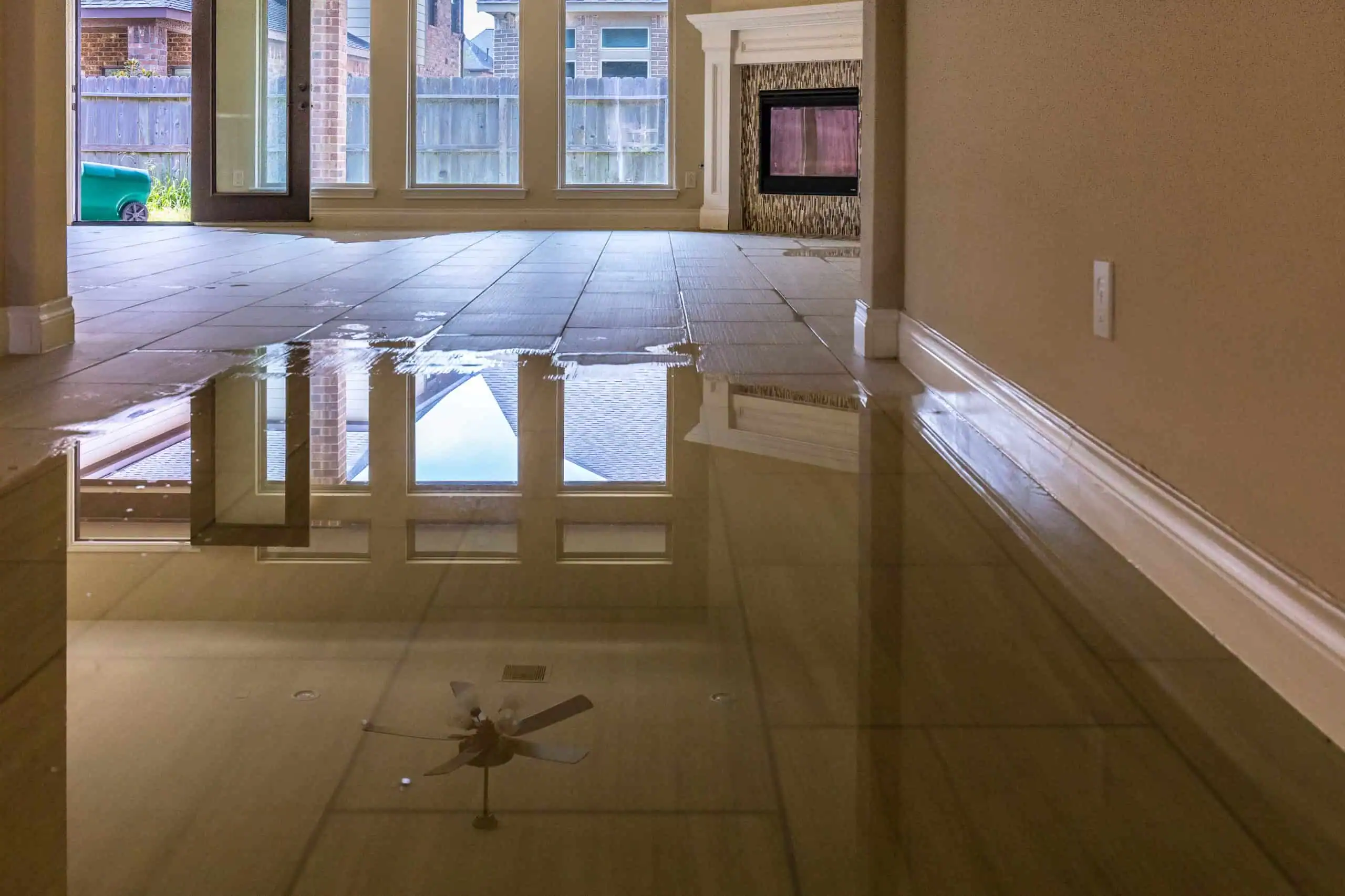
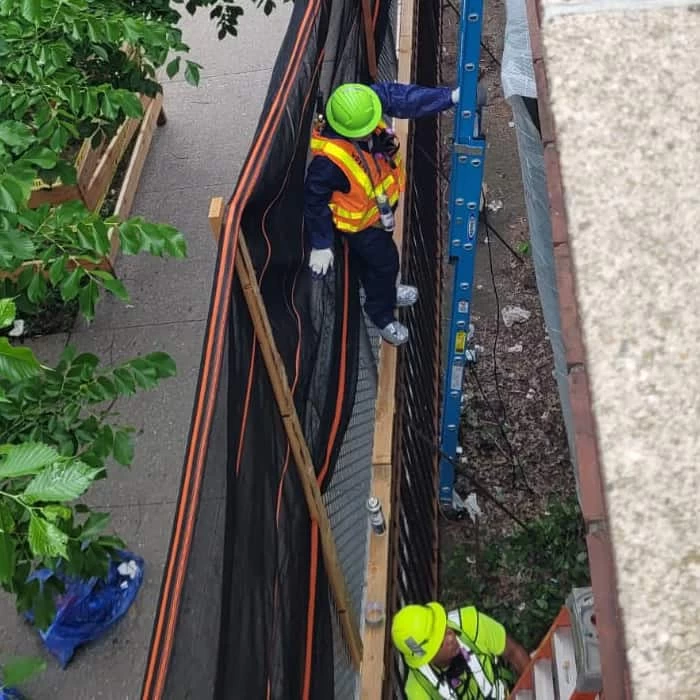
Flooding in New Castle isn’t a fluke — it’s a documented, recurring risk. We respond in 60 minutes, handle everything from water extraction to full restoration, and bill your insurance directly.
I needed a professional consultation explanation of procedure for safe removal of Asbestos in my apartment complex. Without having an account yet, I was very impressed with the caring, knowledgeable and generous advice offered by Jessica, and will look forward to doing business in the future. Thank you so much! I feel much more informed about a sometimes scary endeavor. Peace. Nancy Silva Mineola, NY.
Mia Munoz
Used this company to clean up some water flood in my house. They were fast and easy to work with.very professional, Would recommend to anyone!
Nini Valle
Great company, had a flood and they responded quickly and efficiently. Billed my insurance company directly. I highly recommend this company!
joe colapietro, jr
I had pipe freeze in my basement right before a snow storm and they made to within an hour to help start the clean up process. They we by our side throughout the entire process and even helped with the insurance company. They did such a great job with the cleanup, repair, remidiation, I contracted them to perform the repairs and finishes in the basement. They came with enough manpower and material to get the job done. Leo and Jessica were nothing but a pleasure to deal with!!
Cristian Arredondo c
I had some water damage in my home and Green Island was able to take care of my issue quickly and effectively. I am very pleased with the work they did. They responded quickly and were very professional.
Michael M
Outstanding service! From the office to the field crew everyone was friendly, helpful and responsive. I highly recommend Green Island Group.
Your New Castle Home Dry, Safe, and Fully Documented
The visible water is only part of the problem. What gets left behind — inside wall cavities, under subfloors, behind the plaster in a 1950s Chappaqua Colonial — is where the real damage compounds. Moisture that isn’t fully extracted and dried within 24 to 48 hours creates conditions for mold growth, and once mold establishes itself in a structure, you’re looking at a remediation project on top of a restoration project. Getting the water out fast matters, but getting it all out is what actually protects your home.
For New Castle specifically, that older housing stock is a real factor. Many of the most desirable homes in Chappaqua were built between the 1930s and 1960s — large Colonials, Tudors, and Capes with original framing, plaster walls, and materials that absorb moisture differently than modern construction. Those homes also carry a higher likelihood of containing asbestos or lead-based paint in areas that flood damage commonly disturbs. A restoration company that isn’t licensed to handle those materials legally can’t complete the full scope of work in your home — and in New York State, that’s not a technicality, it’s the law.
What you get at the end of this process is a home that’s structurally dry, environmentally safe, and fully documented for your insurance claim. No hidden moisture, no untested materials, no handoff to a third-party abatement contractor halfway through the job.
We’ve been doing environmental restoration work in New York for over 12 years and have completed more than 5,000 projects across the state. That includes homes throughout Westchester County — including properties in New Castle within the Saw Mill River corridor where repeat flooding is a documented reality, not a hypothetical.
What separates us from most regional competitors isn’t just experience — it’s the credential stack. We hold IICRC Water Damage Restoration certification, a NYS DOL Mold License, a NYS DOL Asbestos License, USEPA Lead and RRP certification, and NYS/NYC M/WBE Certified Contractor status. We also work directly with the NYS Office of General Services, which means the state has already vetted us. For a homeowner in New Castle with a pre-1978 home and a flooded basement, that list of credentials isn’t a brochure detail — it’s the difference between a company that can legally complete your restoration and one that can’t.
We’re fully insured, including both general liability and workers’ compensation, and every project is backed by a 100% Satisfaction Guarantee.
When you call, a crew is dispatched immediately — the goal is to be on-site within 60 minutes. The first thing that happens when our team arrives isn’t water extraction — it’s assessment. We use industrial moisture meters and thermal imaging equipment to map exactly where water has traveled, including areas you can’t see. In older Chappaqua homes, that often means checking inside wall cavities, crawl spaces, and beneath original hardwood floors where water migrates silently.
Once the full picture is documented — both for the restoration plan and for your insurance claim — extraction begins. We deploy commercial-grade pumps and wet vacuums to remove standing water, followed by high-velocity air movers and industrial dehumidifiers that drive the structural drying process. This phase typically runs for several days, with moisture readings taken regularly to confirm progress. If any materials test positive for asbestos or lead — which is a real possibility in New Castle’s older housing stock — we handle licensed abatement in-house, without subcontracting or scheduling delays.
Because New Castle falls under Chapter 70 of the Town Code’s Flood Damage Prevention ordinance, structural repair work in FEMA-designated Special Flood Hazard Areas requires a local floodplain development permit from the town’s Building Division on South Greeley Avenue. We navigate that process as part of the job — you don’t have to figure out the permitting side on your own.
Flood restoration at our company covers the complete scope — from the moment water enters your home to the day the last repair is finished. That means emergency water extraction, structural drying, mold prevention treatment, environmental testing and abatement where needed, and full reconstruction of any damaged areas. One company, one point of contact, start to finish.
For homeowners near the Saw Mill River or Tertia Brook — both of which run through New Castle and are covered under the active Chappaqua Flood Protection Project managed by the U.S. Army Corps of Engineers — the risk of repeat flooding is real. We provide documentation and restoration work that holds up to insurance scrutiny and meets the town’s floodplain development requirements. That matters when you’re filing a claim or pulling a permit for structural repairs.
On the financial side, we bill insurance directly for covered losses, which removes the upfront payment burden during an already stressful situation. For losses that fall outside your coverage — and standard homeowners insurance in New York typically does not cover surface water flooding from a river overflow — we offer financing up to $200,000 at 0% APR. Many New Castle homeowners are surprised to find that their policy has this gap. Having a financing option that doesn’t add interest to an already expensive situation makes a real difference.
Does homeowners insurance cover Saw Mill River flooding in New Castle?
This is one of the most common surprises for New Castle homeowners after a flood event. Standard homeowners insurance policies in New York do not cover flooding caused by surface water, storm surge, or overflow from a body of water — which is exactly what happens when the Saw Mill River rises and reaches homes in the Chappaqua hamlet. That type of flood damage is only covered if you carry a separate flood insurance policy, typically through FEMA’s National Flood Insurance Program.
New Castle participates in the NFIP and has FEMA-mapped Special Flood Hazard Areas within town boundaries — FEMA Community Number 360921. If your property falls within one of those mapped zones, your mortgage lender may have required you to carry flood insurance. If you’re outside the mapped zone, you may have no coverage at all for a river overflow event. We bill insurance directly when coverage exists, and for situations where it doesn’t, we offer financing up to $200,000 at 0% APR so the cost of restoring your home doesn’t become a separate financial crisis.
How quickly does mold start growing after a basement flood?
Mold can begin developing in wet building materials within 24 to 48 hours of a water event — sometimes faster in humid summer conditions, which Westchester County experiences regularly between June and August. That timeline isn’t meant to create panic, but it does explain why the speed of response matters as much as the quality of the work. Standing water that sits for 12 hours while you wait for a callback has already started the clock on potential mold growth.
In New Castle’s older homes, the risk is compounded by the types of materials involved. Plaster walls, original wood framing, and cellulose-based insulation found in mid-century Chappaqua Colonials absorb and retain moisture more readily than modern drywall and foam insulation. That moisture doesn’t always show on the surface. We use thermal imaging and moisture meters on every job specifically to find the saturation that isn’t visible — because the mold that grows inside a wall cavity is just as real as the mold you can see, and significantly harder to remediate once it’s established.
My Chappaqua home was built in the 1950s — is asbestos a concern during flood restoration?
Yes, and it’s worth taking seriously. Homes built before 1980 — which covers a large portion of Chappaqua’s housing stock — may contain asbestos in floor tiles, ceiling tiles, pipe insulation, joint compound, and other materials that are commonly disturbed during flood restoration work. Cutting into walls, removing flooring, or pulling out damaged insulation without first testing and, if necessary, abating those materials is not just a health risk — it’s illegal under New York State law.
NYS DOL requires that asbestos abatement be performed only by contractors holding a valid Asbestos License, with pre-notification filed with the Department of Environmental Protection at least seven days before work begins. Most flood restoration companies in Westchester do not hold this license. We do — along with USEPA Lead and RRP certification for homes with lead-based paint. If your home was built before 1978, you should confirm that any restoration contractor you hire holds both credentials before allowing them to begin demolition or removal work. In New Castle, where the housing stock is older and home values are high, the cost of cutting that corner is not worth it.
Do I need a permit for flood restoration repairs in New Castle, NY?
It depends on the scope of the work. Cosmetic repairs — replacing flooring, repainting, installing new trim — typically don’t require a permit. But structural repairs, wall reconstruction, and any work on a property located within a FEMA-designated Special Flood Hazard Area fall under New Castle’s Chapter 70 Flood Damage Prevention ordinance, which requires a floodplain development permit from the town’s Building Division at 200 South Greeley Avenue in Chappaqua.
If your home sustained significant structural damage, there’s also a “substantial damage” threshold to be aware of. Under FEMA guidelines, if the cost of restoring a flood-damaged structure exceeds 50% of its pre-flood market value, the repairs must bring the entire structure into compliance with current floodplain management regulations — which can include elevating the structure. This is less common for typical flood events, but it’s a real consideration for properties in New Castle’s mapped flood zones near the Saw Mill River or Tertia Brook. We handle the permitting coordination as part of the restoration process so you’re not navigating that on your own.
How long does flood restoration typically take from start to finish?
The timeline depends on how much water entered the structure, how long it sat before extraction began, and what materials were affected. For a straightforward basement flooding event — water extracted within a few hours of the incident, no structural damage, no environmental concerns — the drying phase typically runs three to five days, after which any needed repairs can begin. Total project time in that scenario might be one to two weeks.
For more significant events — like a Saw Mill River overflow that saturates a finished basement, reaches wall cavities, and sits for 24 hours or more before anyone calls — the timeline extends. Structural drying takes longer, mold testing and prevention treatment adds time, and if asbestos or lead abatement is required, New York State’s pre-notification requirements add at least seven days before that phase can begin. The more honestly a restoration company assesses the full scope upfront, the more accurate the timeline will be. We provide a clear scope and timeline before work begins, not a moving estimate that keeps changing as the job progresses.
Can flood restoration be done in winter in New Castle, and does timing affect the outcome?
Winter is actually one of the busier seasons for water damage calls in New Castle — not from river flooding, but from burst pipes. The town’s older homes, many with original or aging plumbing running through uninsulated crawl spaces or exterior walls, are vulnerable during cold snaps. A pipe that freezes and bursts in a Chappaqua Colonial can release hundreds of gallons of water before anyone notices, and in a finished basement or first-floor space, that’s a significant event.
Flood restoration can absolutely be performed in winter, but the drying process requires more attention to temperature management. Cold air holds less moisture than warm air, which affects how efficiently commercial dehumidifiers work. In winter jobs, we use heating equipment in tandem with air movers and dehumidifiers to maintain conditions that support effective structural drying. We adjust the equipment setup based on actual conditions on-site — not a one-size-fits-all approach. If you’re dealing with a burst pipe or winter water intrusion in New Castle, the process is the same: call, get a crew on-site fast, and don’t let the water sit while you figure out next steps.