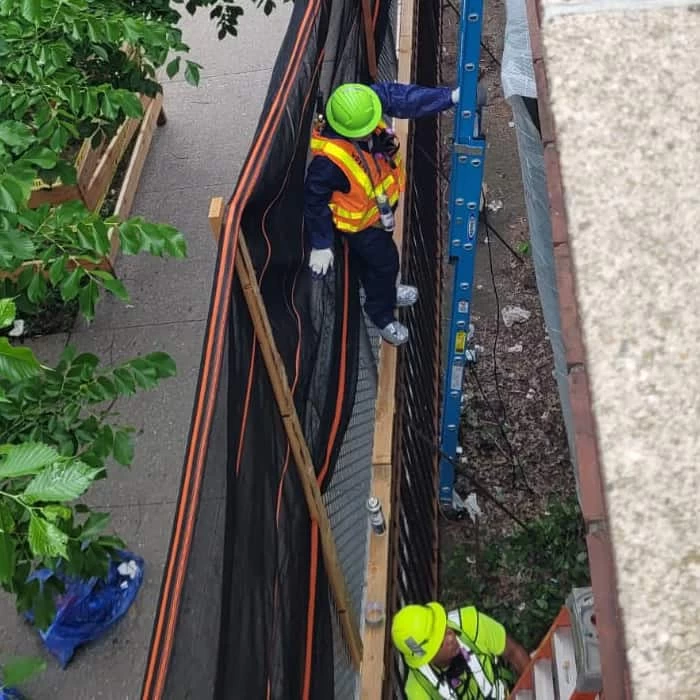
I needed a professional consultation explanation of procedure for safe removal of Asbestos in my apartment complex. Without having an account yet, I was very impressed with the caring, knowledgeable and generous advice offered by Jessica, and will look forward to doing business in the future. Thank you so much! I feel much more informed about a sometimes scary endeavor. Peace. Nancy Silva Mineola, NY.
Mia Munoz
Used this company to clean up some water flood in my house. They were fast and easy to work with.very professional, Would recommend to anyone!
Nini Valle
Great company, had a flood and they responded quickly and efficiently. Billed my insurance company directly. I highly recommend this company!
joe colapietro, jr
I had pipe freeze in my basement right before a snow storm and they made to within an hour to help start the clean up process. They we by our side throughout the entire process and even helped with the insurance company. They did such a great job with the cleanup, repair, remidiation, I contracted them to perform the repairs and finishes in the basement. They came with enough manpower and material to get the job done. Leo and Jessica were nothing but a pleasure to deal with!!
Cristian Arredondo c
I had some water damage in my home and Green Island was able to take care of my issue quickly and effectively. I am very pleased with the work they did. They responded quickly and were very professional.
Michael M
Outstanding service! From the office to the field crew everyone was friendly, helpful and responsive. I highly recommend Green Island Group.
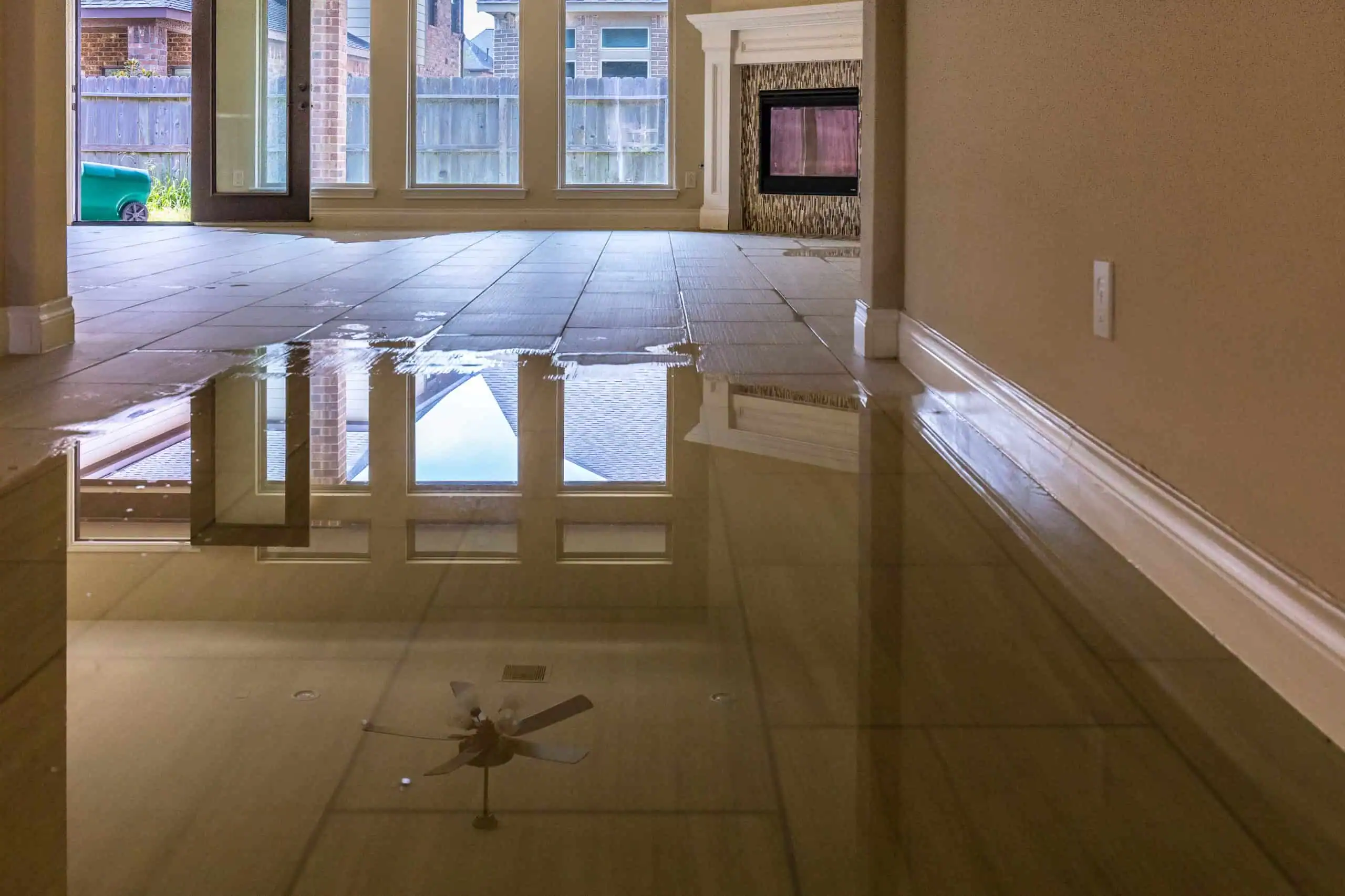
Standing water in a finished basement doesn’t just ruin flooring — it starts a clock. Mold can begin growing inside wall cavities within 24 hours of a flood event, and by the time you see it on the surface, it’s already been spreading behind your walls for days. In a North Castle home worth over a million dollars, that’s not just a health problem. It’s a restoration project that compounds every hour you wait.
North Castle’s terrain makes this worse than most people expect. The rolling hills around Armonk and the Wampus Brook corridor concentrate storm runoff fast. After a heavy summer storm or a nor’easter, water doesn’t just trickle in — it moves. Homes in the lower sections of North Castle, particularly near the Kensico Reservoir corridor along Route 22, can see water intrusion from multiple directions at once. That means more surface area affected, more materials saturated, and more hidden moisture trapped inside finished walls and subfloors that surface-level cleanup simply won’t reach.
What changes when you call us immediately is the scope of what can be saved. Hardwood floors that are extracted and dried within the first few hours can often be salvaged. Custom millwork, built-in cabinetry, and finished drywall that sit wet for 48 hours almost certainly cannot. The difference between a $4,000 restoration and a $40,000 reconstruction often comes down to how fast the right equipment got there — and whether the contractor had the credentials to handle everything from water extraction to mold remediation under one roof.
Licensed Flood Restoration Contractor North Castle
The Credentials That Actually Protect Your North Castle Home
We’ve been restoring properties across Westchester County for over 12 years and have completed more than 5,000 projects across New York State. That’s not a number we throw out to sound impressive — it means we’ve seen every flooding scenario North Castle produces, from spring sump pump failures in finished Armonk basements to post-storm flash flooding in North White Plains neighborhoods after events like Tropical Storm Ida.
What sets us apart in North Castle specifically is the credential stack. We hold the NYS DOL Mold License, the NYS DOL Asbestos License, and the USEPA Lead/RRP Certification — the full set of environmental credentials required to safely restore older homes where flood water may have disturbed asbestos-containing materials or lead paint. Many homes in North White Plains and older sections of Armonk were built before 1980, and most restoration contractors serving this area are not licensed to handle what they might find inside those walls. We are.
We’re also NYS and NYC M/WBE Certified, fully insured with liability and Workers’ Compensation coverage, and we bill your insurance directly so you’re not dealing with paperwork while your home is still wet.
From Your First Call to a Fully Restored North Castle Home
When you call, we’re moving. Our 60-minute on-site response commitment isn’t a window — it’s a hard target. The first thing we do when we arrive is assess the full scope of water intrusion using industrial moisture meters and thermal imaging. This matters more than most homeowners realize. What looks dry on the surface is often still saturated inside wall cavities, under subfloors, and within insulation — and consumer fans won’t touch it. We find it before it becomes mold.
From there, we extract standing water with commercial-grade equipment, set up industrial drying systems, and begin the documentation process for your insurance claim. We handle all communication with your carrier directly, which means you’re not translating damage reports or chasing adjusters while your home is mid-restoration. In North Castle, where the North Castle Building Department in Armonk handles all permitting for structural repair work, we manage the permit process as part of the job — not as an add-on conversation later.
If the assessment turns up asbestos-containing materials — a real possibility in pre-1980 homes in North White Plains or older Armonk properties — we handle abatement in-house under our NYS DOL Asbestos License, with proper DEP notification filed before work begins. Once the structure is dry, tested, and cleared, our reconstruction team takes over: framing, drywall, flooring, finishes, all the way through final walkthrough. One company, start to finish.
Full-Scope Restoration Built for North Castle Homes
Flood restoration in North Castle isn’t one-size-fits-all. A finished basement in a $1.5 million Armonk home with custom hardwood floors and built-in cabinetry requires a different approach than a bare concrete utility space. We scope every job individually — assessing materials, moisture levels, structural integrity, and environmental hazards before a single piece of equipment gets placed.
Our full-service model covers emergency water extraction, structural drying, mold remediation, asbestos abatement when required, lead-safe work practices under USEPA RRP guidelines, and complete reconstruction through final finishes. For homeowners near the Kensico Reservoir who fall within the NYC DEP watershed protection zone, we’re familiar with the environmental compliance considerations that apply to restoration work in that area — something most contractors in this market have never encountered. We also carry IICRC Water Damage Certification, which governs the technical standards behind how drying and remediation work is actually performed, not just whether someone shows up with a dehumidifier.
On the financial side, we offer financing up to $200,000 at 0% APR — relevant even in a high-income market like North Castle because standard homeowners policies frequently exclude ground-water flooding, leaving real out-of-pocket exposure regardless of what your home is worth. We also back every job with a 100% Satisfaction Guarantee. If it’s not right, we make it right.
Does homeowners insurance cover basement flooding in North Castle, NY?
It depends on the source of the water, and this distinction matters more than most people realize. Standard homeowners insurance policies typically cover sudden and accidental water damage — a burst pipe, an appliance failure, or water that enters through a roof damaged in a storm. What most standard policies do not cover is ground-water flooding: water that rises from the ground, enters through foundation walls, or backs up through a floor drain after a heavy storm event.
In North Castle, where summer flash flooding and post-storm runoff from the hilly terrain around Armonk and the Wampus Brook corridor are recurring events, this coverage gap is significant. Flood damage from rising ground water requires a separate flood insurance policy, typically through the National Flood Insurance Program. If you’re not sure what your policy covers, the first thing to do is call your broker and ask specifically about ground-water intrusion and sewer backup coverage. In the meantime, document everything — photos, video, a written timeline of when you discovered the damage. We handle all insurance documentation and bill your carrier directly, but the stronger your initial documentation, the smoother your claim goes.
How quickly does mold start growing after a basement flood?
Mold can begin colonizing wet materials within 24 hours of a flood event under the right conditions — and in a finished basement with drywall, wood framing, and insulation, those conditions are almost always present. Visible mold patches can appear within 48 to 72 hours. But the more dangerous scenario is mold that’s already growing inside wall cavities and under subfloors before you can see any surface signs at all.
This is why the response window matters so much. Extraction and drying that begins within the first few hours dramatically reduces the likelihood of mold taking hold. If water has been sitting for more than 24 to 48 hours — which is common after a major storm event when contractors are backed up across Westchester County — a mold assessment should be part of the restoration scope, not an afterthought. We use moisture meters and thermal imaging to locate hidden saturation that standard visual inspection misses, and our team holds the NYS DOL Mold License legally required to perform mold remediation in New York State. That license is not optional — it’s the law, and many contractors operating in this area don’t have it.
What should I do immediately after my North Castle basement floods?
The first priority is safety. If there’s any chance electrical outlets, panels, or appliances are submerged or near the water line, don’t enter the space until power to that area has been shut off at the breaker. Water and live electricity in a basement is a serious hazard, and it’s not worth the risk to grab anything before that’s confirmed safe.
Once you’ve established it’s safe to enter, start documenting. Take photos and video of everything — the water level, affected materials, visible damage to walls, floors, furniture, and contents. Don’t throw anything away yet, even if it looks ruined. Insurance adjusters need to see the damage before items are discarded, and removing materials prematurely can complicate your claim. Then call us immediately. In North Castle, where summer storms and post-Irene-style flooding events can hit the Armonk area hard and fast, the contractors who respond within the hour are the ones who prevent a manageable restoration from turning into a months-long reconstruction. We’re on-site within 60 minutes of your call, any time of day or night.
My North Castle home was built before 1980 — does that affect flood restoration?
Yes, and it’s one of the most important questions you can ask before hiring a restoration contractor. Homes built before 1980 — which includes a significant portion of the housing stock in North White Plains and older sections of Armonk — commonly contain asbestos in floor tiles, pipe insulation, ceiling tiles, and joint compound. They may also have lead paint on walls and trim. When flood water saturates these materials and a restoration crew starts cutting, pulling, and demolishing, those hazards can become airborne if the work isn’t handled properly.
New York State law requires that asbestos abatement be performed by a licensed contractor who files proper notification with the Department of Environmental Protection at least seven days before work begins. The USEPA Lead/RRP certification governs safe work practices when lead paint is disturbed during renovation or restoration. We hold both credentials — the NYS DOL Asbestos License and the USEPA Lead/RRP Certification — along with the NYS DOL Mold License. Most restoration companies serving Westchester County hold one of these licenses at most. If your home predates 1980 and you’re hiring someone who can’t show you all three, you’re taking on real legal and health risk that doesn’t need to be there.
How long does flood restoration take from start to finish?
The honest answer is that it depends on the scope, and scope is something you won’t fully know until a licensed contractor has done a proper moisture assessment — not just a visual walkthrough. That said, here’s a realistic framework. Emergency water extraction typically happens within the first few hours of our arrival. Industrial drying takes anywhere from three to five days for a standard basement, though homes with finished walls, thick subfloors, or significant insulation can take longer because moisture is trapped in materials that dry slowly.
If mold remediation is required, that adds time — typically several days to a week depending on the extent of growth and the materials affected. Structural repairs and reconstruction vary the most widely: replacing drywall, flooring, and trim in a finished basement might take one to two weeks. A more extensive reconstruction involving framing, electrical, or custom finishes can take four to six weeks or longer. In North Castle, where the North Castle Building Department in Armonk handles permitting for structural work, we factor permit timelines into the project schedule from the start so there are no surprises mid-job.
Does Green Island Group offer financing for flood restoration in North Castle?
Yes — up to $200,000 at 0% APR. This option exists because flood damage creates financial disruption that doesn’t follow a convenient timeline, even in a high-income community like North Castle. Standard homeowners policies frequently exclude ground-water flooding and storm-surge events, which means a significant portion of restoration costs can fall outside your covered claim regardless of how comprehensive your policy looks on paper. When that happens, you’re facing a large out-of-pocket expense at the exact moment your home is uninhabitable.
The 0% APR financing means you can start restoration immediately — before insurance settles, before you’ve had time to liquidate anything, before the mold that’s been growing for 48 hours gets another week to spread — and pay over time without interest accumulating on the balance. For homeowners in Armonk and the surrounding area whose homes represent a significant portion of their net worth, protecting that asset quickly and managing the cash flow separately is often the smarter financial decision. We can walk you through the financing process when we’re on-site, and it doesn’t require you to have everything figured out before work begins.