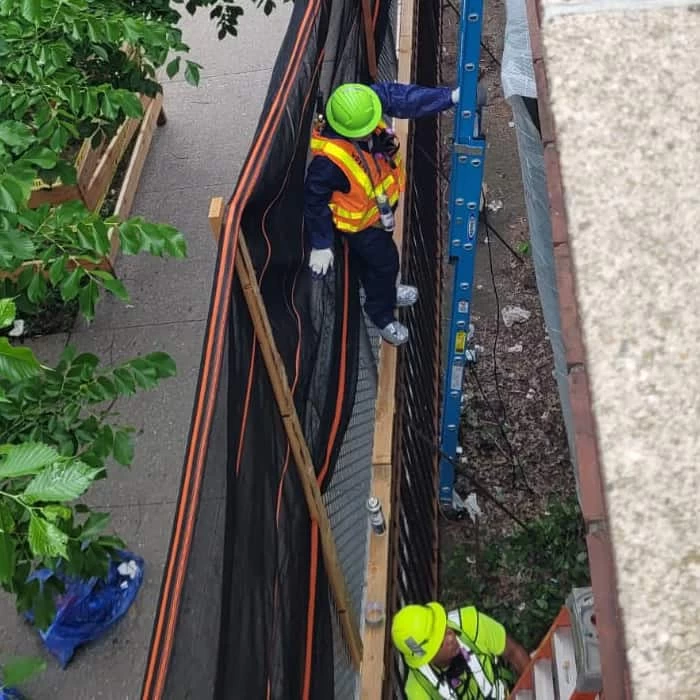
I needed a professional consultation explanation of procedure for safe removal of Asbestos in my apartment complex. Without having an account yet, I was very impressed with the caring, knowledgeable and generous advice offered by Jessica, and will look forward to doing business in the future. Thank you so much! I feel much more informed about a sometimes scary endeavor. Peace. Nancy Silva Mineola, NY.
Mia Munoz
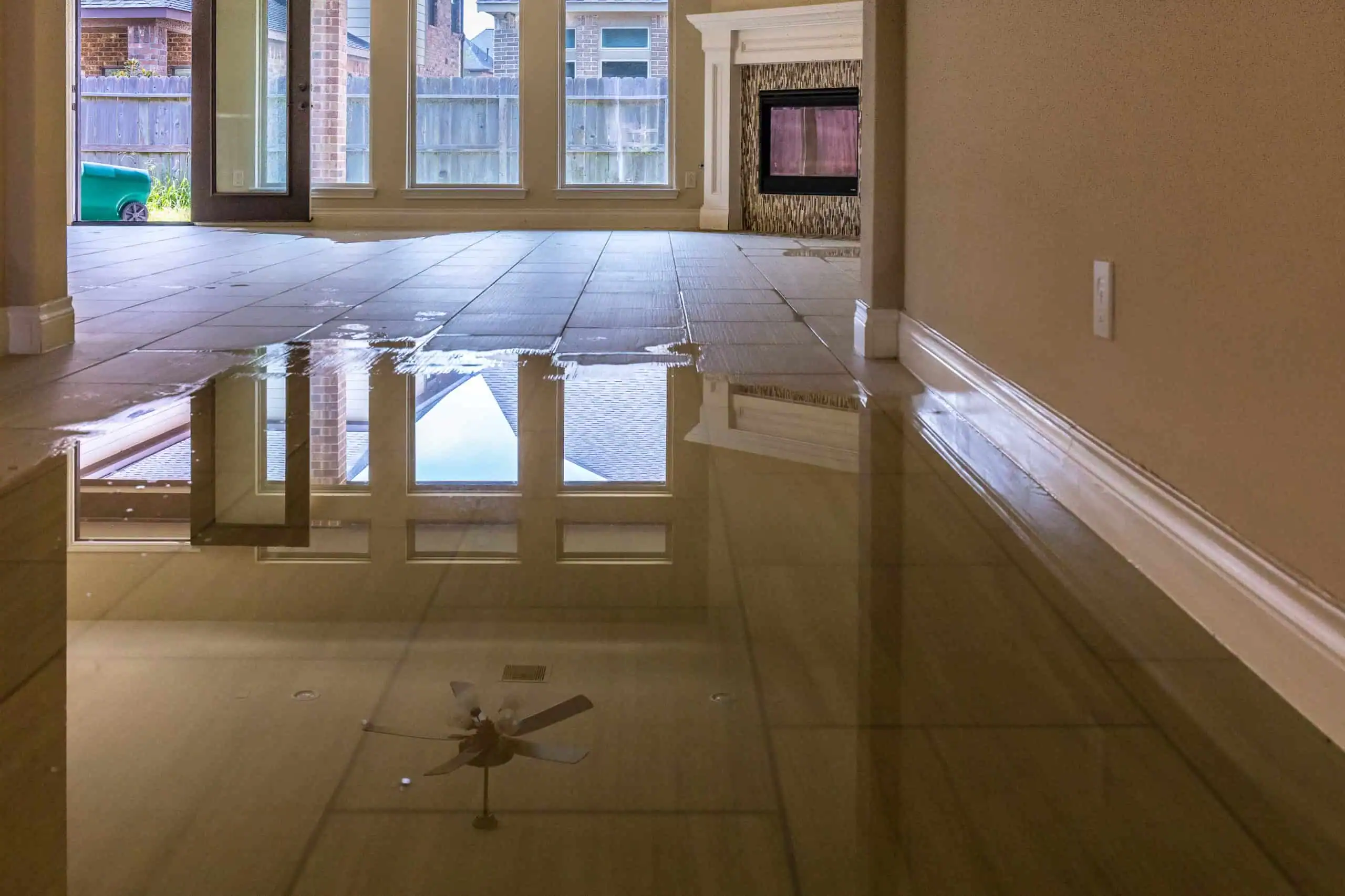
Used this company to clean up some water flood in my house. They were fast and easy to work with.very professional, Would recommend to anyone!
Nini Valle
Great company, had a flood and they responded quickly and efficiently. Billed my insurance company directly. I highly recommend this company!
joe colapietro, jr
I had pipe freeze in my basement right before a snow storm and they made to within an hour to help start the clean up process. They we by our side throughout the entire process and even helped with the insurance company. They did such a great job with the cleanup, repair, remidiation, I contracted them to perform the repairs and finishes in the basement. They came with enough manpower and material to get the job done. Leo and Jessica were nothing but a pleasure to deal with!!
Cristian Arredondo c
I had some water damage in my home and Green Island was able to take care of my issue quickly and effectively. I am very pleased with the work they did. They responded quickly and were very professional.
Michael M
Outstanding service! From the office to the field crew everyone was friendly, helpful and responsive. I highly recommend Green Island Group.
Your Orangeburg Home Dried Out, Cleared Out, and Back to Normal
Orangeburg floods fast. Anyone who was near the intersection of Route 303 and Orangeburg Road during the remnants of Hurricane Ida in 2021 knows exactly what that means — the NYS Water Rescue Team pulled 11 people from floodwaters at that corner alone. When a storm like that pushes water into your basement, your crawlspace, or your walls, the damage doesn’t stop when the rain does. It keeps going — quietly, invisibly — until someone with the right equipment comes in and stops it.
What you get when that process is handled correctly is more than a dry floor. You get walls that aren’t silently holding moisture behind the drywall. You get subfloors that aren’t softening underneath the tile. You get the confidence that mold isn’t forming in a cavity you can’t see. That outcome matters everywhere, but it matters more in Orangeburg, where roughly 72% of the housing stock was built before 1980. Older homes absorb water differently than new construction — more organic materials, less airtight assemblies, more places for moisture to hide.
The other outcome worth naming is simplicity. One company handles everything from the first water extraction call through the final reconstruction. No juggling a mitigation crew, a mold remediator, and a general contractor. No gaps in accountability. You make one call, and the job gets done start to finish.
State-Vetted, Rockland-Tested, and Built for This Work
We’ve been doing environmental restoration work across New York for over 12 years — not just water damage calls, but the full scope of what flood events actually create: mold, asbestos disturbance, lead paint exposure, structural damage. We hold the NYS DOL Mold Contractor License, NYS DOL Asbestos License, USEPA Lead and RRP certifications, and IICRC Water Damage Restoration Certification. That combination isn’t common. Most contractors serving Orangeburg and the broader Rockland County area hold one or two of those credentials. We hold all of them.
We’re also NYS and NYC M/WBE Certified and work as an approved contractor for the NYS Office of General Services — meaning the state has independently audited and approved us for public infrastructure work. That level of institutional accountability doesn’t happen by accident. It’s the result of 12 years of documented work, proper licensing, and a track record that holds up under scrutiny. When you’re choosing who comes into your Orangeburg home after a flood, that scrutiny matters.
What Actually Happens From the First Call to the Last Nail
The first step is response — on-site within 60 minutes of your call, 24 hours a day. When our crew arrives, the immediate priority is stopping the damage from spreading. That means extracting standing water, identifying the source if it’s still active, and setting up industrial drying equipment to begin pulling moisture out of the structure. This isn’t a shop vac and a box fan situation. It’s commercial-grade extraction and dehumidification that works at a scale your home actually needs.
From there, the focus shifts to what’s hidden. In Orangeburg’s older homes — many of them built on former Camp Shanks land in the late 1940s through the 1960s — water finds its way into plaster walls, wood subfloors, and older insulation materials that hold moisture long after the surface looks dry. We use thermal imaging and moisture meters to locate those pockets before they become a mold problem. If the assessment turns up materials that contain asbestos or lead paint — which is a real possibility in any pre-1978 home in this hamlet — our team is licensed to handle that abatement on the spot, without pausing the job to bring in a separate contractor.
Once the structure is confirmed dry and any hazardous materials are addressed, reconstruction begins. Drywall, flooring, framing, finishing — whatever the flood took, we rebuild it. Any work requiring a permit goes through the Town of Orangetown Building Department, and we handle that process as part of the job. You don’t have to manage it.
Everything a Flood Leaves Behind, Handled in One Scope
Flood restoration in Orangeburg isn’t a single service — it’s a sequence of connected problems that have to be handled in the right order by people who are licensed to handle each one. We cover the full sequence: emergency water extraction, structural drying, moisture mapping, mold remediation, asbestos abatement, lead-safe demolition and reconstruction, HVAC cleaning, and full finish work. Nothing gets handed off to a subcontractor you’ve never met.
The asbestos and lead piece is worth understanding if you own an older home here. Orangeburg’s housing stock is predominantly mid-century construction — homes built between the late 1940s and the 1970s, many of them on land that was part of Camp Shanks after the war. Floor tiles, pipe insulation, joint compound, and roofing materials in homes from that era frequently contain asbestos. Any home built before 1978 is presumed under federal law to contain lead-based paint. When floodwater forces demolition of wet materials, those substances become a genuine exposure risk. We hold the specific state and federal licenses required to handle that work legally and safely — a credential most competitors in this market simply don’t carry.
On the financial side, we bill insurance directly with zero upfront cost during the emergency. If you’re uninsured for flood damage — which is more common than most people realize, since standard homeowners policies typically exclude external flood events — we offer financing up to $200,000 at 0% APR. No other contractor serving Orangeburg offers that.
How quickly can flood restoration begin at my Orangeburg home?
We’re on-site within 60 minutes of your call, any time of day or night. That response window matters more than most people realize. Mold can begin developing in wet materials within 24 hours of a flood event — and in the older homes that make up most of Orangeburg’s housing stock, with their plaster walls and wood subfloors, that process moves faster than it would in newer construction.
Waiting for a callback window, a morning appointment, or an adjuster’s authorization before extraction begins is how a manageable water damage job turns into a full mold remediation project. The 60-minute response commitment isn’t a marketing line — it’s the operational standard we’re built around, because the timeline of flood damage doesn’t wait for business hours.
Does homeowners insurance cover flood damage in Orangeburg, NY?
It depends on the source of the water, and the answer surprises a lot of homeowners. Standard homeowners insurance policies typically cover sudden, internal water events — a burst pipe, a failed water heater, an appliance leak. They typically do not cover flooding from external sources, meaning stormwater that enters through the foundation, a flooded street that backs up into your basement, or rising groundwater. For that type of coverage, you’d need a separate flood insurance policy through FEMA’s National Flood Insurance Program or a private carrier.
Orangeburg has documented recurring flood events — the Route 303 corridor floods during significant storms, and the hamlet is specifically named in National Weather Service flood warnings for Rockland County. If you’re not sure whether your policy covers what happened, we can help you document the damage and communicate directly with your carrier. If your coverage has gaps, the 0% APR financing option up to $200,000 exists specifically for situations like that.
My Orangeburg home was built in the 1960s — does that affect how flood restoration is handled?
Yes, and it’s an important question. Homes built before 1978 are presumed under federal law to contain lead-based paint, and homes built through the mid-1980s frequently contain asbestos in floor tiles, pipe insulation, joint compound, and other building materials. When floodwater forces you to tear out wet drywall, damaged flooring, or saturated insulation, those materials can become a hazardous exposure risk if they’re not handled by a licensed contractor.
New York State requires asbestos abatement to be performed by a contractor holding a NYS DOL Asbestos License, with proper notification to the state at least 10 business days before work begins in non-emergency situations. USEPA Lead and RRP rules require certified renovators for any repair work in pre-1978 homes. We hold both credentials. Most of the companies that show up in search results for flood restoration in Orangeburg do not. If your home was built before 1980 — which describes the majority of homes in this hamlet — that distinction is not a minor detail.
How do I know if there's hidden moisture in my walls after a flood?
You usually can’t tell by looking. That’s the problem. A basement can appear dry within a day or two of a flood event while the wall cavity behind the drywall, the subfloor beneath the tile, or the insulation inside the framing holds significant moisture. In Orangeburg’s older homes — built with plaster walls, wood framing, and older insulation materials — that hidden moisture can persist for weeks before it becomes visible as a stain, a smell, or active mold growth.
We use thermal imaging cameras and calibrated moisture meters to map the actual moisture content of walls, floors, and ceilings — not just the surfaces. This step happens at the beginning of every job, before any drying equipment is placed, so the drying plan is based on where the moisture actually is rather than where it looks like it might be. It’s also how you avoid the scenario where a home looks restored but develops a mold problem six months later because a wet wall cavity was never identified.
What's the difference between water mitigation and full flood restoration?
Water mitigation is the emergency phase — extracting standing water, setting up drying equipment, and stopping the damage from spreading further. It’s the first 24 to 72 hours of the response. Restoration is everything that comes after: removing damaged materials, addressing any mold or hazardous material issues, and rebuilding what the flood destroyed. Many companies do one or the other. When a mitigation company finishes and hands the job off to a general contractor, you’re now coordinating between two separate businesses with two separate scopes, two separate timelines, and no shared accountability for the outcome.
We handle both phases under a single contract. That matters practically — there’s no gap between when the drying crew leaves and when the rebuild crew shows up — and it matters financially, because the documentation for your insurance claim is consistent from start to finish rather than split between two different companies with two different invoices.
Does Green Island Group handle flood restoration permits through the Town of Orangetown?
Yes. Any reconstruction work that involves structural repairs, drywall replacement, or significant rebuilding requires a permit through the Town of Orangetown Building Department, which is located right here at 26 Orangeburg Road. Navigating that process while also managing a flood-damaged home, an insurance claim, and your regular life is a real burden — and it’s one that we take off your plate as part of the job.
This is also relevant for asbestos abatement work specifically. New York State requires notification to the NYS Department of Labor before licensed asbestos abatement begins. That notification process, the permit coordination with Orangetown, and the documentation required for your insurance carrier are all handled as part of the scope. You don’t need to become an expert in municipal permitting while your basement is still wet. That’s what we’re here for.