When the Saw Mill Floods, Pleasantville Calls First
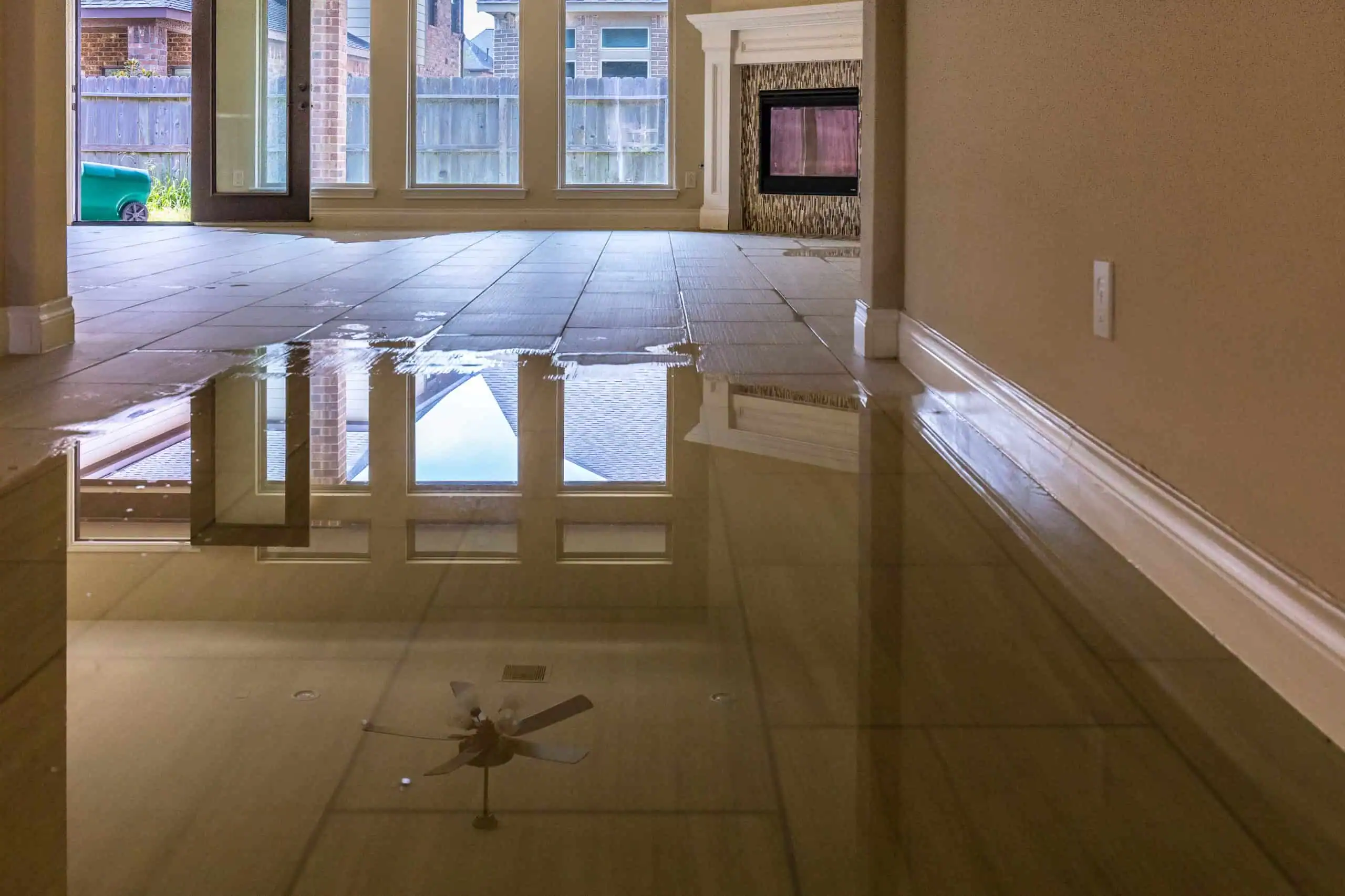
Basement underwater, walls soaked, clock already ticking — we’re on-site in 60 minutes, handle your insurance directly, and restore everything from floor to ceiling.
I needed a professional consultation explanation of procedure for safe removal of Asbestos in my apartment complex. Without having an account yet, I was very impressed with the caring, knowledgeable and generous advice offered by Jessica, and will look forward to doing business in the future. Thank you so much! I feel much more informed about a sometimes scary endeavor. Peace. Nancy Silva Mineola, NY.
Mia Munoz
Used this company to clean up some water flood in my house. They were fast and easy to work with.very professional, Would recommend to anyone!
Nini Valle
Great company, had a flood and they responded quickly and efficiently. Billed my insurance company directly. I highly recommend this company!
joe colapietro, jr
I had pipe freeze in my basement right before a snow storm and they made to within an hour to help start the clean up process. They we by our side throughout the entire process and even helped with the insurance company. They did such a great job with the cleanup, repair, remidiation, I contracted them to perform the repairs and finishes in the basement. They came with enough manpower and material to get the job done. Leo and Jessica were nothing but a pleasure to deal with!!
Cristian Arredondo c
I had some water damage in my home and Green Island was able to take care of my issue quickly and effectively. I am very pleased with the work they did. They responded quickly and were very professional.
Michael M
Outstanding service! From the office to the field crew everyone was friendly, helpful and responsive. I highly recommend Green Island Group.
When flooding hits a Pleasantville home, the visible water is only part of the problem. What you can’t see — moisture trapped inside wall cavities, under subfloors, behind insulation — is what turns a manageable situation into a mold problem three weeks later. Getting the surface dry isn’t enough. Getting everything dry is what actually protects your home.
Pleasantville’s lower-lying areas, including The Flats, sit in the Saw Mill River watershed where storm drainage gets overwhelmed fast during heavy rain events. Westchester County has documented rainfall rates of two to three inches per hour during severe storms, and when that happens, basements in this village fill up quickly. The geography here isn’t forgiving, and a cleanup approach that isn’t thorough pays for it later.
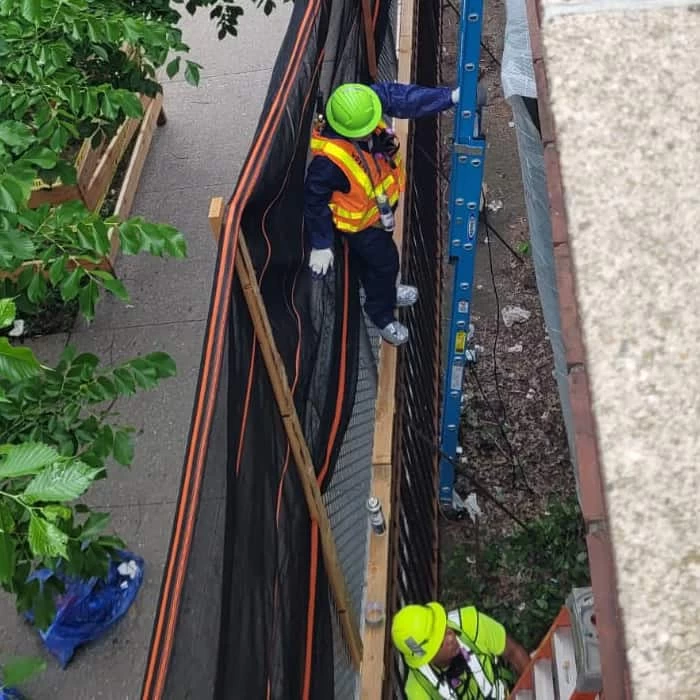
The older housing stock throughout Pleasantville adds another layer. Many homes here — including the mid-century modern properties near the Usonia Historic District — were built before 1980, which means flood restoration that disturbs walls or insulation can uncover asbestos or lead paint. Most restoration companies aren’t licensed to handle that. We are, and that difference matters the moment a wall gets opened up.
We’ve been handling flood, water, and environmental restoration across Westchester County for over 12 years. That includes homes in Pleasantville, neighboring Chappaqua, Briarcliff Manor, and throughout the surrounding communities where older housing stock and storm-prone geography make this kind of work anything but routine.
What sets us apart isn’t a tagline — it’s the credential stack. NYS DOL Mold, NYS DOL Asbestos, USEPA Lead and RRP certifications, IICRC Water Damage certification, and NYS and NYC M/WBE status. These aren’t optional add-ons. In New York, some of them are legal requirements. We hold every one of them.
You get one team from start to finish — water extraction, drying, mold prevention, environmental abatement if needed, and full reconstruction. No subcontractors handed a half-finished job. No gaps where moisture gets missed. Just a complete restoration with a 100% Satisfaction Guarantee and full liability and Workers’ Compensation insurance behind every project.
The process starts the moment you call. We dispatch a crew to your Pleasantville address with a 60-minute on-site guarantee — which matters here more than most places. A lot of Pleasantville homeowners are on the Metro-North Harlem Line when something goes wrong at home. A pipe bursts at 10am, and you’re not walking through the door until 6pm. That window is exactly when water spreads and mold starts its clock. Arriving fast isn’t a marketing promise — it’s the difference between a contained situation and a structural problem.
Once on-site, our team conducts a full moisture assessment using thermal imaging and industrial detection equipment. This isn’t a visual walkthrough — it’s a systematic scan of every surface, cavity, and structural component that water could have reached. In Pleasantville’s older homes, that assessment also includes checking for asbestos-containing materials or lead paint in any area where restoration work will disturb the structure.
From there, industrial extraction equipment removes standing water, and commercial-grade drying systems are deployed throughout the affected area. We monitor moisture levels throughout the drying process — not just once at the start. When everything tests dry, mold prevention treatment is applied, and reconstruction begins. If your home requires permits from the Village of Pleasantville’s Building Department for structural repairs, that’s handled as part of the process, not handed back to you as homework.
Flood Damage Restoration Services Pleasantville NY
Full Restoration Built for Westchester's Older Homes
Flood restoration in Pleasantville isn’t a one-size-fits-all job. The village has a housing stock that spans pre-war Colonials near the downtown, mid-century moderns adjacent to the Usonia Historic District, and everything in between. A significant portion of these homes were built before 1980, which means any water damage restoration that opens walls, disturbs insulation, or touches structural materials has to account for asbestos and lead paint — legally and practically.
Our scope covers the full range: emergency water extraction, structural drying, thermal imaging moisture detection, mold remediation (licensed under NYS DOL), asbestos abatement (licensed under NYS DOL), lead paint remediation (USEPA Lead and RRP certified), and complete structural reconstruction. In Westchester County, mold remediation without a NYS DOL Mold License is illegal — not just inadvisable. Every contractor you consider should be able to show that license. We can.
On the financial side, we bill insurance carriers directly so you’re not fronting costs and waiting on reimbursement. For losses that fall outside your coverage or exceed your policy limits — which happens more often than people expect with major flood events — we offer financing up to $200,000 at 0% APR. No other flood restoration company currently serving Pleasantville offers that combination of direct insurance billing and zero-interest financing in one place.
Does homeowners insurance cover basement flooding in Pleasantville, NY?
This is one of the most important questions to get clear on before a flood event happens, not after. Standard homeowners insurance policies in New York typically do not cover flooding caused by external water — meaning if the Saw Mill River watershed overflows, storm drains back up, or surface water enters your basement during a heavy rain event, your standard policy likely won’t pay for it. That type of damage usually requires a separate flood insurance policy through FEMA’s National Flood Insurance Program or a private flood carrier.
What standard homeowners insurance typically does cover is sudden and accidental internal water damage — a burst pipe, a failed water heater, an appliance leak. If you’re unsure which category your damage falls into, that determination matters enormously for your claim. We document damage thoroughly from the moment we arrive, which supports whatever insurance claim you’re filing and reduces the chance of a disputed or underpaid settlement. If you’re uninsured or underinsured for the loss, the 0% APR financing option up to $200,000 is available so you can move forward without waiting.
How quickly does mold start growing after a flood in my home?
Mold can begin developing in wet areas within 24 hours of water intrusion. In Pleasantville, where many homeowners commute into Manhattan and may not discover damage until evening, that 24-hour window can be more than half gone before anyone even makes a call.
The other factor that accelerates mold risk in this area is Westchester’s humid summers. Warm, wet conditions inside a flooded basement or wall cavity create an ideal environment for mold to spread quickly into areas that weren’t directly touched by water. Our thermal imaging process identifies moisture in hidden spaces — wall cavities, subfloors, behind insulation — that look dry to the eye but are still saturated. Treating only what’s visible and leaving hidden moisture behind is the most common reason mold becomes a problem weeks after a restoration that seemed finished.
What's the difference between water mitigation and full flood restoration?
Water mitigation refers to stopping the damage from spreading — extracting standing water, deploying drying equipment, and stabilizing the environment. It’s an important first step, but it’s not the complete job. A lot of companies in the Pleasantville market offer mitigation and then hand you off to a separate general contractor for the actual reconstruction. That gap — between when the drying is done and when the rebuilding starts — is where things fall apart. Moisture gets missed, timelines drag out, and you’re left coordinating between two companies who aren’t communicating with each other.
Full flood restoration means one company handles the entire arc: mitigation, environmental remediation if needed, structural repairs, and final reconstruction back to pre-loss condition. For a Pleasantville homeowner with a high-value property, that continuity matters. You shouldn’t have to manage a project like this yourself while also managing your job, your family, and an open insurance claim. We handle the complete scope under one roof, one point of contact, and one guarantee.
My Pleasantville home was built in the 1950s — does that affect the restoration process?
Yes, and it’s one of the most important things to address upfront. Homes built before 1980 — which includes a substantial portion of Pleasantville’s housing stock, including properties near the Usonia Historic District — frequently contain asbestos in insulation, floor tiles, pipe wrap, and joint compound, as well as lead paint on walls, trim, and windows. When a flood event requires opening walls, removing flooring, or disturbing structural materials, those hazards become active risks.
In New York State, asbestos abatement must be performed by a contractor licensed by the NYS Department of Labor. Lead paint work that disturbs surfaces in pre-1978 homes requires a contractor certified under the USEPA Renovation, Repair, and Painting Rule. These aren’t optional standards — they’re legal requirements. A contractor who isn’t licensed for both cannot legally or safely complete a full flood restoration in an older Pleasantville home. We hold both the NYS DOL Asbestos license and the USEPA Lead/RRP certification, which means the full scope of work — including environmental remediation — can be handled without bringing in a separate licensed subcontractor.
How does the insurance billing process work, and what do I need to do?
We bill your insurance carrier directly, which removes the most administratively painful part of a flood restoration for most homeowners. You don’t pay upfront and wait for reimbursement — we handle documentation, communicate with the adjuster, and submit the claim on your behalf. Your primary job is to make the call and let the team in.
That said, there are things that help the process go smoothly on your end. Take photos or video of the damage before anything is moved or cleaned up, if it’s safe to do so. Locate your insurance policy documents and have your carrier’s claims number ready. Don’t throw away damaged materials until the adjuster has documented them — that’s a common mistake that leads to disputed claims. Our on-site documentation process is thorough specifically because insurance adjusters require detailed evidence to approve full claim amounts. The more complete the documentation from the first day, the less likely you are to end up in a back-and-forth over what the damage actually was.
How do I know if a flood restoration company is actually licensed to work in New York?
This is worth asking directly and verifying, not just taking at face value. In New York State, mold remediation requires a NYS Department of Labor Mold License — a contractor without it cannot legally perform mold remediation in Pleasantville or anywhere else in the state. Asbestos abatement requires a separate NYS DOL Asbestos License. Lead paint work in pre-1978 homes requires USEPA Lead and RRP certification. These are distinct credentials, and a company that holds one doesn’t automatically hold the others.
A quick way to check: ask the company to provide their license numbers and verify them through the NYS DOL licensing lookup. You can also ask whether they carry full liability and Workers’ Compensation insurance — if a worker is injured on your property and the contractor isn’t properly insured, that liability can fall on you as the homeowner. Several companies appearing in Pleasantville search results for flood restoration are generic template sites with out-of-state phone numbers — they are lead generation operations, not licensed New York contractors. We are NYS and NYC M/WBE Certified, hold every required environmental and restoration license, and carry full liability and Workers’ Compensation coverage on every job.