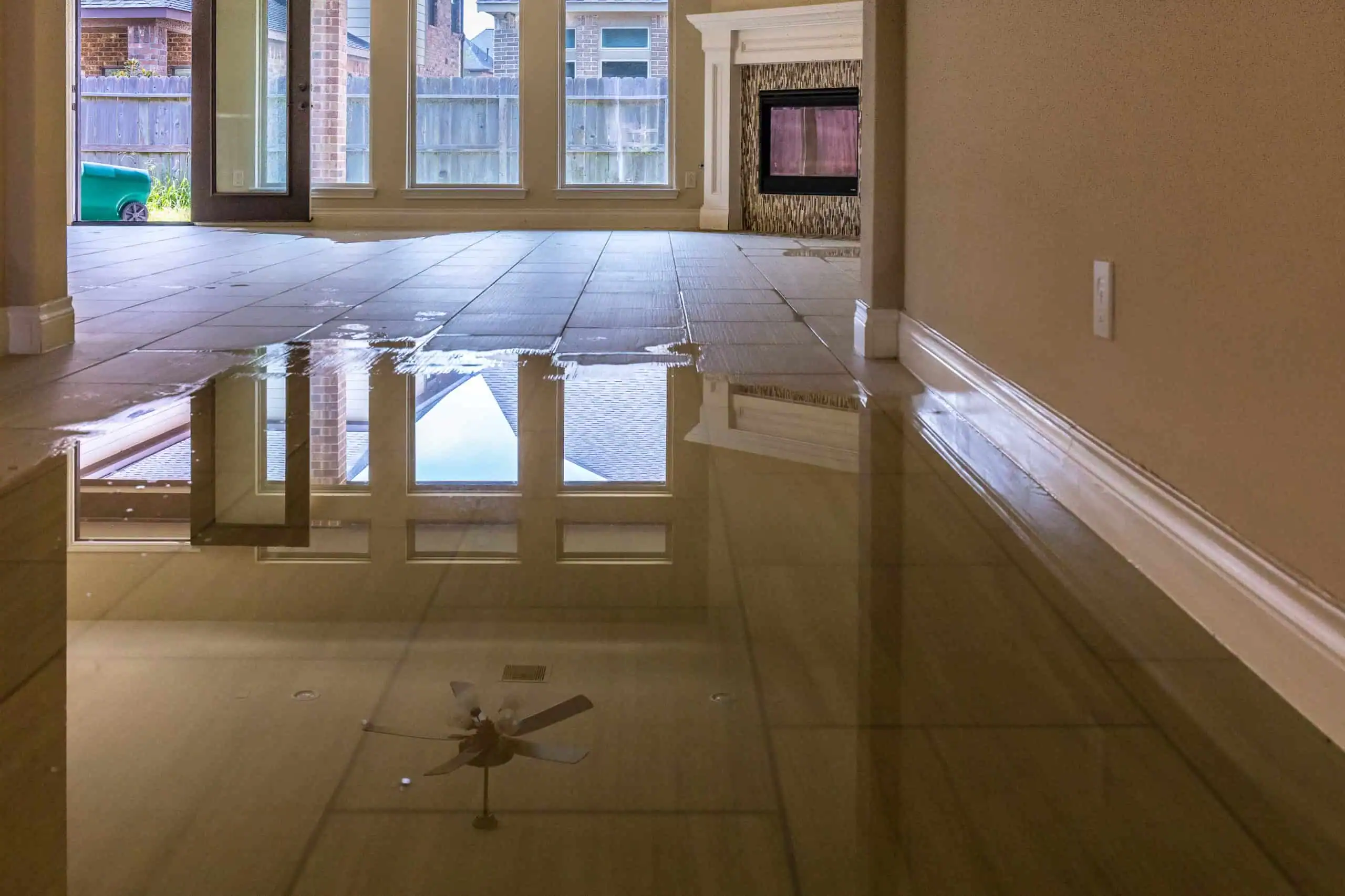
When Rockland County Storms Hit Your Pomona Home, We Handle the Water So You Don't Have To
We reach your Pomona home in 60 minutes, bill your insurance directly, and handle everything from water extraction to full restoration — so you’re not managing a crisis alone.
I needed a professional consultation explanation of procedure for safe removal of Asbestos in my apartment complex. Without having an account yet, I was very impressed with the caring, knowledgeable and generous advice offered by Jessica, and will look forward to doing business in the future. Thank you so much! I feel much more informed about a sometimes scary endeavor. Peace. Nancy Silva Mineola, NY.
Mia Munoz
Used this company to clean up some water flood in my house. They were fast and easy to work with.very professional, Would recommend to anyone!
Nini Valle
Great company, had a flood and they responded quickly and efficiently. Billed my insurance company directly. I highly recommend this company!
joe colapietro, jr
I had pipe freeze in my basement right before a snow storm and they made to within an hour to help start the clean up process. They we by our side throughout the entire process and even helped with the insurance company. They did such a great job with the cleanup, repair, remidiation, I contracted them to perform the repairs and finishes in the basement. They came with enough manpower and material to get the job done. Leo and Jessica were nothing but a pleasure to deal with!!
Cristian Arredondo c
I had some water damage in my home and Green Island was able to take care of my issue quickly and effectively. I am very pleased with the work they did. They responded quickly and were very professional.
Michael M
Outstanding service! From the office to the field crew everyone was friendly, helpful and responsive. I highly recommend Green Island Group.
A Dry Home, A Clean Bill of Health, Zero Runaround
When your basement floods — whether it’s a sump pump that gave out during a summer storm or groundwater pushing through your foundation wall after a week of rain — the clock starts immediately. Mold can begin growing within 24 hours. Structural materials that look dry on the surface can stay saturated for weeks if they’re not properly dried. The longer that goes unaddressed, the more invasive and expensive the fix becomes.
Pomona sits at the foot of the Ramapo Mountains, and that terrain matters. During heavy rain events, water moves fast downslope, and homes on the lower portions of the village’s rolling lots take the brunt of it. That’s not the same flooding pattern you’d see in a flat suburban neighborhood — it’s concentrated runoff, and it hits hard. Add in the fact that a significant portion of Pomona’s housing stock was built before 1980, and you may be dealing with more than just water. Flood damage in older Pomona homes can disturb asbestos-containing materials or lead paint — which requires a licensed environmental contractor, not just a company with a wet-vac and a dehumidifier.
What you get on the other side of a proper restoration is simple: a home that’s genuinely dry, structurally sound, and cleared of any contamination risk. No lingering moisture hiding behind drywall. No mold starting in a wall cavity you can’t see. No exposure to materials that should have been handled by a licensed professional from the start.
Licensed Flood Restoration Contractor Rockland County
12 Years, 5,000 Projects, and the Licenses That Actually Matter in Pomona
We’ve been doing environmental restoration work in New York State for over 12 years and have completed more than 5,000 projects. That’s not a number pulled from a brochure — it means our team has worked through every variation of water damage scenario this region produces, including the kind of flash flooding that hit Rockland County hard in July 2023 and again in 2025.
What sets us apart in the Pomona market specifically is the credential stack. We hold the NYS DOL Mold license, the NYS DOL Asbestos license, and the USEPA Lead certification — all under one roof. For a village where homes in Ladentown and throughout the area predate 1980, that combination isn’t a bonus feature. It’s a legal and safety necessity. Most water damage companies operating in this area don’t hold all three.
We’re also NYS and NYC M/WBE certified, fully insured with Liability and Workers’ Compensation coverage, and we back our work with a 100% Satisfaction Guarantee. When you invite our crew into your home during one of the worst days you’ll have as a homeowner, that accountability matters.
From the First Call to a Fully Restored Home — Here's What to Expect
When you call, the response is immediate. We commit to being on-site within 60 minutes — not sometime today, not as soon as a crew is available, but within the hour. In a flooding event, that specificity is everything. Our team arrives with industrial extraction equipment, thermal imaging cameras, and moisture detection tools that find water you can’t see with your eyes. In Pomona, where homes sit on sloped lots and water travels through unexpected pathways in the foundation, that detection step isn’t optional — it’s where a lot of hidden damage gets caught before it becomes a much bigger problem.
Once the water is out, the drying process begins. This isn’t just running fans for a day. Industrial-grade drying equipment is placed strategically based on moisture readings throughout the structure, and we monitor progress until every reading comes back clean. If mold is already present, or if the flooding disturbed materials in a pre-1980 Pomona home that require asbestos or lead assessment, those processes are handled in-house — no subcontracting, no coordination headaches, no gaps in the chain of custody.
Because Pomona spans both the Town of Ramapo and the Town of Haverstraw, any structural reconstruction work may require permits from more than one jurisdiction. We handle that documentation and navigate the multi-jurisdictional process so you don’t have to figure out which town office to call. The job isn’t done until the space is fully restored — dried, remediated if needed, and rebuilt to where it was before the water came in.
Full Restoration Coverage Built for Pomona's Specific Risk Profile
Flood restoration in Pomona isn’t a one-size-fits-all job. Our service covers emergency water extraction, structural drying, mold prevention and remediation, asbestos and lead assessment for older homes, full reconstruction, and insurance documentation — all handled by the same licensed team from start to finish. There’s no handoff to a separate contractor halfway through the job.
The contamination category matters here too. Most basement flooding in Pomona isn’t caused by a clean-water pipe burst — it’s storm-driven, which means it’s classified as Category 3 water, also known as Black Water. That’s the highest contamination level, and it requires full biohazard protocols, not just extraction and drying. Homes in the village that are on septic systems face an additional layer of risk: when the ground is saturated during a major storm, septic systems can back up and push sewage into the basement. That scenario requires a contractor with the full environmental certification stack to handle it safely and legally.
For homeowners whose damage isn’t covered under a standard homeowners policy — and it’s worth knowing that standard policies typically do not cover flood damage from external sources like storm runoff or surface water intrusion — we offer financing up to $200,000 at 0% APR. If you’re facing a gap between what your insurance covers and what your home actually needs, that option exists and no local competitor in the Pomona market offers it. We bill insurance directly when coverage applies, with zero upfront cost to you during the emergency phase.
Does homeowners insurance cover basement flooding in Pomona, NY?
This is one of the most common misconceptions homeowners run into after a flood event, and it’s worth understanding before you’re standing in a wet basement trying to figure out who’s paying for what. Standard homeowners insurance policies typically do not cover flood damage caused by external sources — storm runoff, surface water intrusion, or overland flooding. That type of damage is only covered if you carry a separate flood insurance policy, either through FEMA’s National Flood Insurance Program or a private carrier.
Where standard homeowners insurance does typically apply is internal water damage — a burst pipe, an appliance failure, or a sudden and accidental discharge of water from within the home. So if your sump pump fails during a Rockland County storm and water backs up into your basement from the outside, you may be looking at an out-of-pocket expense unless you have separate flood coverage. We bill insurance directly when coverage applies and offer financing up to $200,000 at 0% APR for situations where coverage falls short — so you’re not left without options either way.
How quickly does mold start growing after a basement flood in Pomona?
Mold can begin to develop within 24 hours of a water event — and in a basement environment with limited airflow and organic materials like wood framing, drywall, and carpet, that timeline can move even faster. Within 24 to 48 hours, visible mold patches can start appearing on surfaces. The problem is that mold doesn’t wait for you to notice it. It can establish itself inside wall cavities, beneath flooring, and in insulation long before you see or smell anything.
This is why the response time on a flooding event matters so much. In Pomona specifically, where summer thunderstorms can dump significant rainfall in a short window and the terrain channels runoff toward homes on lower-lying lots, the flooding can happen fast and the saturation can be deep. Getting industrial drying equipment in place within the first few hours — rather than waiting to see how things dry out on their own — is the single most effective way to interrupt the mold growth timeline before it starts. Once mold is established in a structural material, the remediation process becomes significantly more involved and more expensive.
My Pomona home was built in the 1970s — does that change how flood restoration works?
Yes, and it’s important to understand why. Homes built before 1980 — which includes a significant portion of Pomona’s housing stock, particularly in areas like Ladentown and throughout the mid-century development that defines much of the village — commonly contain asbestos-containing materials. This includes pipe insulation, floor tiles, textured ceiling coatings, and certain roofing materials. Many of these homes also have lead paint on walls, trim, and other surfaces.
When flood water saturates these materials, disturbing them without a licensed contractor creates both a health risk and a legal liability for the homeowner. New York State requires that asbestos abatement be performed by a contractor holding a NYS Department of Labor Asbestos license, with proper notification filed before work begins. We hold that license along with USEPA Lead and RRP certification — which means we can assess, contain, and remediate those materials as part of the flood restoration process rather than leaving you to find a separate abatement contractor after the fact. Most water damage companies operating in Rockland County do not hold all of these credentials simultaneously.
What is Category 3 water damage and why does it matter for my flooded basement?
Water damage is classified into three categories based on contamination level, and the category determines how the remediation has to be handled. Category 1 is clean water — a supply line break or an overflowing sink. Category 2 involves some contamination, like a washing machine overflow. Category 3, known as Black Water, is the most serious — it includes floodwater from storms, sewage backups, and any water that has contacted the ground outside your home.
Most basement flooding in Pomona falls into Category 3 because it’s storm-driven. Water that enters through a foundation wall, a floor drain, or a sump pit during a heavy rain event has been in contact with soil, debris, and potentially sewage — especially in homes on septic systems, where ground saturation during a major storm can push waste back into the basement. Category 3 water requires full biohazard protocols: not just extraction and drying, but proper containment, disposal, and surface treatment. Treating it like a simple water cleanup is how you end up with a contamination problem that gets missed until it becomes a health issue.
How long does flood restoration typically take from start to finish?
The honest answer is that it depends on the extent of the damage, the contamination category, and whether any additional remediation — mold, asbestos, lead — is required. For a contained basement flooding event with no structural damage and no contamination concerns, the extraction and drying phase typically takes three to five days. The drying process isn’t something that can be safely rushed — moisture readings need to come back clean throughout the affected area before reconstruction begins, or you’re sealing in a future mold problem.
If the flooding involved Category 3 water, or if the home is older and requires asbestos or lead assessment, add time for those processes. In Pomona, where a portion of the housing stock predates 1980 and where storm-driven flooding is the most common scenario, it’s reasonable to plan for a full restoration timeline of one to three weeks depending on scope. Full reconstruction — replacing drywall, flooring, trim, and finishes — follows the remediation phase and adds additional time. We walk you through a realistic timeline after the initial assessment so you know what to expect, not just what you want to hear.
Why should I hire a licensed contractor instead of a general handyman for flood restoration in Pomona?
The licensing requirements for flood and water damage restoration in New York State exist for specific reasons, and they’re not optional. Mold remediation requires a NYS Department of Labor Mold license — any company performing that work without one is operating illegally, and you have no legal recourse if the work is inadequate. Asbestos abatement requires a separate NYS DOL Asbestos license with advance notification to the state. Lead paint disturbance requires USEPA RRP certification. These aren’t bureaucratic formalities — they’re the framework that ensures the work is done safely and that you’re protected if something goes wrong.
In Pomona, where the combination of older housing stock, storm-driven Category 3 flooding, and multi-jurisdictional permitting requirements across the Town of Ramapo and the Town of Haverstraw creates a genuinely complex restoration environment, hiring an unlicensed handyman isn’t just a quality risk — it’s a liability risk. If an unlicensed worker disturbs asbestos in your basement and doesn’t follow proper containment protocols, the cleanup cost and health consequences fall on you. We hold every required license for this work and carry full Liability and Workers’ Compensation insurance, so the risk stays where it belongs — off your plate.