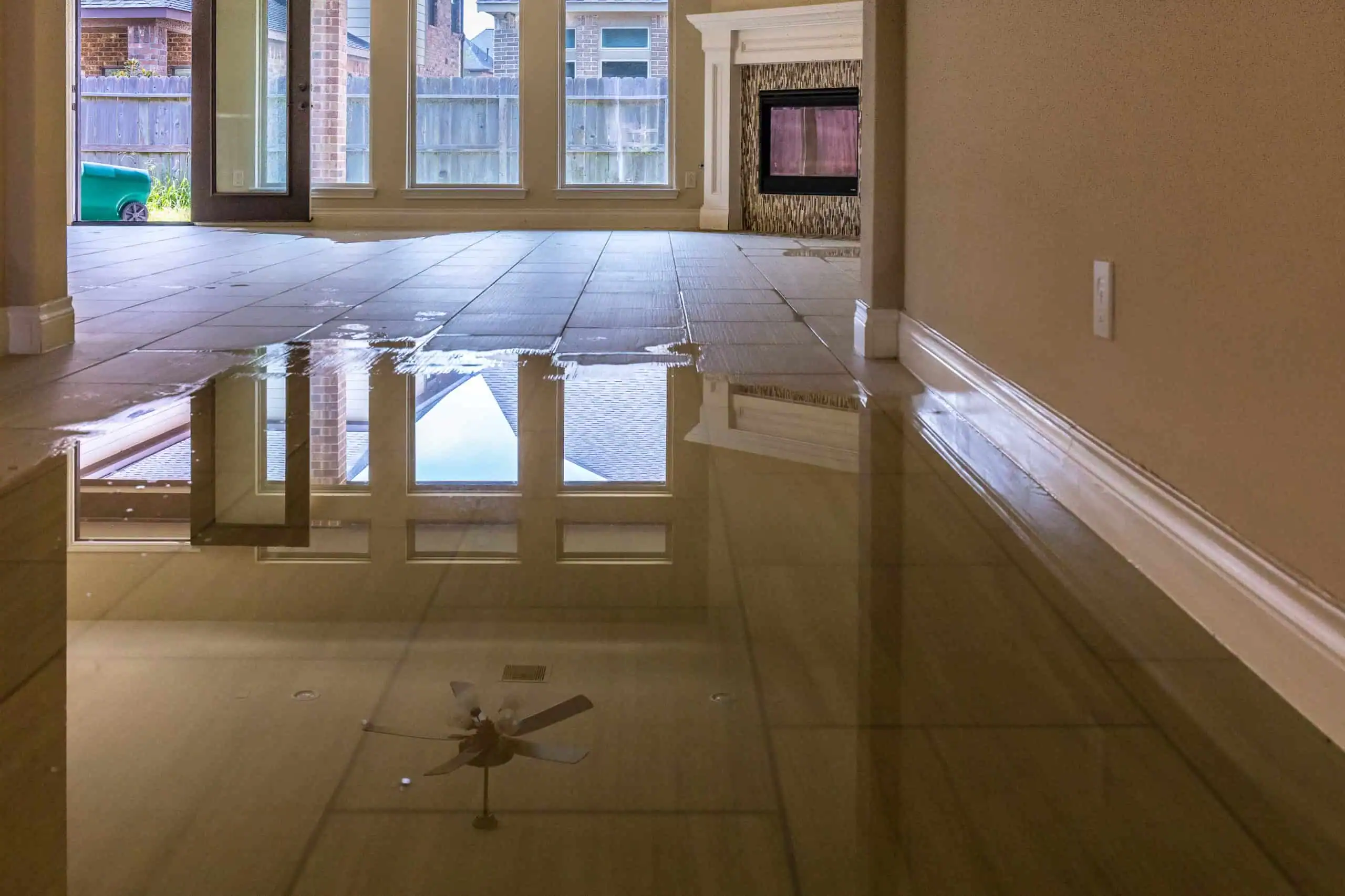
When the Byram River Backs Up, Every Hour Costs You More
Flood damage in Port Chester moves fast — and so do we. We’re on-site within 60 minutes, bill your insurance directly, and handle everything from water extraction to final repairs.
I needed a professional consultation explanation of procedure for safe removal of Asbestos in my apartment complex. Without having an account yet, I was very impressed with the caring, knowledgeable and generous advice offered by Jessica, and will look forward to doing business in the future. Thank you so much! I feel much more informed about a sometimes scary endeavor. Peace. Nancy Silva Mineola, NY.
Mia Munoz
Used this company to clean up some water flood in my house. They were fast and easy to work with.very professional, Would recommend to anyone!
Nini Valle
Great company, had a flood and they responded quickly and efficiently. Billed my insurance company directly. I highly recommend this company!
joe colapietro, jr
I had pipe freeze in my basement right before a snow storm and they made to within an hour to help start the clean up process. They we by our side throughout the entire process and even helped with the insurance company. They did such a great job with the cleanup, repair, remidiation, I contracted them to perform the repairs and finishes in the basement. They came with enough manpower and material to get the job done. Leo and Jessica were nothing but a pleasure to deal with!!
Cristian Arredondo c
I had some water damage in my home and Green Island was able to take care of my issue quickly and effectively. I am very pleased with the work they did. They responded quickly and were very professional.
Michael M
Outstanding service! From the office to the field crew everyone was friendly, helpful and responsive. I highly recommend Green Island Group.
Your Port Chester Home Dry, Safe, and Rebuilt — Not Just Dried Out
There’s a difference between a company that pulls water off your floor and one that actually restores your home. Port Chester’s flooding isn’t clean — when the Byram River backs up through the village drainage system, it brings Category 3 black water: a mix of stormwater, sewer overflow, and tidal backflow loaded with bacteria and contaminants. Drying the surface doesn’t fix that. You need full extraction, proper containment, certified sanitization, and a team that knows what they’re dealing with.
Port Chester’s housing stock adds another layer most restoration companies aren’t equipped for. The majority of homes here were built before 1980 — capes, ranches, converted two-families, pre-war apartment buildings. When flood water soaks through a 1950s basement ceiling or saturates older flooring, there’s a real chance asbestos-containing materials or lead paint are involved. That’s a documented reality of this village’s building inventory. We hold the NYS DOL Asbestos license, the NYS DOL Mold license, and the USEPA Lead/RRP certification. Most companies advertising flood cleanup in Port Chester hold none of those.
When the job is done right, you’re not waiting six months for mold to reappear on a wall that was never fully dried. You’re not finding out a year later that a contractor disturbed asbestos without containment. You get your home back — actually restored, not temporarily patched.
Licensed Flood Restoration Contractor Port Chester
12 Years In, and We Still Do the Hard Jobs Right
We’ve been doing environmental restoration work in New York for over 12 years — not as a franchise, not as a call center that dispatches whoever’s available, but as a certified, state-verified contractor with more than 5,000 completed projects across New York State. We’re NYS and NYC M/WBE Certified, fully insured including liability and workers’ compensation, and we work directly with the NYS Office of General Services. That’s not a marketing credential — it’s a government-audited verification of who we are.
Port Chester is a community we know well. The Glendale neighborhood’s recurring drainage failures, the tidal backflow flooding that tracks along the Byram River corridor, the dense mix of older multi-family homes and converted buildings that line the streets between downtown and the Connecticut border — this isn’t new territory for us. We’ve worked in these building types, with these insurance carriers, in this exact market. When you call, you’re not explaining your situation to someone reading from a script.
From Standing Water to Finished Walls — Here's the Whole Picture
The first thing that happens when you call is simple: we get there. Within 60 minutes, our crew is on-site with industrial extraction equipment — not consumer fans, not a shop vac, but professional-grade water removal tools that pull moisture out of walls, subfloors, and structural cavities that you can’t see or reach. In Port Chester’s older homes, water doesn’t just sit on the floor. It wicks into plaster walls, travels through original wood framing, and pools under hardwood floors. Thermal imaging and moisture detection equipment help us find every pocket of hidden saturation before we move to the next step.
Once the water is out, we assess what’s underneath. In a pre-1980 Port Chester home, that assessment includes checking for asbestos-containing materials and lead paint — both of which become regulated hazards the moment they’re disturbed by flood water. If abatement is required, we handle it in-house under our NYS DOL Asbestos license. No subcontracting, no delays waiting for a third party to clear the site. Mold prevention begins immediately after extraction — because in a dense, humid environment like Port Chester, mold can establish within 24 hours of a flood event.
From there, we move into structural drying, remediation, and full reconstruction — drywall, flooring, framing, mechanical systems, and final finishes. We also pull the necessary permits through Port Chester’s Building Department, which is required for structural repairs under the NYS Uniform Fire Prevention and Building Code. You don’t have to manage that process. We do.
Full Restoration, Not Just the Parts That Are Easy to See
We handle the complete scope of flood restoration — water extraction, structural drying, mold remediation, asbestos abatement, lead paint compliance, reconstruction, and final finishes. That matters in Port Chester because flooding here rarely produces a simple, contained cleanup. When stormwater backs up through the Glendale drainage system or the Byram River overflows during a tidal event, the damage spreads through shared walls, common areas, and adjacent units in the multi-family and converted buildings that make up a significant portion of this village’s housing inventory. One crew, one company, one point of contact — that’s how we keep the process from becoming another problem on top of the one you already have.
On the financial side, you pay nothing upfront. We bill your insurance carrier directly and work with all major insurance providers. For Port Chester homeowners who are uninsured or underinsured — and given that roughly 13% of residents here live below the poverty line, that’s a real segment of this community — we offer financing up to $200,000 at 0% APR. The goal is to make sure cost isn’t the reason someone in this village delays making the call that stops the damage from getting worse.
Every project is backed by a 100% Satisfaction Guarantee, and our full liability and workers’ compensation insurance protects you if anything goes wrong on your property during the work. In a dense, attached-housing community like Port Chester, that coverage matters more than most homeowners realize until they need it.
Does homeowners insurance cover Byram River flooding in Port Chester?
It depends on the type of flooding and your specific policy. Standard homeowners insurance typically covers sudden, accidental water damage — like a burst pipe or a washing machine overflow — but it does not cover flooding caused by external water sources like the Byram River overflowing or stormwater backing up through the municipal drainage system. That type of damage usually falls under a separate flood insurance policy through FEMA’s National Flood Insurance Program (NFIP). If your Port Chester property sits in a designated FEMA flood zone along the Byram River corridor, your mortgage lender may have required you to carry flood insurance already.
The situation gets more complicated with Port Chester’s combined stormwater and sewer system. When that system backs up into your basement during a heavy rain event, whether it’s covered depends on whether you have sewer backup or water backup coverage as a rider on your policy — which many homeowners don’t know they’re missing until after the damage happens. We work directly with your insurance carrier to document the damage, file the claim, and ensure nothing is missed. You don’t have to navigate that process alone.
How quickly does mold start growing after a flood in my Port Chester home?
Mold can begin to establish within 24 to 48 hours of a flood event under the right conditions — and Port Chester’s climate provides exactly those conditions. High humidity during summer storm season, dense housing with limited air circulation, and older building materials like plaster and wood framing that absorb moisture readily all create an environment where mold moves fast. If your basement or ground floor flooded and wasn’t fully dried within the first day or two, there’s a reasonable chance mold growth has already started in areas you can’t see.
This is why the speed of response matters so much. Getting water out quickly — not just off the surface, but out of walls, subfloors, and structural cavities — is the single most effective thing you can do to prevent mold from becoming a second, separate problem after the flood. We use industrial drying equipment and moisture detection to eliminate hidden saturation before it becomes a mold issue. And if mold is already present when we arrive, we’re licensed under New York State DOL to remediate it legally and completely — which most water damage companies in Port Chester are not.
My Port Chester home was built in the 1950s — do I need to worry about asbestos during flood restoration?
Yes, and this is one of the most important questions a Port Chester homeowner can ask before hiring any restoration company. Homes built before 1980 — which describes the majority of Port Chester’s residential inventory — frequently contain asbestos in floor tiles, pipe insulation, ceiling tiles, joint compound, and exterior siding. Under normal conditions, these materials are not a health risk. But when flood water saturates them, they can become damaged and friable, meaning fibers can be released into the air. At that point, you’re dealing with a regulated hazardous material that legally must be handled by a licensed NYS DOL Asbestos Contractor.
If a restoration company removes wet ceiling tiles, cuts through insulated pipes, or tears out damaged flooring in a pre-1980 Port Chester home without first testing and properly handling potential asbestos-containing materials, they’re creating a second, far more serious problem for you and your family. We hold the NYS DOL Asbestos Contractor license and handle abatement in-house. We don’t subcontract it out or skip the step because it adds time. It’s part of the job, and in Port Chester’s older building stock, it’s a step that comes up more often than most homeowners expect.
How long does flood restoration typically take from start to finish?
The honest answer is that it depends on the scope of the damage, and in Port Chester, the scope is often larger than it first appears. A straightforward basement flood in a single-family home — clean water, caught quickly, no structural damage — can be mitigated and dried within three to five days. But Port Chester’s flood events frequently involve Category 3 contaminated water from the Byram River or the municipal sewer system, which requires a more intensive sanitization process before drying and reconstruction can begin. Add in the likelihood of asbestos or lead paint in the older housing stock, and the timeline extends further to accommodate proper abatement procedures.
For multi-family buildings, converted homes, or properties where water traveled through shared walls or common areas — which is common in the dense, attached housing along Port Chester’s downtown streets — the assessment and remediation process is more complex because multiple units may be affected. Reconstruction after full remediation typically takes one to three weeks depending on what needs to be rebuilt. We give you a realistic timeline upfront, not an optimistic number designed to get you to sign. The permit process through Port Chester’s Building Department also adds a step for structural repairs, and we handle that coordination as part of the job.
What's the difference between water mitigation and full flood restoration?
Water mitigation is the emergency phase — stopping the damage from spreading, extracting standing water, and beginning the drying process. It’s the first 24 to 72 hours of the response. Full flood restoration goes much further: it includes structural drying verified by moisture readings, mold prevention or remediation, any required asbestos or lead paint abatement, and complete reconstruction of whatever was damaged — drywall, flooring, framing, insulation, mechanical systems, and finishes. Mitigation gets the water out. Restoration gets your home back.
The distinction matters in Port Chester because a lot of companies will complete the mitigation phase and then hand you off to a separate general contractor for reconstruction — leaving you to coordinate two different companies, two different timelines, and two different insurance claims processes. We handle both phases under one roof. From the moment we arrive with extraction equipment to the final coat of paint on a rebuilt wall, it’s one company managing the entire job. In a busy village where you’re already dealing with the disruption of a flood event, not having to manage multiple contractors is a real and practical benefit.
Can Green Island Group work directly with my insurance company so I don't have to manage the claim?
Yes — and for most Port Chester homeowners, this is one of the most valuable parts of working with us. Filing a flood damage claim is not straightforward. Insurance carriers require detailed documentation: photos, moisture readings, itemized damage assessments, scope of work estimates, and often multiple rounds of back-and-forth before a claim is approved. If you’re navigating that process while also trying to keep your family in a livable home and coordinate repairs, things get missed — and missed documentation means underpaid claims.
We bill your insurance carrier directly and manage the documentation process on your behalf. We work with all major insurance providers and understand what adjusters look for when evaluating a flood claim. For Port Chester’s large immigrant community — where nearly 44% of residents were born outside the United States and the U.S. insurance claims process can feel genuinely unfamiliar — removing that administrative burden is a meaningful difference in how the whole experience goes. And for homeowners who are uninsured or underinsured, we offer financing up to $200,000 at 0% APR so that cost doesn’t become the reason a flood turns into a long-term problem.