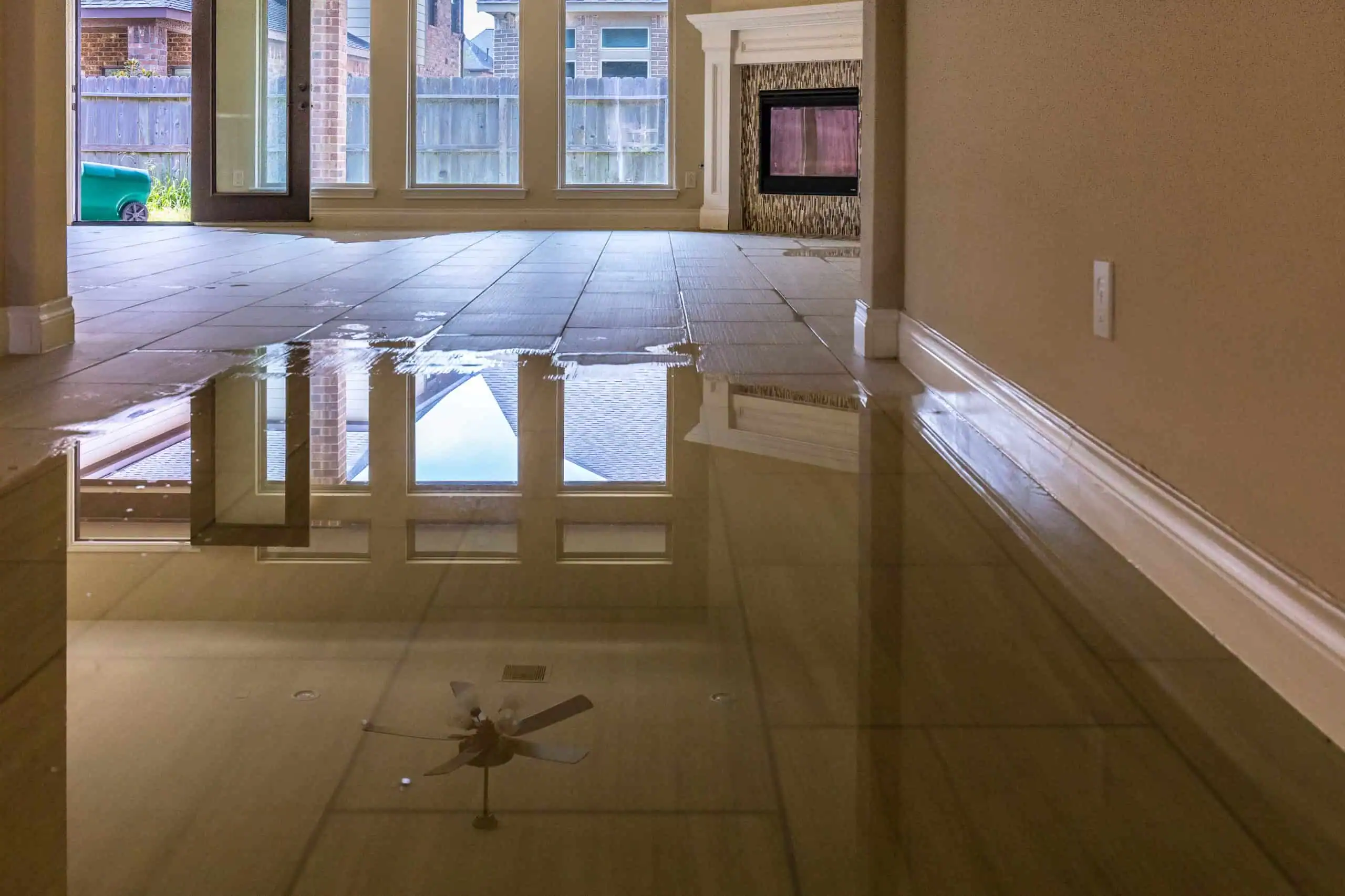
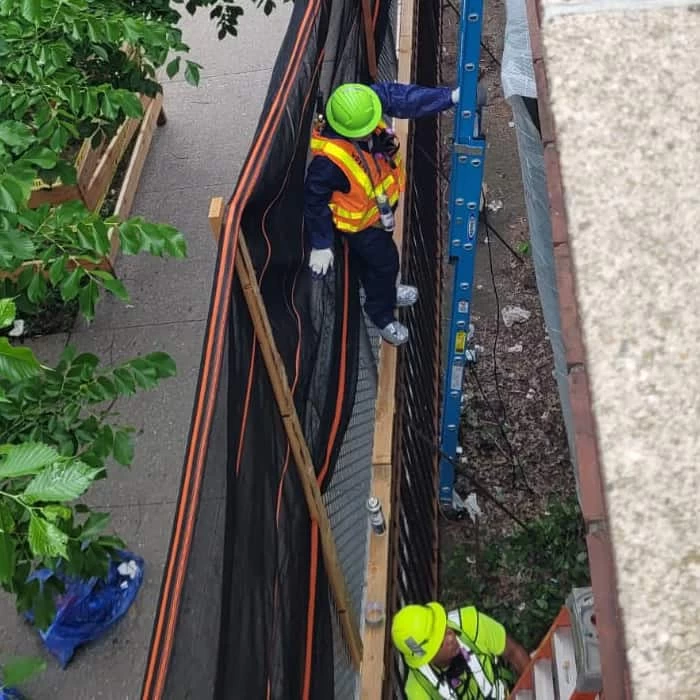
When Putnam Lake Rises, Your Response Time Matters
We’re on-site in 60 minutes — licensed for mold, asbestos, and full structural restoration in Putnam Lake. When water gets into your home near the lake or in the surrounding neighborhoods, every hour counts.
I needed a professional consultation explanation of procedure for safe removal of Asbestos in my apartment complex. Without having an account yet, I was very impressed with the caring, knowledgeable and generous advice offered by Jessica, and will look forward to doing business in the future. Thank you so much! I feel much more informed about a sometimes scary endeavor. Peace. Nancy Silva Mineola, NY.
Mia Munoz
Used this company to clean up some water flood in my house. They were fast and easy to work with.very professional, Would recommend to anyone!
Nini Valle
Great company, had a flood and they responded quickly and efficiently. Billed my insurance company directly. I highly recommend this company!
joe colapietro, jr
I had pipe freeze in my basement right before a snow storm and they made to within an hour to help start the clean up process. They we by our side throughout the entire process and even helped with the insurance company. They did such a great job with the cleanup, repair, remidiation, I contracted them to perform the repairs and finishes in the basement. They came with enough manpower and material to get the job done. Leo and Jessica were nothing but a pleasure to deal with!!
Cristian Arredondo c
I had some water damage in my home and Green Island was able to take care of my issue quickly and effectively. I am very pleased with the work they did. They responded quickly and were very professional.
Michael M
Outstanding service! From the office to the field crew everyone was friendly, helpful and responsive. I highly recommend Green Island Group.
Most Putnam Lake homes were built between the 1930s and 1960s — originally as summer bungalows, later converted to year-round living. That means layered construction, original plaster walls, older framing, and materials that absorb and hold moisture far longer than anything built in the last 30 years. When water gets in, it doesn’t just sit on the surface. It moves into places you can’t see, and it stays there.
That’s the part that causes the real damage. Mold can begin developing inside walls and under floors within 24 hours of a flood event. In a community where most residents commute out of the area daily — many boarding Metro-North at Patterson Station before 8 AM and not returning until evening — a burst pipe or sump pump failure can go undetected for an entire workday. By the time you pull into your driveway, the conditions for mold are already forming.
What you get after proper restoration isn’t just a dry floor. It’s the confidence that we used thermal imaging to check inside your walls, not just a moisture meter on the surface. It’s knowing that the asbestos in your pre-1969 floor tiles or pipe insulation was handled by a licensed contractor — not ignored. It’s a home that’s genuinely safe to live in again, not just visually dry.
The Credentials That Actually Matter in Putnam Lake
We’ve been doing environmental restoration work across New York for over 12 years and more than 5,000 completed projects. That’s not a number pulled from a brochure — it reflects real experience with real homes, including the kind of older, layered construction that defines most of Putnam Lake’s residential neighborhoods and the surrounding Putnam County area.
What sets us apart in a market like Putnam Lake isn’t just experience. It’s the license stack. We hold a NYS DOL Mold License, NYS DOL Asbestos License, and USEPA Lead/RRP Certification — credentials that Putnam County’s own Department of Health explicitly tells residents to verify before hiring any remediation contractor. Most competitors in this area cannot produce all three.
We’re also NYS and NYC M/WBE Certified, fully insured including liability and workers’ compensation, and an active contractor with the NYS Office of General Services. That last one matters: the state of New York has vetted and approved us for public infrastructure work. For a Putnam Lake homeowner dealing with a flood in an older home near the East Branch Croton River watershed, that’s the kind of track record worth paying attention to.
When you call, the clock starts. We dispatch a crew within 60 minutes — any time of day, any day of the week. The first thing that happens on-site isn’t a sales pitch. It’s a full assessment using thermal imaging cameras and industrial moisture meters to map exactly where the water has traveled, including inside walls, under original hardwood floors, and into structural cavities that a visual inspection would completely miss.
Once the scope is clear, water extraction begins immediately using industrial-grade equipment. From there, the focus shifts to structural drying — a process that takes days, not hours, and requires monitoring to confirm the moisture levels in your specific materials are actually returning to safe ranges. For homes in Putnam Lake built before 1969, this phase also includes evaluating whether any disturbed materials — floor tiles, pipe insulation, ceiling materials — require asbestos or lead protocols before work continues. This isn’t optional. Under New York State law, it’s required, and we’re licensed to handle it without bringing in a separate contractor.
After drying is confirmed, mold prevention treatment is applied and reconstruction begins. The Town of Patterson’s building permit process is part of this — we manage the documentation so you’re not navigating Chapter 91 flood damage prevention requirements on top of everything else. One company, start to finish.
Everything a Putnam Lake Flood Event Actually Requires
A flood restoration job in Putnam Lake isn’t the same as one in a newer suburb. The housing stock here carries real environmental risk — asbestos-containing materials are common in homes built before 1969, and lead paint is standard in anything built before 1978. That covers the majority of properties in this community. When floodwater disturbs those materials, you’re not dealing with a water removal job anymore. You’re dealing with a licensed environmental remediation event, and the contractor you hire needs to be equipped for both.
We offer emergency water extraction, thermal imaging assessment, industrial structural drying, mold remediation, asbestos abatement, lead-safe work practices, and complete reconstruction back to pre-loss condition. That’s not a list of add-ons — it’s what a thorough restoration in an older Putnam Lake home actually requires. Everything is handled under one roof, which means no coordinating between separate specialists, no gaps in accountability, and no delays while you wait for a second company to schedule their part of the job.
For homeowners whose standard insurance policy has gaps — particularly for flooding from external water sources like a rising lake level or storm runoff, which are common scenarios here — we also offer financing up to $200,000 at 0% APR. You don’t have to wait for an insurance dispute to resolve before the work starts. We also bill insurance directly, so your out-of-pocket during the emergency phase is zero.
Does homeowners insurance cover flooding from Putnam Lake rising during storms?
Standard homeowners insurance typically does not cover flooding caused by external water sources — and that distinction matters significantly in Putnam Lake. If water enters your home because the lake level rose during a storm, because storm runoff overwhelmed your drainage, or because groundwater pushed through your foundation during a heavy rain event, your standard policy may not cover it. That kind of flooding usually requires a separate flood insurance policy through the National Flood Insurance Program (NFIP) or a private flood carrier.
The practical implication is that many Putnam Lake homeowners discover a coverage gap at the worst possible moment — after the water is already in the house. We bill insurance directly and work with your carrier to document the damage properly, which can make a meaningful difference in what gets approved. For situations where coverage falls short, we offer financing up to $200,000 at 0% APR so the restoration doesn’t stall while the insurance question gets sorted out.
How fast does mold actually grow after a basement flood in an older Putnam Lake home?
Mold can begin developing in as little as 24 hours after a flood event — and in an older Putnam Lake home, the risk is higher than in newer construction. Homes built between the 1930s and 1960s have original wood framing, plaster walls, and older subfloor materials that absorb and retain moisture far more aggressively than modern drywall and engineered lumber. Once moisture is trapped inside those materials, mold doesn’t need much time to establish itself in spaces you can’t see or smell yet.
The compounding problem in Putnam Lake specifically is the commuter dynamic. If you leave for work at 7 AM and don’t return until 7 PM, a sump pump failure or burst pipe that starts in the morning has been running for 12 hours before you discover it. That’s well past the window where you can assume mold hasn’t started. The right response is to call immediately — even from the train — so a crew can be on-site and working before you get home.
Does my Putnam Lake home need asbestos testing before flood restoration work begins?
If your home was built before 1980 — which describes the majority of Putnam Lake’s housing stock — there is a real possibility that building materials disturbed during a flood event contain asbestos. Floor tiles, pipe insulation, joint compound, and ceiling tiles from that era commonly contain asbestos-containing materials. When floodwater damages those materials, they can become friable, meaning they release fibers into the air. At that point, the restoration legally requires licensed asbestos abatement before other work continues.
New York State requires that all asbestos abatement work be performed by licensed contractors, and proper notifications must be filed with the Department of Environmental Conservation before work begins. We hold the NYS DOL Asbestos License and handle this as part of the restoration scope — not as a separate referral to another company. For homeowners in Putnam Lake’s older bungalow-era properties, this is one of the most important reasons to verify your contractor’s credentials before anyone starts pulling up flooring or opening walls.
What causes most basement flooding in Putnam Lake, and when is it worst?
The flood risk in Putnam Lake comes from a few converging factors. The lake itself is the most direct one — properties near the shoreline are exposed to rising water levels during any significant storm event. Beyond that, the East Branch Croton River runs about 1.3 miles southwest of the community, and its watershed drains a 62-square-mile area. When that system rises during spring snowmelt or heavy summer storms, the effects reach low-lying properties and basements throughout the area. The USGS has monitored this waterway since 1995, and the maximum recorded discharge hit 2,650 cubic feet per second in March 2011.
Seasonally, the highest-risk periods are spring — when snowmelt and rain raise groundwater tables and push sump pumps past their limits — and summer, when severe thunderstorms can drop several inches of rain in a matter of hours. Putnam County declared a State of Emergency following 2023 storm events that dropped up to 8 inches of rain across the county and caused enough flooding to undermine Metro-North Harlem Line tracks, the same line that serves Patterson Station. Winter brings a different risk: burst pipes in older homes with cast iron or galvanized steel plumbing that wasn’t designed for decades of freeze-thaw cycles.
How long does flood restoration take for a typical Putnam Lake home?
The honest answer is that it depends on what the water found when it got in. For a straightforward basement flood with no structural damage and no hazardous materials involvement, the drying phase alone typically takes three to five days using industrial equipment — and that’s after water extraction is complete. Mold treatment, reconstruction, and finishing work add time on top of that.
For older Putnam Lake homes — particularly those with original plaster walls, multiple layers of flooring from different renovation eras, or materials that require asbestos or lead protocols — the timeline extends. Asbestos abatement requires a minimum seven-day notification period with the New York State Department of Environmental Conservation before work can begin. That’s a regulatory requirement, not something any contractor can waive. The full restoration for a more complex event in a pre-1969 home can run several weeks from start to finish. What matters most is starting immediately — every day of delay extends the drying timeline and increases the mold risk inside materials that are still wet.
Why should I hire a licensed contractor instead of a general handyman for flood damage in Putnam Lake?
In a community where most homes were built before 1969, flood restoration isn’t a general construction job. It involves regulated materials — asbestos, lead paint — that require specific state licenses to disturb, handle, and dispose of legally. Putnam County’s own Department of Health directs residents to verify that any mold remediation contractor holds a current NYS Department of Labor Mold License before work begins. A general handyman or unlicensed contractor cannot legally perform this work, and if they do it anyway, the liability falls on the homeowner.
Beyond the legal exposure, there’s the practical issue of what gets missed. A contractor without thermal imaging equipment and moisture monitoring tools will dry what they can see and call it done. In an older Putnam Lake home with original plaster walls and retrofitted additions from different decades, that means moisture left inside structural cavities — moisture that becomes mold within days and requires a far more expensive remediation later. The cost of hiring the right contractor upfront is almost always less than the cost of fixing what an underqualified one leaves behind.