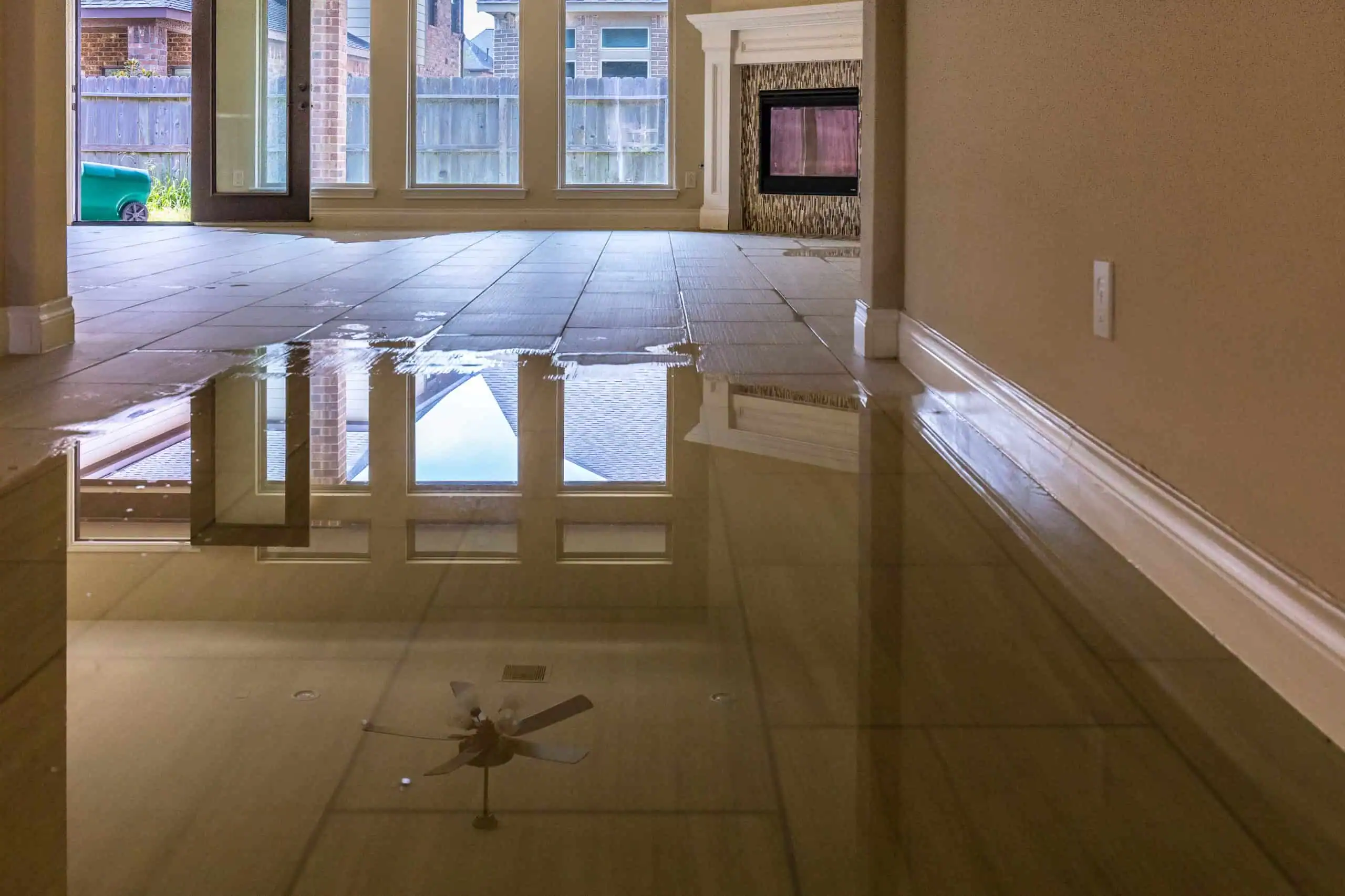
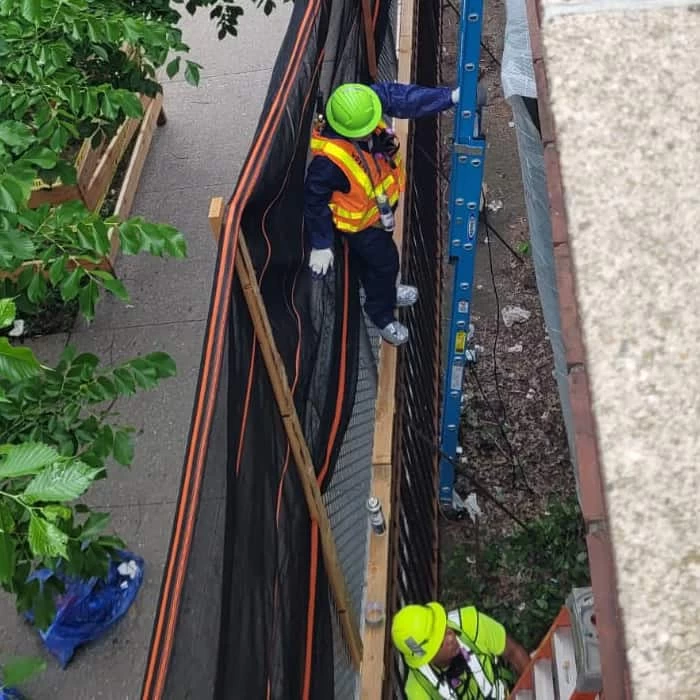
Putnam Valley’s creek valleys and lakefront roads flood fast — and water damage gets worse by the hour. We’re on-site in 60 minutes, bill your insurance directly, and handle everything from water extraction to full rebuild.
I needed a professional consultation explanation of procedure for safe removal of Asbestos in my apartment complex. Without having an account yet, I was very impressed with the caring, knowledgeable and generous advice offered by Jessica, and will look forward to doing business in the future. Thank you so much! I feel much more informed about a sometimes scary endeavor. Peace. Nancy Silva Mineola, NY.
Mia Munoz
Used this company to clean up some water flood in my house. They were fast and easy to work with.very professional, Would recommend to anyone!
Nini Valle
Great company, had a flood and they responded quickly and efficiently. Billed my insurance company directly. I highly recommend this company!
joe colapietro, jr
I had pipe freeze in my basement right before a snow storm and they made to within an hour to help start the clean up process. They we by our side throughout the entire process and even helped with the insurance company. They did such a great job with the cleanup, repair, remidiation, I contracted them to perform the repairs and finishes in the basement. They came with enough manpower and material to get the job done. Leo and Jessica were nothing but a pleasure to deal with!!
Cristian Arredondo c
I had some water damage in my home and Green Island was able to take care of my issue quickly and effectively. I am very pleased with the work they did. They responded quickly and were very professional.
Michael M
Outstanding service! From the office to the field crew everyone was friendly, helpful and responsive. I highly recommend Green Island Group.
What Your Home Looks Like When the Water Is Gone for Good
Flood damage in Putnam Valley isn’t just a wet basement. It’s the water that traveled through your wall cavity and settled under your subfloor. It’s the moisture you can’t see behind the tile in a 1960s lake cottage that was never built for a full-time family. It’s the mold that starts growing within 24 hours in a wooded, humid environment where the air holds moisture longer than it does in open suburban neighborhoods.
When the job is done right, you get your home back — dry, safe, and documented. No hidden moisture left behind to become a mold problem in three months. No disrupted asbestos or lead paint handled by someone without the licenses to touch it legally. No insurance headache because the contractor didn’t know how to file.
For the roughly 214 homes sitting within 250 feet of Lake Oscawana’s shoreline alone — and the hundreds more along Peekskill Hollow Creek, Oscawana Creek, and the lake community roads — that outcome matters more than it does almost anywhere else in Putnam County. You chose to live near the water. That shouldn’t mean living with the damage it leaves behind.
Licensed Flood Restoration Contractor Putnam Valley
The Credentials Here Are the Ones That Actually Matter
We’ve been doing this for over 12 years and have completed more than 5,000 restoration projects across New York State. That’s not a number to impress you — it’s context for what it means when we show up to your home in Lake Peekskill or Tompkins Corners and already know what to look for in a mid-century crawl space.
We hold NYS DOL Mold and NYS DOL Asbestos licenses — both legally required in New York State, and both absent from many of the operators advertising in Putnam Valley right now. We also carry USEPA Lead and RRP certifications, IICRC Water Damage Certification, and NYS and NYC M/WBE Certified Contractor status. The state of New York has approved us to work on public infrastructure through the NYS Office of General Services — which means the same government that maintains Clarence Fahnestock State Park’s surrounding roads has independently vetted our company.
That credential stack isn’t cosmetic. In Putnam Valley, where a large share of the housing stock was built before 1980, it’s the difference between a complete, compliant restoration and a job that has to stop halfway through when someone realizes the wet insulation they just pulled out contained asbestos.
From the First Call to a Dry, Rebuilt Home — Here's the Process
The first thing that happens is simple: you call, and someone answers. We operate 24/7 with a 60-minute on-site response commitment. That’s not a general window — it’s a specific guarantee that matters when you’re in Sunnybrook or Roaring Brook Lake at 2 a.m. and the water is still rising.
When our crew arrives, we start with a full moisture assessment using thermal imaging and industrial detection equipment. This step exists because water in a Putnam Valley home — especially one built in the mid-20th century with irregular wall cavities and older subfloor construction — doesn’t stay where you can see it. The assessment maps every affected area before extraction begins, so nothing gets missed and dried over.
From there, it’s water extraction, commercial-grade structural drying, and mold prevention treatment — all in the same visit. If the assessment turns up asbestos-containing materials or lead paint in the affected areas, our team is already licensed to handle it. No stopping the job to bring in a separate contractor. No gap in the timeline that lets mold get a head start. New York State requires licensed mold remediation under Article 32 of the NYS Labor Law, and since June 2023, undocumented mold in a home you later sell must be disclosed — so the paperwork we provide isn’t just for your records, it protects your property’s value down the road. Once the structure is dry and cleared, full reconstruction begins — right through to final finishes.
Everything the Job Requires — Under One Licensed Roof
Flood restoration in Putnam Valley isn’t a single-trade job, and it shouldn’t be treated like one. The homes here — many of them mid-century lake community builds along Lake Oscawana, Lake Peekskill, and Roaring Brook Lake — carry environmental profiles that a basic water extraction company isn’t equipped to handle. Wet drywall in a pre-1980 home can mean disturbed asbestos. Damaged painted surfaces in a pre-1978 home fall under USEPA RRP lead-safe protocols. Mold remediation anywhere in New York State requires a licensed contractor under Article 32. We hold every one of those licenses, which means the job doesn’t stop when something unexpected turns up inside your walls.
The full scope of what we cover includes emergency water extraction, industrial structural drying, thermal imaging and moisture mapping, mold prevention and full remediation, asbestos abatement, lead-safe work practices, HVAC cleaning, and complete reconstruction from framing through final finishes. This is one crew, one contract, and one point of contact from the first call to the final walkthrough.
On the financial side, we bill insurance carriers directly — you don’t pay out of pocket during the emergency phase. For homeowners who are uninsured or underinsured for flooding, which is common in Putnam Valley given that standard homeowners policies typically exclude weather-driven flood events, we offer financing up to $200,000 at 0% APR. No competitor currently serving this market offers that combination.
How quickly can flood restoration begin at my Putnam Valley home?
We commit to being on-site within 60 minutes of your call, 24 hours a day, seven days a week. That’s a specific guarantee — not a general “fast response” claim — and it’s designed for exactly the kind of situation Putnam Valley homeowners face: a storm rolls through the Peekskill Hollow Creek corridor at night, your basement takes on water, and you’re not in a densely served area where help is around the corner.
Speed matters here more than it does in a lot of places. Putnam Valley’s humid, wooded microclimate means moisture lingers longer than it does in open suburban environments, and mold can begin developing within 24 hours of a flood event. Every hour between the water entering your home and our crew starting extraction is an hour the damage is compounding — inside your walls, under your floors, and in the air your family is breathing. The 60-minute commitment exists to close that window as fast as possible.
Does homeowners insurance cover flood damage from storms in Putnam Valley?
Standard homeowners insurance policies typically do not cover flooding caused by weather events — that includes storm surge, overflowing creeks, and rising lake levels. In Putnam Valley, where homes sit near Lake Oscawana, Peekskill Hollow Creek, Oscawana Creek, and more than a dozen other named water bodies, this is a real gap that catches a lot of homeowners off guard after a major storm.
Separate flood insurance through the National Flood Insurance Program (NFIP) or a private carrier is what covers weather-driven flooding, and not every Putnam Valley homeowner carries it. If you do have flood coverage, we bill your insurance carrier directly — you don’t front the cost while the claim processes. If you’re uninsured or underinsured for flooding, we offer financing up to $200,000 at 0% APR. The goal is to make sure the financial question doesn’t delay the call, because in flood restoration, time is the one thing you can’t get back.
How do I know if there's mold growing after a flood in my basement?
The honest answer is that you often can’t tell — not reliably, and not without equipment. Mold doesn’t always look like the black patches you see in photos. In the early stages, it can look like a light discoloration or a faint dusty film on a surface. In the wall cavities and subfloor spaces common in Putnam Valley’s older housing stock, it may not be visible at all until the problem is already significant.
What you can detect without equipment is the smell — a musty, earthy odor that doesn’t go away when the space dries out — and in some cases, physical symptoms like increased allergy or respiratory irritation in people spending time in the affected area. We use thermal imaging and industrial moisture detection equipment to map saturation behind walls, under floors, and inside structural framing before any mold has a chance to establish. Given that New York State now requires mold disclosure on property sales as of June 2023, getting a professional assessment after any flood event isn’t just a health decision — it’s a financial one.
My Putnam Valley home was built in the 1960s — does that affect the flood restoration process?
Yes, significantly. Homes built before 1980 in Putnam Valley — which includes a large share of the lake community cottages around Lake Oscawana, Lake Peekskill, and Roaring Brook Lake that were later converted to year-round residences — frequently contain asbestos in floor tiles, pipe insulation, joint compound, ceiling tiles, and exterior materials. Homes built before 1978 may also contain lead paint on any surface that gets disturbed during restoration work.
When water infiltrates an older home and restoration work begins, those materials can become hazardous if they’re disturbed without proper protocols. New York State requires a NYS DOL Asbestos license for any abatement work, and USEPA RRP certification for lead-safe practices. A contractor without those credentials is legally prohibited from performing complete flood restoration in a pre-1980 home — meaning the job either stops when hazardous materials are found, or it proceeds illegally. We hold both licenses, so when the assessment turns up something unexpected inside your walls, the job continues without interruption.
What causes basement flooding in Putnam Valley even when there's no visible overflow nearby?
Putnam Valley’s landscape was shaped by glacial activity, and that geology has a direct effect on how water behaves here. The retreating glaciers exposed springs throughout the town and left behind glacial deposits that affect how water moves through the soil. After heavy rain, groundwater pressure in Putnam Valley can rise significantly — pushing water up through foundation cracks, floor joints, and sump pump overflow points even when no creek or lake has visibly overflowed nearby.
This is a different problem than surface flooding, and it requires a different response. The source of the water matters because it affects the contamination level — groundwater intrusion through a foundation is typically cleaner than creek overflow, which can carry biological and chemical contamination from the watershed. Our initial assessment identifies the water source, classifies the contamination level, and calibrates the extraction and sanitization protocol accordingly. Treating all basement flooding the same way is how you end up with a “dry” basement that still has a contamination or mold problem six months later.
Can flood restoration work be done on a lake house that's only used seasonally in Putnam Valley?
Yes, and seasonal properties in Putnam Valley actually represent one of the higher-risk scenarios for flood damage going undetected. A lake house on Lake Oscawana or Roaring Brook Lake that sits unoccupied through the winter can sustain a burst pipe, a foundation seepage event, or storm-driven water intrusion that goes unnoticed for weeks. By the time the owners return in spring, what started as a manageable water event has had enough time to produce significant mold growth in a structure that’s been sealed up and unventilated.
We handle seasonal property restoration the same way we handle any other job — full moisture assessment, extraction, structural drying, mold remediation if needed, and complete reconstruction if the damage warrants it. The documentation we provide at the end of the job is especially important for seasonal property owners, both for insurance claims and for the mold disclosure requirement that now applies under New York’s updated Property Condition Disclosure Statement. If you’re not sure what you’re walking into when you open a seasonal property after a hard Putnam Valley winter, a professional assessment before you start any cleanup is the right first step.