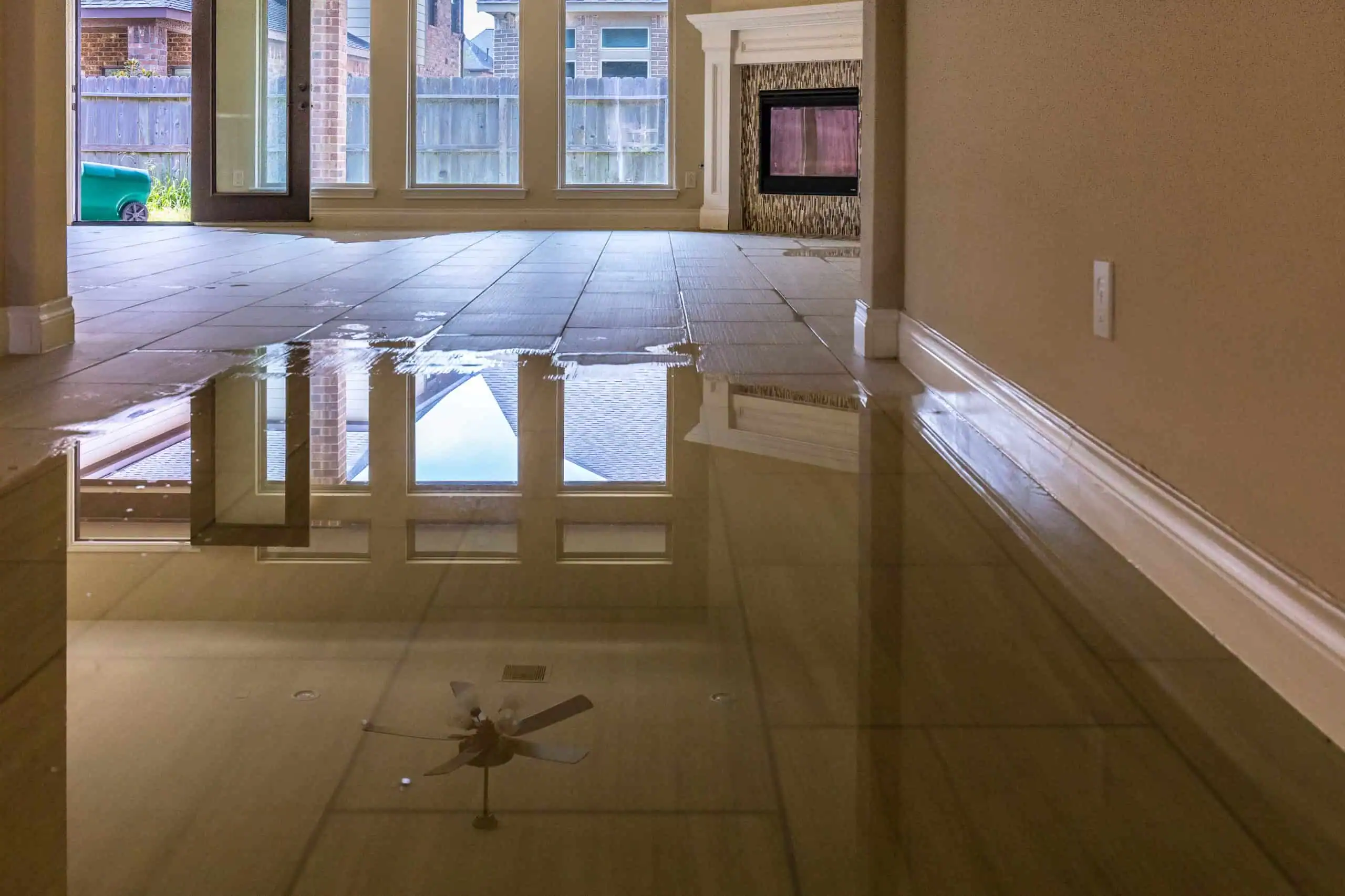
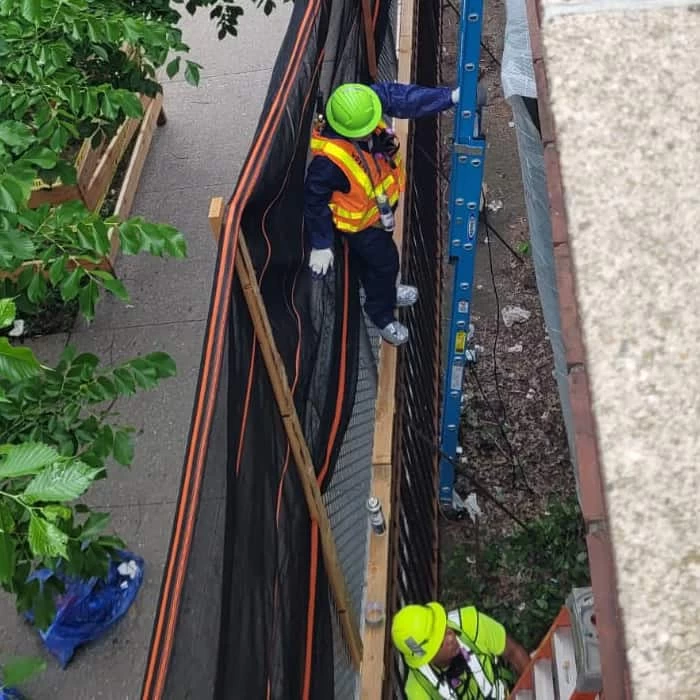
Rye Brook homeowners know the drill — one heavy storm and the water finds its way in. We respond in 60 minutes and handle everything from extraction to rebuild.
I needed a professional consultation explanation of procedure for safe removal of Asbestos in my apartment complex. Without having an account yet, I was very impressed with the caring, knowledgeable and generous advice offered by Jessica, and will look forward to doing business in the future. Thank you so much! I feel much more informed about a sometimes scary endeavor. Peace. Nancy Silva Mineola, NY.
Mia Munoz
Used this company to clean up some water flood in my house. They were fast and easy to work with.very professional, Would recommend to anyone!
Nini Valle
Great company, had a flood and they responded quickly and efficiently. Billed my insurance company directly. I highly recommend this company!
joe colapietro, jr
I had pipe freeze in my basement right before a snow storm and they made to within an hour to help start the clean up process. They we by our side throughout the entire process and even helped with the insurance company. They did such a great job with the cleanup, repair, remidiation, I contracted them to perform the repairs and finishes in the basement. They came with enough manpower and material to get the job done. Leo and Jessica were nothing but a pleasure to deal with!!
Cristian Arredondo c
I had some water damage in my home and Green Island was able to take care of my issue quickly and effectively. I am very pleased with the work they did. They responded quickly and were very professional.
Michael M
Outstanding service! From the office to the field crew everyone was friendly, helpful and responsive. I highly recommend Green Island Group.
When water gets into your home, the clock starts immediately. Mold can begin developing within 24 hours of exposure — and in a pre-1980 Rye Brook home, that moisture isn’t just sitting on the surface. It’s wicking into wall cavities, soaking through wood subfloors, and hiding behind baseboards where no fan or shop vac will ever reach. What you see is rarely the full picture.
The homes along Wyman Street and Brook Lane have seen up to six feet of standing water during severe Blind Brook overflow events. That kind of saturation doesn’t dry on its own. It requires industrial dehumidifiers, commercial air movers, and thermal imaging equipment to locate every pocket of hidden moisture before it becomes a mold problem that costs far more to fix than the original flood.
When the job is done right, you get a home that’s genuinely dry — not surface-dry. You get documentation your insurance company can use. And because most of Rye Brook’s housing stock was built before 1980, you get a team that’s licensed to handle what might be inside those walls: asbestos-containing materials, lead paint, and other hazardous components that most water damage companies aren’t legally qualified to touch.
Credentials Built for Rye Brook's Older Homes and Real Flood Risk
We’ve been doing this work in New York for over 12 years and have completed more than 5,000 restoration projects across the state. That’s not a number pulled from a brochure — it reflects the kind of experience that only comes from handling real situations, in real homes, with real consequences on the line.
The credential stack matters here, especially in Rye Brook. We hold IICRC Water Damage Certification, a NYS DOL Mold License, a NYS DOL Asbestos License, USEPA Lead/RRP Certification, and NYS/NYC M/WBE Certification — a state-audited designation that requires verified documentation to maintain. We also work directly with the NYS Office of General Services. In a village where the majority of homes were built before 1978 and where Blind Brook flooding is a documented, recurring event, having a single contractor who can legally and safely handle water, mold, asbestos, and lead under one roof isn’t a luxury. It’s the only responsible way to approach restoration in Rye Brook.
What Happens From Your First Call to the Final Walkthrough
You call, and someone is on-site within 60 minutes. The first priority is stopping the damage from spreading — that means immediate water extraction using industrial-grade equipment, followed by a full moisture assessment using thermal imaging cameras and moisture meters. This step is what separates a real restoration from a surface dry. Hidden moisture in a 1950s Rye Brook ranch house can sit in wall cavities for weeks before it shows itself as mold. Finding it early is everything.
Once extraction is complete, the structural drying phase begins. Commercial dehumidifiers and air movers are placed strategically throughout the affected area, and moisture readings are tracked daily until the structure reaches safe levels. If testing reveals asbestos-containing materials or lead paint in the affected areas — which is a real possibility in Rye Brook homes built before 1978 — we handle abatement in full compliance with NYS DOL requirements before any reconstruction begins. This protects you legally and keeps your family safe.
From there, reconstruction starts. Framing, drywall, flooring, insulation, finishes — everything is handled in-house. Because Rye Brook’s village code includes Chapter 130 (Flood Damage Prevention) and properties in FEMA Special Flood Hazard Areas may trigger additional compliance requirements during reconstruction, we manage permitting and documentation so you’re not navigating that process alone while your home is still mid-restoration.
Most water damage companies stop at mitigation. They extract the water, run some drying equipment, and hand you off to someone else for mold remediation, someone else for asbestos, and a general contractor for the rebuild. In a village like Rye Brook — where homes are worth close to $1 million and flooding events can involve multiple overlapping hazards — that fragmented approach creates delays, miscommunication, and gaps in accountability that end up costing you more.
We cover the entire scope: water extraction, structural drying, moisture monitoring, mold prevention and remediation, asbestos abatement, lead paint management, full structural reconstruction, and final finishes. Everything under one license, one team, one point of contact. If your home sits in one of Rye Brook’s FEMA-designated Special Flood Hazard Areas near Blind Brook — or if you’re on Brook Lane, Wyman Street, or anywhere else in the village that’s seen repeated flooding — that continuity matters more than you might realize until you’re in the middle of it.
Insurance is handled directly. We document the damage in the format adjusters need, communicate with your carrier on your behalf, and bill insurance directly where coverage applies. And if your standard homeowners policy doesn’t cover the event — which is common when flooding comes from Blind Brook overflowing its banks rather than an internal source — we offer financing up to $200,000 at 0% APR. No competitor in this market offers that.
Does homeowners insurance cover flooding from Blind Brook overflowing in Rye Brook?
This is one of the most important questions Rye Brook homeowners face after a flood event, and the answer depends on the source of the water. Standard homeowners insurance typically covers sudden, internal water damage — a burst pipe, an appliance failure, an overflowing bathtub. What it generally does not cover is rising water from an external source, which is exactly what happens when Blind Brook overflows its banks and water enters homes along Wyman Street, Brook Lane, or other low-lying areas in the village.
That type of damage falls under flood insurance, which is a separate policy typically issued through the National Flood Insurance Program (NFIP). Some Rye Brook homeowners near Blind Brook carry NFIP policies — particularly those in FEMA-designated Special Flood Hazard Areas, where coverage became a requirement for homeowners who received federal disaster assistance after events like Hurricane Ida. If you’re not sure what your policy covers, the first step is pulling out your declarations page and looking specifically at the exclusions section. We document damage in the format both homeowners and flood insurance adjusters need, and work directly with your carrier so you’re not navigating that process alone.
How quickly does mold start growing after a basement flood?
Mold can begin developing within 24 to 48 hours of water exposure under the right conditions — and basements in Rye Brook’s older housing stock tend to provide exactly those conditions. Pre-1980 construction often means wood subfloors, older drywall, fiberglass or cellulose insulation, and limited ventilation — all materials that absorb moisture quickly and hold it long after the visible water is gone.
The part most people don’t account for is the hidden moisture. Water from a Blind Brook overflow event doesn’t just sit on the floor — it wicks into wall framing, travels under flooring, and saturates insulation inside wall cavities. A surface that feels dry to the touch can have moisture readings well above safe thresholds inside the wall. That hidden saturation is where mold establishes itself, often going undetected for weeks until it becomes visible or starts affecting air quality. Industrial drying equipment and daily moisture monitoring are what prevent that from happening — not fans and open windows.
My Rye Brook home was built in the 1950s — should I be worried about asbestos during flood restoration?
Yes, and it’s worth taking seriously. Homes built before approximately 1980 commonly contain asbestos in floor tiles, pipe insulation, ceiling tiles, joint compound, and certain types of drywall. In Rye Brook, where the largest concentration of homes was built between 1940 and 1969, this applies to a significant portion of the village’s housing stock.
The risk during flood restoration is disturbance. When walls need to be opened, flooring removed, or insulation replaced as part of the drying and reconstruction process, asbestos-containing materials can be disturbed and release fibers into the air. New York State law requires that asbestos abatement be performed by a contractor holding a NYS DOL Asbestos License — and that work must be reported to the Department of Environmental Protection before it begins. Most water damage companies operating in Westchester County do not hold this license. We do. If testing reveals asbestos in your home during the restoration process, we handle the abatement in full regulatory compliance before any reconstruction begins — protecting your family and keeping you on the right side of state law.
What does the flood restoration process actually cost in Rye Brook, NY?
Costs vary significantly depending on the scope of the damage, the size of the affected area, and what’s found during the assessment. A straightforward water extraction and structural drying job in a finished basement might run in the range of $3,000 to $8,000. Once you factor in mold remediation, asbestos abatement, and full structural reconstruction — which is common in severe Blind Brook flooding events where homes sustain significant saturation — the total can climb considerably higher.
In the New York metro area, restoration costs run roughly 9% above national averages, and Rye Brook’s housing stock adds complexity that affects pricing: older construction, potential hazardous materials, and in some cases FEMA flood zone compliance requirements that affect how reconstruction must be done. The most important thing is getting an accurate assessment before any work begins. We provide transparent estimates and, for situations where insurance doesn’t cover the full scope, offer financing up to $200,000 at 0% APR — which is not something any other restoration company in this market currently offers.
How do I know if my Rye Brook property is in a FEMA flood zone?
The Village of Rye Brook publishes FEMA flood maps directly on its official website, including a Brook Lane-specific flood map that reflects the documented risk along that corridor. The village’s Chapter 130 (Flood Damage Prevention) ordinance also defines which areas fall within designated Special Flood Hazard Areas and what requirements apply to properties in those zones.
You can also check your property’s flood zone status using FEMA’s Flood Map Service Center at msc.fema.gov by entering your address. If your home is in a designated Special Flood Hazard Area, there are specific implications for restoration: substantial improvements — defined as repairs costing 50% or more of the structure’s pre-damage market value — may trigger requirements to bring the lowest floor up to or above the 100-year flood elevation. That’s a significant compliance consideration that affects how reconstruction is planned and permitted. It’s one of the reasons having a licensed general contractor involved from the start of a restoration project in Rye Brook matters more than it might in other towns.
Why is the East Blind Brook daylighting project happening, and does it mean flooding will stop in Rye Brook?
The East Blind Brook daylighting project is part of a $21 million Environmental Bond Act investment announced by Governor Hochul specifically targeting the Blind Brook watershed. The project involves uncovering a channeled section of the East Blind Brook in Rye Brook and restoring it using natural stream design techniques, which improves the waterway’s ability to handle stormwater volume during heavy rainfall events. Additional work includes replacing two undersized bridges — the Playland Parkway and Oakland Avenue bridges over Blind Brook in the City of Rye — with larger spans to reduce the bottlenecks that contribute to upstream flooding.
This investment confirms what Rye Brook residents already know from experience: the flooding problem here is real, documented, and significant enough to warrant state-level infrastructure intervention. What it does not mean is that flooding will stop anytime soon. These projects take years to complete, and in the meantime, homes along Blind Brook and its tributaries remain at the same elevated risk they’ve always been at. The infrastructure work addresses the long-term structural cause — but it doesn’t protect your basement during the next heavy storm. That’s still on you to plan for, and having a restoration contractor you can call immediately when water comes in remains as important as ever.