Somers Lake Homes Flood Differently — Here's What Actually Fixes It
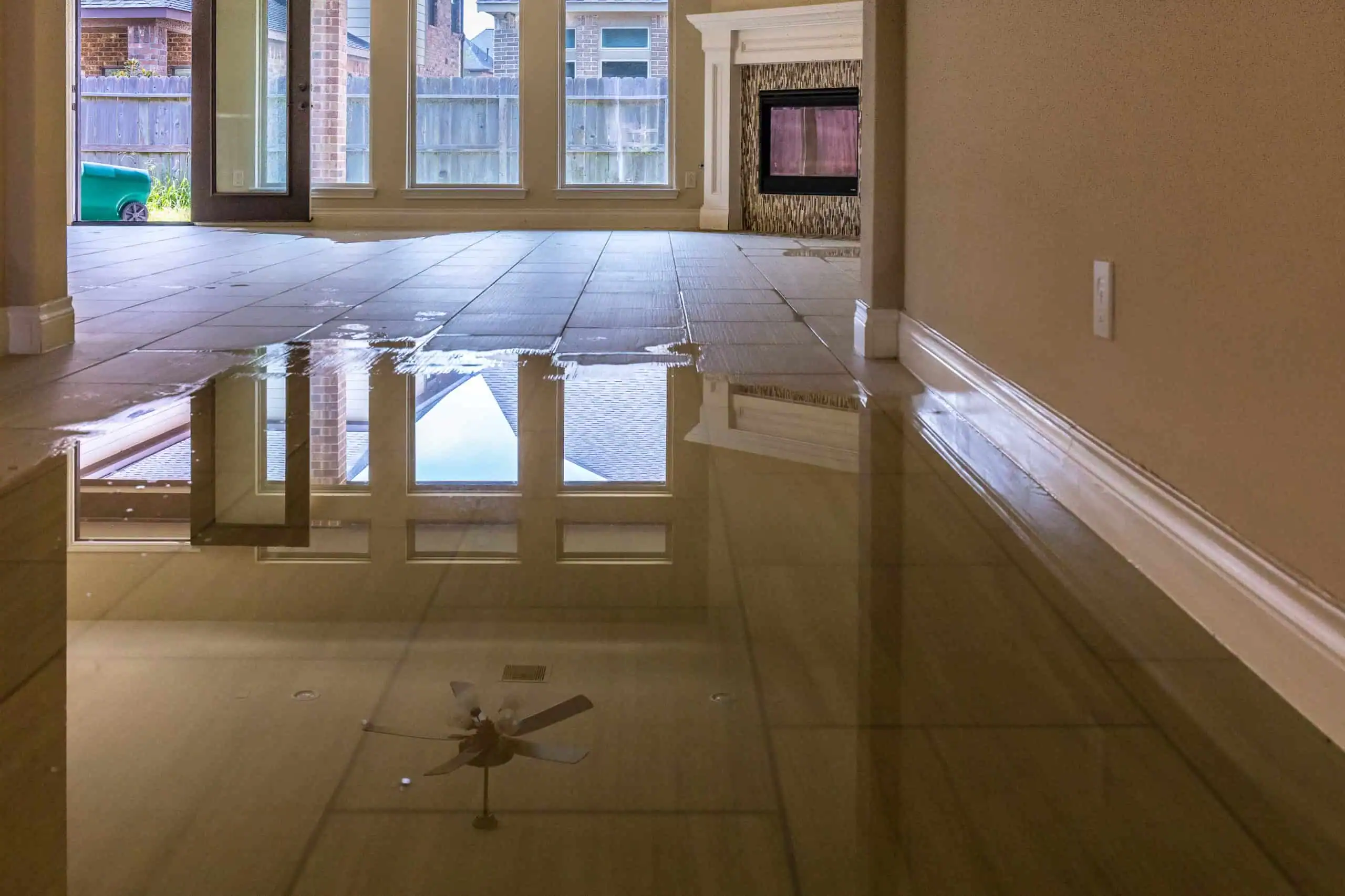
We respond in 60 minutes, bill your insurance directly, and handle water, mold, asbestos, and full reconstruction under one roof. When you’re dealing with a flooded basement in Somers, you’re not just managing water damage — you’re managing the specific vulnerabilities of homes built in the lake communities decades ago, before modern waterproofing standards existed.
I needed a professional consultation explanation of procedure for safe removal of Asbestos in my apartment complex. Without having an account yet, I was very impressed with the caring, knowledgeable and generous advice offered by Jessica, and will look forward to doing business in the future. Thank you so much! I feel much more informed about a sometimes scary endeavor. Peace. Nancy Silva Mineola, NY.
Mia Munoz
Used this company to clean up some water flood in my house. They were fast and easy to work with.very professional, Would recommend to anyone!
Nini Valle
Great company, had a flood and they responded quickly and efficiently. Billed my insurance company directly. I highly recommend this company!
joe colapietro, jr
I had pipe freeze in my basement right before a snow storm and they made to within an hour to help start the clean up process. They we by our side throughout the entire process and even helped with the insurance company. They did such a great job with the cleanup, repair, remidiation, I contracted them to perform the repairs and finishes in the basement. They came with enough manpower and material to get the job done. Leo and Jessica were nothing but a pleasure to deal with!!
Cristian Arredondo c
I had some water damage in my home and Green Island was able to take care of my issue quickly and effectively. I am very pleased with the work they did. They responded quickly and were very professional.
Michael M
Outstanding service! From the office to the field crew everyone was friendly, helpful and responsive. I highly recommend Green Island Group.
Your Home Dried, Cleared, and Documented — Completely
When water gets into a home in Lincolndale, Shenorock, or Purdys, it doesn’t just sit on the floor. It moves into wall cavities, under subfloors, and into insulation — especially in homes that started as 1920s summer cottages and were expanded over the decades. Those older structures weren’t built with modern waterproofing in mind, and the water table near the lake communities in Somers is high enough that a sump pump failure or a heavy spring thaw can send water rising fast.
The outcome you need isn’t just a dry basement. It’s documented, certified remediation that holds up to your insurance adjuster, passes a future home inspection, and gives you actual confidence that the problem is gone. Not covered up. Gone. That means thermal imaging to find moisture your eyes can’t see, industrial drying equipment running until the readings confirm it’s done, and written documentation of every step.
Somers sits entirely within the Croton Watershed, which means environmental work here carries real responsibility. If your home is pre-1980 — and many in the lake communities are — a flood can disturb asbestos in floor tiles or pipe insulation, and lead paint in walls. Most restoration companies in this market aren’t licensed to handle that. We are.
We’ve been doing environmental restoration work across New York State for over 12 years, with more than 5,000 completed projects. We hold the full stack of credentials that matter for a market like Somers: IICRC Water Damage certification, NYS DOL Mold license, NYS DOL Asbestos license, USEPA Lead and RRP certification, and a General Contractor license — all under one roof. We’re also NYS and NYC M/WBE certified and work with the NYS Office of General Services, which means the State of New York has vetted us for public-sector restoration work.
That matters in northern Westchester, where the housing stock in communities like Lincolndale and Shenorock includes a lot of older homes that were never meant to be year-round residences. When water hits those walls in Somers, you need a company that can handle whatever it finds — not one that has to stop and subcontract the moment asbestos or mold enters the picture. We handle it all, start to finish, with the documentation to back it up.
From the First Call to the Final Inspection — No Gaps
When you call, our 60-minute response guarantee is exactly that — a guarantee, not a window. A crew arrives with extraction equipment, moisture meters, and thermal imaging cameras. We don’t just pull the standing water; we map where it’s traveled. In older homes near the Somers lake communities, that means checking behind finished basement walls, under wood subfloors, and inside any insulated cavities where moisture hides and mold starts.
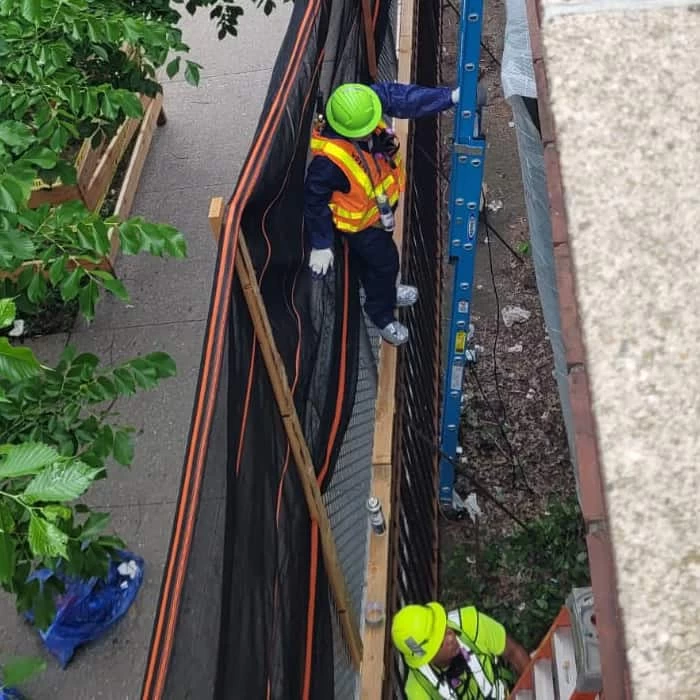
Once the scope is clear, industrial drying equipment goes in — commercial-grade dehumidifiers and air movers calibrated to the specific moisture readings in your space. The drying process is monitored daily and documented throughout. If mold is present or developing, that’s addressed under our NYS DOL Mold license before any reconstruction begins. If asbestos-containing materials were disturbed — a real possibility in Somers homes built before 1980 — abatement is handled under our NYS DOL Asbestos license, with proper DEP notification filed as required by state law.
Reconstruction comes last. Framing, drywall, flooring, electrical — whatever the water took, it gets put back. Because Somers has its own Flood Damage Prevention ordinance under Chapter 102 of the Town Code, any work in a flood hazard area must meet local standards that go beyond the state minimum. We know those requirements and build them into the scope from day one.
Flood restoration in Somers isn’t a single service — it’s a sequence of interconnected work that has to be done in the right order by the right licensed hands. Our process covers emergency water extraction, structural drying, mold assessment and remediation, asbestos and lead-safe handling where required, and full reconstruction. You’re not managing four different contractors. You’re making one call.
For Somers homeowners, the asbestos and lead piece isn’t a footnote. More than 80% of homes in Westchester County predate the 1978 federal lead paint ban, and many of the lake community homes in Lincolndale, Shenorock, and Purdys were built decades before that. Flood water that saturates older walls and floors can disturb materials that require licensed abatement — not a general contractor with a shop vac. We hold the specific state and federal licenses to do that work legally and safely, and we document everything for your insurance file.
On the financial side, we bill your insurance directly so there’s no upfront cost during the emergency phase. For losses that exceed your coverage — or situations where insurance falls short — financing is available up to $200,000 at 0% APR. No competitor in the Somers market offers that. For Heritage Hills residents and others managing retirement assets, that option isn’t a minor detail. It’s the difference between restoring the home completely and cutting corners because the check didn’t cover everything.
Does homeowners insurance cover flood damage in Somers, NY?
Standard homeowners insurance typically does not cover flooding caused by weather — meaning water that enters your home from outside, whether from heavy rain, rising groundwater, or an overflowing stream. For that type of damage, you’d need a separate flood insurance policy, usually through the National Flood Insurance Program (NFIP). Somers participates in the NFIP, and properties in designated flood zones along the Muscoot River corridor or near the Amawalk Reservoir may already carry this coverage.
What standard homeowners insurance usually does cover is sudden and accidental water damage from inside the home — a burst pipe, a failed sump pump, or an appliance leak. The line between the two isn’t always obvious after an event, and insurance adjusters will want documentation. We bill insurance directly and handle the paperwork from the start, so you’re not navigating that process alone while your basement is still wet.
How fast does mold grow after a flood, and how serious is it?
Mold can begin growing within 24 to 48 hours of a water event — sometimes faster in warm, humid conditions. In Somers, spring and summer flooding events happen when temperatures and humidity are already elevated, which accelerates that timeline. By the time visible mold appears, it’s been growing behind the surface for days.
The reason this matters beyond the obvious health concerns is documentation. If mold is found during a future home inspection — or if a family member develops symptoms — you need a paper trail showing that certified remediation was performed. Our mold work is done under our NYS DOL Mold license, and every job is documented to professional standards. That paperwork protects you at resale, during insurance claims, and in any dispute about whether the work was done correctly.
My Somers home was built in the 1960s — should I be worried about asbestos after a flood?
Yes, and it’s worth taking seriously. Homes built before 1980 — which includes most of the lake community homes in Lincolndale, Shenorock, and Purdys — commonly contain asbestos in floor tiles, pipe insulation, attic insulation, and joint compound. When those materials get saturated during a flood, they can become friable, meaning the fibers can become airborne during drying or demolition work.
New York State law requires that asbestos abatement be performed by a contractor holding a NYS DOL Asbestos license, and that proper notification be filed with the Department of Environmental Protection at least seven days before work begins. Most general restoration contractors in this market are not licensed for asbestos abatement. We are, which means if asbestos is found during your flood restoration in Somers, we can handle it in-house without stopping the job or bringing in a separate subcontractor. That matters both for timeline and for keeping your restoration under a single documented scope.
What does the flood restoration process actually look like from start to finish?
It starts with extraction — removing all standing water using truck-mounted or portable equipment depending on access. After that, the focus shifts to what you can’t see. Moisture meters and thermal imaging cameras map where water has traveled inside wall cavities, under floors, and into structural framing. In older Somers homes with finished basements, water often travels further than it looks.
Drying equipment — commercial dehumidifiers and air movers — runs until moisture readings reach acceptable levels, typically over several days. Daily monitoring and documentation happen throughout. If mold or hazardous materials are identified, that work is addressed before any reconstruction begins. Reconstruction covers whatever was removed or damaged: framing, insulation, drywall, flooring, and finishes. Because Somers has its own Flood Damage Prevention ordinance that sets stricter standards than the state minimum in flood hazard areas, the reconstruction phase is built to meet those local requirements, not just the baseline code.
How much does flood restoration typically cost in Westchester County?
The range is wide because the scope varies so much. A straightforward basement water extraction and drying job might run in the $2,000 to $6,000 range. Once you add mold remediation, asbestos abatement, structural repairs, or full reconstruction, costs can climb into the $20,000 to $100,000 range — sometimes higher for significant structural damage in a high-value home.
In Somers, where the mean value of a detached home exceeds $1,000,000, cutting corners on restoration isn’t a savings — it’s a liability. Hidden moisture left behind becomes mold. Mold becomes a disclosure issue at resale. A future buyer’s inspector finds it, and the deal falls apart or the price drops. We bill insurance directly to remove the upfront financial barrier, and for costs that exceed your coverage, financing up to $200,000 at 0% APR is available. No other restoration company currently serving Somers offers that option.
Why do the lake communities in Somers flood more often than other parts of town?
Lake Lincolndale, Lake Shenorock, and Lake Purdys were developed in the 1920s as seasonal vacation retreats. The homes were built close to the water — intentionally — and many of them were originally summer cottages that were later expanded and winterized for year-round use. That history matters because those homes were never designed with the drainage, foundation waterproofing, or sump pump systems that purpose-built year-round homes typically have.
The water table near these lakes in Somers is naturally elevated, and it rises further during spring snowmelt and heavy rain events. When a sump pump fails during a spring storm — which is the most common cause of basement flooding in these communities — there’s very little margin before water starts coming in. The Muscoot River corridor and areas near the Amawalk Reservoir face additional floodplain exposure from storm runoff. If your home is in one of these Somers communities and you’ve had water in the basement before, it’s not a one-time fluke. It’s a property characteristic that needs to be managed with properly documented, certified restoration every time it happens.