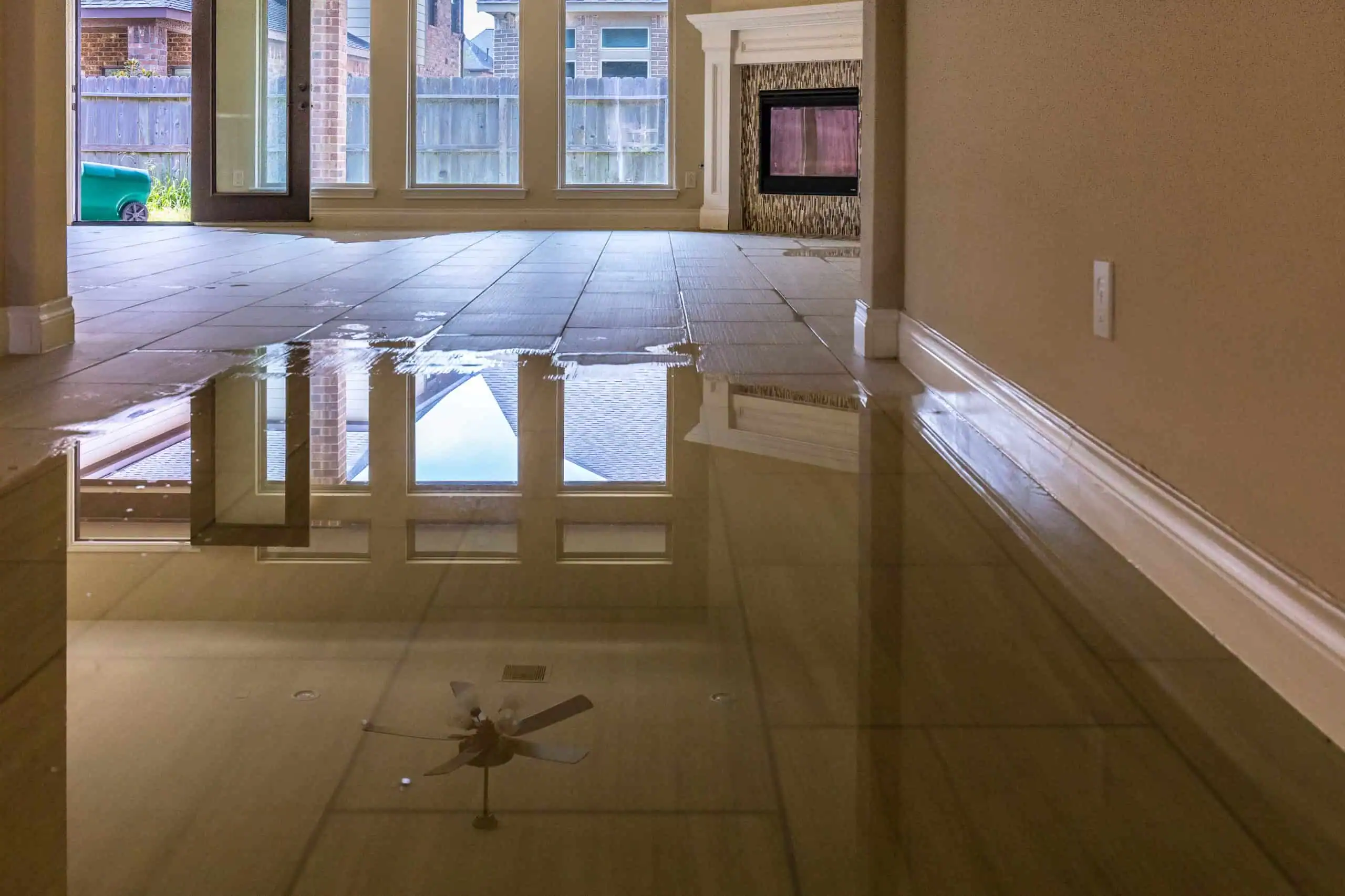
When the Sump Pump Fails and You're Still on the Train
We reach Southeast properties within 60 minutes — stopping flood damage before it turns into a mold, asbestos, or structural problem in your older Putnam County home.
I needed a professional consultation explanation of procedure for safe removal of Asbestos in my apartment complex. Without having an account yet, I was very impressed with the caring, knowledgeable and generous advice offered by Jessica, and will look forward to doing business in the future. Thank you so much! I feel much more informed about a sometimes scary endeavor. Peace. Nancy Silva Mineola, NY.
Mia Munoz
Used this company to clean up some water flood in my house. They were fast and easy to work with.very professional, Would recommend to anyone!
Nini Valle
Great company, had a flood and they responded quickly and efficiently. Billed my insurance company directly. I highly recommend this company!
joe colapietro, jr
I had pipe freeze in my basement right before a snow storm and they made to within an hour to help start the clean up process. They we by our side throughout the entire process and even helped with the insurance company. They did such a great job with the cleanup, repair, remidiation, I contracted them to perform the repairs and finishes in the basement. They came with enough manpower and material to get the job done. Leo and Jessica were nothing but a pleasure to deal with!!
Cristian Arredondo c
I had some water damage in my home and Green Island was able to take care of my issue quickly and effectively. I am very pleased with the work they did. They responded quickly and were very professional.
Michael M
Outstanding service! From the office to the field crew everyone was friendly, helpful and responsive. I highly recommend Green Island Group.
The real risk with flood damage in Southeast isn’t always what you can see standing in your basement. It’s the moisture sitting inside your wall cavity, under your subfloor, or behind the insulation in a home that was built before most people’s grandparents were born. Nearly 60% of Village of Brewster housing predates 1939, which means older construction is the norm throughout Southeast.
When water gets in and isn’t fully dried out, mold starts within 24 hours. Not eventually. Not after a week. Within a day. In Southeast homes with aging construction — the kind common throughout Brewster Heights, Brewster Hill, and the hamlet areas — that moisture has more places to hide than a modern build would ever allow. Thermal imaging finds it. Industrial drying equipment removes it. And a proper restoration means you’re not dealing with the same problem six months from now.
Beyond drying, there’s the contamination question. Most properties outside the Village of Brewster run on private septic systems. When those systems get overwhelmed during a Putnam County storm — the kind that prompted a county-wide State of Emergency in July 2023 — what backs up into your basement isn’t just water. It’s Category 3 Black Water, which carries the same contamination classification as raw sewage. That requires a licensed contractor, proper protective equipment, and full antimicrobial treatment. Getting that wrong doesn’t just leave a smell — it leaves a health hazard.
12 Years, 5,000 Projects, Every License That Matters
We’ve been doing restoration work across New York State for over 12 years and have completed more than 5,000 projects. That experience covers the full range of what flood damage looks like in Southeast and surrounding areas: sump pump failures in Brewster Hill, septic-related flooding on rural Southeast lots, storm damage following events like Tropical Depression Ida, which earned Putnam County a FEMA Major Disaster Declaration in September 2021.
The credential stack matters here more than most places. We hold the NYS DOL Mold License, NYS DOL Asbestos License, USEPA Lead and RRP Certifications, and IICRC Water Damage Certification — plus NYS and NYC M/WBE Certification and active contractor status with the NYS Office of General Services. In Southeast, where pre-1939 homes are common and older infrastructure is the rule, those licenses aren’t optional extras. They’re the difference between a legal, complete restoration and one that cuts corners you won’t discover until the inspector does.
From Standing Water to Finished Walls — Here's the Sequence
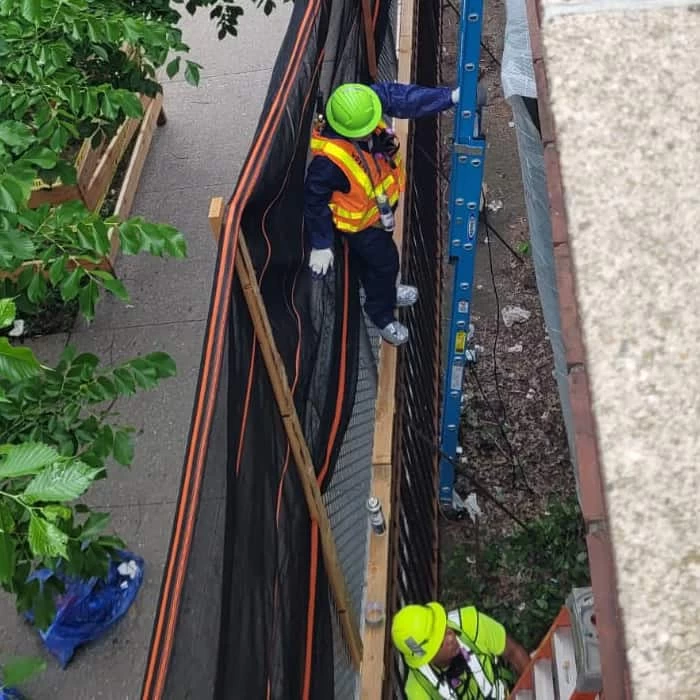
It starts with a call. Within 60 minutes, our crew is on-site in Southeast — not a scheduler, not a callback, a crew. The first thing we do is assess the scope: how much water, what category of contamination, what materials are affected, and whether the building’s age raises asbestos or lead concerns before any demolition begins. In Southeast’s older housing stock, that assessment step isn’t a formality — it’s a legal requirement under New York State law.
Water extraction comes next, followed by structural drying using industrial-grade dehumidifiers and air movers placed based on moisture readings, not guesswork. Thermal imaging identifies what’s wet behind surfaces you can’t see. Everything gets documented — damage photos, moisture logs, equipment placement records — in Xactimate format, which is exactly what your insurance adjuster needs to process the claim without delays or disputes.
Once the structure is dry and cleared, damaged materials come out. If the Town of Southeast Building Department requires a permit for the repair scope — and for structural work or system replacements, it typically does — we pull and manage that permit. Reconstruction follows: framing, insulation, drywall, finishes. You end up with a home that’s been properly restored, not just dried out and patched over.
One Contractor Covers What Southeast Homes Actually Need
Flood restoration in Southeast isn’t a single-service job. It’s water extraction, structural drying, mold prevention, hazardous material management, demolition, and reconstruction — and in this town, all of those categories are in play on a regular basis. We handle every phase under one contract, which means no gaps between what one company left and what the next one starts.
For homes in the Village of Brewster and surrounding Southeast areas built before 1960, the hazardous material component is critical. Asbestos floor tiles, pipe insulation, and older drywall compounds are common in this region’s aging housing stock. Lead paint layers beneath newer finishes are standard. Any flood restoration that requires opening walls or removing flooring in these homes needs a contractor licensed to handle those materials — and we hold both the NYS DOL Asbestos License and the USEPA Lead/RRP Certification to do it legally and completely.
For properties in Brewster Heights, Deans Corners, Drewville Heights, and the rural hamlet areas of Southeast running on private septic systems, Category 3 contamination protocols apply whenever a septic-related backup is involved. That means full PPE, proper waste disposal, and antimicrobial treatment — not just extraction and fans. We also bill insurance directly, charge zero upfront, and offer financing up to $200,000 at 0% APR for situations where standard homeowners insurance doesn’t cover storm-sourced flooding.
Does homeowners insurance cover flood damage from storms in Southeast, NY?
Standard homeowners insurance typically does not cover flooding caused by storm water or rising groundwater — which is the most common flood scenario in Southeast. Events like the July 2023 storm that triggered a Putnam County State of Emergency, or the remnants of Tropical Depression Ida in 2021, produced exactly this kind of flooding: water entering from outside the structure, overwhelming sump pumps, and backing up through drainage systems. That type of damage usually falls under a separate flood insurance policy, often through FEMA’s National Flood Insurance Program.
If you don’t have a separate flood policy, you may be responsible for the full cost out of pocket. That’s why we offer financing up to $200,000 at 0% APR — because waiting on an insurance decision you’re not sure is coming shouldn’t mean letting water sit in your Southeast home while mold starts growing. If you do have coverage, we bill the carrier directly and document everything in Xactimate so the claim moves as smoothly as possible.
How quickly does mold start growing after a basement flood?
Mold can begin colonizing wet surfaces within 24 hours of a flood event. Visible growth typically appears within 24 to 48 hours under the right conditions — and in Southeast’s older homes, where wall assemblies often include wood framing, older insulation materials, and limited vapor barriers, those conditions exist almost immediately after water intrusion. The 24-hour window is the actual timeline that determines whether you’re dealing with a drying job or a mold remediation job.
This is why response time matters so much. A crew that arrives six hours after you call is not the same as a crew that arrives within 60 minutes. Every hour of standing water increases saturation depth, raises contamination risk, and shortens the window before mold becomes a separate licensed remediation project on top of the restoration. We hold the NYS DOL Mold License, which is required by New York State law for any company legally performing mold remediation work — so if mold is found, it gets handled in the same visit, not referred out to a third party weeks later.
What is Category 3 water damage and does it apply to my Southeast property?
Category 3 is the most severe water contamination classification — it applies to water that carries sewage, bacteria, or other hazardous biological material. Floodwater from storms is classified as Category 3 by default because it picks up contaminants as it moves across ground surfaces, through drainage systems, and into your home. If your basement flooded during a storm, what’s sitting on your floor is not clean water regardless of what it looks like.
For properties in Southeast that operate on private septic systems — which includes most homes outside the Village of Brewster in areas like Brewster Heights, Deans Corners, and Drewville Heights — the contamination risk is compounded. When heavy rain overwhelms a septic system, what backs up into the basement carries the same hazard level as raw sewage. Category 3 cleanup requires specific protective equipment, proper disposal of all contaminated porous materials, and full antimicrobial treatment of affected surfaces. It is not a job for a shop vac and a box fan, and it is not a job for a general contractor who occasionally does water damage work.
Do I need a permit for flood restoration work in Southeast, NY?
It depends on the scope of the work. The Town of Southeast Building Department requires a building permit for most home improvements that go beyond cosmetic repairs — including structural repairs, replacement of plumbing or mechanical systems, and reconstruction of finished spaces. If your flood restoration involves removing and replacing drywall, repairing framing, or addressing plumbing damage, a permit is likely required before work begins.
This is an area where working with a licensed general contractor matters. Many smaller restoration operators in the Putnam County market handle extraction and drying but are not equipped to pull permits or manage the inspection process for reconstruction work. We hold both NYC and county-level general contractor licenses, which means we can pull the required permits, schedule inspections at the required intervals, and carry the project through to a compliant, finished result. If you’re dealing with a lender or an insurer who requires permitted work as a condition of the claim or a future sale, that capability isn’t optional.
What happens to asbestos and lead paint during flood restoration in an older Southeast home?
This is one of the most important questions for anyone in Southeast with a pre-1960 home — and it’s one that a lot of restoration companies avoid answering directly because they’re not licensed to handle it. Nearly 60% of housing in the Village of Brewster was built before 1939, making it among the oldest housing stock in the country. Homes that old commonly contain asbestos pipe insulation, asbestos floor tiles, asbestos-containing joint compound, and multiple layers of lead paint beneath newer finishes.
When a flood restoration requires opening walls, removing flooring, or disturbing insulation in these Southeast homes, New York State law requires that a licensed asbestos abatement contractor manage any asbestos-containing materials that are disturbed. The USEPA Lead/RRP rule similarly requires certified contractors to follow specific protocols when lead paint is present in a home being renovated or repaired. We hold the NYS DOL Asbestos License and USEPA Lead/RRP Certification — meaning we can legally and safely manage the full scope of a restoration in Southeast’s oldest homes. If your contractor doesn’t hold those licenses, they should not be opening your walls.
How long does flood restoration take from start to finish in Southeast?
The honest answer is that it depends on what’s found once the work begins — and in Southeast, what’s found often goes beyond what’s visible on day one. A straightforward basement flood with clean water, no mold, and no hazardous materials in a newer home might be dried out and ready for reconstruction within three to five days. A flood in a pre-1940 Village of Brewster home with Category 3 contamination, hidden moisture in wall cavities, and asbestos-containing materials that need to be tested and abated before demolition can proceed — that’s a different timeline, sometimes two to four weeks depending on scope and permit requirements.
The factors that most commonly extend timelines in Southeast specifically are the age of the housing stock, the presence of hazardous materials requiring testing and licensed abatement, and the permit process with the Town of Southeast Building Department for reconstruction work. We work to compress that timeline wherever possible — starting with the 60-minute on-site response that stops damage from compounding — but the most important thing is that the work is done completely and correctly the first time. A rushed restoration that leaves hidden moisture or skips the asbestos assessment doesn’t save time. It creates a second restoration job six months later.