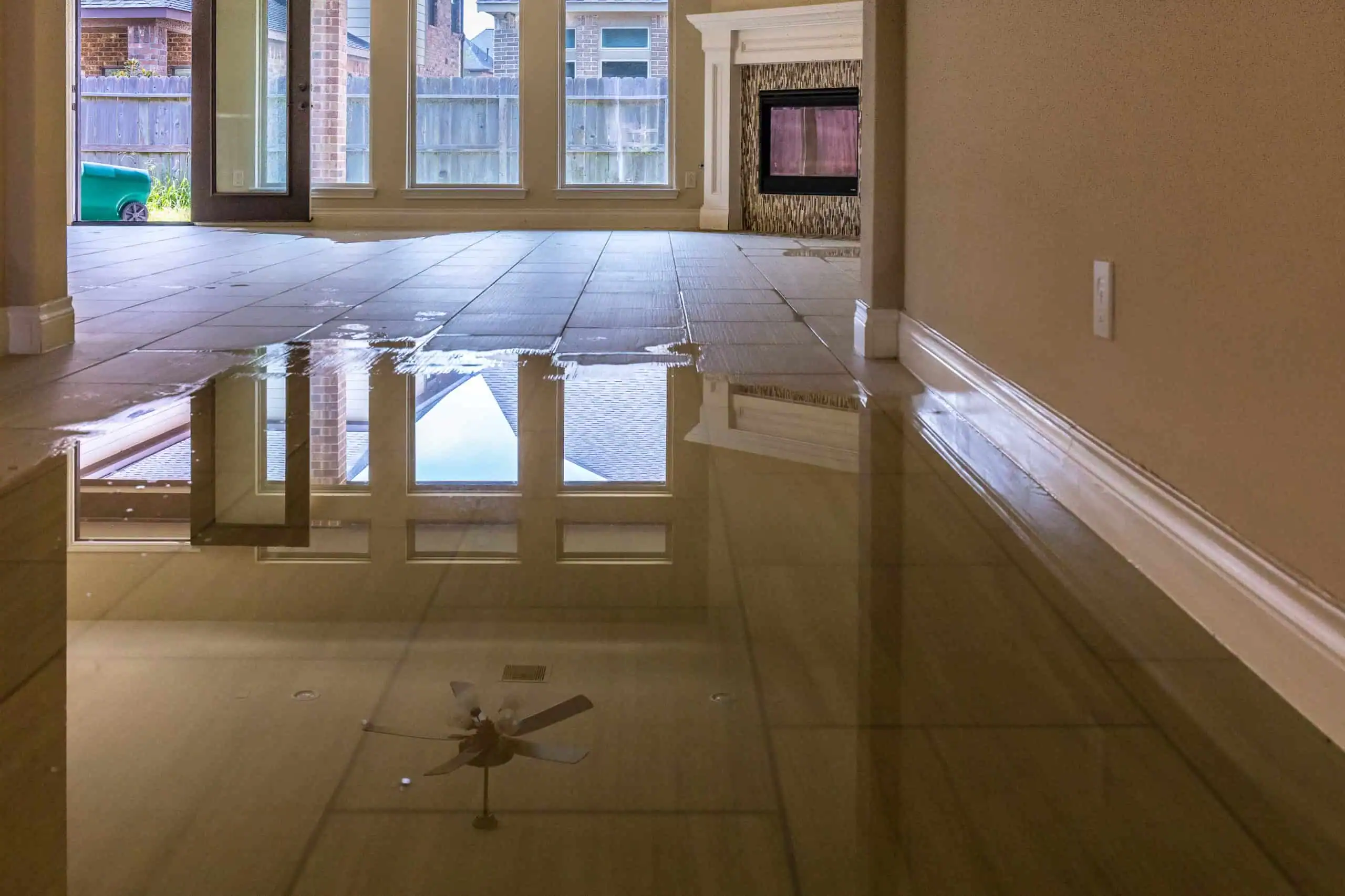
When Cedar Pond Brook Comes for Your Home, You Need Someone There Now
We’re on-site within 60 minutes — handling everything from standing water to hidden mold in Stony Point homes, with direct insurance billing so you’re not stuck fronting the cost.
I needed a professional consultation explanation of procedure for safe removal of Asbestos in my apartment complex. Without having an account yet, I was very impressed with the caring, knowledgeable and generous advice offered by Jessica, and will look forward to doing business in the future. Thank you so much! I feel much more informed about a sometimes scary endeavor. Peace. Nancy Silva Mineola, NY.
Mia Munoz
Used this company to clean up some water flood in my house. They were fast and easy to work with.very professional, Would recommend to anyone!
Nini Valle
Great company, had a flood and they responded quickly and efficiently. Billed my insurance company directly. I highly recommend this company!
joe colapietro, jr
I had pipe freeze in my basement right before a snow storm and they made to within an hour to help start the clean up process. They we by our side throughout the entire process and even helped with the insurance company. They did such a great job with the cleanup, repair, remidiation, I contracted them to perform the repairs and finishes in the basement. They came with enough manpower and material to get the job done. Leo and Jessica were nothing but a pleasure to deal with!!
Cristian Arredondo c
I had some water damage in my home and Green Island was able to take care of my issue quickly and effectively. I am very pleased with the work they did. They responded quickly and were very professional.
Michael M
Outstanding service! From the office to the field crew everyone was friendly, helpful and responsive. I highly recommend Green Island Group.
Your Stony Point Home Back to Normal — No Corners Cut
Flood damage doesn’t stop at the waterline. Water moves into wall cavities, under subfloors, and through insulation before you can even see it — and in Stony Point’s older housing stock, that moisture doesn’t just sit there. It activates. Mold can start growing within 24 hours. In a town where the majority of homes were built before 1978, that’s not a small concern.
What makes Stony Point different is the geography. When a storm rolls in off Bear Mountain and dumps several inches of rain in a matter of hours, Cedar Pond Brook doesn’t stay in its banks. Route 210 closes. Basements flood from multiple directions at once — groundwater pushing up, surface water pouring in. That’s not a standard basement leak situation. That’s a full-scope event that needs a contractor who actually understands what northern Rockland flooding does to a home.
When the work is done right, you get dry walls, clean air, no hidden moisture pockets, and documentation your insurance company will accept. You also get the peace of mind that comes from knowing someone checked for everything — including the hazards that older Stony Point homes carry that most contractors aren’t even licensed to touch.
Certified Flood Restoration Contractor Stony Point
The Credentials Here Are Real — and They Matter for Your Stony Point Home
We’ve been doing this work across New York State for over 12 years and more than 5,000 completed restoration projects. That’s not a number pulled from a brochure — it’s the kind of track record that only comes from showing up, doing the work correctly, and earning repeat calls from homeowners and insurance adjusters alike.
What sets us apart in Stony Point specifically is the full credential stack. We hold NYS DOL Mold and Asbestos licenses, USEPA Lead and RRP certifications, IICRC Water and Fire Damage certification, and NYS and NYC M/WBE Certification. We also work directly with the NYS Office of General Services. Nearly 80 percent of homes in Rockland County were built before 1978 — which means most homes in Stony Point, from Garnerville to Tomkins Cove, have a real chance of containing lead paint or asbestos in materials that flood water can disturb. Most restoration contractors in this area hold none of those environmental credentials. We hold all of them.
We’re fully insured, including liability and workers’ compensation, and we back every job with a 100% Satisfaction Guarantee.
From the First Call to a Fully Restored Stony Point Home — Here's What Happens
The process starts the moment you call. We target on-site arrival within 60 minutes, and that clock starts when you pick up the phone — not when someone finishes a form on a website. When our crew arrives, the first priority is stopping the damage from spreading. That means water extraction, containment, and an immediate moisture assessment to understand what’s been affected and what hasn’t.
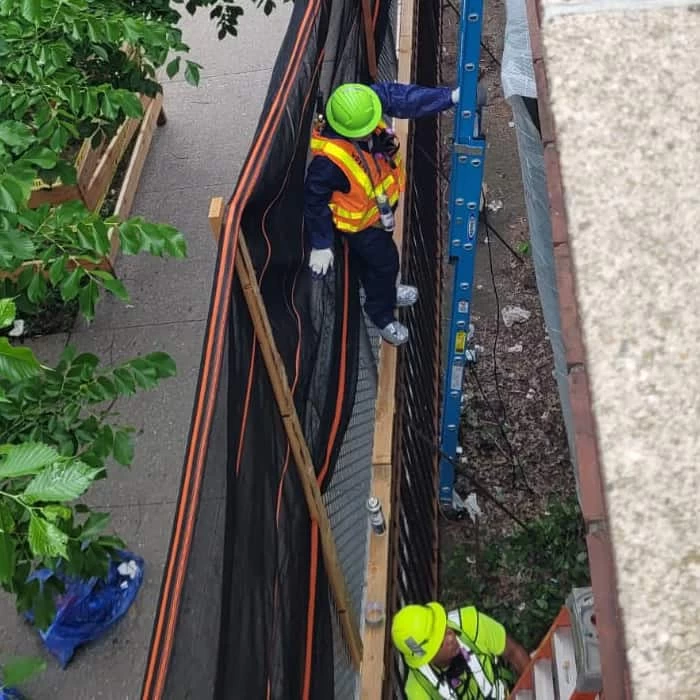
From there, the work moves into structural drying. Industrial-grade equipment pulls moisture from walls, floors, and framing — not just the surface, but the layers underneath. In Stony Point homes, especially those built in the mid-20th century near Route 9W or in the Tomkins Cove area, this phase often reveals saturated insulation, compromised subfloors, or materials that need to be tested before they’re disturbed. If asbestos or lead is a factor — and in older Rockland County homes, it often is — we handle that in-house under the appropriate NYS DOL and USEPA licenses, without sending you to find a separate contractor.
Once everything is dry and clear, reconstruction begins. Drywall, flooring, structural repairs, finishing work — all of it under one roof. Throughout the entire process, we work directly with your insurance adjuster, handling the documentation and communication so you’re not stuck in the middle of it. If your coverage has gaps, we offer financing up to $200,000 at 0% APR.
Full-Scope Restoration Built for What Stony Point Homes Actually Face
Flood restoration in Stony Point isn’t a single service — it’s a sequence of connected steps that have to be done in the right order by people who are licensed to do all of them. We cover the full scope: emergency water extraction, structural drying, mold remediation, asbestos and lead abatement when required, sewage backup cleanup, smoke and fire damage restoration, and complete reconstruction. You don’t need to coordinate multiple contractors or explain the situation five different times.
The environmental piece matters more here than most homeowners realize. The Town of Stony Point sits in a FEMA-designated flood hazard area along its Hudson River waterfront, including communities like Grassy Point and Tomkins Cove. Homes in these areas that sustain flood damage may be subject to local floodplain management requirements — including elevation standards for substantially damaged structures. We understand these requirements and can help you navigate what’s needed from a compliance standpoint, not just a cleanup standpoint.
Rockland County’s housing stock also means that mold remediation in Stony Point frequently uncovers older building materials that require licensed abatement before the restoration work can continue. That’s work most companies will stop short of or refer out. Here, we handle it directly, under the same roof, by the same licensed team — keeping your project moving without delays or gaps in accountability.
How quickly can flood restoration begin at my Stony Point home?
We target on-site arrival within 60 minutes of your call, 24 hours a day, seven days a week, including holidays. In a town like Stony Point, where storms off Bear Mountain can flood a basement faster than most people expect, that response window is the difference between manageable water damage and a full structural remediation job.
The reason speed matters so much isn’t just about the water you can see. Mold growth can begin within 24 hours of a flood event, and in the warm, humid conditions that follow a summer thunderstorm in northern Rockland County, that timeline moves quickly. The faster extraction and drying begin, the smaller the mold risk — and the lower the overall cost of restoration.
Does homeowners insurance cover flood damage in Stony Point, NY?
Standard homeowners insurance typically does not cover flood damage caused by external water sources — meaning water that enters your Stony Point home from rising rivers, overflowing streams like Cedar Pond Brook, or storm surge from the Hudson River. That type of damage is generally only covered by a separate flood insurance policy through the National Flood Insurance Program (NFIP). If your home is in one of Stony Point’s FEMA-designated flood hazard zones, particularly near the waterfront in Tomkins Cove or Grassy Point, you may be required to carry flood insurance as a condition of your mortgage.
That said, many Stony Point homeowners find themselves in a gap — standard homeowners insurance may cover sudden and accidental water damage from internal sources like burst pipes, but not the flooding that follows a major storm event. We bill insurance directly and will work with your adjuster to maximize what your policy covers. For any remaining out-of-pocket costs, we offer financing up to $200,000 at 0% APR so you’re not left waiting on a claim to start the work.
What hidden hazards should I know about when flooding hits an older Stony Point home?
Nearly 80 percent of homes in Rockland County were built before 1978, which is the year lead paint was banned for residential use. Homes built before 1980 also have a meaningful chance of containing asbestos in floor tiles, pipe insulation, ceiling tiles, joint compound, and other common building materials. When floodwater saturates these materials, it can disturb and potentially mobilize both lead and asbestos — turning a water damage event into an environmental hazard situation.
This is one of the most significant differences between flood restoration in Stony Point and restoration in newer construction areas. Most restoration contractors are not licensed to handle asbestos or lead abatement and will stop work or refer you elsewhere when these materials are identified. We hold NYS DOL Asbestos and Mold licenses and USEPA Lead and RRP certifications — meaning the full scope of hazards that a flood can uncover in a Stony Point home can be handled by one licensed team without stopping the project or adding a second contractor.
How do I know if all the moisture is actually gone after flood restoration?
Visible drying is not the same as complete drying. Water infiltrates wall assemblies, insulation, subfloor systems, and structural framing — and it stays there long after surfaces feel dry to the touch. In Stony Point’s mid-century housing stock, which includes a lot of ranch homes, Cape Cods, and bi-levels with older insulation and framing methods, hidden moisture is particularly common because those construction methods used materials that absorb and hold water differently than modern builds.
We use industrial moisture detection equipment and thermal imaging to locate saturation that isn’t visible on the surface. Every affected area is documented with readings before and after drying, and the job isn’t considered complete until those readings confirm the structure is genuinely dry — not just dry enough. That documentation also matters for your insurance claim, giving the adjuster a clear record of the scope of damage and the work performed.
Can flood damage in Stony Point lead to mold even if the water is cleaned up quickly?
Yes — and it’s more common than most homeowners expect. Mold doesn’t need standing water to grow. It needs moisture, and moisture that’s trapped inside walls, under flooring, or in insulation is exactly the kind of environment mold thrives in. Even if surface water is removed quickly, if the structural drying phase isn’t thorough, mold can develop in concealed areas and go undetected for weeks.
In Stony Point, the summer flood season creates particularly favorable conditions for mold growth — warm temperatures, high humidity, and the kind of sustained saturation that follows a flash flood event from Cedar Pond Brook or storm runoff from the Bear Mountain terrain. The mold you find six weeks after a flood didn’t appear out of nowhere; it grew from moisture that was never fully addressed during the initial cleanup. Comprehensive structural drying, combined with moisture verification, is what prevents that outcome.
Does Green Island Group offer any financing help for Stony Point residents who need flood restoration?
Yes. We offer financing up to $200,000 at 0% APR, which is available for homeowners who need work done before an insurance claim is resolved, whose policy doesn’t cover the full scope of damage, or who are dealing with a flood type — like external storm flooding — that a standard homeowners policy may not cover at all.
This matters specifically in Stony Point because a significant number of residents here are working- and middle-class homeowners carrying mortgages, and the cost of a major flood restoration — particularly one involving structural drying, mold remediation, and potential asbestos abatement in an older home — can run well into the tens of thousands of dollars. The financing option exists so that cost doesn’t become the reason a home doesn’t get properly restored. We also bill insurance directly, handling adjuster communication on your behalf, so you’re not managing that process on top of everything else a flood event puts on your plate.