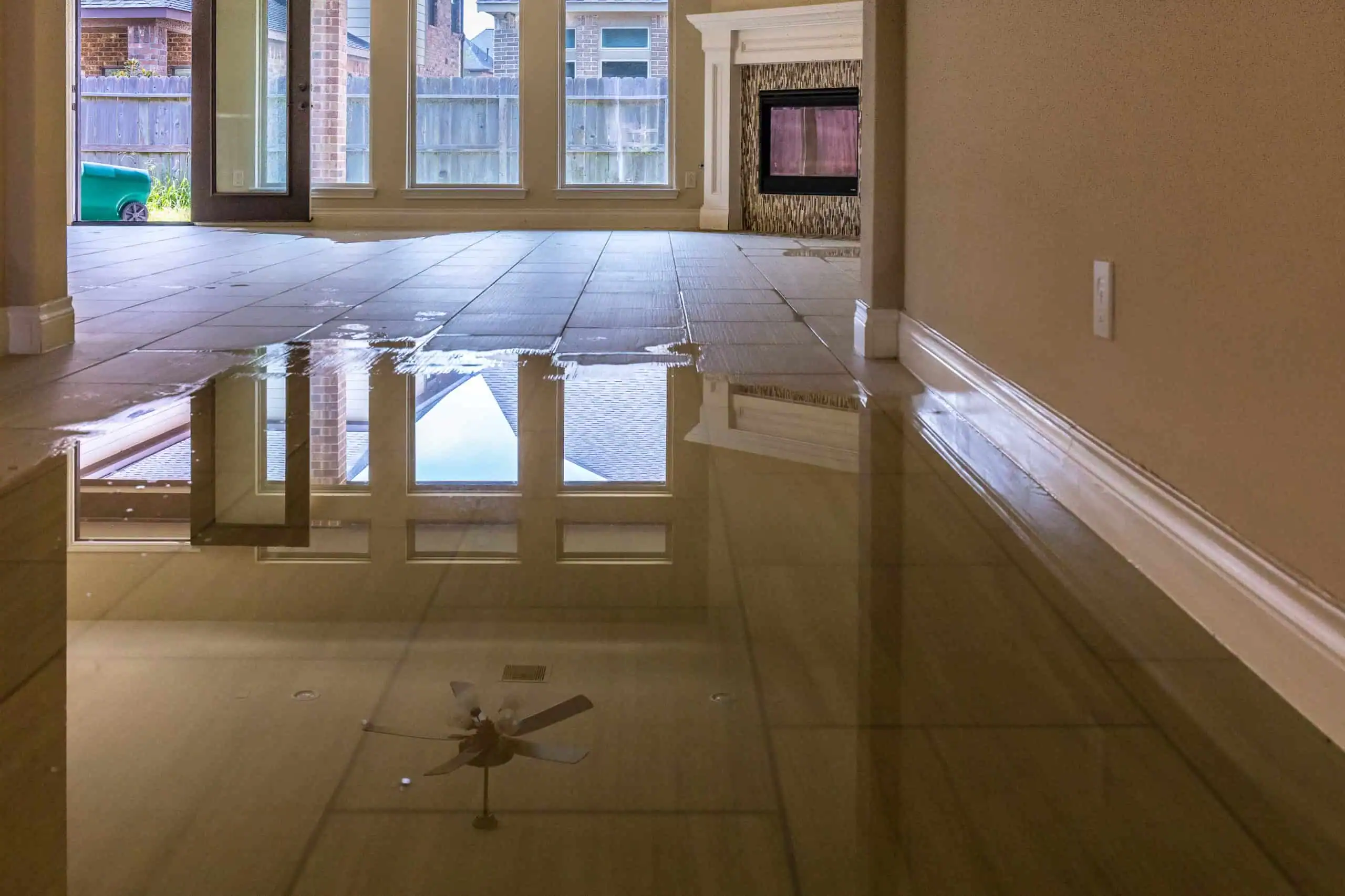
When Sparkill Creek Rises, Tappan Homeowners Need Someone There Fast
Tappan homes flood. It’s not a matter of if — Oak Tree Road and Route 303 have the documentation to prove it. We’re on-site within 60 minutes, handle everything from water extraction to full reconstruction, and bill your insurance directly.
I needed a professional consultation explanation of procedure for safe removal of Asbestos in my apartment complex. Without having an account yet, I was very impressed with the caring, knowledgeable and generous advice offered by Jessica, and will look forward to doing business in the future. Thank you so much! I feel much more informed about a sometimes scary endeavor. Peace. Nancy Silva Mineola, NY.
Mia Munoz
Used this company to clean up some water flood in my house. They were fast and easy to work with.very professional, Would recommend to anyone!
Nini Valle
Great company, had a flood and they responded quickly and efficiently. Billed my insurance company directly. I highly recommend this company!
joe colapietro, jr
I had pipe freeze in my basement right before a snow storm and they made to within an hour to help start the clean up process. They we by our side throughout the entire process and even helped with the insurance company. They did such a great job with the cleanup, repair, remidiation, I contracted them to perform the repairs and finishes in the basement. They came with enough manpower and material to get the job done. Leo and Jessica were nothing but a pleasure to deal with!!
Cristian Arredondo c
I had some water damage in my home and Green Island was able to take care of my issue quickly and effectively. I am very pleased with the work they did. They responded quickly and were very professional.
Michael M
Outstanding service! From the office to the field crew everyone was friendly, helpful and responsive. I highly recommend Green Island Group.
Your Home Back to Normal — No Shortcuts, No Surprises
When water gets into your Tappan home, the clock starts immediately. Mold can begin forming in as little as 24 hours, and moisture that looks contained on the surface is rarely contained inside the walls, under the floors, or behind the insulation. By the time you can see a problem, it’s usually already a bigger one.
That’s especially true in Tappan, where a significant portion of the housing stock predates 1978 — and many homes go back much further than that. Older stone foundations, plaster walls, and original hardwood floors hold moisture differently than modern construction. They absorb it, trap it, and give it somewhere to hide. A proper restoration here means knowing what you’re dealing with before you start pulling things apart, not after.
What you’re left with, when the job is done right, is a home that’s actually dry — not just surface-dry. No lingering odor. No soft spots in the floor. No mystery stains showing up three months later. And if your Tappan home has asbestos-containing materials or lead paint — which is a real possibility in these older neighborhoods — you’re not creating a second hazard while fixing the first.
12 Years, 5,000 Projects, and We Know Tappan's Watershed
We’ve been doing environmental restoration work across New York State for over 12 years. More than 5,000 completed projects. Full liability insurance, Workers’ Compensation, and a 100% Satisfaction Guarantee on every job. We hold NYS DOL Mold and Asbestos licenses, USEPA Lead/RRP certification, IICRC Water Damage Restoration certification, and NYS and NYC M/WBE certification — credentials that most providers marketing to Tappan residents simply don’t carry.
Tappan sits within the Sparkill Creek watershed, and that matters for how flood restoration actually gets done here. The Town of Orangetown has formally documented flood-vulnerable locations at Oak Tree Road and along Route 303 near the NJ border — these aren’t hypothetical risks, they’re recorded events. Our Rockland County experience means familiarity with Orangetown’s building permit process, the age and character of local Tappan housing stock, and what it actually takes to restore a home in this specific community — not a generic suburb, but Tappan.
What Actually Happens From Your First Call to Finished Restoration in Tappan
When you call, the first thing that happens is a real conversation — not a form, not a callback queue. We dispatch within 60 minutes. Our crew arrives with industrial extraction equipment, thermal imaging cameras, and moisture detection tools, and the first priority is stopping the damage from spreading. Water comes out. The full extent of saturation gets mapped — including areas you can’t see with the naked eye.
From there, the drying process begins using commercial-grade air movers and dehumidifiers calibrated to the specific moisture load in your home. This isn’t a fan-and-wait situation. The equipment runs until readings confirm the structure is genuinely dry, not just dry enough. For Tappan homes with older construction — stone foundations, plaster walls, original framing — this step takes the time it takes, and cutting it short is how you end up with mold six weeks later.
If the assessment turns up mold, asbestos-containing materials, or lead paint — all of which are realistic findings in homes throughout Tappan’s older neighborhoods — those are handled in-house under the appropriate NYS licenses before any reconstruction begins. Orangetown building permits are pulled for any structural work. Then the rebuild happens: drywall, flooring, finishing — whatever your home needs to be fully restored. One company, start to finish.
Everything a Tappan Home Needs After a Flood — Under One Roof
Flood restoration in Tappan isn’t a single-trade job. A water event in an older home — especially one near the Sparkill Creek corridor — can involve water extraction, structural drying, mold remediation, asbestos abatement, lead-safe demolition practices, and full reconstruction, sometimes all in the same project. We handle every phase of that process, which means you’re not coordinating four different contractors while your home sits wet.
The service begins with emergency water removal using truck-mounted extraction equipment, followed by thermal imaging to locate hidden moisture in wall cavities, subfloors, and insulation. Commercial drying systems run until the structure meets IICRC drying standards — not until it looks okay. If mold is found, it’s remediated under our NYS DOL Mold License. If asbestos or lead is present, which is a legitimate concern in homes throughout Tappan’s historic neighborhoods and pre-1978 residential stock, it’s handled by our licensed technicians with proper DEP notification and containment protocols.
Reconstruction covers whatever was removed or damaged: framing, drywall, insulation, flooring, trim. We bill insurance directly and offer financing up to $200,000 at 0% APR for situations where standard homeowners coverage falls short — a real consideration for Tappan residents near Sparkill Creek who may be discovering that their policy excludes rising water damage.
Does homeowners insurance cover flood damage from Sparkill Creek in Tappan?
This is one of the most important questions to get clear on before a flood event, not after. Standard homeowners insurance policies in New York typically do not cover flood damage caused by rising water, storm surge, or overland flooding — which is exactly what happens when Sparkill Creek overtops its banks at Oak Tree Road or the Route 303 corridor during a major storm. That kind of damage requires a separate flood insurance policy, usually through the National Flood Insurance Program (NFIP).
What standard homeowners insurance does typically cover is sudden and accidental water damage from internal sources — a burst pipe, a failed water heater, a malfunctioning appliance. If your Tappan basement flooded because your sump pump failed during a storm rather than because the creek rose, that’s a different conversation with your insurer. We work directly with insurance carriers, handle the documentation, and bill them on your behalf so you’re not navigating the claims process alone. For situations where coverage falls short or doesn’t apply, we offer financing up to $200,000 at 0% APR.
How quickly does mold start growing after a basement flood in an older Tappan home?
Mold can begin colonizing within 24 to 48 hours of a flood event under the right conditions — and older homes in Tappan tend to create those conditions more readily than newer construction. Stone foundations, plaster walls, original hardwood floors, and older insulation all retain moisture longer and in ways that are harder to detect without professional equipment. What looks dry on the surface can still be holding significant moisture inside wall cavities and subfloor materials.
That’s why the drying process matters as much as the water extraction. Pulling standing water out quickly is critical, but if the structural materials underneath aren’t brought to proper moisture levels, you’re setting up a mold problem that shows up weeks later — sometimes after you’ve already put the walls back together. We use thermal imaging and calibrated moisture meters to map the full extent of saturation before drying begins, and drying doesn’t stop until readings confirm the structure is genuinely dry. If mold is already present when work starts, remediation is handled in-house under our NYS DOL Mold License.
My Tappan home is over 100 years old — do I need to worry about asbestos during flood restoration?
It’s a fair concern, and in Tappan it’s a realistic one. Homes built before the mid-1970s may contain asbestos in pipe insulation, floor tiles, joint compound, ceiling texture, and other building materials. Tappan’s housing stock includes properties dating back to the 18th century — the DeWint House at 20 Livingston Avenue is the oldest building in Rockland County — and a significant portion of the hamlet’s residential homes were built well before the federal asbestos phase-out.
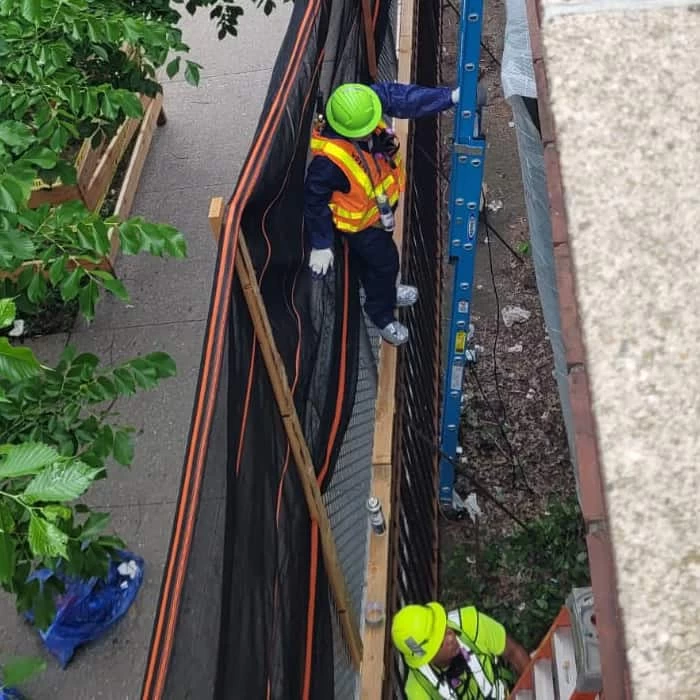
When flood restoration requires opening walls, removing flooring, or disturbing insulation, there’s a real possibility of encountering asbestos-containing materials. In New York State, any abatement work requires a licensed asbestos contractor and advance notification to the DEP — typically at least seven days before work begins. An unlicensed contractor who disturbs asbestos during a restoration job doesn’t just create a health hazard; they create a regulatory problem for the homeowner as well. We hold the NYS DOL Asbestos Contractor License and handle abatement in-house, which means the process stays compliant and contained without requiring you to bring in a separate contractor mid-project.
How much does flood restoration typically cost for a home in Tappan, NY?
Based on completed projects in the Tappan area, flood restoration costs typically fall in the range of $4,154 to $4,848 for a standard water damage scenario. That figure assumes a Category 1 or Category 2 water event — clean or gray water — with moderate structural saturation and no complicating factors. Costs climb from there based on the category and class of the damage, the square footage affected, and whether the project involves mold remediation, asbestos abatement, or lead-safe demolition.
For Tappan homeowners, the complicating factors are worth understanding upfront. Older homes with stone foundations and original building materials often fall into higher damage classes because the materials absorb and retain moisture more deeply. A finished basement that took on two inches of water during a Sparkill Creek event may look like a straightforward extraction job on the surface but require significantly more drying time and structural assessment than a newer home would. If mold is present or asbestos is discovered during demolition, those are separate scopes of work with their own cost components. Getting a thorough assessment before work begins — rather than a quick quote over the phone — is the only way to know what you’re actually dealing with.
What's the difference between water mitigation and full flood restoration?
Water mitigation is the emergency phase — getting the water out and stopping further damage from spreading. That includes extraction, containment, and beginning the drying process. It’s urgent, time-sensitive work, and it’s where the 60-minute response window matters most. But mitigation alone doesn’t restore your home. It stabilizes it.
Full flood restoration picks up where mitigation ends. Once the structure is confirmed dry and any environmental hazards have been addressed, the rebuild begins — replacing damaged drywall, flooring, insulation, framing, trim, and finishes. For a Tappan home with original hardwood floors, plaster walls, or period architectural details, that reconstruction phase requires care and attention that a standard mitigation-only company isn’t set up to provide. We handle both phases under one roof, which means there’s no handoff between a mitigation crew and a separate reconstruction contractor, no scheduling gaps while your home sits open, and no finger-pointing between companies if something doesn’t line up. One team manages the entire process from the first call to the finished room.
Can flood restoration work be done in winter in Rockland County?
Yes, and in Rockland County, winter is actually one of the more common times flood restoration calls come in. Frozen and burst pipes are a significant source of water damage during cold snaps, and Tappan’s older housing stock — with aging plumbing, less-than-perfect insulation, and stone foundations that conduct cold — is particularly vulnerable to freeze-thaw cycles. A pipe that bursts in January doesn’t wait for spring to be addressed.
Winter restoration does come with some practical considerations. Drying times can be affected by ambient temperature and humidity levels inside the home, particularly in basements or crawl spaces that are harder to heat. Commercial drying equipment is calibrated to account for these conditions, but the process may take longer than the same job would in warmer months. For any structural work requiring Orangetown building permits, the permitting timeline doesn’t change seasonally — those need to be pulled regardless of when the damage occurred. The short answer is that there’s no reason to wait out the winter before calling. Delayed restoration in cold weather creates the same mold and structural risks it does any other time of year, and in some cases the cold actually slows the visible signs of damage while the hidden moisture continues doing its work.