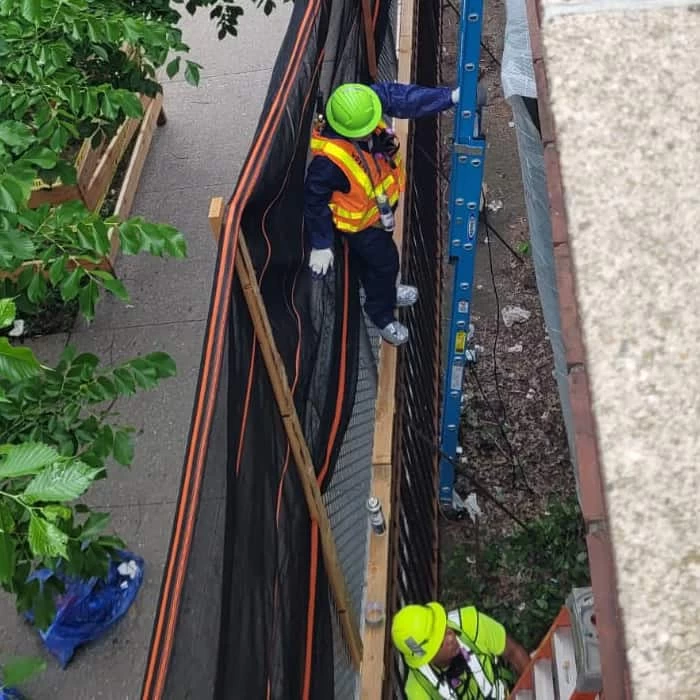
I needed a professional consultation explanation of procedure for safe removal of Asbestos in my apartment complex. Without having an account yet, I was very impressed with the caring, knowledgeable and generous advice offered by Jessica, and will look forward to doing business in the future. Thank you so much! I feel much more informed about a sometimes scary endeavor. Peace. Nancy Silva Mineola, NY.
Mia Munoz
Used this company to clean up some water flood in my house. They were fast and easy to work with.very professional, Would recommend to anyone!
Nini Valle
Great company, had a flood and they responded quickly and efficiently. Billed my insurance company directly. I highly recommend this company!
joe colapietro, jr
I had pipe freeze in my basement right before a snow storm and they made to within an hour to help start the clean up process. They we by our side throughout the entire process and even helped with the insurance company. They did such a great job with the cleanup, repair, remidiation, I contracted them to perform the repairs and finishes in the basement. They came with enough manpower and material to get the job done. Leo and Jessica were nothing but a pleasure to deal with!!
Cristian Arredondo c
I had some water damage in my home and Green Island was able to take care of my issue quickly and effectively. I am very pleased with the work they did. They responded quickly and were very professional.
Michael M
Outstanding service! From the office to the field crew everyone was friendly, helpful and responsive. I highly recommend Green Island Group.
Your West Haverstraw Home Dry, Safe, and Back to Normal
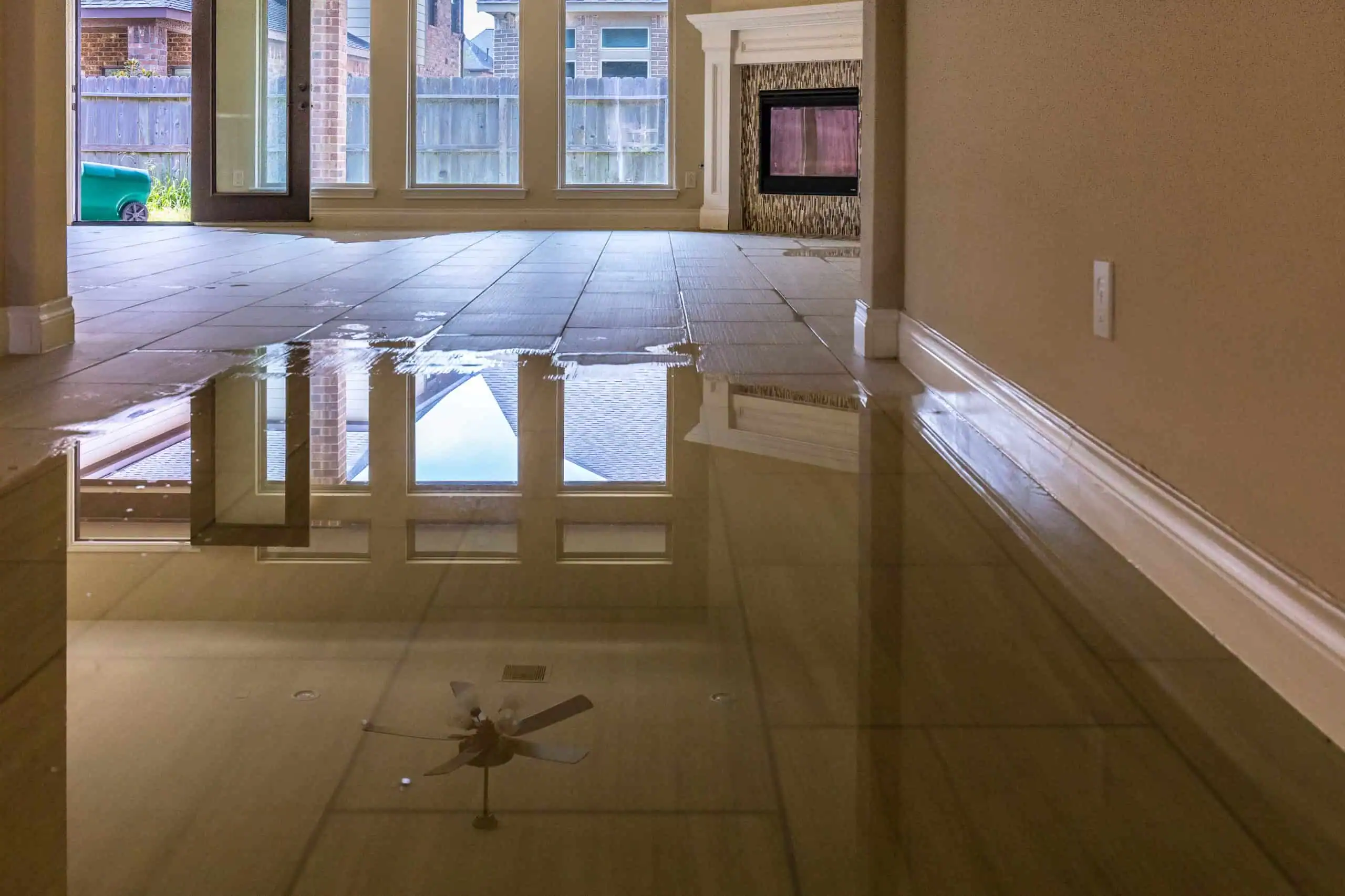
West Haverstraw sits right on the tidal Hudson, and that means flooding here doesn’t always come with a warning. One heavy storm, one surge event, one overwhelmed drain — and you’ve got water in your basement, your walls, or your floors. What happens in the first few hours after that determines how bad the damage actually gets.
Mold can start growing in as little as 24 hours after a water event. In a pre-1980 home — and there are a lot of them in West Haverstraw and throughout Garnerville — that means plaster walls, original wood framing, and older insulation that soak up moisture fast and hold it longer than modern materials. By the time visible mold appears, it’s already been working for a day or two. Getting our certified crew in quickly isn’t just about drying things out — it’s about stopping a secondary problem before it starts.
There’s also the financial side of it. The average insurance payout for water damage claims runs close to $14,000, and many homeowners in this area have never filed a claim like this before. We handle the documentation and bill your insurance directly — no upfront costs, no waiting to get reimbursed. And for situations where insurance doesn’t cover everything, we offer financing up to $200,000 at 0% APR. That’s not a small thing for a working household in West Haverstraw.
Licensed Flood Restoration Contractor West Haverstraw
12 Years, 5,000 Projects, Every License That Matters
We’ve been doing environmental restoration work in New York for over 12 years. More than 5,000 completed projects across the state. That’s not a number pulled from a brochure — it’s the kind of volume that means we’ve seen what flooding actually looks like in older Hudson Valley homes, in dense village communities like West Haverstraw, in basements that were never designed to handle a Category 3 water event.
What sets us apart in a market like West Haverstraw isn’t just experience — it’s credentials. NYS DOL Mold license. NYS DOL Asbestos license. USEPA Lead and RRP certification. IICRC Water and Fire Damage certification. NYS and NYC M/WBE certified. We also work with the NYS Office of General Services — the same state-level vetting that governs institutions like Helen Hayes Hospital right here in the village. That’s the same standard of accountability, applied to your home.
From First Call to Final Walkthrough — No Guesswork
When you call, the clock starts. We commit to being on-site within 60 minutes. The first priority is stopping the water from spreading — industrial extraction equipment removes standing water fast, and the assessment begins immediately to understand how far moisture has traveled beyond what’s visible.
That second part matters more than most people realize. Water in an older West Haverstraw home doesn’t stay where you can see it. It moves through plaster, under original hardwood floors, into wall cavities that haven’t seen daylight since the house was built. We use thermal imaging and professional moisture detection equipment to find the saturation that a visual inspection misses — because that hidden moisture is exactly what causes mold problems weeks later when you think everything is fine.
Once the extraction and detection phase is complete, structural drying begins using commercial-grade air movers and dehumidifiers. If your home has pre-1980 materials — floor tiles, pipe insulation, ceiling texture — and those materials have been disturbed by the water, we evaluate for asbestos and lead before any demolition happens. New York State requires licensed contractors for that work, and we hold both the NYS DOL Asbestos and USEPA Lead/RRP credentials to do it legally and safely. After drying is confirmed, mold remediation, reconstruction, and finishing complete the job. One crew, one company, start to finish.
Full Restoration Built for West Haverstraw's Older Housing Stock
Flood restoration in West Haverstraw isn’t a one-size job. The village’s housing stock — much of it built before 1980, some of it going back to the era when the Haverstraw area was the brick-making capital of the world — creates a specific set of challenges that a basic water extraction company isn’t equipped to handle. Materials from that era often contain asbestos and lead. When flood water saturates them, they can’t just be torn out and thrown in a dumpster. That requires licensed abatement, proper DEP notification, and contractors who know New York State law.
Our flood restoration service covers the full scope: emergency water extraction, structural drying, thermal moisture detection, mold remediation, asbestos abatement, lead-safe work practices, HVAC cleaning, reconstruction, and final finishing. If your home is in a Special Flood Hazard Area along the Hudson waterfront, any structural repairs may also require a floodplain development permit from the West Haverstraw village building department — and working with a contractor who understands that requirement means you won’t be left out of compliance when the project is done.
Everything is handled under one roof. We don’t subcontract the mold work to someone else or hand off the rebuild to a separate general contractor. Our 100% Satisfaction Guarantee covers the entire job — and with direct insurance billing and 0% APR financing up to $200,000 available, the financial side of the process is as manageable as the physical work.
Does flood restoration in West Haverstraw require any special permits or approvals?
It can, depending on where your property sits and what the restoration involves. West Haverstraw has areas within or near FEMA-designated Special Flood Hazard Areas along the Hudson waterfront. If your home is in one of those zones and the restoration involves structural repairs — replacing floor systems, modifying foundation drainage, or rebuilding basement walls — you may need a floodplain development permit from the village’s building department before work begins.
This isn’t something most homeowners know going in, and it’s a real issue if your contractor isn’t aware of it either. A restoration job done without the required permit in a flood hazard area can affect your flood insurance eligibility down the road. We’re familiar with New York State floodplain management requirements and can help you understand what applies to your specific property before any work starts.
How quickly does mold start growing after a basement flood?
Mold can begin colonizing wet materials in as little as 24 hours, and visible growth can appear within 24 to 48 hours of a water event. That timeline is tighter than most people expect — and it’s even tighter in older homes where the building materials absorb and hold moisture more readily than modern construction does.
In West Haverstraw, where a significant portion of the housing stock predates 1980, you’re often dealing with plaster walls, original wood framing, and older insulation that don’t dry out the way drywall and fiberglass do. That means moisture lingers longer in the materials themselves, even after standing water is removed. Getting professional drying equipment in place quickly — not just fans from a hardware store — is what actually stops the mold clock. The longer you wait, the more likely you are to be dealing with a mold remediation project on top of your water damage claim.
My West Haverstraw home was built in the 1950s — should I be worried about asbestos during flood restoration?
Yes, and it’s worth taking seriously. Homes built before 1980 in West Haverstraw — and there are many, particularly in Garnerville and the older sections of the village — commonly contain asbestos in floor tiles, pipe insulation, ceiling textures, and roofing materials. When flood water saturates those materials and they need to be removed, New York State law requires that the work be done by a contractor holding the NYS DOL Asbestos license, with proper notification filed to the Department of Environmental Protection at least seven days before abatement begins.
Many restoration companies operating in Rockland County do not hold that license. If they remove asbestos-containing materials without it, you as the homeowner can be exposed to both health and legal liability. We hold the NYS DOL Asbestos license and evaluate for hazardous materials before any demolition begins — which is how it should be done in a village where the housing stock carries that kind of history.
Will my homeowner's insurance cover the cost of flood restoration?
Standard homeowner’s insurance typically covers sudden and accidental water damage — a burst pipe, an appliance failure, or water that enters through a damaged roof during a storm. It generally does not cover flooding from an external source like the Hudson River, storm surge, or surface water runoff. That type of damage usually requires a separate flood insurance policy through FEMA’s National Flood Insurance Program.
The important thing to understand is that the line between what’s covered and what isn’t isn’t always obvious, and the documentation you submit with your claim makes a real difference in what gets paid. We handle the insurance process directly — we document the damage thoroughly, communicate with your adjuster, and bill the carrier so you’re not managing that process while also dealing with a flooded home. For costs that insurance doesn’t cover, we offer financing up to $200,000 at 0% APR, which matters in a community where an unexpected five-figure expense isn’t something most households can absorb out of pocket.
What's the difference between water damage mitigation and full flood restoration?
Mitigation is the emergency phase — stopping the damage from getting worse. That means extracting standing water, setting up drying equipment, and stabilizing the structure. It’s critical and it needs to happen fast, but it’s not the end of the job. Restoration is everything that comes after: confirming that all moisture has been eliminated, addressing any mold that developed, handling hazardous materials if they were disturbed, and then rebuilding what was damaged — floors, walls, ceilings, whatever the water affected.
Some companies only do one or the other. They’ll extract the water and set up fans, then hand you off to a separate contractor for the rebuild. In a dense village like West Haverstraw, where coordinating multiple licensed trades across multiple weeks is genuinely difficult and time-consuming, that handoff creates delays and gaps in accountability. We handle both phases under one roof — mitigation through final reconstruction — so there’s one point of contact, one timeline, and one guarantee covering the entire job.
How do I know if a flood restoration company in Rockland County is actually licensed for this work?
New York State issues specific licenses for mold remediation and asbestos abatement through the Department of Labor — these are not self-declared credentials. You can verify a contractor’s NYS DOL Mold and Asbestos licenses directly through the state’s licensing database. For lead work, look for USEPA Lead and RRP certification. For overall restoration quality standards, IICRC certification is the industry benchmark that insurance adjusters and attorneys reference when evaluating whether a job was done properly.
The reason this matters specifically in West Haverstraw is the age of the housing stock. A contractor without the right licenses isn’t just cutting corners — they’re legally prohibited from handling certain materials that are common in pre-1980 homes throughout this village. If they disturb asbestos-containing floor tiles or lead paint during a restoration and don’t have the proper credentials, the liability lands on you. We hold every relevant New York State and federal certification for this work, and we’re fully insured including general liability and Workers’ Compensation — which protects you if anything goes wrong on your property during the job.