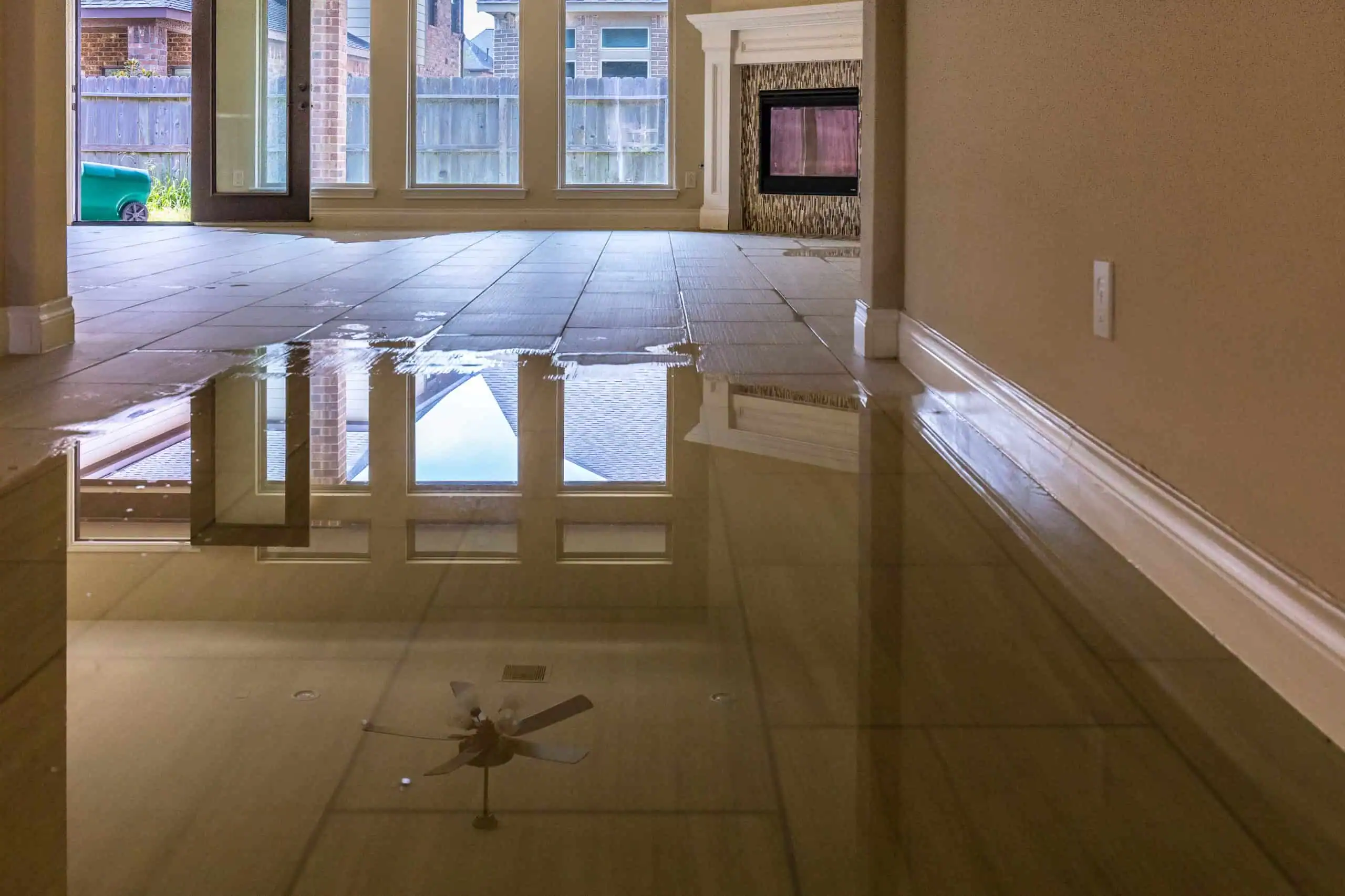
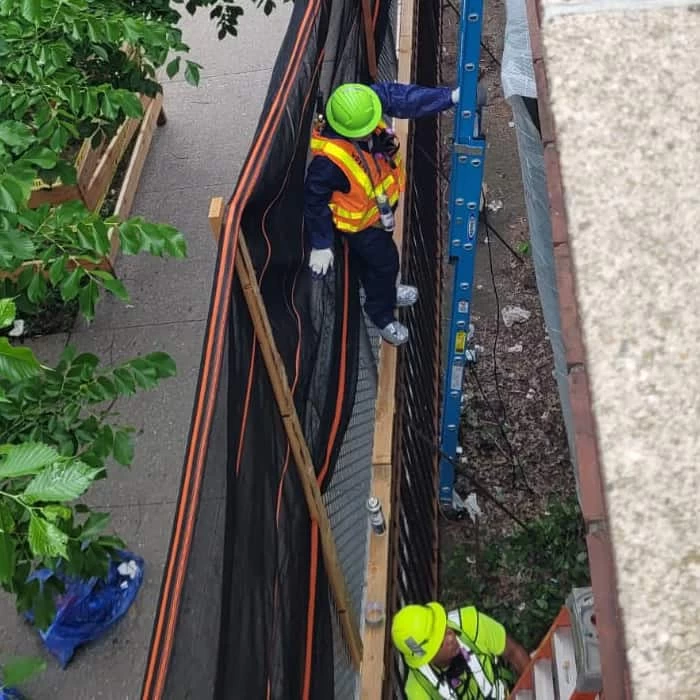
When the Hudson Highlands Flood, Every Hour Counts
West Point knows what real flooding looks like. We respond in 60 minutes with the credentials and equipment to stop the damage before it becomes a disaster inside your walls.
I needed a professional consultation explanation of procedure for safe removal of Asbestos in my apartment complex. Without having an account yet, I was very impressed with the caring, knowledgeable and generous advice offered by Jessica, and will look forward to doing business in the future. Thank you so much! I feel much more informed about a sometimes scary endeavor. Peace. Nancy Silva Mineola, NY.
Mia Munoz
Used this company to clean up some water flood in my house. They were fast and easy to work with.very professional, Would recommend to anyone!
Nini Valle
Great company, had a flood and they responded quickly and efficiently. Billed my insurance company directly. I highly recommend this company!
joe colapietro, jr
I had pipe freeze in my basement right before a snow storm and they made to within an hour to help start the clean up process. They we by our side throughout the entire process and even helped with the insurance company. They did such a great job with the cleanup, repair, remidiation, I contracted them to perform the repairs and finishes in the basement. They came with enough manpower and material to get the job done. Leo and Jessica were nothing but a pleasure to deal with!!
Cristian Arredondo c
I had some water damage in my home and Green Island was able to take care of my issue quickly and effectively. I am very pleased with the work they did. They responded quickly and were very professional.
Michael M
Outstanding service! From the office to the field crew everyone was friendly, helpful and responsive. I highly recommend Green Island Group.
What Your Home Looks Like When the Water Is Actually Gone
There’s a difference between a home that looks dry and a home that is dry. In the Hudson Highlands, where steep terrain funnels rainfall directly into foundations and wall cavities, water hides in places you won’t find without the right equipment. What you can’t see is exactly what causes mold — and in the humid summer conditions that define West Point’s most severe storm season, mold can begin establishing within 24 hours of a flood event.
When the job is done right, you’re not just looking at dry floors. You’re looking at moisture readings that confirm every wall cavity, subfloor, and structural member has been cleared to safe levels. You’re looking at air quality that’s been tested, not assumed. For military families living in on-post neighborhoods like Band, Grey Ghost, or Grant — where interior flooding hit hard during the July 2023 event — that standard of verification isn’t optional. It’s the only acceptable outcome.
For civilian residents in Highland Falls and Fort Montgomery who learned in 2023 that FEMA aid doesn’t reach their front door, the stakes are even higher. There’s no federal recovery program waiting behind our work. What gets restored is what you fight for — and that fight starts with a contractor who actually knows what they’re doing.
12 Years, 5,000 Projects, and the Credentials to Back It Up
We’ve been doing environmental restoration work across New York State for over 12 years. That’s not a brochure number — it’s more than 5,000 completed projects, including work in some of the most flood-prone communities in the Hudson Valley. We hold a credential stack that most restoration operators in this region can’t match: IICRC Water Damage Certification, NYS DOL Mold License, NYS DOL Asbestos License, USEPA Lead/RRP Certification, and NYS/NYC M/WBE Certification. We also work directly with the NYS Office of General Services — which means the state of New York has already vetted us for public work.
In a community like West Point, built around institutional standards and accountability, that matters. The contractor who shows up after a flood needs to be the kind of operator who can handle mold, asbestos, lead, and full reconstruction under one roof — not a crew that handles the water and leaves you to figure out the rest. We’re fully insured, including liability and workers’ compensation, and we back every job with a 100% Satisfaction Guarantee.
From Standing Water to Finished Walls — Here's the Full Picture
The first call triggers a 60-minute on-site response. When our crew arrives, the priority is stopping active water intrusion and beginning extraction. Industrial-grade pumps and vacuums remove standing water fast, because every hour that water sits is an hour mold gets closer to establishing. In a flash flood scenario — the kind West Point experienced in July 2023, when rainfall hit 3.5 inches per hour — the volume and velocity of water entering a structure means extraction alone can take hours.
Once the water is out, the drying process begins. This isn’t fans blowing air around a room. It’s a calculated setup of commercial dehumidifiers and drying equipment, guided by thermal imaging and moisture detection tools that map exactly where water has migrated inside walls, under floors, and into structural cavities. In older housing stock common to the Highland Falls and Fort Montgomery areas — where building materials may include asbestos-containing floor tiles or lead paint — this phase also includes environmental assessment before any demolition or removal begins. New York State law requires licensed contractors for both asbestos abatement and mold remediation, and we hold both licenses.
After drying is confirmed through moisture readings, remediation begins — mold treatment, structural repairs, and full reconstruction if needed. The entire process is managed under one company, one contract, and one point of contact. Insurance is billed directly, with zero upfront costs required from you.
Full-Service Restoration Built for Hudson Highlands Flooding
Flood restoration in West Point isn’t the same job it is in a flat suburban town. The terrain here — steep drainage basins, rocky soil with limited absorption, narrow valleys that channel rainfall directly into structures — produces a specific kind of damage. Water comes in fast, it goes deep, and it doesn’t stay on the surface. That’s why our service covers every phase of the damage cycle, not just the visible part.
The full scope includes emergency water extraction, structural drying with commercial-grade equipment, thermal imaging and moisture mapping, mold inspection and licensed remediation, asbestos testing and abatement where required, lead-safe work practices for pre-1978 structures common throughout Highland Falls, and complete structural reconstruction through to finished walls and floors. Every step is handled in-house, which matters when you’re managing a PCS timeline, a deployment schedule, or simply trying to get your family back into a livable home as fast as possible.
For residents who are uninsured or underinsured — particularly those in the civilian communities adjacent to the installation who saw no federal recovery funding after 2023 — we offer financing up to $200,000 at 0% APR. Insurance claims are handled directly, with no upfront cost required. The work is covered by full liability insurance and workers’ compensation, and every job carries a 100% Satisfaction Guarantee.
How quickly can flood restoration begin after a water emergency in West Point?
We guarantee on-site arrival within 60 minutes of your call. That response time is not a best-case estimate — it’s the standard. In West Point, where the terrain can produce flash flooding that drops several inches of rain per hour, the speed of the response directly affects how much of your home is salvageable. Water that sits for two to three hours penetrates deeper into wall assemblies, saturates insulation, and begins the biological process that leads to mold growth within 24 hours.
The 60-minute guarantee is available 24 hours a day, seven days a week, including during active storm events. When you call, you’re not reaching an answering service or waiting for a callback — you’re getting a crew dispatched immediately. For military families managing the added complexity of on-post housing protocols or a PCS transition, that speed and reliability isn’t a convenience. It’s the difference between a manageable restoration and a months-long rebuild.
Does homeowners insurance cover flood restoration, and how does billing work?
Whether your homeowners insurance covers flood damage depends on your specific policy. Standard homeowners insurance typically covers sudden and accidental water damage — like a burst pipe or an appliance failure — but flood damage caused by external water intrusion, such as the kind of flash flooding West Point experienced in July 2023, usually requires a separate flood insurance policy through the National Flood Insurance Program (NFIP) or a private carrier.
We work directly with insurance companies on your behalf and handle the billing process from start to finish. There are no upfront costs required from you while the claim is being processed. Our team documents damage thoroughly — with photos, moisture readings, and written assessments — in a format that insurance adjusters recognize and accept. For residents who are uninsured or underinsured, we offer financing up to $200,000 at 0% APR so that the restoration process doesn’t stall while you figure out the financial side.
How do I know if there's mold growing after a flood even if I can't see it?
Visible mold is actually a late-stage indicator. By the time you can see it on a wall or ceiling, it’s already been growing inside the structure for days — sometimes weeks. In West Point’s summer climate, where the most severe flooding events tend to occur during the hottest and most humid months, mold can begin establishing in as little as 24 hours after a water event. The conditions inside a wet wall cavity — warmth, moisture, and organic material — are exactly what mold needs to grow fast.
We use thermal imaging cameras and professional-grade moisture meters to detect water that has migrated into wall cavities, subfloors, and structural framing that look completely dry from the surface. If moisture readings are elevated in areas that appear dry, that’s a confirmed risk zone for mold growth. The inspection process maps the full extent of hidden saturation before any remediation plan is finalized, so nothing is missed and nothing is assumed.
Are there special licensing requirements for mold and asbestos work in New York State?
Yes, and this is one of the most important questions you can ask before hiring any restoration contractor in New York. New York State requires a dedicated mold remediation license issued by the NYS Department of Labor for any company performing mold removal work. It also requires a separate NYS DOL Asbestos license for any asbestos abatement, along with advance notification to the Department of Environmental Conservation. These are not optional certifications — operating without them is illegal, and work performed by an unlicensed contractor can expose your family to health risks and create liability issues for your property.
This matters especially in the Highland Falls and Fort Montgomery areas, where the housing stock includes structures built before 1978 — the year lead paint was banned — and before the mid-1980s, when asbestos-containing materials were still common in floor tiles, pipe insulation, and ceiling texture. When floodwater saturates these materials, they become disturbed and potentially hazardous. We hold both the NYS DOL Mold License and the NYS DOL Asbestos License, along with USEPA Lead/RRP Certification. That’s the complete set of credentials required to handle every environmental hazard a flood can expose in this area.
What does the July 2023 West Point flood tell us about future flood risk here?
The July 9, 2023 flood — which dropped more than 7.5 inches of rain in six hours and was classified as a 1-in-1,000-year event — was the most severe flooding West Point had seen since Hurricane Floyd in 1999. That’s two catastrophic flood events in 24 years. The “1-in-1,000-year” designation refers to statistical probability, not a guarantee that the next comparable event is a millennium away. Climate researchers have consistently noted that extreme precipitation events in the Hudson Valley are increasing in both frequency and intensity.
The physical geography of West Point amplifies this risk. The Hudson Highlands create steep, narrow drainage basins where rainfall concentrates rapidly and moves downhill with tremendous force. Unlike flat suburban areas where water disperses across lawns and streets, West Point’s terrain channels water directly into structures, foundations, and roads — which is why Thayer Road and Route 218 became rivers during the 2023 event. For homeowners in the area, the practical takeaway is that flood preparedness is not a one-time response to a past event. It’s an ongoing reality of living in this specific geography, and having a trusted restoration contractor identified before the next storm is a reasonable and worthwhile step.
Does Green Island Group offer financing options for West Point residents who need flood restoration?
Yes. We offer financing up to $200,000 at 0% APR for qualifying customers. This program exists because flood damage doesn’t wait for financial readiness, and the gap between what insurance covers and what restoration actually costs can be significant — especially for residents dealing with a major event like the kind West Point saw in 2023.
This is particularly relevant for civilian residents in Highland Falls and Fort Montgomery who were not covered by the federal recovery funding directed at the military installation after the 2023 flood. The U.S. Army Corps of Engineers’ $188 million reconstruction project was scoped for the USMA campus — not for private homes in the adjacent community. Residents in those neighborhoods who experienced interior flooding were left to navigate private insurance and out-of-pocket costs on their own. Our financing option gives those homeowners a real path to full restoration without having to choose between doing the job right and staying financially solvent. There are no upfront costs required, insurance is billed directly, and the financing terms are straightforward.