When Your Addisleigh Park Tudor Revival Floods, You Need More Than a Wet-Vac
When your basement floods in a 100-year-old Tudor Revival home in Addisleigh Park, the damage goes deeper than the water. We respond within the hour licensed for everything your historic home might be hiding.
I needed a professional consultation explanation of procedure for safe removal of Asbestos in my apartment complex. Without having an account yet, I was very impressed with the caring, knowledgeable and generous advice offered by Jessica, and will look forward to doing business in the future. Thank you so much! I feel much more informed about a sometimes scary endeavor. Peace. Nancy Silva Mineola, NY.
Mia Munoz
Used this company to clean up some water flood in my house. They were fast and easy to work with.very professional, Would recommend to anyone!
Nini Valle
Great company, had a flood and they responded quickly and efficiently. Billed my insurance company directly. I highly recommend this company!
joe colapietro, jr
I had pipe freeze in my basement right before a snow storm and they made to within an hour to help start the clean up process. They we by our side throughout the entire process and even helped with the insurance company. They did such a great job with the cleanup, repair, remidiation, I contracted them to perform the repairs and finishes in the basement. They came with enough manpower and material to get the job done. Leo and Jessica were nothing but a pleasure to deal with!!
Cristian Arredondo c
I had some water damage in my home and Green Island was able to take care of my issue quickly and effectively. I am very pleased with the work they did. They responded quickly and were very professional.
Michael M
Outstanding service! From the office to the field crew everyone was friendly, helpful and responsive. I highly recommend Green Island Group.
What Happens When the Right Team Shows Up Fast in Addisleigh Park
The water is the first problem. What it leaves behind is the second and in Addisleigh Park, that second problem is often more serious than homeowners expect. Original plaster walls absorb water differently than modern drywall. Hardwood floors that have been in a family home for 70 years can cup and buckle within hours. Mold can start growing in 24 to 48 hours, and once it gets behind plaster or into original wood framing, you’re no longer dealing with a cleanup you’re dealing with a restoration project that costs significantly more.
What you get when extraction and drying start quickly is options. Your floors have a real chance of being saved. Your walls stay intact. The historic character of your Addisleigh Park home the millwork, the plaster, the original materials that make these neighborhoods what they are doesn’t have to be replaced with something generic. That matters here in a way it doesn’t in neighborhoods of newer construction.
There’s also the issue of what’s already in your walls. Homes built in the 1910s and 1920s throughout Addisleigh Park routinely contain asbestos pipe insulation and lead-based paint. A flood that disturbs those materials creates a health risk beyond the water itself. Most water damage companies aren’t licensed to handle that. We are and that distinction is the difference between a cleanup that’s done right and one that creates a liability you don’t find out about until months later.
Over 5,000 Jobs and the Licenses That Actually Matter in Addisleigh Park
We’ve been handling water emergencies across Queens and Long Island since 2012, including the neighborhoods of Southeast Queens where Addisleigh Park sits. More than 5,000 restoration projects. Our team holds over 17 active certifications including the NYS DOL Mold License, NYS DOL Asbestos License, USEPA Lead certification, IICRC Water Damage certification, and a General Contractor license for New York City. That’s not a list built to impress. It’s a list built around what the work actually requires, especially in Addisleigh Park where the homes are old, the materials are original, and the flooding problems run deeper than a single storm.
Southeast Queens has a documented groundwater crisis. The Addisleigh Park Civic Organization has been fighting it for years. We know this neighborhood isn’t dealing with a fluke it’s dealing with a systemic problem that keeps coming back. We show up knowing that, and we work accordingly.
The first call triggers a response. We run 24 hours a day, seven days a week, and the goal is to be on-site within the hour. When we arrive, we’re not just looking at the water on the floor we’re assessing where it came from, what category it falls into, and what materials are at risk. That distinction matters. Clean water from a burst pipe is handled differently than sewage backup from an overwhelmed sewer line, which happens regularly in Southeast Queens when the combined sewer system gets hit with more rain than it was built to handle.
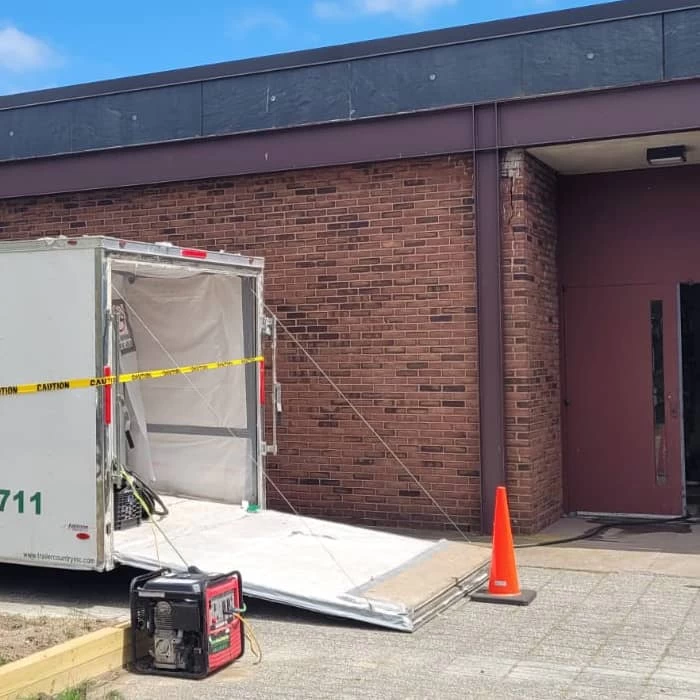
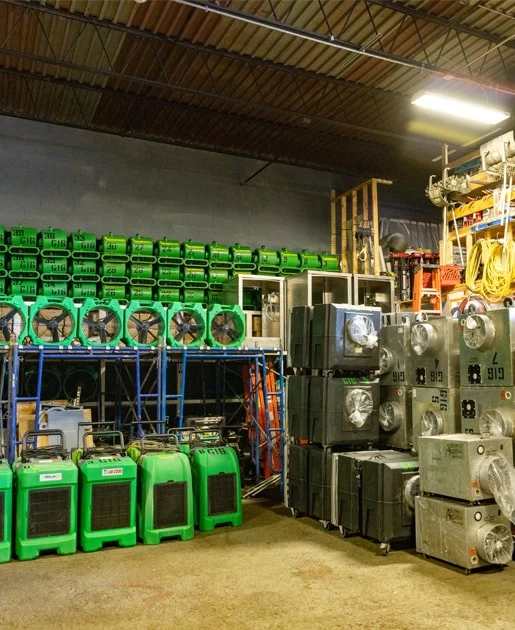
Once the source is identified and contained, industrial extraction equipment pulls the standing water out fast. Then the drying phase begins commercial-grade dehumidifiers, air movers, and thermal imaging equipment that checks inside walls and under flooring for hidden moisture pockets. In a home with original plaster walls, surface-level drying isn’t enough. Moisture hides, and if it’s not found, it becomes mold.
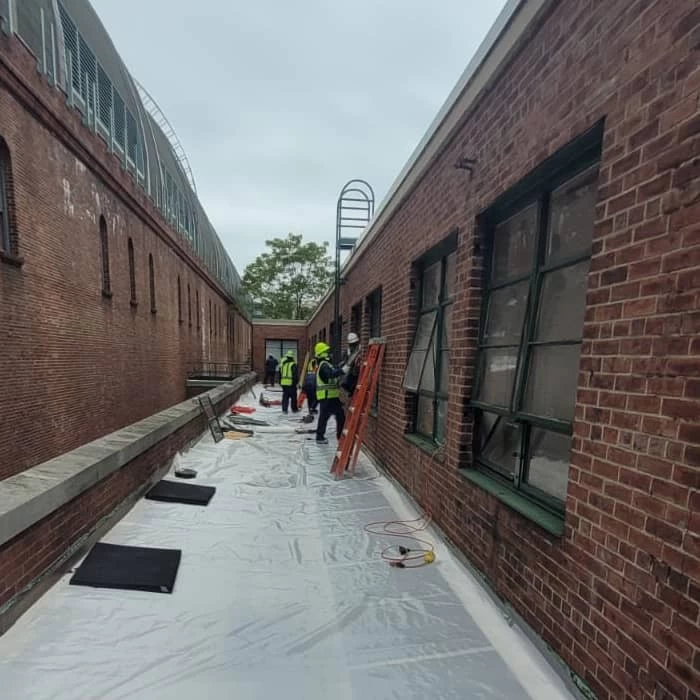
From there, we handle whatever the job requires mold remediation if it’s already present, hazardous materials abatement if asbestos or lead has been disturbed, and full reconstruction if structural materials need to be replaced. Because we hold a NYC General Contractor license, everything from extraction through finished restoration is handled by our team. No handoffs. No gaps in accountability. And all of it documented for your insurance claim, which matters especially in New York City where coverage for sewer backup requires a separate rider that many homeowners didn’t know they needed until after the flood.
Basement Flooding Remediation Services, Addisleigh Park
Every License the Job Needs, Under One Roof
Flooded basement cleanup in Addisleigh Park isn’t a single-category job. The homes here are part of a designated NYC Landmarks Preservation Commission Historic District, which means the materials inside them original hardwood floors, plaster walls, stone and stucco exteriors, custom millwork require a different level of care than standard residential construction. At the same time, many of these homes still have lead water service lines and asbestos pipe insulation from the original build. When water hits those materials, the job becomes a hazardous materials operation, not just a drying job.
We’re licensed for all of it. The NYS DOL Mold License covers mold assessment and remediation which is legally required in New York State and cannot be performed by an unlicensed contractor. The NYS DOL Asbestos License and USEPA Lead certification cover what gets uncovered in older homes when water intrudes. The IICRC Water Damage certification governs the extraction and structural drying process. And the NYC General Contractor license means our team can complete full reconstruction when walls, flooring, or structural elements need to be replaced without bringing in a second contractor.
Our service covers emergency water extraction, structural drying with thermal imaging verification, mold remediation, hazardous materials abatement where needed, and complete reconstruction. Insurance documentation photos, moisture readings, written reports is handled directly, and we bill insurers on your behalf. In a neighborhood where the flooding problems are chronic and the homes are irreplaceable, having one team that can manage the entire scope isn’t just convenient. It’s the only way to make sure nothing gets missed.
Why does my Addisleigh Park basement keep flooding even without heavy rain?
This is one of the most common questions from homeowners in Addisleigh Park and the surrounding Southeast Queens neighborhoods, and the answer is specific to this area. The groundwater table beneath Addisleigh Park has risen approximately 40 feet since the 1970s. That rise is directly tied to the cessation of groundwater pumping operations the Jamaica Water Supply Company stopped operations in 1996, and the city halted all groundwater pumping in 2007. With nothing pulling that water down, it has been rising steadily ever since, pressing against foundations and seeping into basements regardless of weather conditions.
This means the flooding you’re experiencing in Addisleigh Park may not be storm-related at all. It can happen on a dry week in March just as easily as during a summer thunderstorm. The Addisleigh Park Civic Organization has been vocal about this issue for years, and the city has committed to a multi-billion dollar infrastructure program across Southeast Queens but that work will take years. In the meantime, the water is still coming in. A professional assessment can identify whether your basement flooding is groundwater-driven, drainage-related, or tied to your home’s aging foundation, and recommend the right long-term solution alongside the immediate cleanup.
Does homeowners insurance cover basement flooding from a sewage backup in NYC?
Standard homeowners insurance in New York City typically does not cover sewage backup damage unless you have a separate sewer backup rider added to your policy. That rider usually costs between $40 and $100 per year and provides somewhere between $5,000 and $25,000 in coverage depending on the policy. External flooding from storms requires a separate NFIP flood insurance policy entirely. Many homeowners in Addisleigh Park find out about these gaps only after they’ve filed a claim and been denied.
If you’re not sure what your policy covers, the best time to find out is before you need it but if you’re already dealing with a flooded basement, don’t wait on the insurance question to start the cleanup. Mold begins growing within 24 to 48 hours, and the longer water sits, the more expensive the total restoration becomes. We document the damage with photos and moisture readings from the moment we arrive, create the detailed reports that adjusters require, and communicate directly with your insurer on your behalf. You focus on your home. The paperwork gets handled.
Is it safe to go into my flooded basement before a cleanup crew arrives?
It depends on what caused the flooding, and in Addisleigh Park, that question carries more weight than it might in a newer neighborhood. If the water came from a sewage backup which is a documented, recurring risk in Southeast Queens when the combined sewer system gets overwhelmed during heavy rain the water is classified as black water and contains bacteria, pathogens, and chemical contaminants that make it genuinely hazardous. Direct contact should be avoided, and the space should not be entered without protective gear.
Even if the water source appears to be clean a burst pipe, for example the homes in Addisleigh Park were built in the 1910s and 1920s, and many contain asbestos pipe insulation and lead-based paint. Floodwater that has been sitting and moving through a basement can disturb those materials, creating an airborne exposure risk that isn’t visible to the eye. If you’re unsure of the water source or your home is more than 50 years old, wait for the crew. Turn off electricity to the basement at the breaker if you can do so safely from outside the flooded area, and call for emergency response immediately.
How long does flooded basement cleanup and drying actually take?
A straightforward water extraction and structural drying job typically takes three to five days from start to finish. That timeline assumes the water source has been stopped, the contamination category is clean or gray water, and there’s no mold already present. In practice, many jobs in Addisleigh Park run longer because of factors specific to this neighborhood’s housing stock.
Original plaster walls retain moisture significantly longer than modern drywall. Hardwood floors require specialized drying mats and careful monitoring to avoid warping the wood further during the drying process. If thermal imaging reveals moisture pockets inside walls or under flooring which is common in homes with thick plaster construction those areas need additional time and targeted equipment. If mold is already present, remediation adds time before reconstruction can begin. And if the flooding involved sewage backup or if hazardous materials were disturbed, those phases require their own protocols before the space is safe to work in. A realistic estimate for a complete restoration in a home with original historic materials, from water extraction through finished reconstruction, can range from one to several weeks depending on scope.
What's the real cost of waiting 24 hours before calling for basement flood cleanup?
Every hour water sits in a basement is an hour of additional damage. The 24-hour mark isn’t arbitrary it’s the window within which mold can begin to establish itself in porous materials like wood framing, plaster, and insulation. By 48 hours, growth is likely. By 72 hours, you’ve moved from a drying job into a mold remediation job, and that adds between $2,000 and $8,000 or more to the total cost depending on how far it’s spread.
In an Addisleigh Park home with original plaster walls and hardwood floors, the cost of waiting is even higher because the materials at risk are irreplaceable in the traditional sense. Matching original plaster in a landmarked historic home requires specific materials and methods that cost significantly more than standard drywall replacement. A hardwood floor that dries within hours of extraction can often be saved; one that sits for two days typically cannot. The average water damage insurance claim nationally runs close to $14,000 but a contaminated basement flood in an unfinished space can reach $60,000 or more in total repairs. Calling within the first hour is the single most impactful thing you can do to control that number.
Does Green Island Group handle mold found during basement cleanup in Addisleigh Park?
Yes and in New York State, this matters legally. Mold assessment and remediation must be performed by a contractor holding an active NYS DOL Mold License. It’s not a recommendation. It’s a legal requirement, and using an unlicensed contractor for mold work can void your insurance claim and expose you to liability. We hold this license and handle mold remediation as part of the same restoration scope not as a separate referral to a third party.
In Addisleigh Park specifically, the combination of a rising water table, Queens’ humid climate, and original building materials creates conditions where mold can spread quickly and hide in places that a visual inspection won’t catch. We use thermal imaging equipment to identify moisture inside walls and under flooring before it becomes a mold problem and if mold is already present, the remediation follows documented IICRC protocols designed to ensure it’s fully addressed, not just surface-treated. Homes in this neighborhood have been in families for generations. The goal isn’t just to clear the visible damage it’s to make sure the home is genuinely safe and structurally sound before the job is called complete.