When "Lake Bay Terrace" Hits Home, You Need More Than a Mop
Bay Terrace floods. The sewers back up, the Clearview fills like a canal, and basements take the hit. When that happens, you need flooded basement cleanup that actually goes all the way not a crew that dries the floor and disappears.
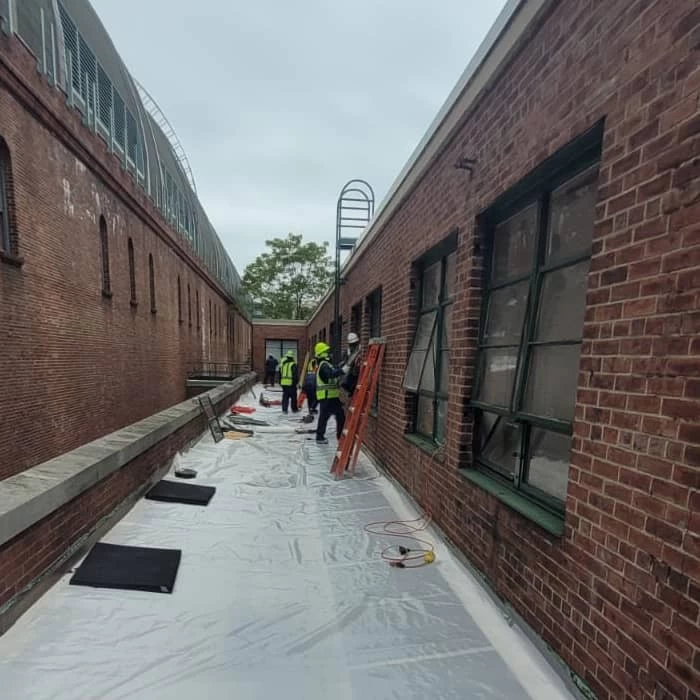
We respond 24/7 to flooding emergencies throughout Bay Terrace and northeastern Queens. When we arrive, we don’t just extract water and leave you guessing whether the job is actually done. We use thermal imaging to find moisture hiding in wall cavities and behind pipe chases. We test for mold. We document everything for your insurance claim. And we stay through the full restoration extraction, drying, remediation, and reconstruction so you’re not left coordinating with three different contractors.
I needed a professional consultation explanation of procedure for safe removal of Asbestos in my apartment complex. Without having an account yet, I was very impressed with the caring, knowledgeable and generous advice offered by Jessica, and will look forward to doing business in the future. Thank you so much! I feel much more informed about a sometimes scary endeavor. Peace. Nancy Silva Mineola, NY.
Mia Munoz
Used this company to clean up some water flood in my house. They were fast and easy to work with.very professional, Would recommend to anyone!
Nini Valle
Great company, had a flood and they responded quickly and efficiently. Billed my insurance company directly. I highly recommend this company!
joe colapietro, jr
I had pipe freeze in my basement right before a snow storm and they made to within an hour to help start the clean up process. They we by our side throughout the entire process and even helped with the insurance company. They did such a great job with the cleanup, repair, remidiation, I contracted them to perform the repairs and finishes in the basement. They came with enough manpower and material to get the job done. Leo and Jessica were nothing but a pleasure to deal with!!
Cristian Arredondo c
I had some water damage in my home and Green Island was able to take care of my issue quickly and effectively. I am very pleased with the work they did. They responded quickly and were very professional.
Michael M
Outstanding service! From the office to the field crew everyone was friendly, helpful and responsive. I highly recommend Green Island Group.
There’s a difference between a basement that looks dry and a basement that is dry. In Bay Terrace’s postwar co-op buildings most of them built in the 1950s and 60s water doesn’t just sit on the floor. It gets into wall cavities, behind aging pipe chases, under original flooring, and into HVAC systems that were installed before your parents were born. If those spaces aren’t dried properly, mold starts within 72 hours. And in a building this old, it spreads fast.
The other thing Bay Terrace residents deal with that most people don’t is what’s actually in the water. When the sewers back up near the shopping center and the Cross Island Parkway overpass the same flooding pattern that’s earned this area the nickname “Lake Bay Terrace” what comes through your basement drain isn’t clean water. It’s black water. That’s a different category of cleanup entirely, and it requires licensed remediation, not just a wet vac and some fans.
When we finish the job right, you get a basement that’s structurally dry, tested for hidden moisture, cleared of contamination, and documented for your insurance claim. You also get the peace of mind that comes from knowing a licensed team handled it not someone who showed up with a dehumidifier and a business card printed yesterday.
The Credentials Your Bay Terrace Co-op Board Will Actually Accept
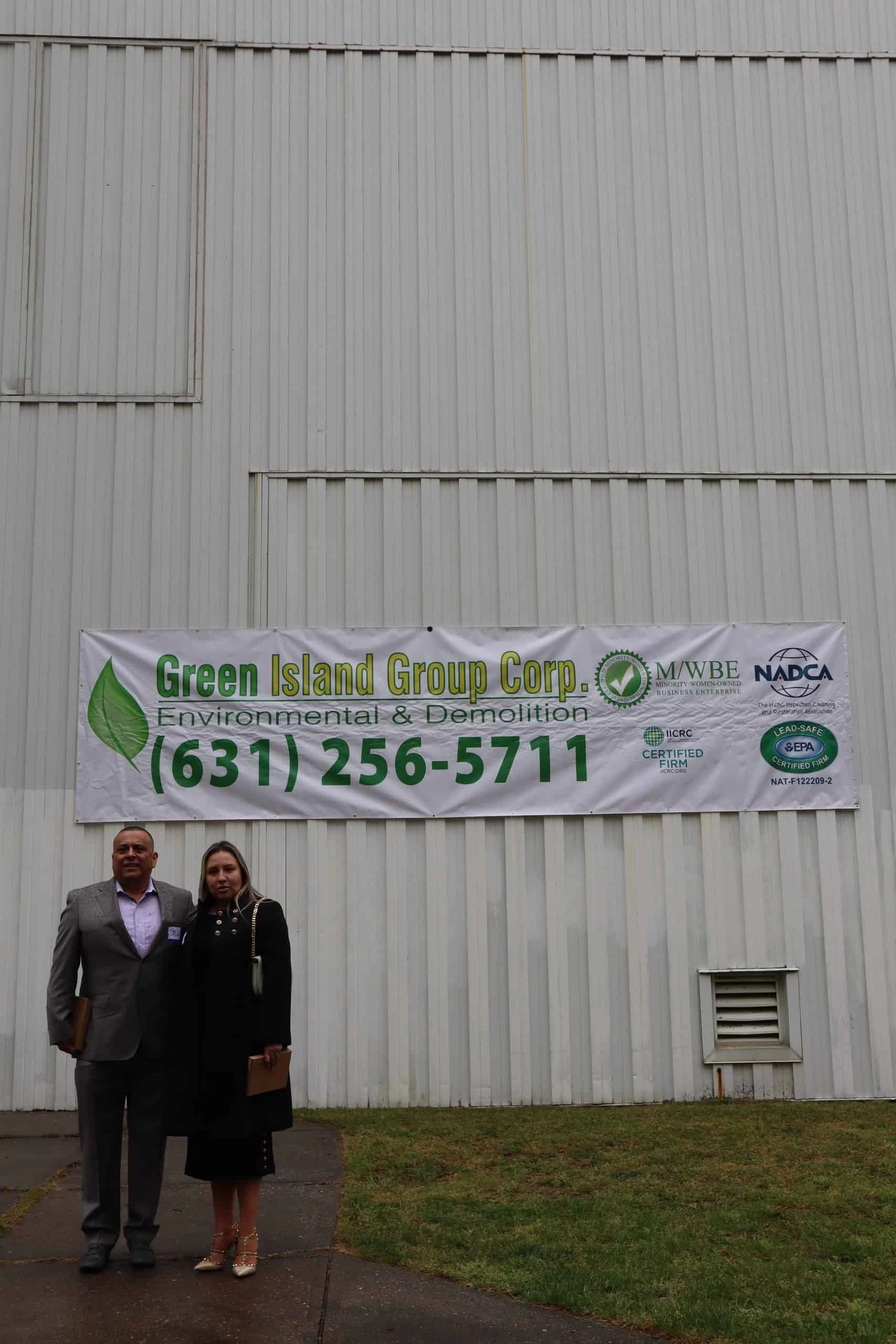
We hold a NYC General Contractor license, a NYS DOL Mold License which New York State legally requires for any mold remediation work plus NYS DOL Asbestos, USEPA Lead, USEPA RRP, IICRC Water Damage certification, and NYC BIC registration, among others. That’s not a list for show. In Bay Terrace, where co-op boards routinely require proof of licensing before a vendor sets foot in a building, that list is the difference between getting the job done and getting turned away at the door.
We’ve responded to emergencies throughout northeastern Queens, including pipe freeze flooding events in Bay Terrace during winter storms, arriving within the hour and staying through the full process extraction, drying, mold remediation, and reconstruction. From the co-op sections along Bell Boulevard to the gated developments near Fort Totten, we already know this neighborhood and are licensed to work in it. We understand the specific challenges of Bay Terrace’s aging building stock and the approval processes co-op boards require before any remediation work begins.
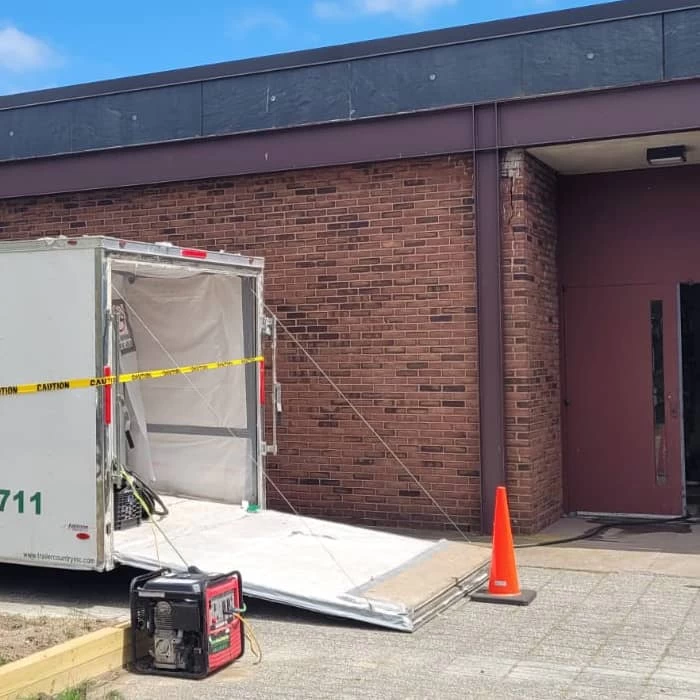
The first call triggers an emergency response. We operate 24/7, and our documented response times in the Bay Terrace area run under an hour. When our crew arrives, the first priority is safety assessing whether the water source is clean, gray, or black, because that determines how the entire job is handled. Sewage backup flooding, which is common in Bay Terrace when storms overwhelm the neighborhood’s sewer infrastructure, requires a different protocol than a burst pipe. That determination happens before anything else.
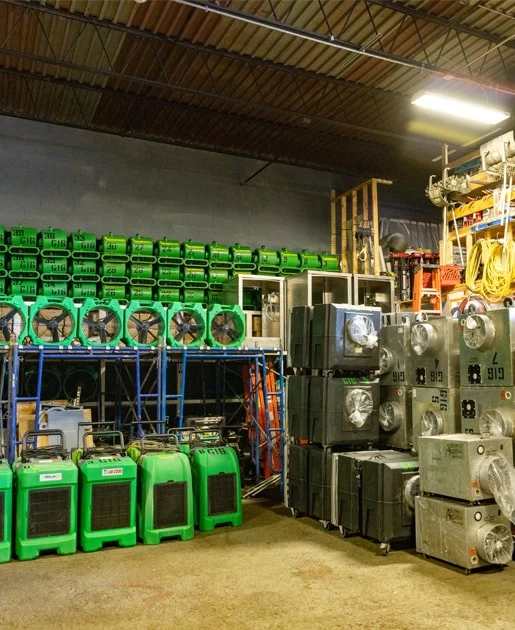
From there, water extraction begins using industrial-grade equipment not consumer dehumidifiers. Once the standing water is out, the real diagnostic work starts. Thermal imaging cameras scan the walls, subfloor, and ceiling for hidden moisture pockets that a visual inspection would miss entirely. In Bay Terrace’s older co-op buildings, those hidden pockets are almost always there. The drying phase uses commercial air movers and dehumidifiers calibrated to the specific moisture readings, not just left running until someone decides it looks okay.
If mold is present or if conditions are right for it to develop we handle licensed mold remediation under our NYS DOL Mold License. And because we hold a NYC General Contractor license, we carry the project through to full reconstruction: new drywall, flooring, mechanicals, finished condition. One engagement, start to finish. No handing you off to a separate contractor to figure out the rebuild.
Flooded Basement Cleaning Services, Bay Terrace NY
Built for Bay Terrace's Specific Flooding Reality
Most water damage companies handle clean water pipe bursts in newer construction. That’s not the full picture in Bay Terrace. The co-op sections here Sections 1 through 12, the Towers at Waters Edge, Bay Club, Baybridge are 60 to 70 years old. Original cast iron drain lines, galvanized supply pipes, aging HVAC systems, and pre-1978 building materials mean that a flooding event here can involve lead paint, asbestos-containing materials, and mold conditions simultaneously. We hold the NYS DOL Asbestos license, USEPA Lead certification, and USEPA RRP making us one of the only cleanup companies in this market legally licensed to handle all of it under one roof.
Our service covers emergency water extraction, thermal imaging moisture detection, structural drying, black water and sewage decontamination, licensed mold remediation, content assessment, and full reconstruction through finished condition. We handle insurance documentation and direct billing we work directly with your adjuster so you’re not stuck in the middle of a claims process while your basement is still wet.
For Bay Terrace’s co-op and condo residents specifically, we’re experienced in coordinating with building management and co-op boards, providing the licensing documentation and scope-of-work records that buildings require before authorizing remediation work inside shared infrastructure or common areas.
Is the water in my flooded Bay Terrace basement safe to walk through?
It depends entirely on the source, and in Bay Terrace, that question matters more than in most neighborhoods. When the sewers back up during a heavy storm which happens regularly near the Bay Terrace Shopping Center and the Cross Island Parkway overpass the water entering your basement through floor drains is classified as black water. That means it contains sewage, bacteria, and pathogens that make direct contact genuinely hazardous. Walking through it without protective gear, or letting children or pets into the space, creates a real health risk.
Even if the source appears to be a burst pipe or clean water intrusion, you can’t always tell what the water has picked up after sitting on an older basement floor. In a building from the 1950s or 60s, the floor itself may have contaminants that mix into standing water quickly. The safest approach is to stay out of the space until a professional assesses the water category. That assessment is the first thing we do on arrival before any equipment goes in.
How fast does mold actually grow after a basement flood in Bay Terrace?
Mold can begin colonizing within 24 to 48 hours of water intrusion, and in Bay Terrace’s older co-op buildings, the conditions accelerate that timeline. Limited basement ventilation, aging HVAC systems, and building materials from the 1950s and 60s that weren’t designed with moisture resistance in mind all create an environment where mold establishes quickly often in wall cavities and behind pipe chases where you can’t see it forming.
The 72-hour mark is the critical threshold. After that point, mold remediation becomes significantly more invasive and expensive industry data puts the added cost between $2,000 and $8,000 depending on how far it has spread. Starting the drying and remediation process within the first day is the single most effective way to keep the total scope of the job manageable. Waiting until the weekend, or until you’ve called three companies for quotes, almost always costs more in the end.
Does homeowners or co-op insurance cover flooded basement cleanup in Bay Terrace?
It depends on the cause of the flooding, and the distinction matters significantly. Most standard homeowners and co-op insurance policies cover sudden and accidental water damage a burst pipe, an appliance failure, or a roof leak that reaches the basement. What they typically don’t cover is flooding from an external source, like storm surge or surface water entering through foundation walls. For that, you’d need a separate flood insurance policy, either through FEMA’s National Flood Insurance Program or a private carrier.
The sewer backup question is its own category. If your basement flooded because the neighborhood sewer system backed up during a storm which is a documented, recurring problem in Bay Terrace coverage depends on whether your policy includes a sewer backup rider. Many co-op policies don’t include it by default. It’s worth pulling out your policy and checking before you assume you’re covered. We handle direct insurance billing and adjuster coordination, so if you’re not sure what your policy covers, we can help you work through the documentation process and communicate directly with your carrier.
What does flooded basement cleanup actually cost in Bay Terrace, NY?
The range is wide because the scope varies significantly. A straightforward clean water extraction and drying job in a newer, smaller space might run $1,500 to $4,000. A sewage backup event in one of Bay Terrace’s older co-op basements where the water is black water, the building materials are from the 1960s, and mold has had time to establish can reach $10,000 to $20,000 or more once remediation and reconstruction are factored in. The national average for a water damage insurance claim is around $13,954, which gives you a realistic mid-range benchmark.
What drives cost up most is delay and hidden damage. In Bay Terrace’s postwar building stock, water gets into places that aren’t visible behind original plaster walls, under old tile floors, inside aging pipe chases. If those areas aren’t identified and dried properly the first time, you’re paying for a second remediation job down the road, plus the mold remediation that comes with it. Getting the scope right on the first visit, using thermal imaging to find hidden moisture, is what keeps the total cost from compounding.
My building's co-op board needs to approve any contractor what do I tell them?
This is one of the most common friction points for Bay Terrace residents dealing with a flooding emergency. Co-op boards in this neighborhood regularly require contractors to provide proof of insurance, licensing, and sometimes NYC-specific credentials before authorizing work inside a building especially for anything involving shared infrastructure, common basements, or mechanical rooms.
We hold a NYC General Contractor license, a NYS DOL Mold License, NYC BIC registration, and NYC MWBE certification all of which are verifiable through city and state agencies. These aren’t self-reported credentials; they’re issued and maintained by regulatory bodies. When you call, we can provide documentation immediately so your building management or board has what they need to authorize the work without delay. In a flooding situation where every hour matters, not having to chase down a contractor’s credentials or wait for a second vendor who actually holds the right licenses is a meaningful advantage.
Can a flooded basement in an older Bay Terrace co-op contain asbestos or lead?
Yes, and it’s more common than most people realize. Bay Terrace’s cooperative sections were built primarily between the early 1950s and the mid-1960s well before asbestos and lead paint were regulated out of residential construction. Floor tiles, pipe insulation, ceiling materials, and wall finishes from that era frequently contain asbestos. Any painted surface in a pre-1978 building is a potential lead source. When a basement floods and those materials are disturbed by water, by extraction equipment, or by a crew that doesn’t know what they’re working around they become an active exposure hazard.
Most water damage companies are not licensed to handle this. They’re legally prohibited from disturbing asbestos-containing materials without the proper credentials. We hold NYS DOL Asbestos licensure and USEPA Lead and RRP certifications, which means our team is trained, equipped, and legally authorized to identify and manage these materials as part of the remediation process not discover them mid-job and stop work while you scramble to find someone else. In a building as old as most of Bay Terrace’s co-op stock, having that capability in the same crew that handles the water damage is not a bonus it’s a necessity.