Belle Harbor sits between the Atlantic and Jamaica Bay and your basement pays the price. We respond 24/7 with licensed crews ready to handle flooded basement cleanup from the first call to the finished space.
I needed a professional consultation explanation of procedure for safe removal of Asbestos in my apartment complex. Without having an account yet, I was very impressed with the caring, knowledgeable and generous advice offered by Jessica, and will look forward to doing business in the future. Thank you so much! I feel much more informed about a sometimes scary endeavor. Peace. Nancy Silva Mineola, NY.
Mia Munoz
Used this company to clean up some water flood in my house. They were fast and easy to work with.very professional, Would recommend to anyone!
Nini Valle
Great company, had a flood and they responded quickly and efficiently. Billed my insurance company directly. I highly recommend this company!
joe colapietro, jr
I had pipe freeze in my basement right before a snow storm and they made to within an hour to help start the clean up process. They we by our side throughout the entire process and even helped with the insurance company. They did such a great job with the cleanup, repair, remidiation, I contracted them to perform the repairs and finishes in the basement. They came with enough manpower and material to get the job done. Leo and Jessica were nothing but a pleasure to deal with!!
Cristian Arredondo c
I had some water damage in my home and Green Island was able to take care of my issue quickly and effectively. I am very pleased with the work they did. They responded quickly and were very professional.
Michael M
Outstanding service! From the office to the field crew everyone was friendly, helpful and responsive. I highly recommend Green Island Group.
Water in your Belle Harbor basement isn’t just an inconvenience it’s a recurring reality. You’re on a narrow strip of land with the Atlantic to the south and Jamaica Bay to the north. When a nor’easter pushes through or a storm surge rolls in, water finds its way in from both directions. That geography doesn’t change. What changes is how fast and how well you respond to it.
The homes throughout Belle Harbor were largely built before 1940. Original masonry foundations, older drainage systems, basement slabs that were never designed to hold back hydrostatic pressure from saturated coastal soil these aren’t just age quirks, they’re active vulnerabilities every time a storm hits. A proper basement water cleanup here isn’t just about running a wet vac and setting up fans. It’s about understanding what’s behind those walls and beneath that slab, and making sure it’s actually dry not just surface dry.
What you get on the other side of this is a basement that’s been properly extracted, dried, tested, and cleared. No hidden moisture pockets quietly feeding mold inside your wall cavities. No second round of damage six weeks later because the job was done halfway. If mold is already present, it gets handled by a licensed crew under New York State law not ignored or painted over. That’s the difference between a cleanup and a real restoration.
Licensed Basement Flooding Remediation in Belle Harbor
17 Certifications, One Call, Zero Handoffs
We’re a full-service environmental remediation and restoration company serving Belle Harbor and the Rockaway Peninsula. We hold over 17 active licenses and certifications including the NYS DOL Mold License that New York State legally requires for any professional performing mold remediation, the NYS DOL Asbestos License, IICRC Water Damage Certification, and General Contractor licenses for New York City, Nassau County, and Suffolk County. These aren’t marketing badges. Each one represents a legal authorization to do work that unlicensed operators simply cannot touch.
For Belle Harbor homeowners specifically, that credential stack matters more than it would almost anywhere else in Queens. A significant portion of homes here were built before 1940 which means there’s a real probability of asbestos-containing materials in the basement. A flood that disturbs pipe insulation or floor tiles in a pre-war home isn’t just a water problem. It becomes a hazardous materials situation, and most restoration companies in this market aren’t licensed to handle it. We are.
We operate 24 hours a day, 7 days a week, and we handle insurance billing directly including NFIP flood insurance claims, which are standard for homes in Belle Harbor’s FEMA Special Flood Hazard Areas. One call covers the entire recovery.
Flooded Basement Cleaning Process Belle Harbor, NY
What Actually Happens From the First Call to the Final Walkthrough
The first thing that happens when you call is a real conversation not a form submission that goes into a queue. We dispatch a crew to your Belle Harbor address, and because we’re familiar with Rockaway Peninsula access routes, we’re not sitting at the Cross Bay Veterans Memorial Bridge trying to figure out how to get to you. We know the peninsula. We’ve worked here before.
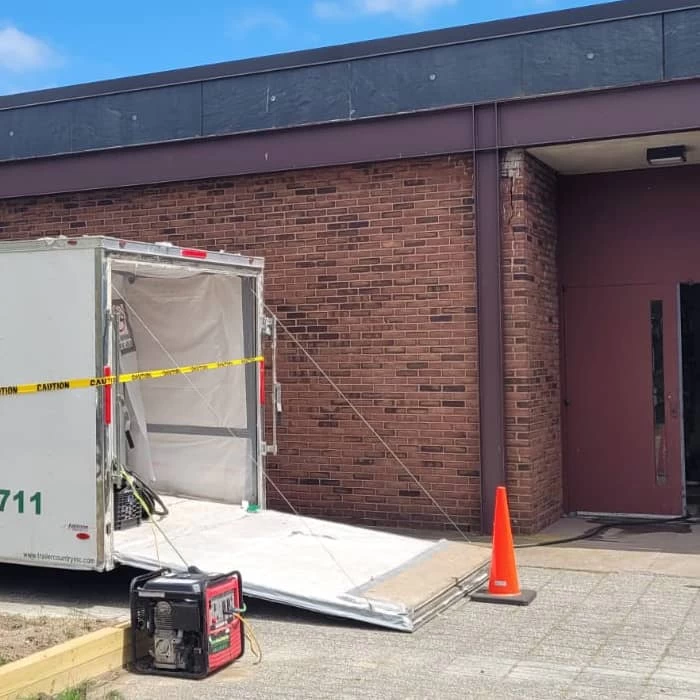
When the crew arrives, the first priority is assessing the water source and contamination level. Clean water from a burst pipe is handled differently than bay water that backed up through your drain during a storm surge. Storm surge is category three black water and it changes the entire scope of the cleanup, the protective equipment required, and the disposal process. That assessment happens before anything else, because getting it wrong costs you significantly more down the line.
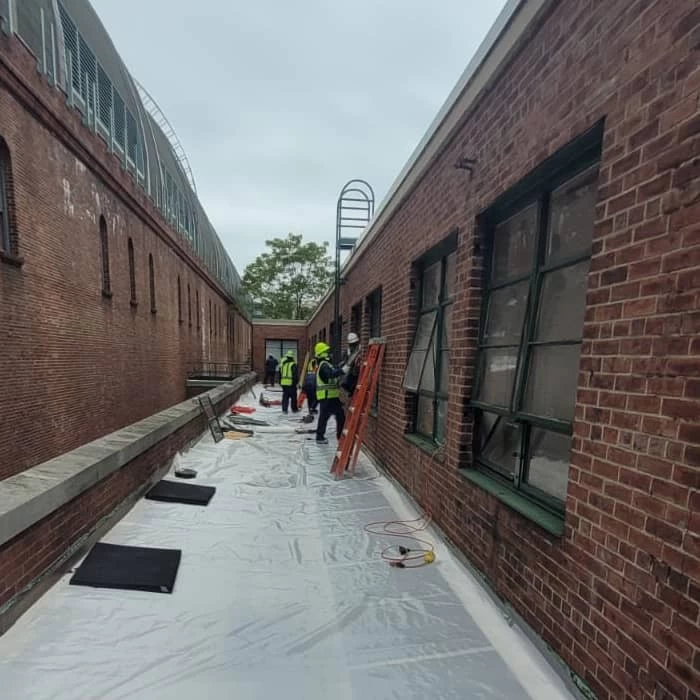
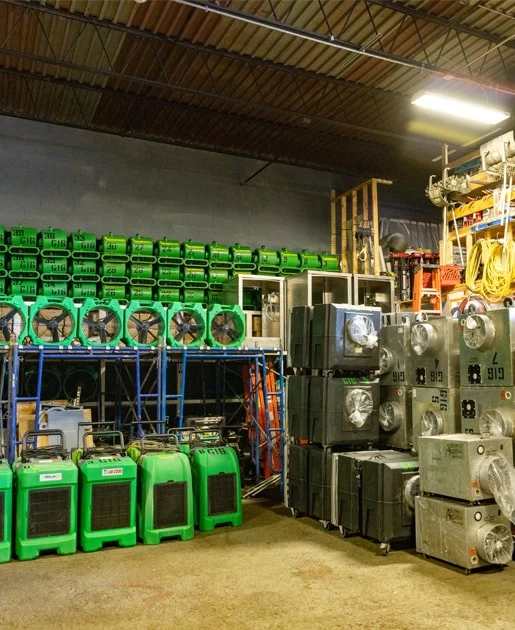
From there, the process moves through water extraction, structural drying with industrial-grade equipment, and thermal imaging to locate moisture that isn’t visible to the eye. In Belle Harbor’s older homes, moisture hides in original plaster walls, behind wood paneling, and beneath historic hardwood floors. The thermal scan finds it before it becomes a mold colony. If asbestos-containing materials were disturbed by the flood common in pre-war homes throughout this neighborhood that gets assessed and handled under our NYS DOL Asbestos License before any reconstruction begins. Then the space is dried, tested, and cleared. If you’re rebuilding, we hold the NYC General Contractor license to do that work legally. No second company. No coordination gap.
Basement Flooding Remediation Services Belle Harbor, NY
Built for the Specific Conditions That Come With Living Here
Our flooded basement cleanup service in Belle Harbor covers the full scope not just the visible water. Emergency water extraction, structural drying, moisture mapping with thermal imaging, mold testing and remediation, sewage and contaminated water removal, asbestos and lead assessment in older homes, HVAC cleaning if the system was compromised, and complete basement reconstruction if the damage warrants it. Every phase is handled in-house by our licensed crews.
The NFIP and homeowners insurance dynamic in Belle Harbor is more complicated than in most Queens neighborhoods. Because the area falls within FEMA Special Flood Hazard Areas, many homeowners carry two separate policies and the question of which policy covers what, in what order, with what deductibles, is genuinely confusing. We bill insurance directly and document damage in the format that flood insurance adjusters require. We’ve navigated this process before. You won’t be left figuring it out yourself while water is still sitting in your basement.
One thing worth knowing if you’re considering significant post-flood reconstruction: NYC’s Appendix G flood-resistant construction requirements apply to homes in Belle Harbor’s flood zones that undergo substantial improvement or sustained substantial damage. That means certain repairs can trigger code compliance requirements that affect how your basement is rebuilt. Our NYC General Contractor license and familiarity with NYC DOB processes means we can guide you through that so you don’t end up with a finished basement that fails a city inspection.
How quickly does mold start growing after a basement floods in Belle Harbor?
Mold can begin colonizing within 24 to 48 hours of a flooding event and in Belle Harbor, the conditions accelerate that timeline. The peninsula’s coastal humidity is elevated year-round, and the soil surrounding your foundation stays saturated well after a storm passes. That combination means the moisture content inside your walls and subfloor can stay high even after the visible water is gone, giving mold exactly the environment it needs to establish itself in wall cavities and beneath flooring.
The 72-hour window you’ll often hear about is real, but it’s a ceiling, not a guarantee. Waiting until the storm is fully over, the roads are clear, and you’ve had time to assess the situation on your own often means mold is already growing by the time a crew arrives. Calling as early as possible even during the storm if it’s safe is the single most effective thing you can do to control the total cost of the damage.
Does my flood insurance actually cover flooded basement cleanup and restoration costs?
It depends on what your NFIP policy covers and how the damage is categorized. National Flood Insurance Program policies which are required for federally backed mortgages on homes in Belle Harbor’s FEMA Special Flood Hazard Areas do cover structural damage, but basement coverage under NFIP has specific limitations. Finished basement improvements, personal property stored in the basement, and certain appliances may not be covered, or may be covered only partially. Your standard homeowners policy may pick up some of what NFIP doesn’t but the two policies interact in ways that aren’t always straightforward.
The documentation you submit to your adjuster is what determines how much you recover. Flood insurance adjusters look for specific types of evidence moisture readings, scope of damage reports, photo documentation taken in a particular sequence and if that documentation is incomplete or formatted incorrectly, claims get reduced or denied. We handle insurance billing directly and prepare documentation in the format adjusters expect. If you’ve ever dealt with a post-Sandy insurance claim in Belle Harbor, you already know how much that matters.
My Belle Harbor home was built before 1940 does that change the cleanup process?
Yes, significantly. Homes built before 1940 and a substantial portion of Belle Harbor’s housing stock falls into that category were constructed during an era when asbestos was standard in pipe insulation, floor tiles, and joint compound, and when lead paint was used throughout. When a basement floods and water seeps into walls or disturbs flooring materials, those substances can become airborne hazards. At that point, the cleanup is no longer just a water damage job it’s a hazardous materials situation.
New York State requires specific licensing to legally assess and remediate asbestos and lead in a residential setting. We hold the NYS DOL Asbestos License and USEPA Lead and RRP certifications, which means we can handle that assessment and remediation as part of the same project without you needing to bring in a separate environmental contractor. Most water damage companies operating in Queens do not hold these credentials. In a neighborhood where the majority of homes predate modern construction materials, that distinction is worth asking about before you hire anyone.
What's the difference between clean water and black water flooding, and does it matter for cost?
It matters quite a bit both for the scope of cleanup and the total cost. Clean water flooding comes from a source like a burst pipe or a malfunctioning appliance. It’s the most straightforward category to remediate. Gray water involves some level of contamination think a backed-up washing machine or a sump pump overflow that’s pulled in ground water. Black water is the most serious category, and it’s what you’re dealing with when storm surge, sewage backup, or bay flooding enters your basement. Black water contains bacteria, pathogens, and in the case of coastal storm surge, marine contaminants.
In Belle Harbor, storm surge events produce black water flooding. That changes the entire cleanup protocol the protective equipment required, the disposal process for materials that absorbed the water, and the testing required before the space is cleared as safe. It also affects how insurance documents the claim. The cost difference between a clean water basement cleanup and a black water remediation is substantial. A clean water event in an average basement might run $3,000 to $6,000. A black water event in a larger or more damaged space can reach $20,000 or more before reconstruction begins. The contamination level gets assessed on arrival you’ll know what you’re dealing with before any work starts.
Will a flooded basement cleanup trigger any NYC building code requirements in Belle Harbor?
Potentially, yes and this is something most homeowners in Belle Harbor don’t find out about until they’re already mid-project. New York City’s Building Code includes Appendix G, which governs flood-resistant construction. Under those rules, if a home in a FEMA Special Flood Hazard Area undergoes substantial improvement generally defined as repairs or improvements that equal or exceed 50% of the structure’s market value the entire structure must be brought into compliance with current flood zone construction standards. That can include requirements to elevate habitable spaces and, in some flood zone designations, fill in basements or cellars to grade.
This doesn’t mean every flooded basement cleanup triggers a code issue. Routine mitigation and restoration work typically doesn’t cross the substantial improvement threshold. But if the flooding caused significant structural damage which is more common in homes that took direct storm surge and you’re planning a full basement rebuild, it’s worth understanding where that threshold sits before you commit to a scope of work. We hold a NYC General Contractor license and have experience navigating NYC DOB processes in flood zone communities. We can tell you early in the process whether your planned restoration is likely to trigger Appendix G compliance requirements.
How do I know if the basement is actually dry, or just dry on the surface?
Surface dry and structurally dry are two very different things and in Belle Harbor’s older homes, the gap between them is where mold problems are born. A basement floor can feel completely dry to the touch while the wall cavity behind the original plaster is still holding significant moisture. The same goes for subfloor assemblies beneath original hardwood, and for the original masonry foundation walls that are common throughout this neighborhood. Without equipment that measures moisture content inside building materials, there’s no reliable way to know what’s actually happening behind the surface.
Our crews use thermal imaging cameras and moisture meters as standard practice not as an add-on. Thermal imaging shows temperature differentials that indicate moisture presence inside walls and floors, and moisture meters give a quantitative reading of how much water is still present in the material. The drying process isn’t considered complete until those readings come down to acceptable levels, not until the floor feels dry when you walk on it. In a coastal community where the ambient humidity is already elevated and where storm events can push water into wall assemblies under pressure, that equipment-based verification isn’t optional it’s the only way to actually know the job is done.