When Brentwood's Water Table Rises, You Need Someone There Fast
We respond to flooded basement emergencies across Brentwood, NY often within the hour and handle everything from water extraction to full restoration under one licensed roof.
I needed a professional consultation explanation of procedure for safe removal of Asbestos in my apartment complex. Without having an account yet, I was very impressed with the caring, knowledgeable and generous advice offered by Jessica, and will look forward to doing business in the future. Thank you so much! I feel much more informed about a sometimes scary endeavor. Peace. Nancy Silva Mineola, NY.
Mia Munoz
Used this company to clean up some water flood in my house. They were fast and easy to work with.very professional, Would recommend to anyone!
Nini Valle
Great company, had a flood and they responded quickly and efficiently. Billed my insurance company directly. I highly recommend this company!
joe colapietro, jr
I had pipe freeze in my basement right before a snow storm and they made to within an hour to help start the clean up process. They we by our side throughout the entire process and even helped with the insurance company. They did such a great job with the cleanup, repair, remidiation, I contracted them to perform the repairs and finishes in the basement. They came with enough manpower and material to get the job done. Leo and Jessica were nothing but a pleasure to deal with!!
Cristian Arredondo c
I had some water damage in my home and Green Island was able to take care of my issue quickly and effectively. I am very pleased with the work they did. They responded quickly and were very professional.
Michael M
Outstanding service! From the office to the field crew everyone was friendly, helpful and responsive. I highly recommend Green Island Group.
A Dry, Safe Basement and No Surprises Behind the Walls
Most Brentwood homeowners dealing with a flooded basement aren’t just dealing with water. They’re dealing with a home that was built in the 1960s, walls that haven’t been touched in decades, and a very real possibility that what’s behind that drywall isn’t just wet it’s a hazard. Roughly 88% of homes in Brentwood were built before 1980, which means asbestos insulation, asbestos floor tiles, and lead paint are common finds once water starts disturbing materials. Most water damage companies aren’t licensed to handle that. We are.
Beyond what’s hidden in the walls, there’s the water table itself. Brentwood sits on Long Island’s glacial outwash plain, where groundwater runs shallow and responds quickly to rainfall. That means your basement doesn’t have to be near a river or a coast to flood a few days of heavy rain, a sump pump that loses power during a storm, and you’ve got standing water. It’s not a freak event here. It’s a pattern.
When the job is done right, you get a basement that’s been fully extracted, dried with commercial-grade equipment, tested for moisture, and cleared of any mold or hazardous material that turned up along the way. You also get documentation your insurance company can actually use because we bill your carrier directly and handle the back-and-forth with adjusters so you don’t have to.
Licensed Basement Flood Cleanup Contractor Brentwood, NY
New York State Approved and Already Working in Your Neighborhood
We’ve been handling environmental restoration and remediation across Long Island and New York City for over 12 years, with more than 5,000 completed projects across New York State. We’re led by CEO Jessica Dussan and VP Leo Torres real people whose names show up in real customer reviews, not buried in a corporate directory.
We already serve West Brentwood, the hamlet directly next door, where the housing stock, the infrastructure, and the flooding patterns are identical to what Brentwood homeowners face. So when we arrive at a Brentwood address off Suffolk Avenue or near the Crooked Hill Road corridor, we’re not learning this area for the first time.
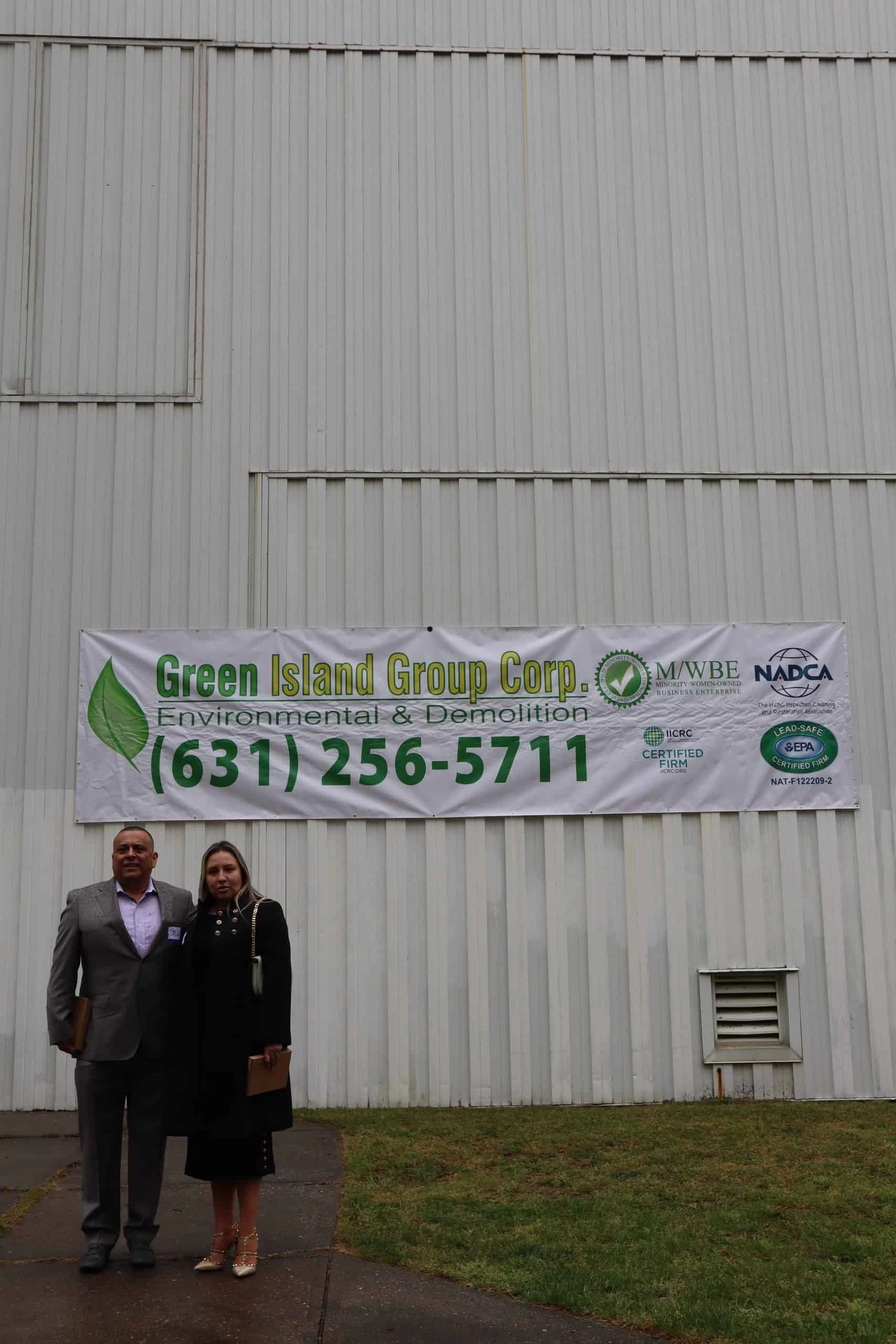
We’re an approved emergency response contractor for the NYS Office of General Services meaning New York State has independently vetted our licensing, insurance, and operational capability. We’re also NYS-certified as both a Minority Business Enterprise and a Woman-Owned Business Enterprise. No franchise competitor currently serving Brentwood holds either of those credentials.
Flooded Basement Remediation Process Brentwood, NY
From Standing Water to Fully Restored Here's What Actually Happens
The first call matters more than most people realize. When you reach out to us whether it’s 2 PM on a Tuesday or midnight during a nor’easter someone answers. A crew gets dispatched. In Brentwood, where sump pump failures happen in real time during active storms, that response window isn’t a convenience. It’s the difference between a manageable cleanup and a mold problem you won’t see for six weeks.
Once on-site, we assess the source and category of water first. Clean water from a burst pipe is handled differently than sewage backup from an overwhelmed municipal line and in Brentwood’s aging sewer infrastructure, that second scenario happens more than people expect. Category 3 water, which is what sewage backup is classified as, requires containment, OSHA-compliant protective equipment, and licensed disposal. That’s not something a general handyman can legally or safely do.
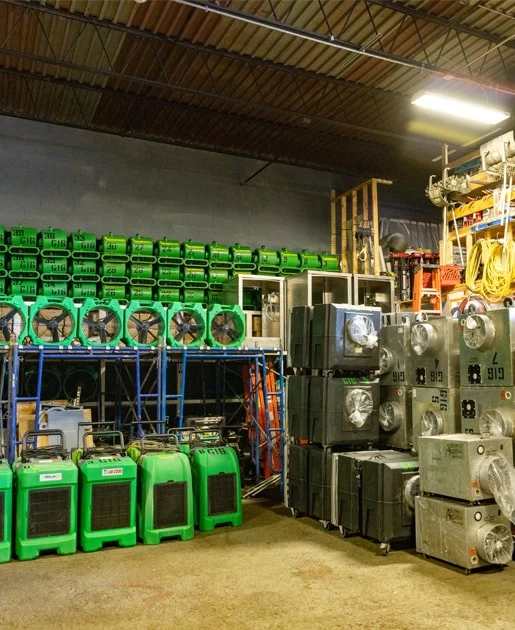
After extraction comes structural drying using commercial dehumidifiers and air movers, followed by moisture mapping to confirm the walls, subfloor, and framing are actually dry not just surface dry. If the inspection turns up mold, asbestos-containing materials, or lead paint disturbed by the flood, we handle that in-house. Because we hold NYS DOL Asbestos, USEPA Lead, and NYS DOL Mold licenses, we don’t have to stop the job and bring in a third party. Once remediation is complete, reconstruction drywall, flooring, framing is handled under our Suffolk County General Contractor license, which covers all permitted work in the Town of Islip.
Every License Needed for What Brentwood Basements Actually Contain
Flooded basement cleanup in Brentwood isn’t a one-size situation. A home built in 1955 near Brentwood State Park presents different risks than a newer build and the restoration scope reflects that. Our full service range for flooded basements includes emergency water extraction, structural drying and moisture mapping, mold testing and remediation, asbestos identification and abatement, lead paint assessment and containment, sewage backup decontamination, and full basement reconstruction.
That last part matters. A lot of companies will extract the water and hand you a dehumidifier. What they won’t do is pull the affected drywall, test what’s behind it, remediate any mold that’s already started, and then rebuild the space to code with proper Town of Islip permits. We do all of that. One company, one contract, one point of contact from the day you call to the day the job closes.
We also work directly with your insurance carrier. Real customers not marketing copy have confirmed that we handle documentation, communicate with adjusters, and bill the insurance company directly. In a community where navigating a claim after an emergency is already stressful, having someone manage that process on your behalf is genuinely valuable. If your policy covers the work, you focus on your home. We handle the rest.
Why does my Brentwood basement keep flooding even when there's no pipe damage?
This is one of the most common questions from Brentwood homeowners, and the answer almost always comes back to the water table. Long Island’s groundwater sits close to the surface in many parts of Brentwood, just a few feet down. After prolonged rain, that table rises and pushes water up through foundation cracks, floor joints, and any gap in your basement slab. It has nothing to do with your plumbing.
The other common culprit is sump pump failure during a storm. Power outages on Long Island are frequent during heavy weather, and your sump pump stops working at exactly the moment it’s needed most. If your pump doesn’t have a battery backup, you’re essentially unprotected during the worst part of any storm. Addressing the root cause whether that’s a sump pump upgrade, improved drainage, or foundation sealing is part of what a thorough restoration assessment should cover, not just the cleanup itself.
How quickly does mold start growing after a flooded basement in Brentwood?
Mold can begin colonizing within 24 to 48 hours of a flooding event and Long Island’s humid summers make that window even shorter. Brentwood’s warm, wet months from June through September create near-ideal conditions for mold growth inside a wet basement, especially in older homes where the walls may be unfinished or finished with materials that absorb moisture quickly.
The bigger issue is that mold doesn’t always show itself on the surface. It grows behind drywall, under flooring, and inside wall cavities where you can’t see it. By the time you notice a smell or visible discoloration, it’s already well-established. This is why structural drying and moisture mapping after a flood aren’t optional steps they’re what separates a real remediation from a surface cleanup that leaves you with a mold problem two months later.
Does homeowners insurance cover flooded basement cleanup in New York?
It depends on what caused the flooding, and the distinction matters. Standard homeowners insurance in New York typically covers sudden and accidental water damage a burst pipe, a washing machine overflow, or a sump pump failure if you have the right endorsement. What it usually does not cover is flooding from external groundwater, which is technically considered a flood event and requires separate flood insurance through the National Flood Insurance Program.
For Brentwood homeowners, this is an important nuance because a significant portion of basement flooding here is groundwater-driven. That said, many claims especially those involving sewage backup or appliance-related water damage do qualify under standard policies. The fastest way to know what you’re entitled to is to document everything immediately, don’t throw anything away before the adjuster sees it, and work with a restoration company that handles insurance communication directly. We bill carriers directly and have helped Brentwood-area homeowners navigate claims that initially seemed unclear.
My Brentwood home was built in the 1960s should I be worried about asbestos after a flood?
Yes, and it’s worth taking seriously. Homes built in Brentwood between the 1950s and late 1970s which accounts for the majority of the housing stock here frequently contain asbestos in pipe insulation, vinyl floor tiles, ceiling tiles, and drywall joint compound. Under normal conditions, these materials aren’t necessarily dangerous. But when a basement floods and those materials get saturated, disturbed, or damaged, asbestos fibers can become airborne.
The legal and health issue is that you cannot simply remove these materials yourself or hire an unlicensed contractor to do it. Asbestos abatement in New York requires a NYS Department of Labor asbestos license, and work done without that license creates liability for the homeowner and potential health exposure for anyone in the home. We hold that license and perform asbestos identification and abatement in-house meaning if a flood in your 1963 Brentwood home turns up a problem, we can handle it legally and safely without stopping the job.
What's the difference between water damage cleanup and actual basement flood remediation?
Cleanup typically means removing standing water and running drying equipment. Remediation means addressing everything the water touched and in many cases, everything it revealed. The difference in scope, and in cost, can be significant.
A real remediation starts with water extraction but continues with moisture mapping of the walls, subfloor, and structural framing to confirm what’s actually dry versus what just looks dry. It includes mold testing if the conditions warrant it, hazardous material assessment in older homes, and in Brentwood’s case, where sewage backups are a documented risk full decontamination if the water source was Category 3. The job isn’t finished when the floor is dry. It’s finished when the space has been tested, cleared, and documented. If structural repairs are needed, those require permits from the Town of Islip Building Department, and that permitted work needs to be done by a licensed general contractor not a handyman operating without a license.
How do I find a legitimate, licensed water damage contractor in Brentwood, NY?
Start by verifying actual licenses, not just claims. In New York, you can confirm a contractor’s mold remediation license and asbestos license through the NYS Department of Labor. For general contracting work which any structural repair after a flood will require the contractor needs to be licensed in Suffolk County, since Brentwood falls under Town of Islip jurisdiction. A company that can’t show you those credentials shouldn’t be doing structural work in your home.
Be cautious of companies that appear in search results with 888 numbers, out-of-state area codes, or no named leadership. Several companies that show up for Brentwood water damage searches are lead-generation pages, not local contractors. They take your call, sell your job to someone else, and you have no idea who’s actually showing up. We’re based on Long Island, have named leadership, hold every required license for this type of work in Suffolk County, and are an approved emergency response contractor for the NYS Office of General Services a credential issued after independent state vetting, not something you can buy or self-declare.