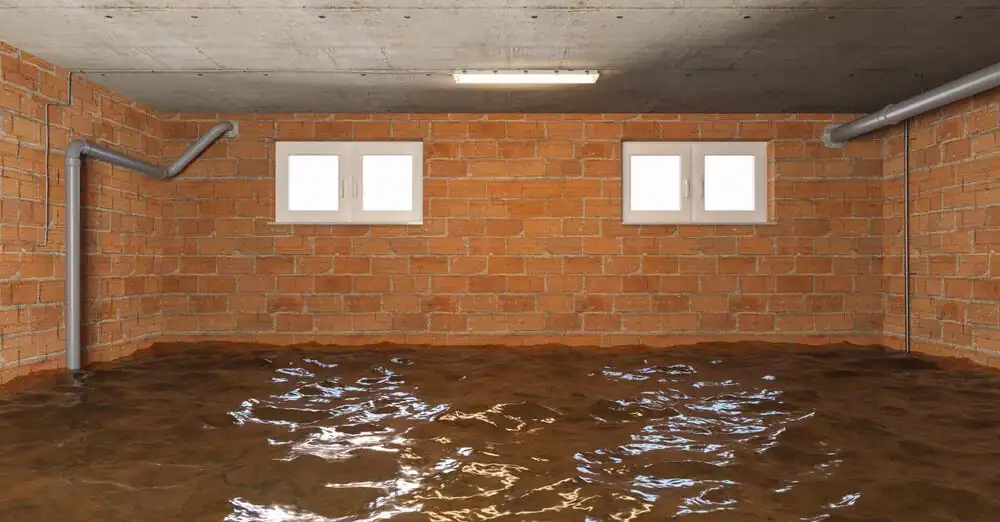
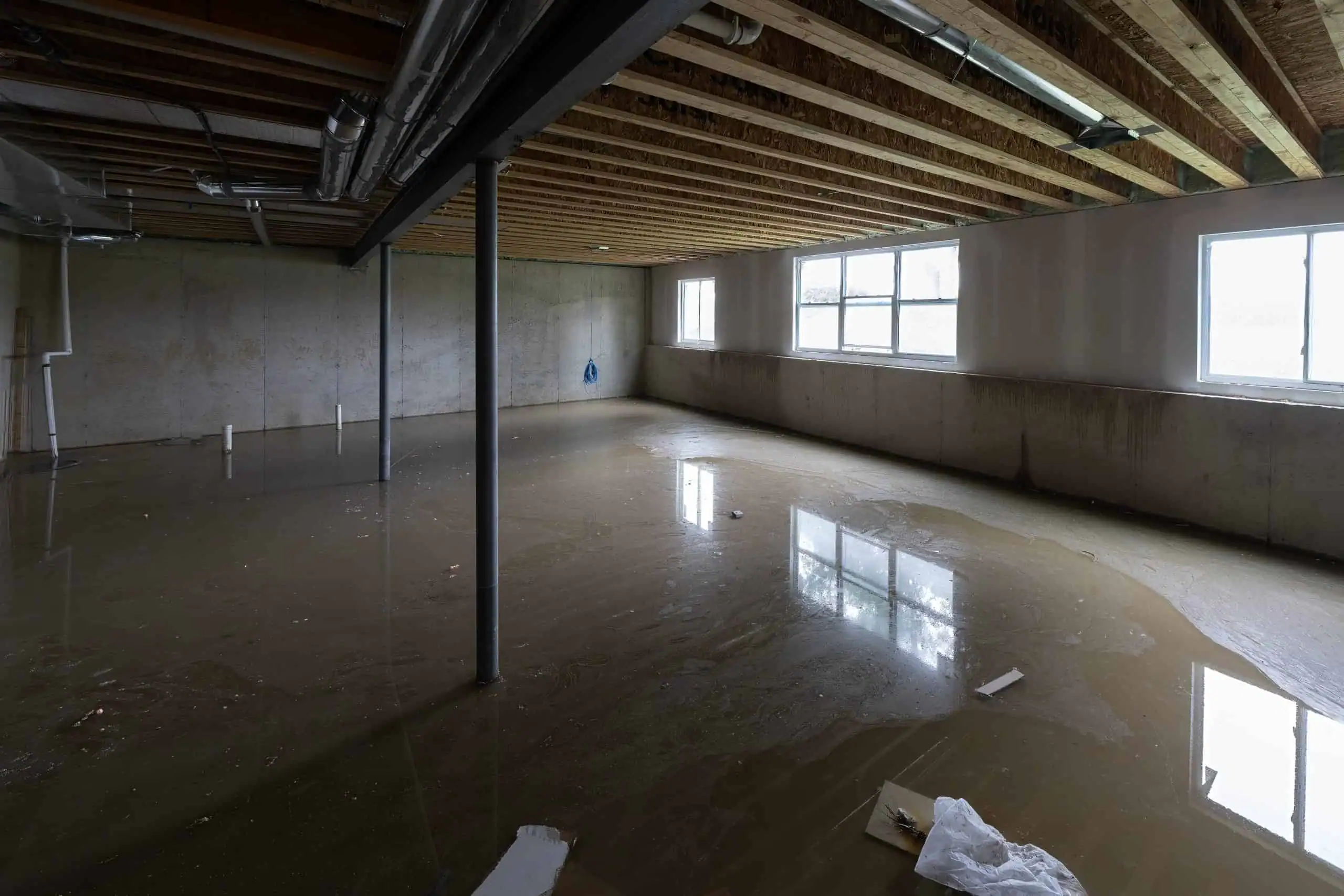
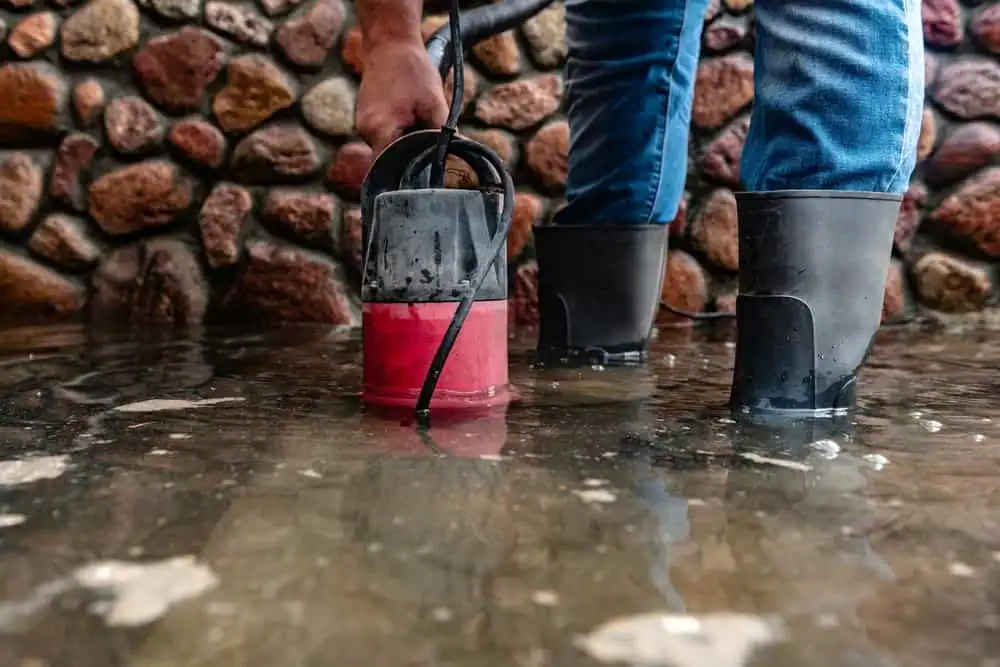
When Fishkill Creek Rises, Your Brinckerhoff Basement Pays the Price
We respond 24/7 to flooded basements in Brinckerhoff with the credentials, equipment, and financing to handle the full cleanup, not just the water on the floor.
I needed a professional consultation explanation of procedure for safe removal of Asbestos in my apartment complex. Without having an account yet, I was very impressed with the caring, knowledgeable and generous advice offered by Jessica, and will look forward to doing business in the future. Thank you so much! I feel much more informed about a sometimes scary endeavor. Peace. Nancy Silva Mineola, NY.
Mia Munoz
Used this company to clean up some water flood in my house. They were fast and easy to work with.very professional, Would recommend to anyone!
Nini Valle
Great company, had a flood and they responded quickly and efficiently. Billed my insurance company directly. I highly recommend this company!
joe colapietro, jr
I had pipe freeze in my basement right before a snow storm and they made to within an hour to help start the clean up process. They we by our side throughout the entire process and even helped with the insurance company. They did such a great job with the cleanup, repair, remidiation, I contracted them to perform the repairs and finishes in the basement. They came with enough manpower and material to get the job done. Leo and Jessica were nothing but a pleasure to deal with!!
Cristian Arredondo c
I had some water damage in my home and Green Island was able to take care of my issue quickly and effectively. I am very pleased with the work they did. They responded quickly and were very professional.
Michael M
Outstanding service! From the office to the field crew everyone was friendly, helpful and responsive. I highly recommend Green Island Group.
A Dry Basement and No Hidden Surprises Left Behind
The water you can see is only part of the problem. In Brinckerhoff’s older housing stock most of it built between the 1940s and 1990s water doesn’t just pool on the floor. It wicks into block foundation walls, soaks behind drywall, and hides under flooring for weeks before you smell anything. By the time mold is visible, it’s already been growing for days. That’s the part most homeowners don’t expect.
What you actually need after a flooded basement isn’t just a pump-out. You need the walls dried, the subfloor checked, the air treated, and someone who can tell you honestly whether anything was disturbed that shouldn’t have been. Homes in Brinckerhoff built before 1980 often contain asbestos in floor tiles and pipe insulation materials that become a serious problem the moment floodwater contacts them. We carry full environmental services licensing to handle both water damage and asbestos in a single visit, so you’re not juggling two separate contractors on two separate timelines.
And then there’s the insurance reality. If your basement flooded because Fishkill Creek surged or groundwater pushed through your foundation during a storm, your standard homeowners policy likely won’t cover it. That’s not a technicality it’s a gap that catches a lot of Brinckerhoff homeowners completely off guard. Knowing that upfront, and knowing there’s a 0% APR financing option available up to $200,000, changes what your next step looks like.
5,000 Projects. Government-Vetted. Here When Brinckerhoff Needs Us.
We’ve been doing environmental restoration work across New York State for over 12 years. More than 5,000 completed projects. Full liability and workers’ compensation insurance. NYS and NYC M/WBE Certified a credential that requires government-level review, not self-reporting. We’ve also been contracted by the NYS Office of General Services, which means state agencies have trusted us to restore their own facilities. That’s not a marketing line. It’s a verifiable fact.
For homeowners in Brinckerhoff, that kind of background matters. This is a tight-knit hamlet of long-term residents people who’ve owned their homes for years, know their neighbors, and aren’t interested in handing a crisis over to a company they can’t verify. The Dutchess County area has seen its share of serious flood events, from Hurricane Ida’s impact on Fishkill roadways to the National Weather Service naming Brinckerhoff specifically in flood watch communications. We’ve been operating through events like those, and the experience shows in how the work gets done.
Emergency Basement Flood Cleanup Process Brinckerhoff
What Happens From the First Call to the Final Clearance
When you call, you’re not leaving a voicemail and waiting. We operate 24/7 for exactly this reason because a flooded basement at 2 a.m. during a July thunderstorm doesn’t wait until morning. A real person answers, gathers the basics, and gets a crew dispatched. Response time matters here. The EPA is clear that mold can begin developing within 24 to 48 hours of a flooding event, and in Brinckerhoff’s humid Hudson Valley summers, that window is not theoretical.
Once on site, the first step is a full assessment not just the standing water, but moisture readings inside walls, under flooring, and along the foundation. Industrial extraction equipment removes the water. Then the structural drying begins, using commercial-grade dehumidifiers and air movers positioned specifically for your basement’s layout. If your home was built before 1980, our team will flag any materials that may require asbestos testing before work proceeds in those areas. That’s not a delay it’s the legally and safely correct sequence, and it protects you.
Before anything is touched, we document everything. Photographs, damage assessments, written records all of it. If you have any applicable insurance coverage, proper documentation is what makes the difference between a claim that moves forward and one that stalls. The Town of Fishkill participates in the National Flood Insurance Program, and for properties in designated flood zones, there may be permit considerations for any reconstruction work. We walk you through all of it. You’re not left to figure out the paperwork on your own.
Flooded Basement Cleanup Services Dutchess County NY
Full Scope Cleanup Built for Brinckerhoff's Specific Risks
Flooded basement cleanup in Brinckerhoff isn’t a single-step job. Our service covers water extraction, structural drying, mold prevention treatment, and full documentation but the scope often goes further depending on what the assessment turns up. In homes with older foundations along the Fishkill Creek corridor, groundwater intrusion through block walls is common, and that kind of moisture spreads differently than a burst pipe or appliance leak. The drying strategy has to account for that.
For pre-1980 homes in Brinckerhoff and there are many the environmental services component is part of the process, not an add-on. If floodwater has contacted materials that may contain asbestos, those areas are tested and handled under proper abatement protocol before cleanup continues. This is the kind of compound situation that most restoration companies aren’t equipped to manage in a single engagement. We are.
Our service also includes sewage backup cleanup, sump pump failure response, and black water remediation for the more severe flooding events. If reconstruction is needed after cleanup drywall replacement, flooring, finishing work that’s handled under the same roof, with the same warranty, and the same point of contact throughout. For Brinckerhoff homeowners on fixed or retirement incomes who weren’t expecting a $5,000 to $12,000 expense, the 0% APR financing up to $200,000 is available from the start of the project, not as an afterthought.
Does homeowners insurance cover basement flooding in Brinckerhoff, NY?
This is one of the most common and most painful discoveries Brinckerhoff homeowners make after a flood. Standard homeowners insurance policies generally do not cover flooding caused by external water sources. That means if your basement flooded because Fishkill Creek surged, because groundwater pushed through your foundation during a heavy storm, or because a storm drain backed up onto your property, your standard policy likely won’t pay for the cleanup.
Flood damage from outside sources requires a separate flood insurance policy, typically issued through FEMA’s National Flood Insurance Program. The Town of Fishkill participates in the NFIP, so coverage is available but only if you purchased it before the event. If you don’t have a separate flood policy and your insurer denies the claim, we offer 0% APR financing up to $200,000 to cover the full scope of cleanup and restoration without requiring you to drain your savings.
How quickly does mold start growing after a basement floods?
The EPA has confirmed that mold can begin developing within 24 to 48 hours of a flooding event under the right conditions and in Brinckerhoff’s humid Hudson Valley summers, those conditions are almost always present. Warm temperatures, trapped moisture inside wall cavities, and older basement construction with limited airflow create exactly the environment mold needs to establish itself quickly.
The issue is that mold doesn’t start where you can see it. It starts behind drywall, under flooring, and inside insulation places that look fine on the surface but are still saturated. By the time you notice discoloration or smell something off, the growth is already well underway. This is why the drying process matters as much as the water removal. Getting the moisture out of the structure not just off the floor is what actually prevents a mold problem from developing after a flooded basement.
What should I do first when I discover my basement is flooded?
Before anything else, don’t go into a flooded basement if the water level is significant or if you’re unsure whether electrical panels, outlets, or appliances are submerged. Water and live electricity are a serious safety combination. If there’s any doubt, shut off power to the basement at the breaker before entering, or wait for a professional to assess the situation.
Once it’s safe to enter, the most useful thing you can do is start documenting. Take photos and video of everything the water level, what’s damaged, what’s been moved. Don’t throw anything away yet, even if it looks ruined. Your documentation is what supports any insurance claim you file, and in Dutchess County, where many homeowners discover mid-process that their standard policy doesn’t cover the cause of their flooding, that record becomes especially important. Then call for professional help. The faster extraction and drying begin, the smaller the mold risk and the lower the overall restoration cost.
Is there asbestos in older Brinckerhoff homes, and does flooding make it a problem?
A meaningful portion of Brinckerhoff’s housing stock was built between the 1940s and 1970s, an era when asbestos was routinely used in 9-inch vinyl floor tiles, pipe insulation, ceiling panels, and joint compound. In dry, undisturbed condition, these materials generally don’t pose an immediate risk. The problem starts when they get wet or physically disturbed which is exactly what happens during a basement flooding event.
When floodwater contacts asbestos-containing floor tiles or saturates pipe insulation, the material can begin to break down and release fibers. A general contractor or standard restoration company is not licensed to handle this. We carry full environmental services licensing under NAICS 562910, which covers asbestos testing, containment, and abatement as part of the same restoration engagement. If your Brinckerhoff home was built before 1980 and your basement has flooded, this is not a question to skip it’s one of the first things that should be assessed before cleanup begins.
How long does it take to fully dry out a flooded basement in the Hudson Valley?
The honest answer is that it depends on how much water entered, how long it sat before extraction began, and what materials are involved. For a typical basement with Category 1 or Category 2 water damage a sump pump failure, a slow foundation seep, or a burst pipe professional structural drying with commercial-grade dehumidifiers and air movers generally takes between three and five days. Larger volumes of water, porous block foundation walls, or saturated insulation can extend that to a week or more.
In Brinckerhoff specifically, the combination of older block foundation construction and the area’s humid summers means moisture tends to linger longer than it would in newer construction with poured concrete walls. Consumer-grade dehumidifiers from a hardware store are not built for this they’re designed for maintenance humidity control, not post-flood structural drying. The equipment we use in professional restoration is significantly more powerful, and the process is guided by moisture meter readings, not just how dry the floor looks to the eye.
Why does Brinckerhoff flood so often, and is my home at risk?
Brinckerhoff’s flood risk is tied directly to its geography. The hamlet sits along Fishkill Creek, which widens into large pools south of the community at the base of Honness Mountain, right where Route 52 crosses. During heavy rain events, the creek rises quickly and the surrounding groundwater table surges which means water doesn’t just flow over the surface, it pushes up through the ground and through older foundation walls. The National Weather Service has explicitly named Brinckerhoff in flood watch communications alongside Beacon, Fishkill, and Glenham, which confirms this isn’t a generic regional risk. It’s a documented, location-specific one.
The risk is compounded by Brinckerhoff’s housing stock. Homes built in the 1940s through 1990s often have aging drain tile systems, older sump pumps that weren’t designed for the volume of water that modern storm events produce, and foundation walls with less robust waterproofing than newer construction. Spring snowmelt from the Hudson Highlands watershed, summer thunderstorms that drop several inches of rain in a matter of hours, and the occasional tropical storm remnant Ida’s impact on Fishkill roadways in 2021 is still fresh for many residents all create real, recurring flood exposure for homes in this hamlet.