When Flushing Bay Pushes Back, Your College Point Basement Pays the Price
College Point sits on a peninsula with water on three sides and your basement feels it every time it rains. We respond in under an hour, handle everything from water extraction to full reconstruction, and deal with your insurance directly so you don’t have to.
I needed a professional consultation explanation of procedure for safe removal of Asbestos in my apartment complex. Without having an account yet, I was very impressed with the caring, knowledgeable and generous advice offered by Jessica, and will look forward to doing business in the future. Thank you so much! I feel much more informed about a sometimes scary endeavor. Peace. Nancy Silva Mineola, NY.
Mia Munoz
Used this company to clean up some water flood in my house. They were fast and easy to work with.very professional, Would recommend to anyone!
Nini Valle
Great company, had a flood and they responded quickly and efficiently. Billed my insurance company directly. I highly recommend this company!
joe colapietro, jr
I had pipe freeze in my basement right before a snow storm and they made to within an hour to help start the clean up process. They we by our side throughout the entire process and even helped with the insurance company. They did such a great job with the cleanup, repair, remidiation, I contracted them to perform the repairs and finishes in the basement. They came with enough manpower and material to get the job done. Leo and Jessica were nothing but a pleasure to deal with!!
Cristian Arredondo c
I had some water damage in my home and Green Island was able to take care of my issue quickly and effectively. I am very pleased with the work they did. They responded quickly and were very professional.
Michael M
Outstanding service! From the office to the field crew everyone was friendly, helpful and responsive. I highly recommend Green Island Group.
There’s a difference between a basement that looks dry and one that actually is. After a flood, moisture hides inside wall cavities, beneath subfloor assemblies, and behind insulation places a box fan and a dehumidifier from the hardware store will never reach. If that moisture sits for more than 72 hours, mold starts colonizing the spaces you can’t see. By the time you smell it, you’re looking at a much bigger problem and a much bigger bill.
College Point has one of the most documented basement flooding histories in Queens. The neighborhood’s combined sewer system spent decades backing sewage into basements during heavy rain events the kind of contamination that isn’t just water, it’s black water, and it requires a completely different level of response than a burst pipe. The NYC DEP confirmed this when they committed $139 million to upgrading the sewer infrastructure here, completing the project in September 2024. That upgrade helps going forward. It doesn’t fix what’s already in your walls.
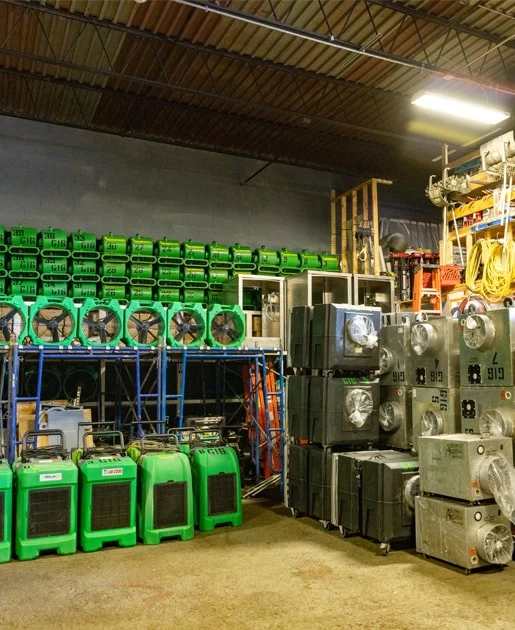
What you get when this is done right is a basement that’s been properly extracted, dried with industrial-grade equipment, tested with thermal imaging to confirm zero hidden moisture, and cleared for safe use. No guessing. No “it should be fine.” Documented, verified, and done.
Fully Licensed Where It Counts Not Just Certified on Paper
We are a full-service environmental remediation and restoration company serving College Point and the surrounding Queens communities, including Whitestone, Flushing, and Beechhurst. We operate 24 hours a day, seven days a week, and hold every license New York State and New York City require to do this work legally not just competently.
That includes the NYS DOL Mold License, which state law requires for any professional performing mold remediation in New York. We also hold NYS DOL Asbestos, USEPA Lead, USEPA RRP, IICRC Water Damage certification, and a NYC General Contractor license. That last one matters more than most people realize it means we can legally complete the full reconstruction after a flood in College Point, from demo through finished space, without you needing to find and coordinate a second contractor.
For a neighborhood like College Point where homes built before 1940 are common, where the housing stock along the blocks near College Point Boulevard frequently contains asbestos pipe insulation and lead paint, and where flooding has historically meant sewage, not just rainwater this credential stack isn’t a marketing list. It’s the difference between a company that can actually handle your situation and one that will stop halfway through.
From Standing Water to Finished Space Here's What Actually Happens in College Point
When you call, someone answers. Our documented response time is under an hour, and that clock starts the moment you pick up the phone not when a dispatcher eventually routes your call to an available crew. For College Point residents, where a flooding event can escalate quickly due to the high water table and the potential for sewage in the mix, that response time is the most important variable in what your final bill looks like.
The first thing that happens on-site is a proper assessment. That means identifying the water source, categorizing the contamination level clean water, gray water, or black water and using thermal imaging cameras to map moisture that’s already migrated into walls and floors. This step determines the entire scope of what needs to happen next, and it’s where a lot of companies cut corners by skipping straight to running equipment. Skipping it means missing hidden moisture that becomes mold in a week.
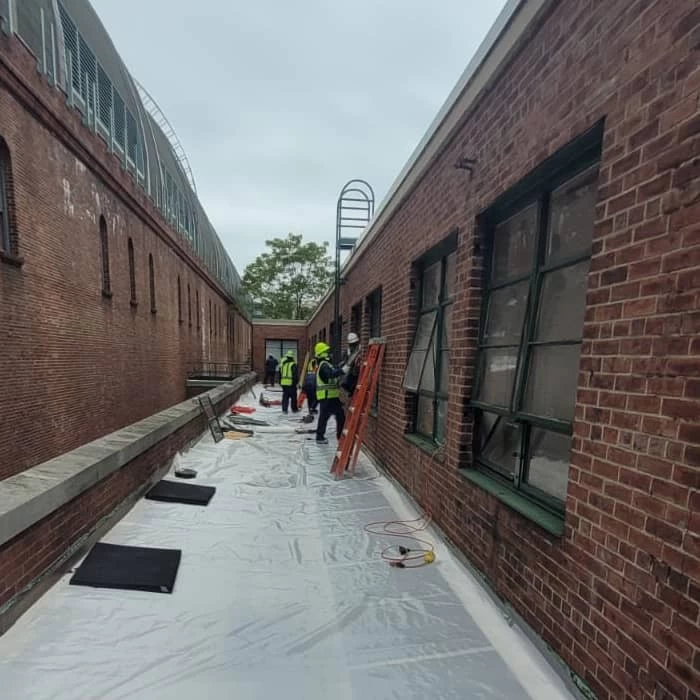
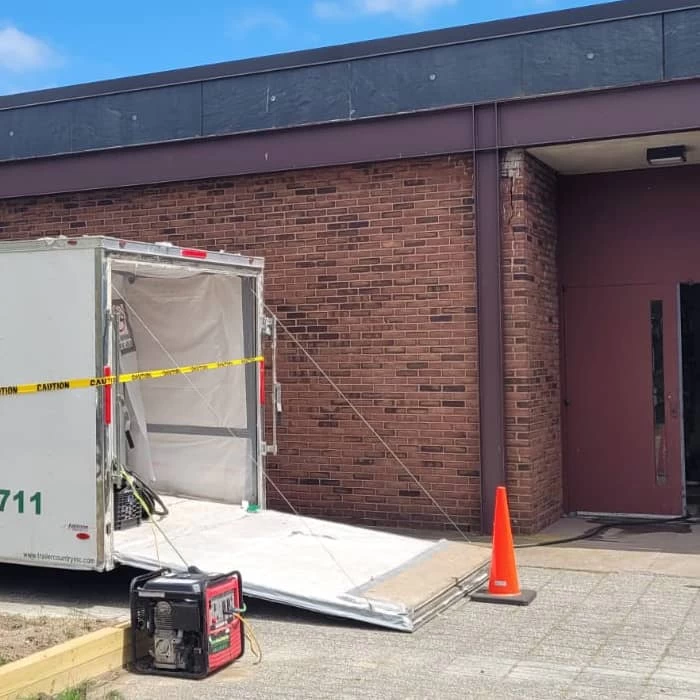
From there, the process moves through water extraction, structural drying with industrial dehumidifiers and air movers, antimicrobial treatment where needed, and moisture verification before any reconstruction begins. If your home was built before 1978 which describes a large portion of College Point’s housing stock and asbestos or lead materials are present in the work area, we’re licensed to handle that too, without stopping work or sending you to find another contractor. The job ends with a fully restored space and documentation your insurance company can actually use.
Basement Flooding Remediation Services College Point, NY
What's Actually Included When College Point Calls Us
Flooded basement cleanup in College Point isn’t a single-step job, and any company that treats it like one is leaving you with a problem that’ll resurface in three to six months. What we provide is the full arc emergency water removal, industrial drying, mold prevention, hazardous materials handling when applicable, content restoration, and complete reconstruction under one contract and one NYC General Contractor license.
The sewage backup piece is worth addressing directly. Because College Point’s sewer system historically combined stormwater and sanitary sewage in the same pipes, basement floods here have frequently involved black water contamination raw sewage mixed into the water that entered your home. That requires EPA-registered disinfectants, specific disposal protocols, and documentation that meets NYC DEP standards. It is not a job for a plumber with a wet-vac, and it is not a job for a company without proper certification. Our IICRC certification and full regulatory compliance means the cleanup meets the standard your insurance adjuster will look for when reviewing your claim.
For older homes near the waterfront or along the residential blocks closer to MacNeil Park, the work often uncovers a second layer of issues deteriorated insulation, rotted framing, mold that’s been growing behind drywall through years of prior flooding events. We assess all of it, document all of it, and handle all of it. You don’t get handed off to a third party mid-job. One call, full recovery.
Why does my College Point basement keep flooding even during moderate rainstorms?
College Point’s geography is the short answer. The neighborhood sits on a peninsula with Flushing Bay to the west and the East River to the north, which means the water table here is naturally elevated compared to inland Queens neighborhoods like Forest Hills or Jamaica. When it rains even moderately the already-saturated ground has nowhere to send the water, and hydrostatic pressure pushes it upward through basement floors and foundation walls. This happens in homes that appear to be well above any visible flood zone, which is why so many College Point residents are caught off guard.
This is a different flooding mechanism than what most people picture. It’s not water coming in over the top of your foundation it’s water being forced through the concrete itself by underground pressure. Standard waterproofing products you’d find at a hardware store are not designed to handle sustained hydrostatic pressure. Professional assessment is the only way to accurately diagnose where the water is entering and what combination of drainage, sealing, and remediation will actually address it.
How do I know if my flooded basement contains sewage contamination or just rainwater?
You often can’t tell by looking at it, which is exactly the problem. College Point’s combined sewer system where stormwater and sanitary sewage shared the same pipes for decades meant that basement flooding events here frequently involved sewage backup, not just clean rainwater. Even with the $139 million sewer upgrade completed in September 2024, backup events still occur during intense rainfall, and the risk hasn’t been eliminated entirely.
The practical way to determine contamination level is through professional water testing and visual assessment by a certified technician who knows what indicators to look for odor, color, the presence of solids, and the likely source based on where the water entered. This matters because the cleanup protocol for black water (sewage-contaminated) is significantly more involved and more expensive than clean water remediation. It requires specific EPA-registered disinfectants, full protective equipment for the crew, and documentation of disposal that meets NYC DEP standards. If you’re filing an insurance claim, the contamination category also affects what your adjuster will approve, so getting it properly documented from the start is critical.
How fast does mold actually grow after a basement flood, and why does timing matter so much?
Mold can begin colonizing within 24 to 48 hours of a water intrusion event, and by the 72-hour mark, you’re typically looking at active growth in wall cavities and behind insulation areas where you can’t see it and consumer-grade drying equipment can’t reach it. The reason the 72-hour window gets cited so often is because it’s real. Waiting past it doesn’t just mean more mold it means the remediation scope expands significantly, and so does the cost. The difference between a cleanup that starts within 24 hours and one that starts four or five days later can easily run $2,000 to $8,000 in additional remediation expenses.
In College Point specifically, this urgency is compounded by the neighborhood’s humidity profile. The proximity to Flushing Bay and the East River means ambient moisture levels are already elevated compared to inland areas, which accelerates mold growth after a flood event. Thermal imaging is the tool that matters here it detects moisture that has migrated into wall assemblies and subfloor cavities before mold establishes itself, allowing the crew to address hidden wet areas before they become a mold remediation project on top of a water damage project.
Does my homeowners insurance cover basement flooding from a sewer backup in College Point, NY?
Standard homeowners insurance covers sudden and accidental internal water damage a burst pipe, a failed water heater, an appliance overflow. It does not automatically cover sewer backup or flooding caused by ground saturation and hydrostatic pressure, which are the two primary flooding mechanisms in College Point. For that coverage, you need a sewer backup endorsement added to your homeowners policy, and many residents don’t realize they’re missing it until they’re standing in a flooded basement trying to file a claim.
FEMA flood insurance, which covers storm surge and rising surface water, also doesn’t cover the inland pluvial flooding and sewer backup events that have historically been College Point’s biggest problem. This gap in coverage caught a lot of Queens homeowners off guard during Hurricane Ida in 2021, when the flooding came from overwhelmed sewers and saturated ground rather than coastal surge meaning homes outside the 100-year floodplain flooded badly but had no applicable FEMA coverage. We work directly with insurance companies, handle adjuster communication, and document the damage in the format carriers require. If you’re not sure what your policy covers, that conversation is worth having before you need it.
My College Point home was built before 1960 does that affect how the cleanup gets done?
Yes, and significantly. A large portion of College Point’s housing stock was built between 1940 and 1969, with many homes predating 1940. Homes built before 1980 frequently contain asbestos in pipe insulation, floor tiles, and ceiling materials, and lead paint on walls and trim. When a basement floods, those materials can be disturbed during the cleanup process and if they are, you’re now dealing with a hazardous materials situation on top of a water damage situation.
Most water damage companies are not licensed to handle asbestos or lead. They’ll either ignore it which creates a health and regulatory liability for you or stop work entirely, leaving you to find a separate licensed contractor to continue. We hold NYS DOL Asbestos, USEPA Lead, and USEPA RRP certifications, meaning we can legally assess, contain, and remove hazardous materials encountered during a basement flood cleanup in College Point’s older homes without stopping the job or handing it off. For a neighborhood where pre-war and mid-century construction is the norm rather than the exception, this isn’t an edge case it’s a realistic expectation on a significant percentage of jobs.
How does Green Island Group handle the insurance claim process after a flooded basement?
We handle it directly, which is one of the most consistent things customers mention in their reviews. We bill insurance companies directly, communicate with adjusters on your behalf, and provide the documentation moisture readings, contamination category, scope of damage, photo evidence in the format carriers require to process a claim. You’re not left trying to translate a contractor’s invoice into insurance language or chasing an adjuster while also managing a disrupted home.
For College Point homeowners specifically, this matters because basement flood claims here often involve complications that straightforward water damage claims don’t. Sewage contamination changes the scope and the coverage conversation. Asbestos or lead discovered during cleanup adds a hazardous materials component that needs to be documented separately. The difference between clean water, gray water, and black water affects what your policy will approve. Having a company that understands those distinctions and can communicate them accurately to your insurance carrier from the first day is the difference between a claim that moves forward and one that stalls at the adjuster level for weeks.