When Your Basement Floods on a Peninsula, Every Hour Counts
Cove Neck sits on water on three sides — and when a storm moves through Oyster Bay Harbor, basements here don’t just get wet, they get overwhelmed. We respond 24/7 with the full licensing New York law requires to clean it up correctly.
I needed a professional consultation explanation of procedure for safe removal of Asbestos in my apartment complex. Without having an account yet, I was very impressed with the caring, knowledgeable and generous advice offered by Jessica, and will look forward to doing business in the future. Thank you so much! I feel much more informed about a sometimes scary endeavor. Peace. Nancy Silva Mineola, NY.
Mia Munoz
Used this company to clean up some water flood in my house. They were fast and easy to work with.very professional, Would recommend to anyone!
Nini Valle
Great company, had a flood and they responded quickly and efficiently. Billed my insurance company directly. I highly recommend this company!
joe colapietro, jr
I had pipe freeze in my basement right before a snow storm and they made to within an hour to help start the clean up process. They we by our side throughout the entire process and even helped with the insurance company. They did such a great job with the cleanup, repair, remidiation, I contracted them to perform the repairs and finishes in the basement. They came with enough manpower and material to get the job done. Leo and Jessica were nothing but a pleasure to deal with!!
Cristian Arredondo c
I had some water damage in my home and Green Island was able to take care of my issue quickly and effectively. I am very pleased with the work they did. They responded quickly and were very professional.
Michael M
Outstanding service! From the office to the field crew everyone was friendly, helpful and responsive. I highly recommend Green Island Group.
A Dry Basement Isn't Enough — Here's What Actually Matters
Visible water is only the beginning. What you can’t see — moisture trapped inside walls, saturated insulation, water wicked into concrete block — is what turns a manageable cleanup into a mold remediation project three weeks later. The real outcome you need isn’t just a dry floor. It’s documented, verified dryness throughout the entire structure, with nothing left behind to grow.
For homes in Cove Neck, that standard matters more than it does almost anywhere else on Long Island. You’re on a peninsula with water on three sides, and the North Shore’s clay-heavy moraine soil doesn’t drain quickly. When the ground around your foundation is already saturated from a nor’easter or a tidal surge off Oyster Bay Harbor, hydrostatic pressure builds against your foundation walls in ways that inland Nassau County homes simply don’t experience at the same level.
Add to that the reality that most Cove Neck homes were built around 1959 — which means asbestos floor tiles, lead paint, and aging drainage infrastructure are common. A proper cleanup here isn’t just about water extraction. It’s about handling what’s underneath the water safely, legally, and completely.
Licensed Basement Flooding Remediation, Cove Neck NY
Every License New York Requires, Under One Roof
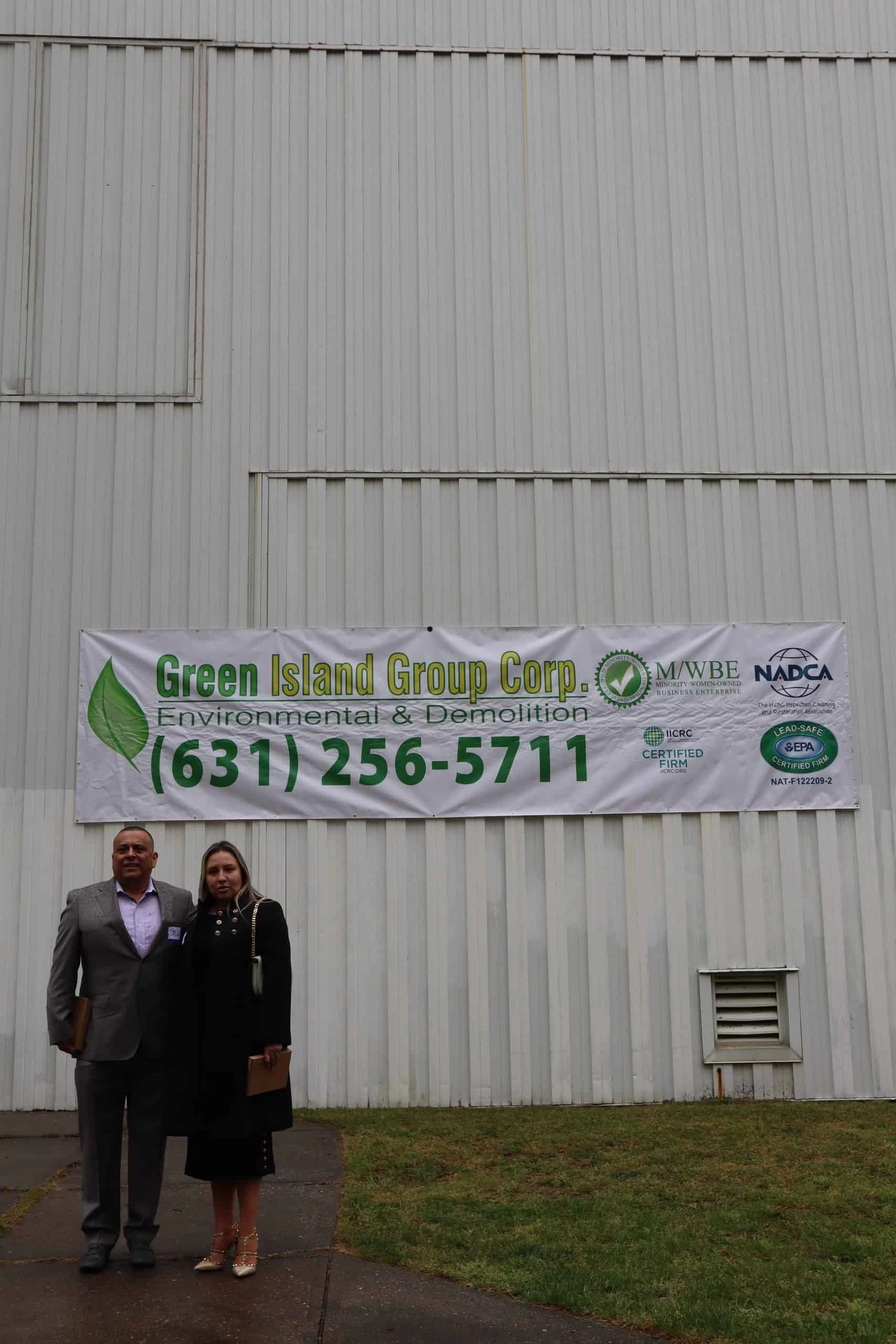
We hold the NYS DOL Mold License, NYS DOL Asbestos certification, USEPA Lead/RRP certification, IICRC Water Damage certification, and General Contractor licenses for Nassau County, Suffolk County, and New York City — all active, all verifiable. New York is one of the only states in the country that requires a dedicated state-issued mold license, and most of the companies showing up in search results for the Oyster Bay area don’t hold one.
That’s not a minor gap. It’s a legal and financial liability for the homeowner who hires them.
We serve the North Shore communities of Nassau County — including the estate villages surrounding Cove Neck like Oyster Bay Cove, Laurel Hollow, and Mill Neck — and understand the specific conditions that drive basement flooding in this part of Long Island. From the first call to the final walkthrough, the same standard of professionalism applies. In a village of 293 residents where word travels fast, that consistency matters.
What a Real Cleanup Looks Like in a North Shore Estate Home
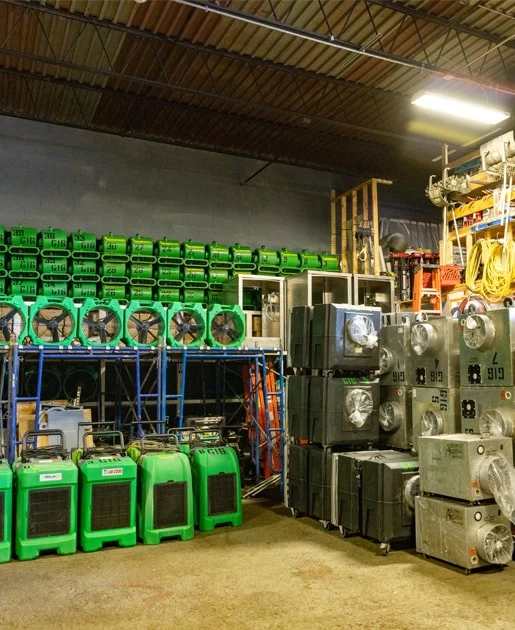
When you call, someone answers — not a form, not a voicemail. A crew is dispatched with extraction equipment, industrial dehumidifiers, and moisture detection tools. The first priority is stopping active water intrusion and removing standing water as fast as possible, because the 72-hour window before mold becomes a serious risk starts the moment water enters your basement.
Once the water is out, the work that most companies skip begins. Moisture meters and thermal imaging locate saturation hidden inside walls, beneath subflooring, and within the structural cavities that are standard in older Cove Neck estate homes. Everything gets documented — not just for your records, but because Nassau County flood damage claims require thorough, professional documentation to process cleanly. If your property sits in a FEMA-designated Special Flood Hazard Area near Oyster Bay Harbor, that documentation becomes even more critical.
If the assessment reveals asbestos-containing materials or lead paint disturbed by the flooding — a real possibility in homes built in the 1950s and 1960s — we’re licensed to handle that in-house. You don’t need a second contractor. The remediation, the abatement if required, and the full structural restoration back to pre-loss condition are all handled under one contract, with one company holding accountability for the entire scope.
Flooded Basement Cleaning and Mold Remediation, Nassau County
The Full Scope Most Restoration Companies Can't Actually Cover
Most water damage companies can extract water and run dehumidifiers. That’s where their license ends. In Cove Neck, where homes are large, old, and built with materials that require specific state certifications to handle legally, that limited scope creates real exposure for homeowners.
Our flooded basement cleanup service covers the complete range: emergency water extraction, structural drying, professional moisture documentation, mold assessment and remediation under the NYS DOL Mold License, asbestos and lead abatement where required, and full structural restoration under Nassau County General Contractor licensing. If your basement has finished rooms, mechanical systems, or original mid-century materials — all common in this village — every phase of the work is handled by a team that is licensed for it.
Cove Neck’s village Building Department and Site and Architectural Review Board have oversight over structural restoration work that affects your home’s envelope or foundation. We operate within that regulatory framework and can navigate the permit process for any restoration work that requires village approval. For homeowners managing a property that may have been in the family for decades, that kind of end-to-end accountability isn’t a convenience — it’s the only responsible way to protect what you’ve built.
How quickly does mold grow after a basement floods in Cove Neck, NY?
The standard threshold is 72 hours. If your basement is fully dried — not just visually clear of water, but structurally dry throughout walls, insulation, and subfloor — within that window, mold growth is unlikely. Beyond it, you’re almost certainly looking at a mold remediation project on top of the original cleanup, which is significantly more expensive and disruptive.
In Cove Neck, that window is harder to beat than it sounds. The peninsula’s clay-heavy soil retains water, the water table sits close to the surface near Oyster Bay Harbor, and many of the older estate homes here have basement walls and floors that absorb moisture deeply. Surface drying is not the same as structural drying. A crew that pulls water and leaves dehumidifiers running without moisture-mapping the walls is not actually beating the clock — they’re just making the basement look dry while the real problem develops inside the structure.
Does homeowners insurance cover flooded basement cleanup in Nassau County, NY?
It depends on the cause of the flooding. Standard homeowners insurance typically covers sudden and accidental water damage — a burst pipe, a failed sump pump, an appliance malfunction. It does not cover flooding caused by surface water entering from outside, which is what happens during storm surge events off Oyster Bay Harbor or heavy rainfall that overwhelms the ground around your foundation. That type of flooding requires a separate flood insurance policy, typically through FEMA’s National Flood Insurance Program.
If you’re in a FEMA-designated Special Flood Hazard Area — which applies to some properties in the coastal Oyster Bay Harbor region — and you carry a federally backed mortgage, flood insurance is likely required. The average NFIP flood claim payout in 2023 was nearly $46,000, but getting that payout requires thorough, professional damage documentation. Carriers will scrutinize claims on high-value properties, and a homeowner’s phone photos are rarely sufficient. Having a licensed contractor document the damage from the start of the job protects your claim from the beginning.
My Cove Neck home was built in the 1950s — does that affect the cleanup process?
Yes, meaningfully. Homes built between the 1940s and late 1970s were constructed during the period when asbestos-containing materials were standard: floor tiles, pipe insulation, ceiling tiles, joint compound, and roofing materials. Lead paint was used in residential construction until it was federally banned in 1978. When a basement floods in a home of this age, the water doesn’t just damage the visible surfaces — it saturates materials that can become a hazardous disturbance risk the moment someone starts tearing them out.
Disturbing asbestos floor tiles or lead-painted surfaces without proper containment and licensed handling creates a hazard that is far more serious and expensive than the original water damage. In New York State, asbestos abatement requires a NYS DOL Asbestos license, and lead work requires USEPA Lead/RRP certification. Most water damage restoration companies in the Oyster Bay area hold neither. We hold both, which means the cleanup doesn’t stop at the point where the hazardous materials begin — it continues safely and legally through the full scope.
How much does flooded basement cleanup typically cost in Nassau County?
The range is wide because the scope varies significantly. A straightforward water extraction and drying job in an unfinished basement with no hazardous materials involved might run a few thousand dollars. A finished basement in a large estate home — the kind common in Cove Neck — with water intrusion that has reached walls, flooring, and mechanical systems, and that requires mold remediation, asbestos abatement, and structural restoration, can reach $30,000 to $60,000 or more.
The most important cost factor is how quickly the response begins. Every hour beyond the 72-hour mold threshold adds remediation complexity and cost. A same-day professional response that fully dries the structure and documents the damage is almost always less expensive than a delayed response that allows mold to establish — even accounting for the difference in contractor quality. Getting the scope assessed accurately on day one, with proper moisture detection equipment, is what keeps the final number from growing.
What's the difference between water damage restoration and mold remediation?
Water damage restoration is the process of extracting water, drying the structure, and returning it to its pre-loss condition. Mold remediation is a separate, regulated process that addresses mold growth that has already established — containing it, removing affected materials, and treating surfaces to prevent recurrence. In New York State, mold remediation requires a dedicated NYS DOL Mold License. Water damage restoration does not automatically include mold remediation, and a contractor who holds only a water damage certification is not legally authorized to perform mold remediation work in New York.
The two processes are connected by timing. If water damage restoration is completed correctly within the 72-hour window, mold remediation may not be needed at all. If the drying is incomplete, delayed, or improperly documented, mold growth is likely — and at that point you’re dealing with a separate project, a separate regulatory requirement, and a significantly higher cost. In Cove Neck, where the older housing stock and the peninsula’s moisture conditions make incomplete drying a real risk, having a contractor who holds both credentials under one license means the transition from restoration to remediation — if it becomes necessary — doesn’t require sourcing a second company.
Do I need a permit for basement restoration work after flooding in Cove Neck?
It depends on the scope of the work. Water extraction, drying, and mold remediation typically do not require a building permit. But if the restoration involves structural repairs — replacing damaged framing, addressing foundation issues, or restoring elements that affect the building envelope — a permit from Cove Neck’s village Building Department is likely required. Cove Neck operates as an incorporated village with its own Building Department at 147 Forest Avenue in Locust Valley, and the village maintains a Site and Architectural Review Board with oversight over structural modifications to properties within its boundaries.
This matters practically because work performed without required permits can complicate your insurance claim, create issues at resale, and expose you to village code enforcement. A licensed general contractor who understands Cove Neck’s regulatory framework can assess what the restoration scope requires and handle the permit process from the start. We hold Nassau County General Contractor licensing and are equipped to navigate the village’s approval process for any restoration work that goes beyond surface-level repairs — so the rebuild phase doesn’t stall waiting on permits that should have been pulled on day one.