When Flushing's Sewers Back Up, Your Basement Shouldn't Pay for It
When the combined sewer system overflows and water comes up through your floor drain, you need someone who handles the whole thing extraction, contamination, drying, and rebuild not a company that stops halfway. We handle every phase of what a basement flood in Flushing actually involves.
I needed a professional consultation explanation of procedure for safe removal of Asbestos in my apartment complex. Without having an account yet, I was very impressed with the caring, knowledgeable and generous advice offered by Jessica, and will look forward to doing business in the future. Thank you so much! I feel much more informed about a sometimes scary endeavor. Peace. Nancy Silva Mineola, NY.
Mia Munoz
Used this company to clean up some water flood in my house. They were fast and easy to work with.very professional, Would recommend to anyone!
Nini Valle
Great company, had a flood and they responded quickly and efficiently. Billed my insurance company directly. I highly recommend this company!
joe colapietro, jr
I had pipe freeze in my basement right before a snow storm and they made to within an hour to help start the clean up process. They we by our side throughout the entire process and even helped with the insurance company. They did such a great job with the cleanup, repair, remidiation, I contracted them to perform the repairs and finishes in the basement. They came with enough manpower and material to get the job done. Leo and Jessica were nothing but a pleasure to deal with!!
Cristian Arredondo c
I had some water damage in my home and Green Island was able to take care of my issue quickly and effectively. I am very pleased with the work they did. They responded quickly and were very professional.
Michael M
Outstanding service! From the office to the field crew everyone was friendly, helpful and responsive. I highly recommend Green Island Group.
A Dry Basement Isn't Enough. Here's What You Actually Need After a Flushing Flood.
When water gets into your basement in Flushing, the damage isn’t always what you can see. In older homes throughout Broadway-Flushing and Bowne Park Tudors and Colonials built in the early 1900s water wicks into plaster walls, hides behind tile, and sits inside wall cavities long after the floor looks dry. If it isn’t pulled out completely, you’re looking at mold within 24 to 48 hours. And mold remediation after the fact adds anywhere from $2,000 to $8,000 on top of what you’re already dealing with.
The other thing most cleanup companies won’t tell you upfront: a lot of basement floods in Flushing aren’t clean water events. Flushing’s combined sewer system the same infrastructure that has been overwhelming Flushing Bay for decades backs sewage directly into basement floor drains during heavy rain. That’s Category 3 contamination. It requires licensed hazmat-level cleanup, not a shop vac and a dehumidifier. We’re equipped and certified for that, not just for the easy jobs.
What you should walk away with is a basement that’s genuinely dry, structurally sound, tested for hidden moisture, and cleared for safe use. If there’s mold, we remediate it. If there’s damage to walls or flooring, we rebuild it. One company, one call, no handoffs.
Licensed Basement Flooding Remediation in Flushing
We Hold Every License This Job Legally Requires
Green Island Group is a full-service environmental remediation and restoration company serving Flushing, Queens, and the surrounding region, 24 hours a day, seven days a week. We bring over 30 years of combined experience in the New York market not a franchise operating from a playbook, but a company that has spent decades working through the specific conditions, codes, and housing stock that define neighborhoods like Flushing.
In a neighborhood where pre-war homes sit next to new high-rises and the sewer system was built for a different era, the credentials matter. We hold the NYS DOL Mold License legally required in New York State for any mold remediation work along with the NYS DOL Asbestos license, USEPA Lead and RRP certifications, IICRC Water Damage certification, NYC BIC registration, and General Contractor licenses covering New York City, Suffolk County, and Nassau County. That’s 17 active credentials, not marketing language.
When you call, you’re not getting a crew that dries the floor and leaves. You’re getting a team that is legally equipped and technically capable of handling every phase of what a Flushing basement flood actually involves.
What Happens From the Moment You Call to the Final Walkthrough
The first call triggers an emergency response. We operate around the clock, and our response times to the Flushing area whether you’re near Main Street, off Northern Boulevard, or in a multi-family building in downtown Flushing are built around urgency. The clock matters here. Every hour of standing water increases structural damage and accelerates the conditions that lead to mold.
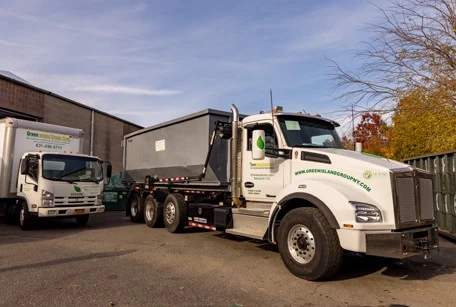
On arrival, we assess the water source and contamination level before anything else. If the water came from a sewer backup which is common in Flushing given the city’s combined sewer infrastructure it’s classified and handled as black water from the start. That affects the protective protocols, the equipment we use, and how contaminated materials are disposed of under NYC BIC regulations. If the source is a burst pipe or groundwater intrusion, the process adjusts accordingly. Nothing is assumed.
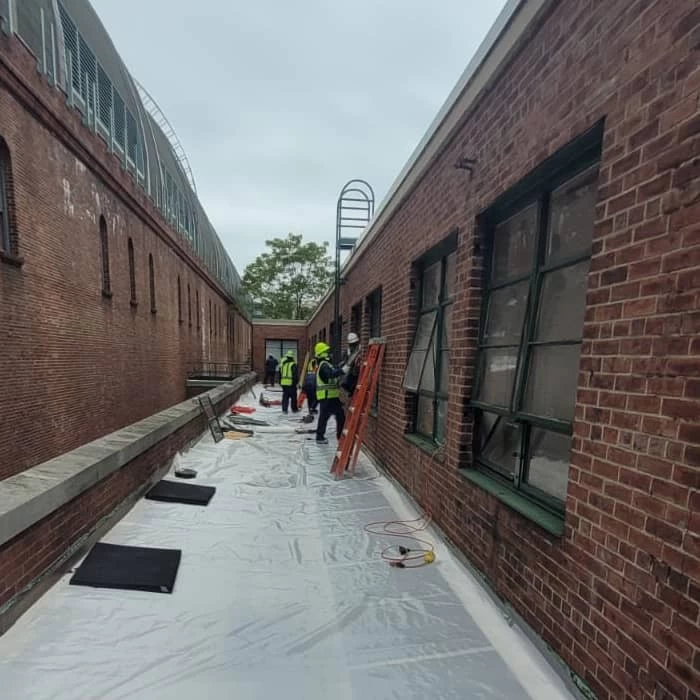
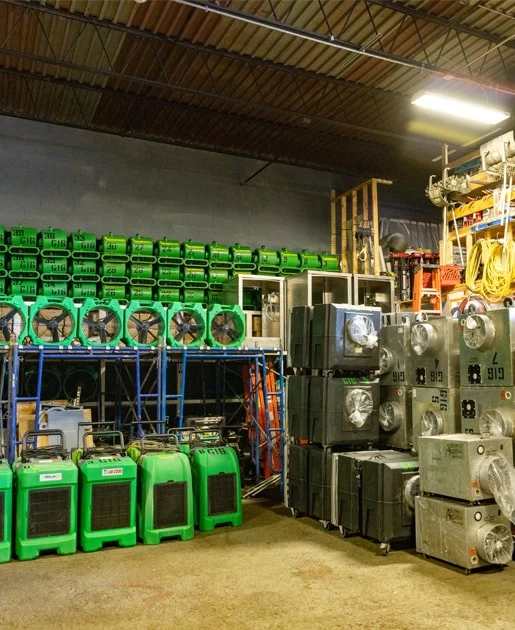
From there, it’s extraction, then industrial drying with commercial-grade dehumidifiers and air movers, then thermal imaging to confirm that moisture inside wall assemblies and under flooring is fully eliminated not just surface-dry. If your home was built before 1980, which applies to a significant portion of Broadway-Flushing and Flushing Heights, we assess for asbestos-containing materials before any demolition or removal begins. Once the structure is dry and cleared, reconstruction starts. Drywall, flooring, framing whatever your basement needs to be fully usable again.
From Black Water to Finished Basement No Second Contractor Needed
The scope of what we handle goes well beyond what most companies advertise when they show up for a flooded basement call. Emergency water extraction and structural drying are the starting point. From there, our services include thermal imaging for hidden moisture, mold prevention treatment, and where mold has already developed full NYS DOL-licensed mold remediation. For sewage backup events, which are a documented and recurring reality for homeowners near Flushing Creek and the downtown sewer network, we handle full Category 3 black water decontamination with proper hazardous waste disposal.
For homes in Broadway-Flushing, Bowne Park, or Flushing Heights where the housing stock predates modern building materials, asbestos and lead assessments are built into the process when applicable not treated as an add-on. This matters in a neighborhood where disturbing the wrong pipe insulation or floor tile during a cleanup can create a regulatory and health problem on top of the water damage you’re already managing.
The full rebuild is also in scope. We hold an active NYC General Contractor license, which means reconstruction framing, drywall, flooring, and systems work is completed under the same engagement. No coordinating a second contractor, no waiting weeks for someone else to schedule. The job isn’t done until your basement is back to a finished, usable condition. We handle insurance billing directly and work with your adjuster throughout the process.
Does homeowners insurance cover sewage backup in my Flushing basement?
Standard homeowners insurance policies typically do not cover sewage backup unless you’ve added a specific sewer backup rider or endorsement to your policy. This is worth knowing before you need it, because sewage backup into basements is not a rare event in Flushing it’s a recurring one. The neighborhood’s combined sewer system, which carries both stormwater and sewage through the same underground pipes, regularly gets overwhelmed during heavy rain events. When it does, the path of least resistance is often a basement floor drain.
If you do have a sewer backup endorsement, or if the flooding resulted from a covered peril like a burst pipe or sudden water damage, we handle the insurance claim directly. We document everything photos, moisture readings, contamination classification, written reports and communicate with your adjuster throughout the process. If you’re unsure what your policy covers, that conversation can happen on the call before anyone arrives.
How quickly does mold grow after a basement flood, and why does it matter?
Mold begins developing within 24 to 48 hours of water intrusion under the right conditions and in Flushing’s older housing stock, those conditions are almost always present. Pre-war brick construction, limited basement ventilation, and the organic materials inside wall assemblies create an environment where mold moves fast once moisture is introduced. Waiting even a day or two to address a flood properly can mean the difference between a straightforward cleanup and a full mold remediation project.
In practical terms, mold remediation added after the fact typically costs between $2,000 and $8,000 on top of the original water damage cleanup. Beyond the cost, mold inside wall cavities in a home where people are living is a health issue particularly in multi-family buildings where spores can migrate through shared walls and HVAC systems. The reason response time matters so much is that the mold clock starts the moment the water does.
Is the water in my flooded Flushing basement safe to walk through or touch?
It depends entirely on the source, and you should not assume it’s safe until someone has assessed it. Water damage is classified in three categories: clean water from a supply line or appliance, gray water from appliances or overflow that may carry contaminants, and black water which includes sewage backup, floodwater from outside, or any water that has been sitting long enough to become contaminated. In Flushing, where sewer backups through floor drains are a documented and common occurrence, black water events are not unusual.
Black water contains pathogens, bacteria, and potentially hazardous waste. Contact without proper protective equipment carries real health risks. The NYC Department of Buildings specifically advises building owners not to enter flooded basements before a professional assessment due to electrocution risk, structural concerns, and contaminated water. If your basement flooded during or after heavy rain and the water came up through a floor drain, treat it as contaminated until it’s been classified by a certified professional.
What should I do immediately after my basement floods in Flushing, NY?
The first priority is safety. Do not enter a flooded basement if the water level is at or near any electrical outlets, panels, or appliances. If you’re unsure whether the power to the basement has been shut off, don’t go in. Call your utility provider or a licensed electrician before entry. Once it’s confirmed safe to enter, avoid moving through the water unnecessarily especially if it came from a floor drain or external source, where contamination is likely.
Call a licensed restoration company as quickly as possible. The longer water sits, the more it migrates into structural materials subfloor, wall framing, insulation and the closer you get to the window where mold becomes a secondary problem. Document what you can with photos before anything is moved or removed, because your insurance company will need that documentation. Do not throw anything away before the adjuster or restoration team has assessed the damage. We’re available 24 hours a day, including during and after the storm events that typically cause basement flooding in Flushing.
How long does flooded basement cleanup and drying take in Flushing?
The honest answer is that it varies based on how much water entered, how long it sat, what materials it affected, and whether there’s contamination involved. A straightforward clean water event in a finished basement might be fully dried and cleared within three to five days. A sewage backup in an older home in Flushing Heights or Broadway-Flushing where water has migrated into plaster walls, under hardwood flooring, and behind tile can take longer, particularly if asbestos-containing materials need to be assessed or removed before demo can begin.
The drying phase is measured with equipment, not guesswork. We use moisture meters and thermal imaging to confirm that wall assemblies and structural materials are genuinely dry before the job is called complete. Declaring a basement dry before the readings confirm it is one of the most common ways a cleanup turns into a mold problem weeks later. You’ll know the job is done when the numbers say so, not just when it looks dry to the eye.
Can Green Island Group handle flooded basement cleanup in a multi-family building in Flushing?
Yes, and this is a meaningful distinction in a neighborhood like Flushing, where a significant portion of the housing stock is multi-family attached brick homes, mid-century co-ops, garden apartments, and mixed-use buildings with residential units above commercial spaces. A basement flood in these structures isn’t just one family’s problem. It can affect shared building systems, adjacent units, commercial tenants, and common areas simultaneously.
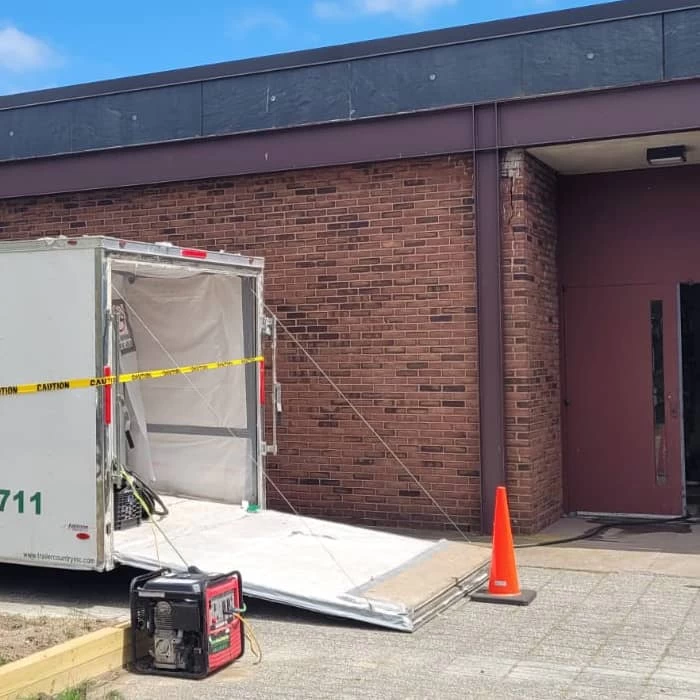
We have the licensing, equipment capacity, and crew size to handle commercial-scale remediation events not just single-family residential jobs. Our NYC General Contractor license covers reconstruction work across all building types in the five boroughs. For building managers and property owners dealing with a basement flood that affects multiple units or building infrastructure, the process is the same: one call, full scope, direct insurance coordination, and a documented paper trail that protects you with tenants, your insurer, and the city.