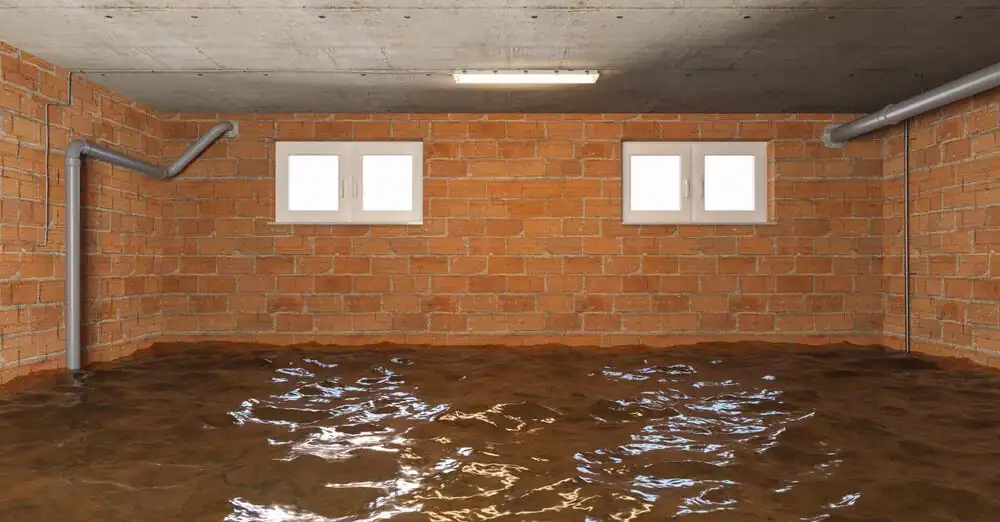
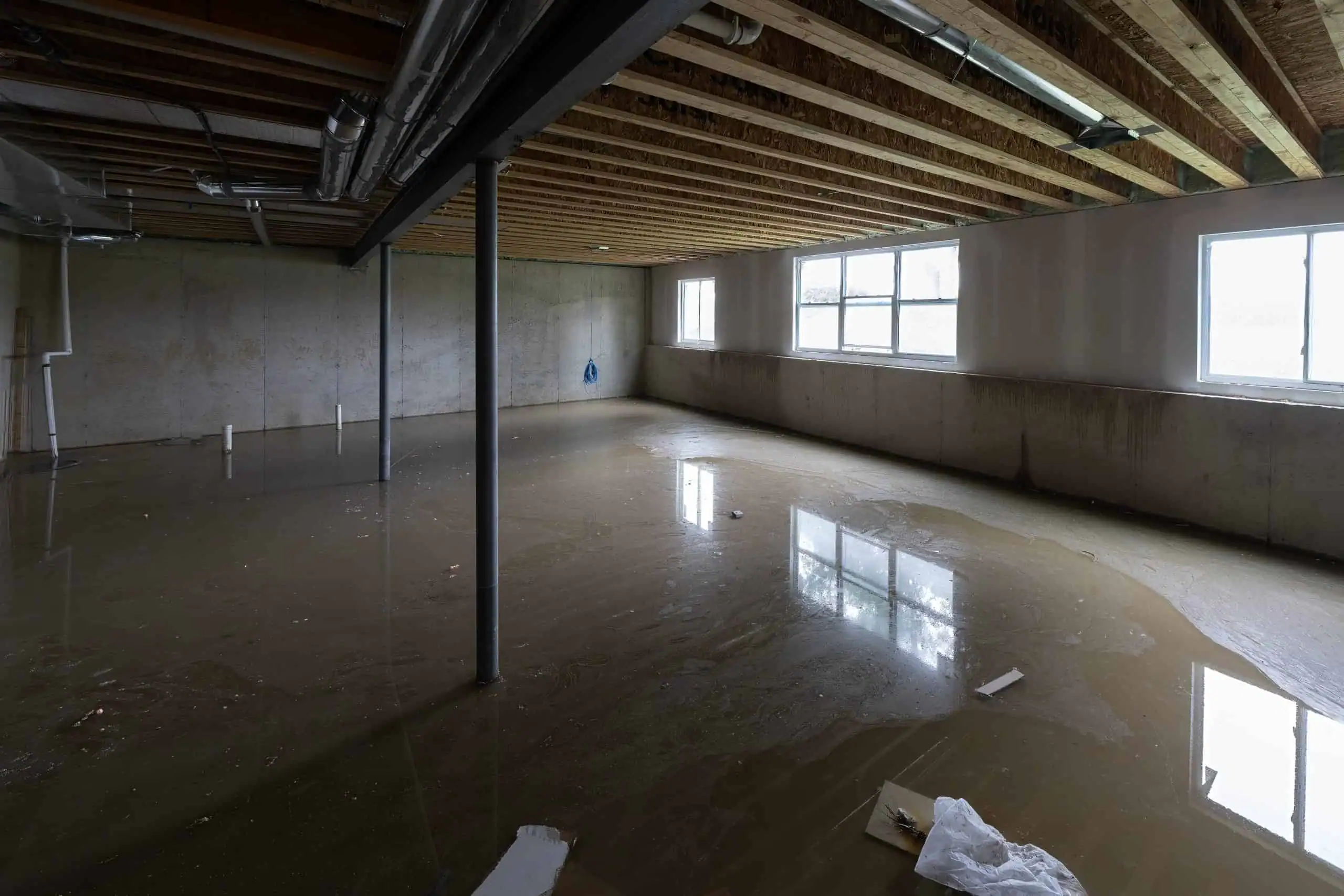
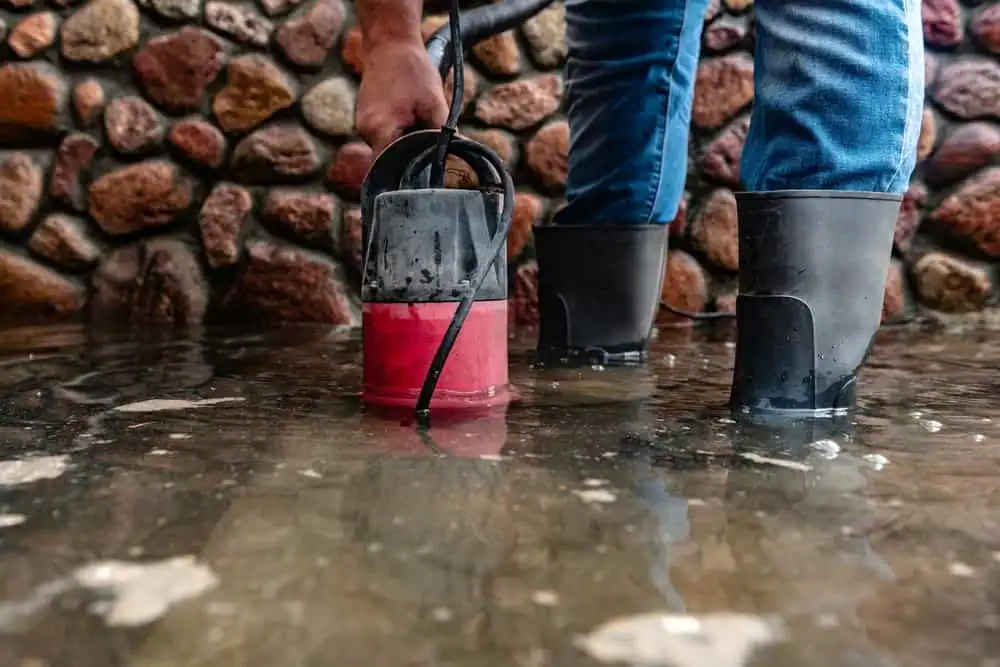
Fort Montgomery basements don’t flood gently and if yours is underwater right now, you already know that. We respond 24/7 with the equipment, credentials, and financing to get your home back without the runaround.
I needed a professional consultation explanation of procedure for safe removal of Asbestos in my apartment complex. Without having an account yet, I was very impressed with the caring, knowledgeable and generous advice offered by Jessica, and will look forward to doing business in the future. Thank you so much! I feel much more informed about a sometimes scary endeavor. Peace. Nancy Silva Mineola, NY.
Mia Munoz
Used this company to clean up some water flood in my house. They were fast and easy to work with.very professional, Would recommend to anyone!
Nini Valle
Great company, had a flood and they responded quickly and efficiently. Billed my insurance company directly. I highly recommend this company!
joe colapietro, jr
I had pipe freeze in my basement right before a snow storm and they made to within an hour to help start the clean up process. They we by our side throughout the entire process and even helped with the insurance company. They did such a great job with the cleanup, repair, remidiation, I contracted them to perform the repairs and finishes in the basement. They came with enough manpower and material to get the job done. Leo and Jessica were nothing but a pleasure to deal with!!
Cristian Arredondo c
I had some water damage in my home and Green Island was able to take care of my issue quickly and effectively. I am very pleased with the work they did. They responded quickly and were very professional.
Michael M
Outstanding service! From the office to the field crew everyone was friendly, helpful and responsive. I highly recommend Green Island Group.
There’s a difference between a basement that looks dry and one that actually is. Surface water is the easy part. The real damage hides in your foundation walls, under your subfloor, and behind drywall that absorbed water you never saw coming. Left alone, that moisture becomes mold within 24 to 48 hours and in Fort Montgomery’s humid highland climate, that timeline isn’t generous.
When Popolopen Creek overflows, the water entering your basement isn’t clean. It carries silt, bacteria, and whatever the drainage system couldn’t handle what the industry classifies as Category 3 contaminated water. That’s not something you clean up with a shop vac and bleach. It requires containment, proper protective equipment, and EPA-registered disinfectants applied by people who know what they’re dealing with.
A significant portion of Fort Montgomery’s housing stock dates back to the 1960s. Homes from that era often contain asbestos in floor tiles, pipe insulation, and ceiling materials materials that become a serious hazard when they’re saturated and disturbed during a flood cleanup. Getting your basement truly safe means addressing all of it: the water, the mold risk, and whatever your older home might be hiding underneath the surface.
We’ve been doing environmental restoration work across New York State for over 12 years, with more than 5,000 completed projects. That’s not a number pulled from a brochure it reflects the kind of experience that makes a real difference when you’re dealing with something as complex as a post-flood basement in the Hudson Highlands, where Fort Montgomery sits.
We’re NYS and NYC M/WBE Certified and work directly with the NYS Office of General Services. When New York State trusts a contractor with its own facilities, that’s a credential worth paying attention to. For Fort Montgomery homeowners especially those who’ve been through the FEMA process after the July 2023 flooding and know how little outside help materialized having a contractor with legitimate government-level vetting matters.
We’re fully insured, including liability and workers’ compensation, and every job comes with a 100% satisfaction guarantee. You’re not taking a chance on a crew that showed up after a storm and will disappear just as fast.
What Actually Happens From Your First Call to a Finished Basement
It starts with a call any time, day or night. From there, we dispatch a crew to your property. In Fort Montgomery, that means moving fast, because road access here isn’t guaranteed during a major flood event. The Popolopen Bridge has been closed before, and US Route 9W can get compromised quickly. Our goal is to get eyes on your basement while there’s still time to stop the damage from compounding.
Once on site, our first priority is assessment. That means identifying the water source, testing for contamination category, checking moisture levels in walls and flooring with professional meters, and flagging any materials like older floor tiles or pipe wrap that may require licensed abatement before the rest of the work can proceed. If your home was built in the 1960s, that step isn’t optional. It’s part of doing this right.
From there, it’s extraction, structural drying, and air quality control industrial-grade dehumidifiers and air movers placed strategically, not just set in the middle of the room and forgotten. Throughout the process, we track moisture readings until everything hits safe levels. If mold remediation or reconstruction is needed, that’s handled under the same roof. Any permits required through the Town of Highlands building department are part of the conversation from the start, not an afterthought.
Full-Scope Cleanup Built for What Fort Montgomery Floods Actually Look Like
Most water damage companies handle clean water from a burst pipe. That’s a straightforward job. What happens in Fort Montgomery during a serious storm event is a different situation entirely contaminated floodwater, compromised road access, overwhelmed drainage systems, and older homes that may have hazardous materials sitting right in the path of the cleanup. We’re built for that full picture.
Our scope of service covers water extraction, structural drying, mold testing and remediation, asbestos abatement, biohazard cleanup, and full reconstruction when structural damage requires it. That last piece matters more than people realize. When a flood scours out your foundation or saturates your framing, you need someone who can take the project all the way through not hand it off to a third contractor after the drying is done.
For Fort Montgomery homeowners dealing with the financial reality of no flood insurance and based on what came out after the July 2023 disaster, that’s most of the town we offer financing up to $200,000 at 0% APR. No other restoration company serving this area comes close to that. It means you can get your home professionally restored without waiting on a claim that may never pay out, or trying to manage a remediation job yourself that genuinely requires licensed professionals to do safely.
Does homeowners insurance cover flooded basement cleanup in Fort Montgomery, NY?
It depends on what caused the flooding and that distinction matters a lot. Standard homeowners insurance typically covers sudden, accidental water damage, like a burst pipe or an appliance failure. What it does not cover is flooding from an external source, which includes rising water from Popolopen Creek, storm surge, or groundwater pushed up through your foundation during a heavy rain event. That type of damage requires a separate flood insurance policy and as of the July 2023 disaster, only four homeowners in the entire Town of Highlands had one.
If your basement flooded from a sewer backup or a sump pump failure, there may be a rider on your existing homeowners policy that covers it, but you’d need to check your specific policy language. The honest answer is that most Fort Montgomery homeowners dealing with flash flood damage are paying out of pocket. That’s exactly why we offer financing up to $200,000 at 0% APR. It’s not a workaround. It’s a real solution for a real gap that affects most people in this community.
How fast does mold start growing after a basement floods?
The EPA puts it at 24 to 48 hours. That’s not a worst-case scenario that’s the standard timeline under normal conditions. In Fort Montgomery’s humid highland environment, where basements in older homes already tend to run damp, that window can feel even shorter. If your basement sat with standing water for more than a day which happened to many homes after the July 2023 flooding, when road closures limited access to the hamlet mold growth is not a possibility. It’s a near-certainty.
The part that catches people off guard is where the mold actually grows. It develops behind drywall, under flooring, inside wall cavities, and anywhere moisture was trapped without airflow. A surface that looks and smells fine can have active mold growth just a few inches behind it. That’s why professional moisture testing not just visual inspection is a non-negotiable part of any legitimate flooded basement cleanup. If the company doing your cleanup isn’t using moisture meters and checking inside your walls, they’re not actually finishing the job.
What's the difference between water damage cleanup and flood damage cleanup?
The terms get used interchangeably, but they’re not the same thing and the difference affects both the scope of work and your insurance coverage. Water damage typically refers to damage caused by an internal source: a burst pipe, an overflowing appliance, a roof leak. Flood damage refers to water that enters from an external source rising groundwater, an overflowing creek, storm runoff. In Fort Montgomery, the July 2023 event was unambiguously flood damage: Popolopen Creek overflowed, storm runoff cascaded off the rocky highland terrain, and water entered homes from the outside.
From a remediation standpoint, flood damage is almost always more complex. External floodwater is frequently contaminated carrying bacteria, sediment, and sewage from overwhelmed drainage systems. That elevates it to what the industry classifies as Category 2 or Category 3 water, which requires different containment protocols, protective equipment, and disinfection procedures than a standard water damage cleanup. It also affects what materials can be salvaged versus what needs to be removed and replaced. Understanding which category your situation falls into is one of the first things a qualified restoration crew should determine when they arrive.
Does flooded basement cleanup in Fort Montgomery require a permit from the town?
For the extraction, drying, and remediation work itself no permit is typically required. A restoration crew can come in, remove standing water, dry your structure, and remediate mold without pulling a permit. Where permits become necessary is when the work crosses into structural repair or reconstruction: replacing framing, rebuilding walls, repairing a foundation, or making changes to plumbing or electrical systems that were damaged by the flood.
Fort Montgomery is governed by the Town of Highlands, so any permitted work goes through the Town of Highlands Building Department not a standalone Fort Montgomery municipal office. If your flood damage is significant enough to require structural repairs, we factor that into the project scope from the beginning. Knowing what will and won’t require a permit, and handling that process correctly, is part of doing a complete job rather than leaving you to figure it out on your own after the crew leaves.
Can I clean up my flooded basement myself instead of hiring a professional?
For minor water intrusion a small amount of clean water from a known source, caught quickly a capable homeowner with the right equipment can sometimes manage the drying on their own. But that scenario describes a very narrow set of situations, and Fort Montgomery flooding rarely fits into it. When water comes from an external source like Popolopen Creek or storm runoff, it’s contaminated. Handling Category 3 water without proper protective equipment and containment protocols is a genuine health risk, not just an inconvenience.
Beyond the contamination issue, consumer-grade fans and dehumidifiers don’t produce the airflow or dehumidification capacity needed to dry out a flooded structure properly. They’ll dry the surface while moisture stays trapped in your walls and subfloor which leads directly to mold growth that you won’t find until it’s already a bigger problem. If your home was built in the 1960s and contains asbestos-containing materials, disturbing those materials during a DIY cleanup creates a separate hazard that requires licensed abatement to address safely. The short version: for anything beyond a very minor, clean-water situation, the risk of getting it wrong significantly outweighs the cost of getting it done right.
How does our financing work for Fort Montgomery homeowners without flood insurance?
The financing is straightforward: we offer up to $200,000 at 0% APR, which means you’re paying back only what the work actually costs no interest added on top. For a community where the documented flood insurance gap is as significant as it is in the Town of Highlands, this isn’t a peripheral offering. It’s the reason many homeowners are able to get professional help at all instead of attempting a cleanup that requires licensed professionals and specialized equipment.
The process starts with an assessment of your specific situation scope of damage, what services are needed, and what the total cost looks like. From there, the financing option is available to cover the full project, whether that’s extraction and drying only or a complete remediation and reconstruction job. There’s no pressure to take on more than your situation requires, and the 100% satisfaction guarantee applies regardless of how the project is funded. If you’re not sure whether you qualify or what the financing covers, that’s a conversation worth having before you make any decisions and it costs nothing to ask.