Freeport doesn’t flood like other towns — it floods from the canals, from the tides, from the bay pushing water up through streets you’ve driven a thousand times. When that water finds your basement, you need someone who actually knows what to do with it.
We’ve handled flooded basements across Freeport’s South Shore neighborhoods long enough to understand what tidal and storm surge flooding actually looks like — not just the textbook version. Our team responds 24/7 to get extraction and drying started before moisture has time to turn into a mold problem.
I needed a professional consultation explanation of procedure for safe removal of Asbestos in my apartment complex. Without having an account yet, I was very impressed with the caring, knowledgeable and generous advice offered by Jessica, and will look forward to doing business in the future. Thank you so much! I feel much more informed about a sometimes scary endeavor. Peace. Nancy Silva Mineola, NY.
Mia Munoz
Used this company to clean up some water flood in my house. They were fast and easy to work with.very professional, Would recommend to anyone!
Nini Valle
Great company, had a flood and they responded quickly and efficiently. Billed my insurance company directly. I highly recommend this company!
joe colapietro, jr
I had pipe freeze in my basement right before a snow storm and they made to within an hour to help start the clean up process. They we by our side throughout the entire process and even helped with the insurance company. They did such a great job with the cleanup, repair, remidiation, I contracted them to perform the repairs and finishes in the basement. They came with enough manpower and material to get the job done. Leo and Jessica were nothing but a pleasure to deal with!!
Cristian Arredondo c
I had some water damage in my home and Green Island was able to take care of my issue quickly and effectively. I am very pleased with the work they did. They responded quickly and were very professional.
Michael M
Outstanding service! From the office to the field crew everyone was friendly, helpful and responsive. I highly recommend Green Island Group.
Visible water gone doesn’t mean the job is done. In Freeport, where tidal flooding can push saltwater through your foundation and into your walls, the real damage is often what you can’t see. Moisture trapped inside concrete block, behind drywall, or beneath flooring is what turns a flooding event into a mold problem three weeks later — and by then, you’re dealing with a much bigger job than you started with.
Saltwater flooding — the kind that comes off Hudson Bay and moves through the canal network during a nor’easter or a high-tide surge — is more corrosive than a burst pipe. It leaves mineral deposits in porous materials that keep breaking things down long after the water is gone. That’s a detail that matters enormously in a South Shore community like Freeport, and it’s one that a lot of generic restoration companies simply don’t account for.
When we finish the cleanup, your basement is actually dry — not just visually dry. We measure moisture levels inside walls, not just on surfaces. The air is treated. Materials that can’t be saved are removed cleanly and legally. You get documentation that protects your insurance claim and your home’s value going forward.
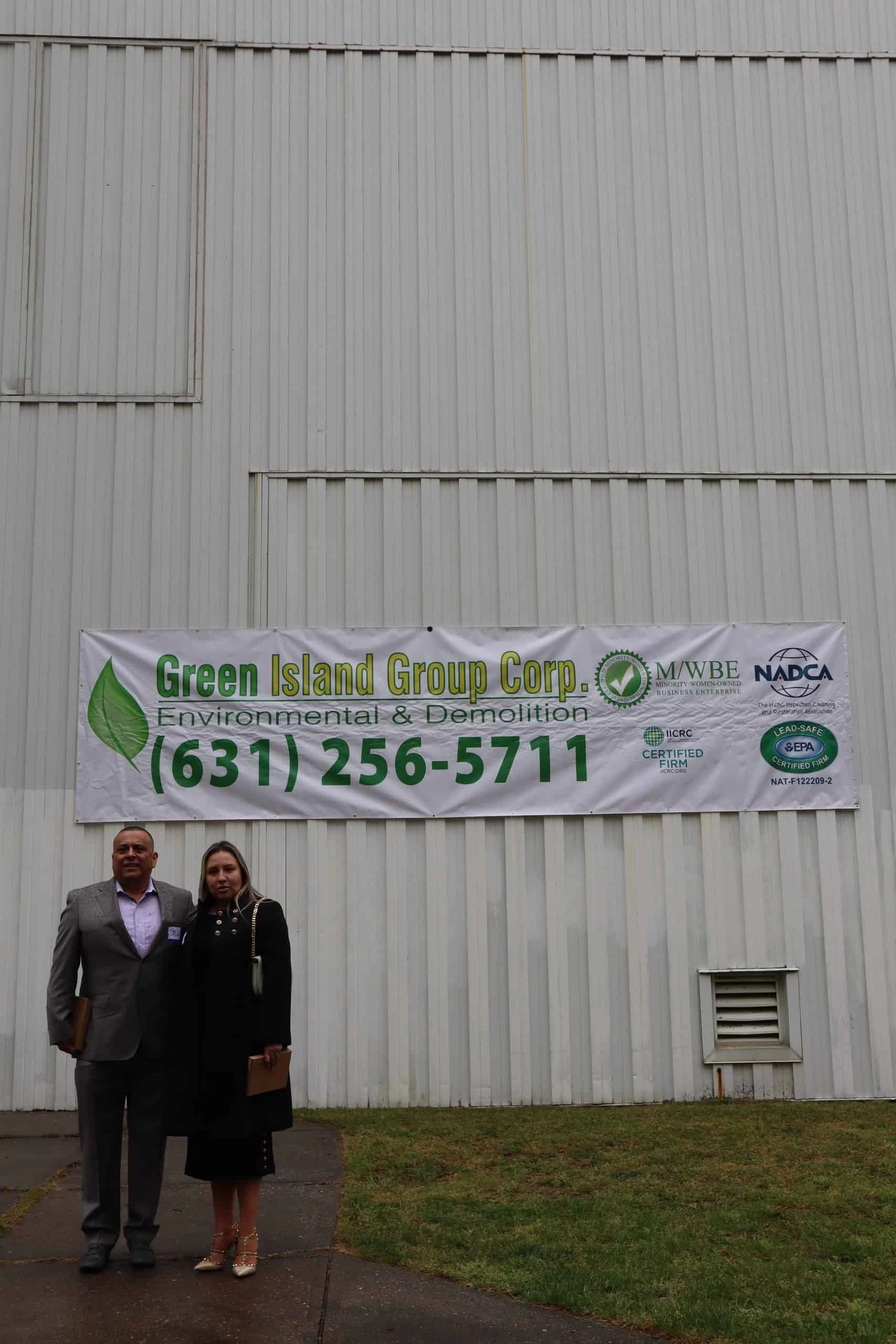
We hold a NYS DOL Mold License, a NYS DOL Asbestos License, USEPA Lead and RRP certifications, IICRC Water Damage Certification, and a Nassau County General Contractor license — all under one roof. That’s not a list to impress you. It’s the practical answer to what happens when a flooded basement in an older Freeport home turns into something more complicated than water extraction.
A lot of homes in Freeport — especially in Colony Park and the surrounding mid-century neighborhoods — were built in the 1950s and 1960s, when asbestos floor tiles and lead paint were standard. When flooding disturbs those materials, you legally need a licensed abatement company, not just a restoration crew. Most companies in this market can do one or the other. We can do both, on the same job, with one point of contact.
We serve Nassau County with 24/7 emergency response, and we’ve worked on South Shore homes long enough to understand what Freeport flooding actually looks like — not just the textbook version.
What Actually Happens From First Call to Final Walkthrough
The first call matters. When you reach us — any time, day or night — we’re gathering real information: how much water, what type of flooding, how long it’s been sitting, and whether the source is still active. In Freeport, that last question often determines the entire approach. Tidal and storm surge flooding can keep reintroducing water if the bay hasn’t receded, and starting extraction before the source is controlled just extends the job.
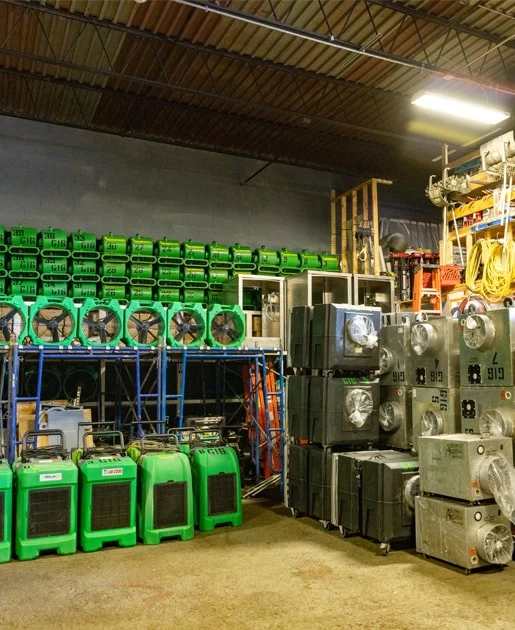
Once we’re on-site, we do a full assessment before we start pulling anything out. That includes moisture readings inside walls and under flooring — not just visual inspection. In homes near the Woodcleft Canal corridor or along the lower streets of Freeport South, we frequently find moisture levels well above what’s visible on the surface. Industrial extraction equipment removes standing water, and commercial-grade drying systems go to work on what’s left behind. If we find asbestos floor tiles, pipe insulation, or other hazardous materials disturbed by the flooding, we handle abatement on-site — no subcontractor, no scheduling gap, no break in the chain of accountability.
After drying is complete, we verify with post-remediation moisture testing. You get documentation of the entire process — scope of work, materials removed, moisture readings before and after — which your insurance adjuster will need for the claim file. If structural repairs are required, our Nassau County GC license means we can handle that too, without handing you off to someone else.
Built for Freeport's Flooding — Not Generic Water Damage
Flooded basement cleanup in Freeport isn’t a one-size job. The village’s FEMA Special Flood Hazard Area covers a significant portion of the southern neighborhoods, and properties near the canal network face a different risk profile than homes further inland near Sunrise Highway. What that means practically is that the cleanup process — and what it needs to include — varies based on where you are in the village, how the water got in, and what your home is made of.
For tidal and storm surge events, we typically handle saltwater extraction, antimicrobial treatment of affected surfaces, controlled demolition of saturated materials like drywall and insulation, and extended drying cycles because saltwater-saturated concrete holds moisture longer than freshwater-affected material. For homes with pre-1980 construction — which covers a large share of Freeport’s housing stock — we conduct hazardous material testing before any demolition begins. If asbestos or lead is present, we complete abatement under the appropriate NYS DOL and USEPA licenses before structural work continues.
We also handle sewage backup cleanup, which becomes relevant in Freeport during major flooding events when the older municipal sewer infrastructure gets overwhelmed. That’s a Category 3 contamination situation that requires full biohazard-level decontamination — not just drying. Insurance documentation is part of every job, and we assist with damage reporting for both standard homeowners policies and NFIP flood insurance claims, which many Freeport homeowners in the flood zone carry simultaneously.
How quickly does mold grow after a basement floods in Freeport?
Mold can begin colonizing porous materials — drywall, wood framing, insulation, carpet — within 24 to 72 hours under warm, humid conditions. In Freeport, that window is especially relevant because the flooding events here often happen during nor’easters or high-tide surges when multiple homes are affected at the same time. If every flooded basement in the village is calling for help simultaneously, response time becomes a real competitive factor, not just a marketing claim.
The 72-hour window is the outer edge, not the target. The goal is to get extraction and drying started well before that point. If water has been sitting for more than a day and you’re noticing a musty smell, there’s a reasonable chance mold has already begun. At that point, the job shifts from prevention to remediation — which is a different scope of work and a different cost. Getting help quickly isn’t about panic; it’s about keeping a manageable problem from becoming a much larger one.
Does homeowners insurance cover basement flooding from a storm in Freeport?
Standard homeowners insurance does not cover natural flooding — meaning water that enters your home from outside due to storm surge, tidal overflow, or groundwater. That type of damage is covered by a separate NFIP flood insurance policy. In Freeport, many homeowners in the FEMA Special Flood Hazard Area are required by their mortgage lenders to carry both policies simultaneously — one for sudden and accidental events like burst pipes, and one for flood events from the bay, canals, or storm surge.
The distinction matters when you file a claim, because the two policies cover different causes of loss and often require separate documentation. A burst pipe in January is a homeowners claim. Water that came in during a nor’easter off Hudson Bay is an NFIP claim. If both happened in the same event — say, a storm surge that also knocked out your water heater and caused a pipe to fail — you may be filing against both policies at once. We help document the damage in a way that supports both claim types, so you’re not leaving money on the table because the paperwork wasn’t done right.
What's the difference between freshwater and saltwater basement flooding cleanup?
The difference is significant, and it’s one that comes up regularly in Freeport because of the village’s direct exposure to Hudson Bay and the canal network. Saltwater is more corrosive than freshwater — it accelerates deterioration in concrete, metal fasteners, electrical components, and drywall. It also leaves behind mineral deposits in porous materials that continue breaking things down even after the visible water is gone. A basement that was flooded with bay water and dried without proper treatment can show accelerated structural deterioration months later.
From a cleanup standpoint, saltwater flooding typically requires more aggressive antimicrobial treatment, longer drying cycles because saltwater-saturated concrete holds moisture differently, and more thorough inspection of any metal components — including electrical panels, HVAC equipment, and structural fasteners — that were submerged. If your flooding came in from the street, from a backed-up floor drain during a tidal surge, or from the canal side of your property, it’s worth telling us specifically where the water came from. It changes how the job gets done.
My Freeport home was built in the 1960s — does that affect the cleanup process?
It can, and it’s something worth addressing before any demolition work begins. Homes built between roughly 1945 and the late 1970s — which covers a large share of Freeport’s housing stock, including the Colony Park subdivision and much of the post-war Cape Cod and ranch development throughout the village — commonly contain asbestos vinyl floor tiles, asbestos pipe insulation, and lead-based paint. These materials are stable when undisturbed, but flooding can loosen, crack, or saturate them in ways that create a hazmat situation during cleanup.
Under New York State law, asbestos abatement requires a NYS DOL Asbestos License, and lead work in pre-1978 homes requires USEPA Lead and RRP certification. A company that holds only an IICRC water damage certification cannot legally perform that abatement work. We hold both licenses, which means if we find these materials during the assessment, we handle testing and abatement on-site without stopping the job to bring in a second contractor. For homeowners in older Freeport properties, that’s a meaningful difference — it keeps the project moving and keeps the liability in one place.
How long does flooded basement cleanup actually take in Freeport, NY?
The honest answer is that it depends on several factors — how much water came in, how long it sat, what type of flooding it was, and what’s in the walls and floor of your specific basement. A straightforward freshwater event in a newer home with no hazardous materials and quick response time might be resolved in three to five days from extraction through final drying verification. A saltwater flooding event in an older home with saturated concrete block walls, disturbed asbestos floor tiles, and a week of sitting water is a longer job — potentially two to three weeks from start to structural repair completion.
In Freeport specifically, homes near the canal network or in the southern flood zone sections often have basements that sit very close to the water table. That means even after surface water is extracted, moisture continues wicking into foundation walls through capillary action. Extended drying cycles are common in these properties, and trying to cut that time short is one of the main reasons mold problems show up weeks after a cleanup that seemed finished. We give you realistic timelines based on actual moisture readings — not a number designed to make you feel better about booking the job.
What should I do immediately after my basement floods in Freeport?
The first thing is safety — don’t go into a flooded basement if there’s any chance the electrical panel was submerged or if water is still actively rising. In Freeport, during a tidal surge or nor’easter, water can keep coming in until the bay recedes, and entering a basement with standing water and live electrical circuits is a serious hazard. If you’re unsure, stay out and call your utility provider before anyone goes in.
Once it’s safe to enter, document everything before you touch anything. Photos and video of the water level, affected materials, and any visible damage are the foundation of your insurance claim — whether that’s your homeowners policy, your NFIP flood policy, or both. Then call for professional extraction as quickly as possible. The longer water sits, the deeper it penetrates into walls, framing, and flooring, and the harder it becomes to stay ahead of mold. Freeport’s recurring flooding means having a plan before the next event is worth more than scrambling after it. If you’ve dealt with basement flooding before and handled it yourself, consider that the hidden moisture you can’t see or smell is usually what causes the problem that shows up later.