When the Water Rises on a Barrier Island, Every Hour Counts
Gilgo Beach sits between the Atlantic and the Great South Bay and when a storm hits, there’s no high ground to retreat to. We respond 24/7 with licensed flooded basement cleanup built for exactly this kind of flooding.
I needed a professional consultation explanation of procedure for safe removal of Asbestos in my apartment complex. Without having an account yet, I was very impressed with the caring, knowledgeable and generous advice offered by Jessica, and will look forward to doing business in the future. Thank you so much! I feel much more informed about a sometimes scary endeavor. Peace. Nancy Silva Mineola, NY.
Mia Munoz
Used this company to clean up some water flood in my house. They were fast and easy to work with.very professional, Would recommend to anyone!
Nini Valle
Great company, had a flood and they responded quickly and efficiently. Billed my insurance company directly. I highly recommend this company!
joe colapietro, jr
I had pipe freeze in my basement right before a snow storm and they made to within an hour to help start the clean up process. They we by our side throughout the entire process and even helped with the insurance company. They did such a great job with the cleanup, repair, remidiation, I contracted them to perform the repairs and finishes in the basement. They came with enough manpower and material to get the job done. Leo and Jessica were nothing but a pleasure to deal with!!
Cristian Arredondo c
I had some water damage in my home and Green Island was able to take care of my issue quickly and effectively. I am very pleased with the work they did. They responded quickly and were very professional.
Michael M
Outstanding service! From the office to the field crew everyone was friendly, helpful and responsive. I highly recommend Green Island Group.
Your Home Stops Deteriorating the Moment We Arrive
Most people don’t realize how fast the damage compounds after a flood. The water you can see is only part of it. What’s soaking into your subfloor, wicking up your walls, and sitting behind your baseboards is what turns a manageable cleanup into a full gut job and in a Gilgo Beach home, that process moves faster than it would on the mainland. The marine air is already humid. If your home was closed up between visits, there’s no ventilation working in your favor. Mold can take hold within 24 to 48 hours, and in a sealed coastal home, that window can feel even shorter.
There’s also something specific to Gilgo that most contractors don’t think about until they’re standing in your basement: every home here runs on a septic system. There’s no municipal sewer connection anywhere in this community. That means when storm surge or groundwater pushes into your home, you’re not just dealing with rainwater you’re likely dealing with contaminated water that requires a completely different level of handling. It’s classified as Category 3 under industry standards, which means it carries pathogens and has to be treated as a hazardous material, not just extracted and dried.
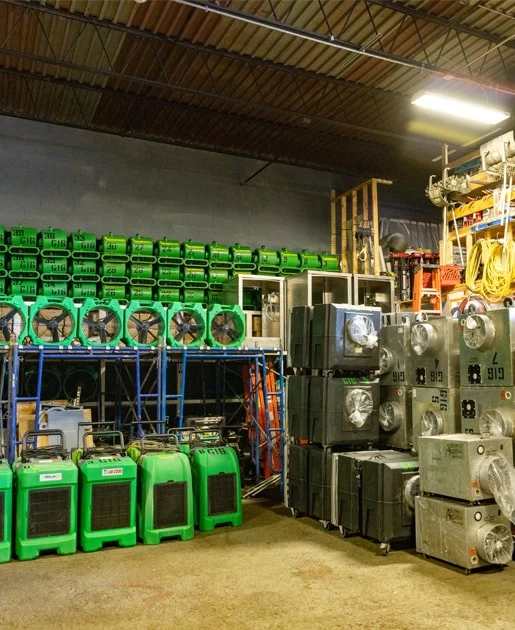
When we arrive, the goal is simple stop the clock. We extract the water, identify what’s contaminated, dry the structure completely using commercial-grade equipment, and document everything so your insurance claim has what it needs. You get your home back. You get your peace of mind back. And you don’t get a call six weeks later because someone missed moisture behind a wall.
Owner-Operated Since 2012. 5,000 Jobs Done. Zero Shortcuts.
We’ve been doing environmental restoration work across Long Island and New York City for over 12 years. We’re not a franchise. CEO Jessica Dussan and VP Leo Torres run this company directly, and our names show up in customer reviews because we’re personally involved in how jobs are handled not managing from a distance.
We hold NYS DOL Asbestos, NYS DOL Mold, USEPA Lead, and USEPA RRP certifications, plus General Contractor licenses across Suffolk County, Nassau County, and New York City. We’re also an approved emergency response contractor for the New York State Office of General Services independently vetted, not self-declared. For a community like Gilgo Beach, where homes include structures moved here by barge in 1939 and where the Town of Babylon’s own Hazard Mitigation Plan flags this area as high-risk, that licensing stack isn’t a formality. It’s what makes us qualified to actually finish the job.
We bill insurance companies directly, including NFIP flood policies. If you’re managing this from off-island, you don’t have to be here for us to get started.
What Actually Happens From First Call to Finished Job in Gilgo
The first thing we do when you call is assess the situation what type of water you’re dealing with, how long it’s been sitting, and what access looks like. In Gilgo, that last part matters more than it does almost anywhere else on Long Island. Ocean Parkway is the only road in and out of this community, and it closes during the same storms that flood homes here. We account for that from the first conversation. If access is restricted, we’re staged and ready to move the moment the road reopens not calling you back the next morning to schedule a visit.
Once we’re on-site, we categorize the water first. Given that every home in Gilgo Beach and West Gilgo Beach relies on individual septic systems, any flooding event involving groundwater intrusion has to be treated as Category 3 contamination until we can confirm otherwise. That determination changes the equipment we use, the PPE our crew wears, and how we handle and dispose of extracted material. We use thermal imaging cameras and moisture meters not just visual inspection to find water that’s migrated into wall cavities, under flooring, and into structural framing.
From there, we set up industrial air movers and dehumidifiers, remove any unsalvageable materials, apply antimicrobial treatment, and monitor moisture levels until the structure reads dry. If the job involves asbestos tile or lead paint which is a documented reality in older Gilgo Beach homes we handle that under our NYS DOL Asbestos and USEPA Lead certifications, in the same scope of work. When reconstruction is needed, our Suffolk County General Contractor license means we can take it all the way through no hand-off to a second contractor, no coordination gap.
Flooded Basement Cleaning, Gilgo Beach Suffolk County
Built for Barrier Island Homes, Not Mainland Assumptions
A flooded basement cleanup in Gilgo Beach is not the same job as one in Bay Shore or West Islip. The homes here are different, the infrastructure is different, and the regulatory environment is different. Gilgo Beach is designated a New York State Coastal Erosion Hazard Area, and homes in the Town of Babylon’s wave action zone which includes properties along this stretch of Jones Beach Island are subject to specific elevation and construction requirements under New York State Building Code. Any reconstruction after flood damage may also require permits from the NYS Department of Environmental Conservation. We know these requirements and work within them. You won’t finish the cleanup only to find out the rebuild needs to be redone because someone didn’t know the coastal rules.
What’s included in our Gilgo Beach flooded basement cleanup: emergency water extraction, water categorization and hazmat handling where required, thermal imaging and moisture mapping, structural drying with commercial-grade equipment, antimicrobial treatment, removal of unsalvageable materials, mold prevention, and detailed insurance documentation. If pre-war building materials like asbestos tile or lead paint are disturbed during the process, we handle abatement in-scope under our environmental certifications no separate contractor, no project delays waiting on a handoff.
For Gilgo’s second-home owners who aren’t on-site when flooding happens, we provide direct communication throughout the job and bill your insurance company directly. Approximately 61% of homes in the outer beach communities of Babylon carry flood insurance if you’re in that group, we know how to document your loss in a way that supports the claim, not just the cleanup.
Does flooding in a Gilgo Beach home automatically mean Category 3 contamination?
Not automatically, but in most significant flooding events in Gilgo, the answer is yes and here’s why. Every home in Gilgo Beach and West Gilgo Beach runs on an individual septic tank or cesspool. There’s no municipal sewer connection anywhere in this community. When storm surge, bay water, or groundwater intrusion enters a home with an overwhelmed or compromised septic system, the water in your basement contains pathogens. Under IICRC S500 industry standards, that qualifies as Category 3 what’s commonly called blackwater and it requires hazmat-level handling, not just extraction and drying.
This isn’t an edge case in Gilgo. It’s the expected scenario in any meaningful flooding event given the infrastructure here. A contractor who doesn’t account for this from the start who treats your flooded basement like a clean water extraction job is not equipped to handle it safely or legally. We categorize the water first, before anything else, and our crew is licensed and equipped for Category 3 losses.
How quickly can we reach Gilgo Beach after a flooding emergency?
We operate 24/7, and we understand the access situation in Gilgo better than most contractors who serve this area. Ocean Parkway is the only road through this community, and it closes during the same coastal storms that generate the most flooding calls. That’s not a problem we can solve but it is one we plan around. When you call us during an active storm event, we’re assessing road conditions in real time and staging to deploy the moment Ocean Parkway reopens. We don’t wait for business hours to figure out logistics.
For calls during periods when the road is open, our response from our Long Island service base via the Wantagh State Parkway or Robert Moses Causeway is as fast as the route allows. The key difference is that we’ve already thought through the access challenge we’re not calling you back the next morning to ask how to get there.
My Gilgo Beach home is older could there be asbestos in the basement materials?
Yes, and it’s not a hypothetical. The original homes in West Gilgo Beach were physically moved here by barge in 1939, and the broader Gilgo Beach housing stock includes structures that have been modified, winterized, and expanded over the better part of a century. An actual review from a Gilgo Beach cleanup job posted publicly specifically describes the removal of asbestos tile floors and ceiling materials from a basement in this community. This is a documented, real service need here, not a generic warning.
When a flooding event disturbs flooring, ceiling tiles, or wall materials in a home this old, there’s a real possibility of asbestos or lead paint involvement. We hold NYS DOL Asbestos certification and USEPA Lead and RRP certifications. If we find regulated materials during a flood cleanup, we don’t stop work and tell you to find someone else. We handle abatement in-scope, under our own licenses, and keep the project moving.
What does flooded basement cleanup typically cost in Gilgo, NY?
For a small to mid-sized basement with clean or gray water, professional cleanup typically runs between $2,000 and $8,000, with most jobs landing around $5,000. In Gilgo, the realistic cost often runs toward the higher end of that range and there are a few reasons specific to this community. The Category 3 contamination risk from septic system involvement adds scope. Older homes with asbestos or lead materials add licensed abatement costs. The barrier island location adds logistics. And if mold has already started which can happen within 48 hours in a sealed coastal home remediation adds another $2,000 to $8,000 on top of the baseline cleanup.
The good news is that many of these costs are covered, at least in part, by homeowners insurance, NFIP flood insurance, or both. We bill insurance companies directly and provide the line-item documentation adjusters need to process the claim. We’ll be upfront about scope and cost before we start no surprises mid-job.
Can I clean up a flooded basement in Gilgo Beach myself?
For a small, clean water event a burst pipe, a minor appliance leak DIY cleanup is possible if you act fast and have the right equipment. But in Gilgo Beach, most flooding events don’t fit that description. Storm surge, bay flooding, and groundwater intrusion in a community with no municipal sewer connection almost always involve contaminated water. Cleaning that up without proper PPE, containment, and licensed disposal isn’t just ineffective it’s a health risk.
Beyond the contamination issue, DIY cleanup rarely gets the structure fully dry. Consumer-grade fans and dehumidifiers don’t have the capacity to pull moisture out of wall cavities, subfloors, and framing. Moisture left behind in those areas leads to mold growth that you won’t see until it’s a much bigger problem. In a home that may sit closed between seasonal visits, that hidden mold can develop for weeks before anyone notices. Professional drying with commercial-grade equipment and moisture monitoring is the only way to know the job is actually done.
Does homeowners insurance cover flooded basement cleanup in Gilgo Beach, NY?
It depends on the source of the water, and this is where it gets genuinely complicated for Gilgo homeowners. Standard homeowners insurance typically covers sudden, accidental water damage a burst pipe, a failed appliance, sudden roof failure during a storm. It does not cover flooding from storm surge, rising bay water, or ocean overwash. For that, you need a separate NFIP flood insurance policy through FEMA, and many homes in Gilgo carry both.
The interaction between the two policies what each one covers, in what sequence, and what documentation each requires is something most homeowners don’t fully understand until they’re in the middle of a claim. About 61% of homes in the outer beach communities of Babylon carry flood insurance, which means a meaningful share don’t. If you’re unsure what your coverage includes, that’s something we can help you work through. We bill insurance companies directly, document losses in the format adjusters require, and have experience navigating dual-policy claims in coastal Suffolk County communities exactly like Gilgo Beach.