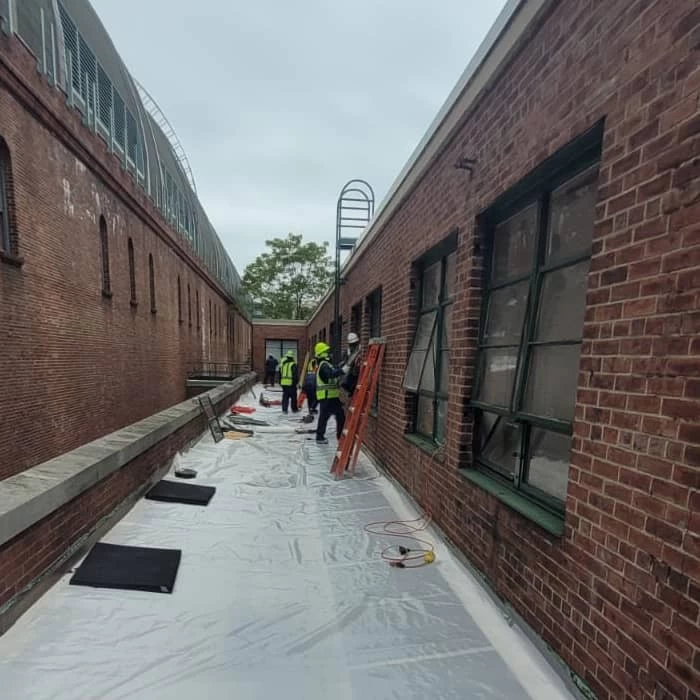
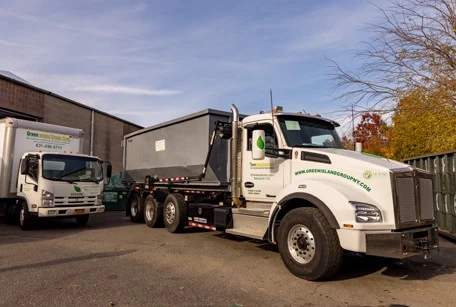
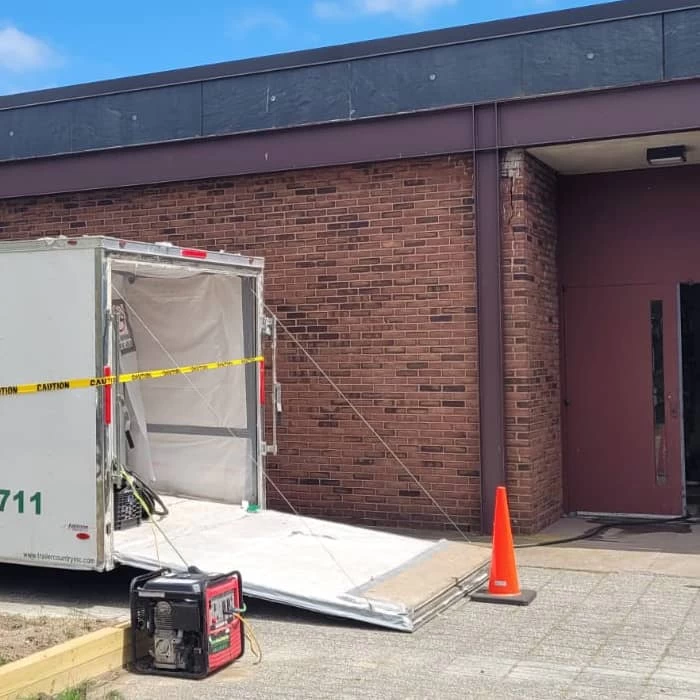
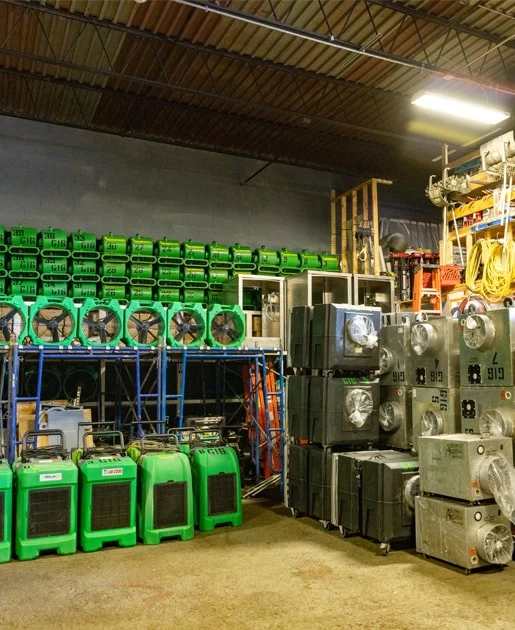
I needed a professional consultation explanation of procedure for safe removal of Asbestos in my apartment complex. Without having an account yet, I was very impressed with the caring, knowledgeable and generous advice offered by Jessica, and will look forward to doing business in the future. Thank you so much! I feel much more informed about a sometimes scary endeavor. Peace. Nancy Silva Mineola, NY.
Mia Munoz
Used this company to clean up some water flood in my house. They were fast and easy to work with.very professional, Would recommend to anyone!
Nini Valle
Great company, had a flood and they responded quickly and efficiently. Billed my insurance company directly. I highly recommend this company!
joe colapietro, jr
I had pipe freeze in my basement right before a snow storm and they made to within an hour to help start the clean up process. They we by our side throughout the entire process and even helped with the insurance company. They did such a great job with the cleanup, repair, remidiation, I contracted them to perform the repairs and finishes in the basement. They came with enough manpower and material to get the job done. Leo and Jessica were nothing but a pleasure to deal with!!
Cristian Arredondo c
I had some water damage in my home and Green Island was able to take care of my issue quickly and effectively. I am very pleased with the work they did. They responded quickly and were very professional.
Michael M
Outstanding service! From the office to the field crew everyone was friendly, helpful and responsive. I highly recommend Green Island Group.
A Dry Basement Isn't Enough Here's What You Actually Need
If your basement flooded in Glendale, there’s a good chance the water coming up through your drain wasn’t just rainwater. The neighborhood sits in a natural basin built on what used to be called Fresh Pond and when storms hit, stormwater and sewage back up through the same pipes into the same basements. The combined sewer system works this way, and it’s why residents on 77th Avenue have been barricading their driveways before rainstorms for decades.
What that means for your cleanup is straightforward: the water has to be treated as contaminated, the affected materials have to be removed properly, and everything that absorbed moisture walls, framing, flooring has to be dried completely before anything gets rebuilt. Skipping any of those steps doesn’t save money. It just delays the mold bill.
The outcome you’re after isn’t just a dry floor. It’s a basement that’s been properly decontaminated, dried to industry-standard moisture levels, cleared for mold, and restored so it’s actually usable again. That’s the full job. That’s what we do, from the first call to the final walkthrough.
We’ve been handling environmental remediation and restoration in the New York market for over 30 combined years. We’re not a franchise. We’re not a storm-chaser who showed up after Ida hit Queens in 2021 and disappeared six months later. We’re a fully licensed, fully operational team available 24 hours a day, seven days a week including during the storms that cause the flooding in Glendale and surrounding neighborhoods.
What sets us apart in a neighborhood like Glendale isn’t just response time. It’s the credential stack. We hold the NYS DOL Mold License, NYS DOL Asbestos License, USEPA Lead and RRP Certifications, IICRC Water Damage Certification, and NYC General Contractor License more than 17 active credentials in total. In Glendale, where nearly 60% of homes were built before 1940, that matters. Pre-war rowhouses in this area often have asbestos pipe insulation and lead-based materials that legally cannot be touched by an unlicensed contractor.
When your basement floods on a Tuesday night in the middle of a storm, you need one company that can handle everything legally, completely, and without handing you off to three different subcontractors.
From Standing Water to Finished Basement Here's the Real Sequence
The first thing that happens when we arrive is an assessment not just of what’s visible, but of what the water source actually was. In Glendale, that distinction matters more than in most places. If your basement flooded from a sewer backup, the remediation protocol is categorically different from a burst pipe. We identify the contamination level, document everything for your insurance claim, and then begin water extraction using commercial-grade equipment.
Once the water is out, the work that most homeowners don’t see begins. We use thermal imaging to locate moisture inside wall cavities, under flooring, and behind finishes the kind of hidden saturation that dries on the surface but stays wet inside and becomes mold within 48 hours. In Glendale’s pre-war homes, water travels fast through aged plaster and lath construction. Standard visual inspection misses it. The thermal scan doesn’t.
If the assessment turns up asbestos-containing materials which is a real possibility in any Glendale home built before 1970 we handle that under our NYS DOL Asbestos License before any demolition or reconstruction begins. NYC Department of Buildings requires an asbestos assessment before permits are issued for renovation work in pre-1987 buildings. That step is built into our process, not added as an afterthought. From there, structural drying, mold prevention treatment, and full reconstruction bring the basement back to where it was or better.
Basement Flooding Remediation Services in Glendale, NY
What's Actually Included When You Call Us
Our scope goes well beyond water removal. We cover emergency water extraction, contamination classification and documentation, thermal imaging moisture detection, structural drying, mold prevention treatment, hazardous material assessment and abatement where required, content evaluation, and complete basement reconstruction. It’s a single-company, start-to-finish process which matters when you’re filing an insurance claim and need consistent documentation from one source, not a patchwork of receipts from multiple contractors.
For Glendale homeowners dealing with sewer backup flooding the most common flood type in this neighborhood we handle black water remediation in full compliance with NYC DEP regulations. That includes proper containment, licensed disposal, and decontamination of all affected surfaces. This is not optional work. Sewer-contaminated water carries bacteria and pathogens that require licensed handling. Companies that skip this step aren’t saving you money they’re leaving a health hazard behind and exposing you to liability.
We also work directly with your insurance company. We handle billing, communicate with adjusters, and document the damage in the format insurers require. If your policy includes a sewer backup rider, we know how to support that claim. If it doesn’t, we can help you understand what’s actually covered so you’re not caught off guard. For homeowners along the 77th Avenue corridor or anywhere in the 11385 ZIP code dealing with recurring flood damage, that insurance clarity alone is worth the call.
Is the water in my flooded Glendale basement actually safe to walk through?
In most cases in Glendale, no and the reason is specific to how this neighborhood drains. The combined sewer system that serves this area carries both stormwater and sewage in the same pipes. When heavy rain overwhelms the system which happens at roughly 1.5 inches per hour, a threshold modern storms regularly exceed sewage backs up through basement floor drains along with the rainwater. That makes the water in your basement a Category 3 contamination risk, which the industry classifies as black water. It contains bacteria and pathogens that can cause serious illness through skin contact, inhalation, or accidental ingestion.
Until a licensed remediation team has assessed and classified the water in your specific basement, you should limit contact with it as much as possible. Avoid using wet-dry vacuums without proper protective equipment, and don’t assume the water is clean just because it doesn’t look unusual. The contamination isn’t always visible. If you have any doubt about the water source, treat it as contaminated and call a licensed professional before doing anything else.
How quickly does mold start growing after a basement flood in Glendale?
Mold can begin developing within 24 to 48 hours of a flood event and in Glendale’s pre-war housing stock, it spreads faster than most homeowners expect. The aged plaster walls, wood framing, and lath construction in homes built in the 1930s and earlier absorb water quickly and hold it deep inside wall cavities where air circulation is limited. Surface drying gives you a false sense of progress. The wall can feel dry to the touch while the interior is still saturated and actively growing mold.
Waiting longer than 72 hours to begin professional remediation typically adds $2,000 to $8,000 to the total cost of the job and that’s before accounting for any structural damage that develops during the delay. The math is straightforward: the faster you start, the less the total job costs. We respond 24 hours a day, seven days a week, including during active storm events because waiting until the rain stops is often the most expensive decision a homeowner can make.
Does homeowners insurance cover basement flooding from a sewer backup in Glendale?
This is one of the most common and most painful surprises homeowners in Glendale face after a flood. Standard homeowners insurance policies typically do not cover sewer backup flooding unless you’ve added a specific sewer backup endorsement or rider to your policy. Since the majority of basement flooding in this neighborhood is caused by the combined sewer system backing up during heavy rain not by a burst pipe or appliance failure many homeowners file a claim only to find out their base policy doesn’t apply.
That said, coverage situations vary. Some policies include limited water damage coverage that may apply depending on how the flood entered the home and what the adjuster documents. We handle direct insurance billing and communicate with adjusters on your behalf, which means we know how to document the damage in a way that supports your claim and gives you the best possible outcome. Before you assume you’re not covered, let someone who deals with these claims regularly review your situation. The answer isn’t always as simple as the policy language suggests.
Should I be worried about asbestos in my Glendale basement after a flood?
If your home was built before 1970 which covers the majority of Glendale’s housing stock, given the neighborhood’s median construction year of 1938 asbestos is a legitimate concern, not an overreaction. In New York City, asbestos was commonly used in pipe insulation, floor tiles, ceiling materials, and wall compounds in buildings constructed through the late 1960s. When a basement floods and water contacts those materials, or when cleanup work disturbs them, asbestos fibers can become airborne.
New York City Department of Buildings rules require an asbestos assessment before permits are issued for any renovation work in buildings constructed before 1987. This means that any legitimate contractor doing demolition or reconstruction work in your basement after a flood is legally required to address this before touching a wall. We hold the NYS DOL Asbestos License and handle this assessment and abatement in-house no subcontractors, no delays, no gaps in the chain of custody. If asbestos is found, it gets handled properly before anything else moves forward.
Why does my basement flood every time it rains heavily on 77th Avenue?
The short answer is geography and infrastructure. Glendale was built on a former swamp the area was literally called Fresh Pond before development and the neighborhood sits in a natural low-lying basin. When it rains, stormwater from Forest Park’s elevated terrain and the surrounding higher ground flows downhill directly into the residential streets below. The combined sewer system was designed for early 20th-century rainfall volumes and simply can’t keep up with the intensity of modern storm events.
Community Board 5 has formally recognized this problem, voting to make the 77th Avenue sewer upgrade its number one capital budget priority for fiscal year 2024-25. That’s a meaningful acknowledgment but infrastructure projects take years. In the meantime, the flooding continues. If you’re on one of the affected streets and this has happened before, the most practical thing you can do is work with a remediation company that understands the recurring nature of the problem and can help you document each event properly for insurance purposes, assess your basement’s ongoing vulnerability, and make sure previous flood damage isn’t compounding the current one.
How long does flooded basement cleanup actually take from start to finish in Glendale?
The honest answer is that it depends on three things: how much water entered the basement, what category of contamination you’re dealing with, and whether hazardous materials are present. For a straightforward water intrusion with no sewage contamination and no asbestos or lead concerns, water extraction and initial drying can be completed within one to two days, with full structural drying taking three to five days depending on conditions.
For the more common Glendale scenario sewer backup flooding in a pre-war home the timeline extends. Contamination classification, black water remediation, hazardous material assessment, and structural drying all have to happen in sequence before reconstruction begins. A realistic timeline for a mid-sized basement with sewage contamination and standard pre-war construction is one to two weeks for remediation, followed by reconstruction time that varies based on the scope of damage. We manage the entire timeline under one roof, which eliminates the scheduling gaps that happen when you’re coordinating multiple contractors. You get a single point of contact, a single insurance claim, and a clear picture of where the job stands at every stage.