When Hamilton Heights' Sewers Back Up, the Water Isn't Clean
Most basement floods in Hamilton Grange aren’t water damage they’re sewage contamination events. We handle flooded basement cleanup the right way, with every license required to do it safely in a pre-war Manhattan building.
I needed a professional consultation explanation of procedure for safe removal of Asbestos in my apartment complex. Without having an account yet, I was very impressed with the caring, knowledgeable and generous advice offered by Jessica, and will look forward to doing business in the future. Thank you so much! I feel much more informed about a sometimes scary endeavor. Peace. Nancy Silva Mineola, NY.
Mia Munoz
Used this company to clean up some water flood in my house. They were fast and easy to work with.very professional, Would recommend to anyone!
Nini Valle
Great company, had a flood and they responded quickly and efficiently. Billed my insurance company directly. I highly recommend this company!
joe colapietro, jr
I had pipe freeze in my basement right before a snow storm and they made to within an hour to help start the clean up process. They we by our side throughout the entire process and even helped with the insurance company. They did such a great job with the cleanup, repair, remidiation, I contracted them to perform the repairs and finishes in the basement. They came with enough manpower and material to get the job done. Leo and Jessica were nothing but a pleasure to deal with!!
Cristian Arredondo c
I had some water damage in my home and Green Island was able to take care of my issue quickly and effectively. I am very pleased with the work they did. They responded quickly and were very professional.
Michael M
Outstanding service! From the office to the field crew everyone was friendly, helpful and responsive. I highly recommend Green Island Group.
When your basement floods in Hamilton Heights, the clock starts immediately. Mold can begin growing on wet building materials within 24 to 48 hours and in a brownstone or pre-war apartment building with original wood framing and plaster walls, it doesn’t need long to take hold. The difference between a cleanup that holds and one that leaves you with a mold problem three months later comes down to whether the moisture was actually eliminated or just hidden.
There’s also the contamination question, and in Hamilton Grange, it’s not a small one. This neighborhood sits on New York City’s combined sewer system, which means when a heavy rainstorm overwhelms the pipes the way Hurricane Ida did in September 2021, dropping more than three inches in a single hour what backs up into your basement floor drain is not stormwater. It’s a mixture of stormwater and raw sewage. That’s a Category 3 contamination event. It requires a different level of cleanup than a burst pipe, and it requires licensed professionals who know exactly how to handle it.
The other thing that changes when the job is done correctly is what you’re not dealing with afterward. No lingering odor. No surprise mold growth behind the wall six weeks later. No asbestos exposure because someone started tearing out wet floor tiles without testing them first. For the pre-war buildings that define Hamilton Grange most of them built between the 1880s and 1940s that last point matters more than most people realize until it’s too late.
Licensed Basement Flooding Remediation in Hamilton Grange
One Company Holds Every License Your Building Actually Needs
We’re an environmental restoration contractor serving New York City’s five boroughs, with an established presence specifically in Hamilton Grange and the surrounding Upper Manhattan neighborhoods. We’re not a national franchise dispatching a crew from a distant depot. We know the building stock in Hamilton Grange, we understand the combined sewer dynamics that drive most basement flooding in this neighborhood, and we’ve been inside these buildings before.
What sets us apart in a neighborhood like Hamilton Heights isn’t just experience it’s licensing. We hold active New York State Department of Labor licenses for water damage restoration, mold remediation, mold assessment, asbestos abatement, and lead abatement. In a neighborhood where virtually every building in Hamilton Grange predates the 1978 lead paint and 1980 asbestos thresholds, that combination of licenses isn’t a bonus. It’s the only way to legally and safely complete the job. Most water damage companies don’t hold all of these. When they encounter regulated materials and in Hamilton Grange, they will they stop work and refer out. We don’t.
With over 5,000 completed jobs across the New York metro area, we’ve handled the full range of what a flooded basement in a pre-war Manhattan building can present. From Sugar Hill brownstones to multi-unit buildings near City College, we know what we’re walking into.
Flooded Basement Cleaning Process in Hamilton Grange
From Sewage Backup to Cleared and Documented Here's the Process
The first thing that happens when we arrive is an assessment not just of how much water is present, but of what kind. In Hamilton Grange, where the combined sewer system makes Category 3 contamination the most common flooding scenario, that distinction shapes everything that follows. Our crew identifies the water source, classifies the contamination level, and documents the conditions thoroughly from the moment we walk in. That documentation matters for your insurance claim, and it matters if an HPD inspector or housing court ever asks questions later.
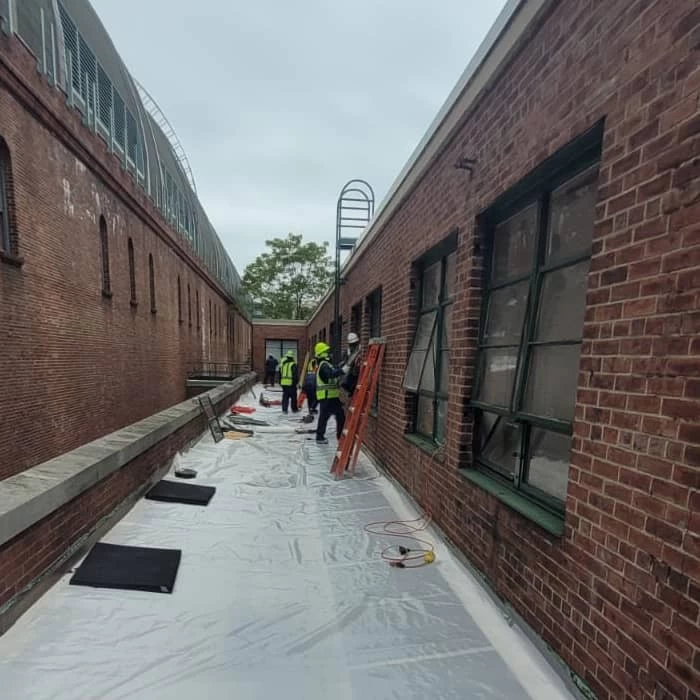
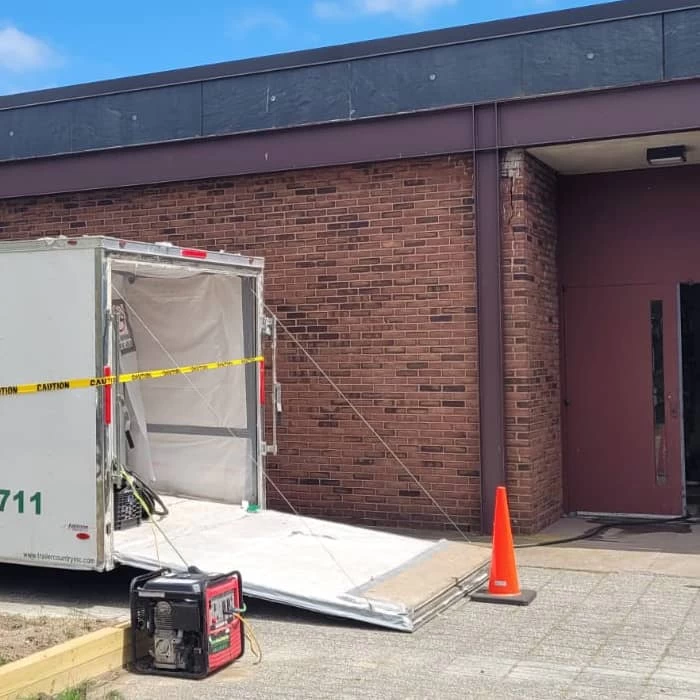
From there, the water is extracted and the drying process begins but not before any potential hazardous materials are addressed. In a pre-war building, that means checking for asbestos-containing floor tiles, pipe insulation, or ceiling materials before anything gets disturbed. If regulated materials are present, our licensed abatement team handles containment and removal on the spot. There’s no stopping work to find a separate contractor. The process continues without interruption.
Once the space is dry confirmed by moisture readings, not guesswork any mold remediation that’s needed is handled under our NYS DOL mold remediation license. The job closes with post-remediation air quality testing and written clearance documentation that you keep. That clearance report is yours: for your insurer, for your tenants, for any future buyer or inspector who asks to see proof the job was done correctly. In a city like New York, that paper trail is worth having.
Basement Water Damage Restoration in Hamilton Grange, NY
Built for the Buildings and the Basement Risks That Define Hamilton Grange
What we deliver in Hamilton Grange isn’t a one-size-fits-all water extraction service. It’s a full-scope remediation process designed specifically for the kind of buildings and the kind of flooding that define this neighborhood. That means Category 3 sewage contamination cleanup with proper containment and antimicrobial treatment. It means asbestos testing and abatement under active NYS DOL licensure before any wet materials are disturbed. It means lead paint containment in compliance with NYC Local Law 1 obligations that apply to virtually every pre-1960 building in Hamilton Grange. And it means mold remediation assessed and performed by licensed professionals if the moisture has been present long enough to allow colonization.
We also handle the insurance process directly. We bill carriers, manage adjuster communication, and create the documentation that supports a complete claim. For Hamilton Grange building owners and small landlords managing rental units a common ownership profile in this neighborhood that means one less thing to coordinate during an already stressful situation.
The job ends with written clearance documentation: moisture verification at confirmed drying goals and post-remediation air quality testing results. Not a verbal confirmation that it looks fine. Actual numbers, on paper, that prove the space is safe. For landlords with tenants, for building owners with upcoming inspections, and for anyone who’s ever dealt with a contractor who disappeared before the job was truly finished that documentation is the difference.
Is the water in my Hamilton Grange basement safe to clean up myself after a flood?
In most cases, no and the reason is specific to how this neighborhood floods. Hamilton Grange is served by New York City’s combined sewer system, which carries both stormwater and raw sewage in the same pipes. When heavy rain overwhelms the system which happens with increasing frequency, as Hurricane Ida demonstrated in September 2021 sewage backs up into building basements through floor drains, toilets, and sewer laterals. That water is classified as Category 3 (black water) under industry standards, meaning it contains pathogens, bacteria, and biological hazards that pose a genuine health risk.
Cleaning up Category 3 water yourself with a shop vac and bleach doesn’t eliminate the contamination it spreads it. Proper remediation requires containment, licensed professionals with appropriate protective equipment, antimicrobial treatment of all affected surfaces, and removal of porous materials that absorbed the contaminated water. If you have children, elderly residents, or anyone immunocompromised in the household, the risk of inadequate cleanup is not abstract. It’s a real health exposure that can persist long after the water is visibly gone.
How quickly does mold start growing after a basement floods in an older Hamilton Grange building?
The EPA’s guidance is that mold can begin growing on wet building materials within 24 to 48 hours. After 72 hours, colonization accelerates significantly, and materials that could have been dried in place may now need to be removed entirely. In Hamilton Grange’s pre-war buildings with original wood framing, plaster walls, and decades of accumulated organic material in basement spaces the conditions for rapid mold growth are about as favorable as they get. These buildings weren’t built with modern moisture barriers or synthetic materials that resist mold. They were built with the kind of organic substrates that mold thrives on.
The practical consequence is that response time matters more than most people realize in the moment. A flooded basement that isn’t addressed within the first day isn’t just a water damage problem it’s a developing mold remediation problem that will cost more, take longer, and require more invasive work to resolve. Our 24/7 emergency response exists specifically because every hour inside that 48-hour window is worth protecting.
My Hamilton Grange brownstone has old pipes and floor tiles does that affect the cleanup process?
Yes, and it’s one of the most important things to understand before any cleanup work begins in a Hamilton Grange building. The brownstones, limestone rowhouses, and pre-war apartment buildings that define this neighborhood were built primarily between the 1880s and 1940s well before the federal phase-outs of asbestos-containing materials in the late 1970s and lead paint in 1978. That means the 9×9 inch vinyl floor tiles common in pre-war basements, the pipe insulation on steam heating systems, and the original plaster and ceiling materials in utility areas may all contain asbestos. The walls, framing, and pipe coatings may contain lead paint.
When a basement floods, these materials are disturbed. Floor tiles loosen and crack. Pipe insulation absorbs water and begins to degrade. Any contractor who starts tearing out wet materials without first testing and properly containing them is creating a regulated hazardous materials situation one that is both a health hazard and a violation of New York State law. We hold active NYS DOL licenses for asbestos abatement and lead abatement, which means we can legally test, contain, and remove these materials as part of the cleanup. Most water damage companies cannot, and when they encounter them, they stop work entirely.
Will my insurance cover flooded basement cleanup from a sewer backup in New York City?
It depends on your policy, and the answer is often more complicated than people expect. Standard homeowner’s or renter’s insurance typically covers water damage from sudden internal events a burst pipe, for example but excludes flooding from sewer backup unless you have a specific sewer backup endorsement or rider added to your policy. Separate flood insurance through the National Flood Insurance Program (NFIP) or a private carrier covers flooding from external water sources but has its own documentation requirements and adjuster process.
The good news is that we handle the insurance process directly. We bill carriers, manage adjuster communication, and build the documentation record from the moment our crew arrives moisture readings, scope of damage, photographic evidence, and post-remediation clearance testing. We know what NYC-area insurance carriers need to process a claim, and we know how to present the scope of work in a way that supports the most complete outcome possible. For Hamilton Grange building owners managing multiple units and potentially multiple policies, that direct billing and documentation capability removes a significant layer of complexity from an already stressful situation.
As a landlord in Hamilton Grange, what are my legal obligations after a basement flood affects tenants?
New York City tenant protection law is specific and enforceable, and a flooded or mold-affected unit creates real legal exposure for building owners who don’t respond promptly. Tenants in affected units have the right to file complaints with the NYC Department of Housing Preservation and Development (HPD), pursue rent reduction proceedings, and in certain circumstances, withhold rent if habitability conditions aren’t restored. The timeline matters a slow response doesn’t just increase the physical damage, it increases the legal risk.
What protects you as a landlord isn’t just speed it’s documentation. An HPD inspector or housing court proceeding will want to see that the remediation was done by licensed professionals, that the scope was appropriate for the type of contamination, and that post-remediation clearance testing confirmed the space was safe before tenants returned. Our process creates exactly that paper trail: scope documentation, moisture verification, and written air quality clearance at the end of the job. If your building is near City College or in one of Hamilton Grange’s denser residential blocks where tenant complaints move quickly, having that documentation ready is not optional it’s your protection.
How long does professional flooded basement cleanup typically take in a Hamilton Grange building?
The honest answer is that it depends on what the assessment finds, and in Hamilton Grange’s pre-war building stock, the range is wider than it would be in a newer construction. A straightforward Category 1 clean water event a burst pipe with no contamination and no hazardous materials can be dried and cleared in three to five days with proper equipment. A Category 3 sewage backup event in a pre-war brownstone that also involves asbestos-containing floor tiles and early-stage mold growth is a different job entirely, and trying to rush it creates problems that are worse than the original flooding.
The structural drying phase alone typically takes three to five days for a standard basement space, but that clock doesn’t start until the water is extracted, contaminated materials are removed, and any regulated materials are properly handled. Post-remediation air quality testing adds time at the end, but it’s also what gives you the written clearance that proves the job is finished. We’ll give you an honest timeline assessment after the initial walkthrough based on what we actually find, not what sounds fast. In a neighborhood where most buildings have at least some combination of the factors that extend the process, that upfront honesty about scope and timing is worth more than a number pulled from thin air.