When the Canal Backs Up, Your Basement Pays the Price
Hewlett Harbor floods. It always has. When it does, you have about 72 hours before water damage becomes a mold problem — and we’re available around the clock to make sure that clock doesn’t run out on you.
I needed a professional consultation explanation of procedure for safe removal of Asbestos in my apartment complex. Without having an account yet, I was very impressed with the caring, knowledgeable and generous advice offered by Jessica, and will look forward to doing business in the future. Thank you so much! I feel much more informed about a sometimes scary endeavor. Peace. Nancy Silva Mineola, NY.
Mia Munoz
Used this company to clean up some water flood in my house. They were fast and easy to work with.very professional, Would recommend to anyone!
Nini Valle
Great company, had a flood and they responded quickly and efficiently. Billed my insurance company directly. I highly recommend this company!
joe colapietro, jr
I had pipe freeze in my basement right before a snow storm and they made to within an hour to help start the clean up process. They we by our side throughout the entire process and even helped with the insurance company. They did such a great job with the cleanup, repair, remidiation, I contracted them to perform the repairs and finishes in the basement. They came with enough manpower and material to get the job done. Leo and Jessica were nothing but a pleasure to deal with!!
Cristian Arredondo c
I had some water damage in my home and Green Island was able to take care of my issue quickly and effectively. I am very pleased with the work they did. They responded quickly and were very professional.
Michael M
Outstanding service! From the office to the field crew everyone was friendly, helpful and responsive. I highly recommend Green Island Group.
When water gets into your basement, the damage you can see is only part of the problem. Moisture moves into wall cavities, insulation, and framing — and if it isn’t pulled out completely, mold follows. In a finished Hewlett Harbor basement, that means damaged flooring, ruined drywall, and a remediation project that costs significantly more than the original cleanup would have.
Hewlett Harbor’s geography makes this risk real in a way it simply isn’t in most other Nassau County communities. Your home sits near tidal waterways — the Auerbach Canal, Mallow Reach, Hewlett Bay — and the ground underneath it has a naturally high water table. During a heavy nor’easter or a tropical storm, you’re not just dealing with rain coming down. You’re dealing with water pushing up through the slab and seeping through foundation walls at the same time. That combination overwhelms sump pumps. It overwhelms standard drainage. And it gets into places that look fine on the surface but aren’t.
The right cleanup doesn’t stop when the water is gone. It stops when the moisture readings confirm the space is actually dry — walls included. That’s what protects your home, your air quality, and the investment you’ve made in a property worth well over a million dollars.
Licensed Basement Flooding Remediation Nassau County
Every License This Job Actually Requires
We hold the NYS Department of Labor Mold Contractor License — a credential that most restoration companies operating in New York simply don’t have. New York is one of the few states in the country that requires a dedicated state-issued mold license, and the law is clear: without it, a contractor cannot legally perform mold remediation on your property. We have it. Most competitors don’t.
Beyond mold, we hold the NYS DOL Asbestos License, USEPA Lead Abatement and RRP certifications, IICRC Water Damage certification, and General Contractor licenses for Nassau County, Suffolk County, and New York City. In a community like Hewlett Harbor — where many homes were built in the mid-20th century and may contain asbestos in floor tiles or pipe insulation — that full credential stack isn’t a bonus. It’s the difference between a cleanup that’s done right and one that creates a liability problem.
We serve Nassau County and the Five Towns as part of our core territory. This isn’t a franchise dispatching from a regional call center. We’re a licensed Nassau County contractor that knows Hewlett Harbor, knows these homes, and knows what South Shore flooding actually looks like.
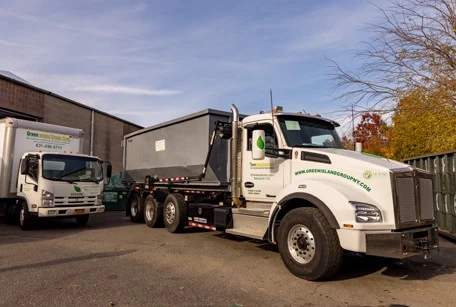
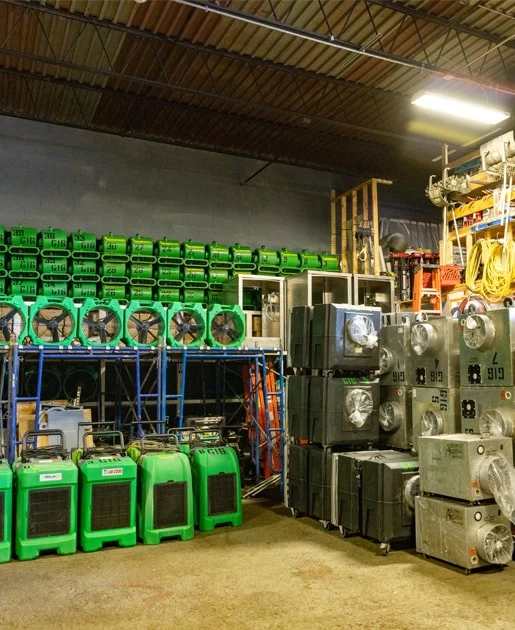
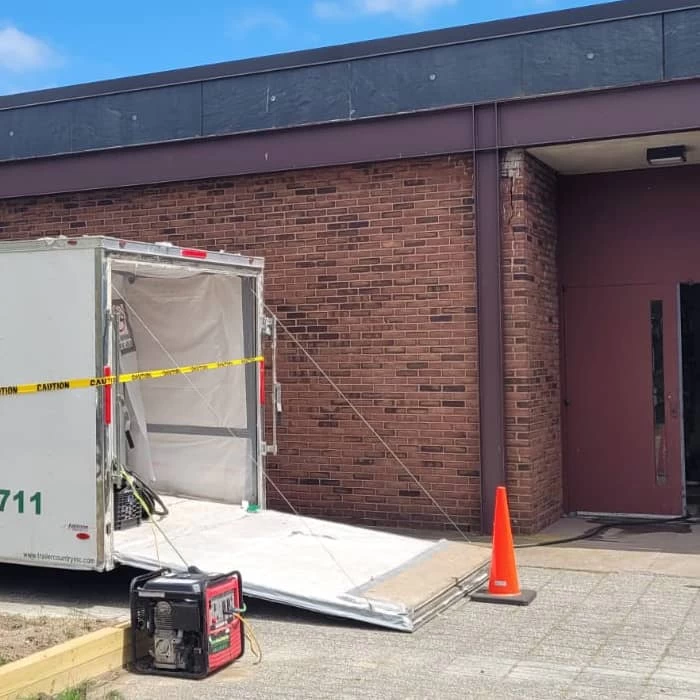
The first call triggers an emergency dispatch. We’re available 24 hours a day, seven days a week — because flooding in Hewlett Harbor doesn’t wait for a weekday morning. A crew arrives with industrial extraction equipment, moisture detection tools, and drying systems sized for the job. We don’t show up with residential gear and call it professional.
Once the standing water is removed, the real assessment begins. We use moisture meters and thermal imaging to map where water has traveled inside walls, under flooring, and into structural materials. In older Hewlett Harbor homes — especially those with finished basements — water hides in places that look and feel dry. We find it before it becomes a mold problem, not after.
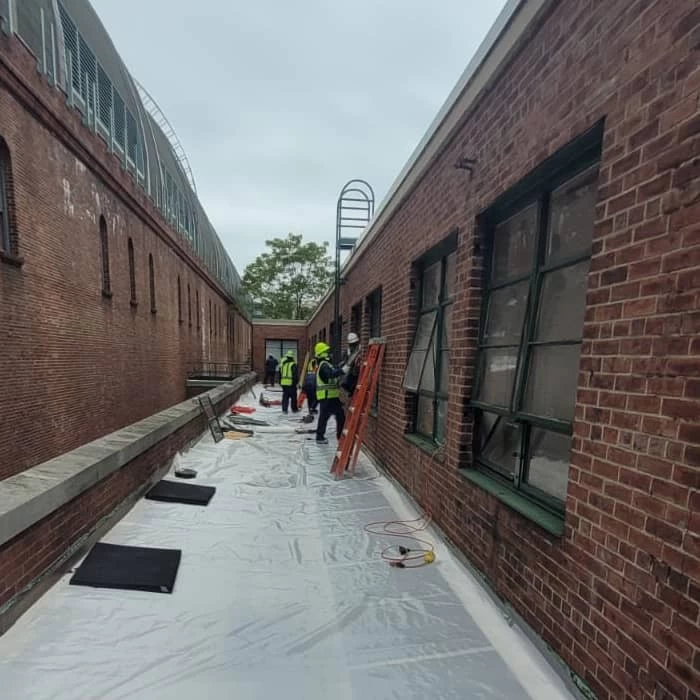
From there, we set industrial air movers and dehumidifiers and monitor the drying process until the readings confirm the space is fully dry. If the flood disturbed any materials that require regulated handling — asbestos floor tiles, lead paint on older trim — we assess and manage that under the same contract, using our NYS DOL Asbestos License and USEPA Lead certifications. No second contractor, no coordination gap, no delay. When the space is dry and cleared, we handle any reconstruction that’s needed — drywall, flooring, framing — under our Nassau County General Contractor license, pulling the appropriate permits so the work is done legally and correctly.
Not every flooded basement is the same job. A clean-water event from a burst pipe is a different situation than a tidal surge backing up through a floor drain during a nor’easter — and a finished basement in a $2 million Hewlett Harbor home requires a different level of care than an unfinished utility space. We approach every job based on what’s actually in front of us.
For Hewlett Harbor specifically, that means accounting for the tidal flooding dynamic that makes South Shore basements uniquely vulnerable. It means understanding that the Nassau County sanitary sewer network serves this entire village, and that during heavy rain events, sewage can back up through floor drains — a Category 3 biohazard that requires full decontamination protocols, not just drying equipment. It means knowing that homes built before 1978 in this area may contain asbestos or lead, and that disturbing those materials without the proper licenses isn’t just a code violation — it’s a health risk.
Every job includes water extraction, structural drying with moisture verification, mold risk assessment, and a full documentation package for your insurance claim. If hazardous materials are present, we handle them. If reconstruction is needed, we do that too. One company, one contract, start to finish — so you’re not managing three vendors while your basement sits wet.
Does homeowners insurance cover a flooded basement in Hewlett Harbor, NY?
It depends on the cause of the flooding. Standard homeowners insurance typically covers sudden, accidental water damage — a burst pipe, a failed water heater, an appliance that malfunctions. What it generally does not cover is natural flooding from storms, groundwater, or tidal surge. That type of damage falls under flood insurance, which is a separate policy issued through the National Flood Insurance Program or a private carrier.
This distinction matters a lot in Hewlett Harbor. Because the village sits adjacent to tidal waterways — the Auerbach Canal, Mallow Reach, Hewlett Bay — and because the ground has a naturally high water table, many flooding events here involve some combination of stormwater and groundwater that standard homeowners policies won’t touch. If you have both policies, the question becomes which one applies and how to document the claim correctly. We provide professional damage documentation and can work directly with your adjuster to make sure the cause of loss is clearly established and your claim is supported accurately.
How fast does mold actually grow after a basement floods on Long Island?
Mold can begin developing within 24 to 48 hours under the right conditions — and in a Hewlett Harbor basement, those conditions are often already present. Warm temperatures, high ambient humidity from the nearby waterways, and organic materials like drywall, wood framing, and carpet give mold exactly what it needs to establish itself quickly. The EPA recommends starting cleanup within 24 to 48 hours and completing the drying process within 72 hours to prevent mold growth from taking hold.
The problem is that mold doesn’t always start where you can see it. It begins inside wall cavities, behind baseboards, and under flooring — in the places where moisture lingers longest after the visible water is gone. A basement that looks and smells fine a week after a flood can have active mold growth inside the walls. That’s why moisture verification matters as much as water extraction. The job isn’t done when the floor is dry — it’s done when the readings confirm the entire space is dry.
What should I do first if my basement floods during a storm in Hewlett Harbor?
Don’t go into standing water if there’s any chance electrical systems are involved. Flooded basements with submerged outlets, water heaters, or electrical panels are a serious safety risk. If you’re unsure, stay out and call PSEG Long Island to shut off power to the affected area before anyone enters.
Once it’s safe to enter, document everything before you touch anything — photos and video of the water level, affected materials, and any visible damage. This documentation is critical for your insurance claim. Then call a licensed restoration contractor immediately. Every hour matters because of the mold window. Don’t run a shop vac and call it done — residential equipment doesn’t extract moisture from walls, insulation, or subfloor materials, and incomplete drying is how a manageable cleanup becomes a full mold remediation project. In Hewlett Harbor, where tidal flooding and high water table conditions can push moisture into your foundation from multiple directions at once, professional extraction and drying equipment is the only reliable way to confirm the space is actually dry.
Why does my Hewlett Harbor basement flood even when it hasn't rained that hard?
This is one of the most common questions from homeowners in Hewlett Harbor, and the answer usually comes down to one of two things: the water table or tidal influence. Hewlett Harbor sits on land that was partially reclaimed marshland, and the water table in this area rises significantly during wet seasons. When the water table gets high enough, it exerts hydrostatic pressure against your basement walls and floor slab — and water seeps in even without surface flooding or a direct storm event.
The tidal connection adds another layer. The Auerbach Canal and Mallow Reach are tidal waterways, which means water levels in and around the village rise and fall with the tides. During a combination of high tide and even moderate rainfall, the drainage system has nowhere to push water — it backs up. The village invested more than $3 million in stormwater infrastructure improvements after Hurricane Sandy, and those upgrades help water recede faster once conditions improve. But they didn’t eliminate the underlying vulnerability. If your basement floods regularly during heavy rains or high tides, the cause is almost certainly geographic — and the solution involves both proper drainage management and making sure your basement is protected against the specific pressure dynamics of this area.
Is sewage backup in a basement treated differently than regular water damage?
Yes — significantly differently. Water damage is classified into three categories based on contamination level. Clean water from a burst pipe is Category 1. Water from a dishwasher overflow or toilet tank is Category 2. Sewage backup is Category 3, also called black water, and it contains bacteria, pathogens, and contaminants that pose real health risks to anyone who comes into contact with the affected area.
Category 3 cleanup requires full decontamination — not just extraction and drying. Porous materials like drywall, carpet, and insulation that have been saturated with sewage typically cannot be saved and must be removed and disposed of properly. The space needs to be treated with appropriate antimicrobial agents, and anyone working in it needs proper protective equipment. This is relevant to Hewlett Harbor specifically because the entire village is served by Nassau County’s sanitary sewer network, and during heavy rain events, combined sewer systems can back up through floor drains into basements. If you’re seeing sewage in your basement after a storm, that is a biohazard event — not a standard water damage call. We’re trained and equipped for Category 3 response.
Do I need a licensed contractor for flooded basement cleanup in Nassau County, or can I handle it myself?
For a minor clean-water event — a small pipe drip, a contained appliance leak — you may be able to manage basic cleanup yourself if you act quickly and have the right equipment. But in most flooded basement situations, especially in Hewlett Harbor, DIY cleanup creates more risk than it eliminates.
Here’s the practical issue: residential fans and dehumidifiers don’t move enough air or remove enough moisture to dry wall cavities and subfloor materials within the 72-hour mold window. You can dry the surface and still have moisture trapped inside the structure. Beyond that, if your home was built before 1978 — which many Hewlett Harbor homes were — disturbing floor tiles, pipe insulation, or joint compound during cleanup can release asbestos fibers. That’s a regulated activity in New York State, and it requires a licensed contractor. Similarly, any mold remediation work in New York requires a NYS Department of Labor Mold Contractor License — a license that most general contractors and handymen don’t hold. For a home worth what Hewlett Harbor properties are worth, the cost of doing it right the first time is a fraction of what improper cleanup ends up costing when the mold shows up three months later.