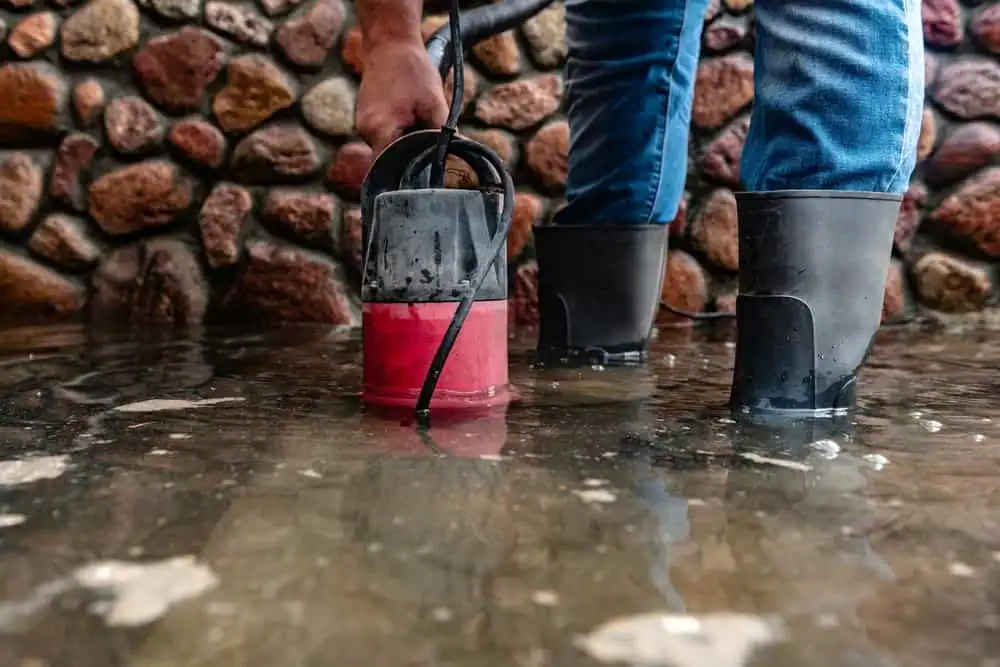
Flooded Basement Cleanup in Jefferson Valley-Yorktown, NY
When the Basement Floods in a Jefferson Valley-Yorktown Home, Every Hour Counts
We respond 24/7 to flooded basements across Jefferson Valley-Yorktown handling everything from water extraction to mold prevention in homes where the damage rarely stops at the surface.
I needed a professional consultation explanation of procedure for safe removal of Asbestos in my apartment complex. Without having an account yet, I was very impressed with the caring, knowledgeable and generous advice offered by Jessica, and will look forward to doing business in the future. Thank you so much! I feel much more informed about a sometimes scary endeavor. Peace. Nancy Silva Mineola, NY.
Mia Munoz
Used this company to clean up some water flood in my house. They were fast and easy to work with.very professional, Would recommend to anyone!
Nini Valle
Great company, had a flood and they responded quickly and efficiently. Billed my insurance company directly. I highly recommend this company!
joe colapietro, jr
I had pipe freeze in my basement right before a snow storm and they made to within an hour to help start the clean up process. They we by our side throughout the entire process and even helped with the insurance company. They did such a great job with the cleanup, repair, remidiation, I contracted them to perform the repairs and finishes in the basement. They came with enough manpower and material to get the job done. Leo and Jessica were nothing but a pleasure to deal with!!
Cristian Arredondo c
I had some water damage in my home and Green Island was able to take care of my issue quickly and effectively. I am very pleased with the work they did. They responded quickly and were very professional.
Michael M
Outstanding service! From the office to the field crew everyone was friendly, helpful and responsive. I highly recommend Green Island Group.
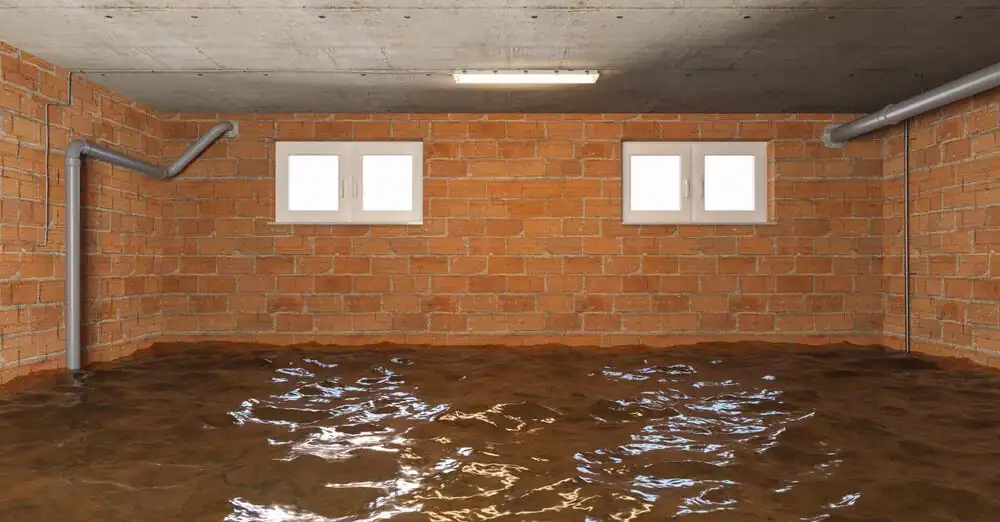
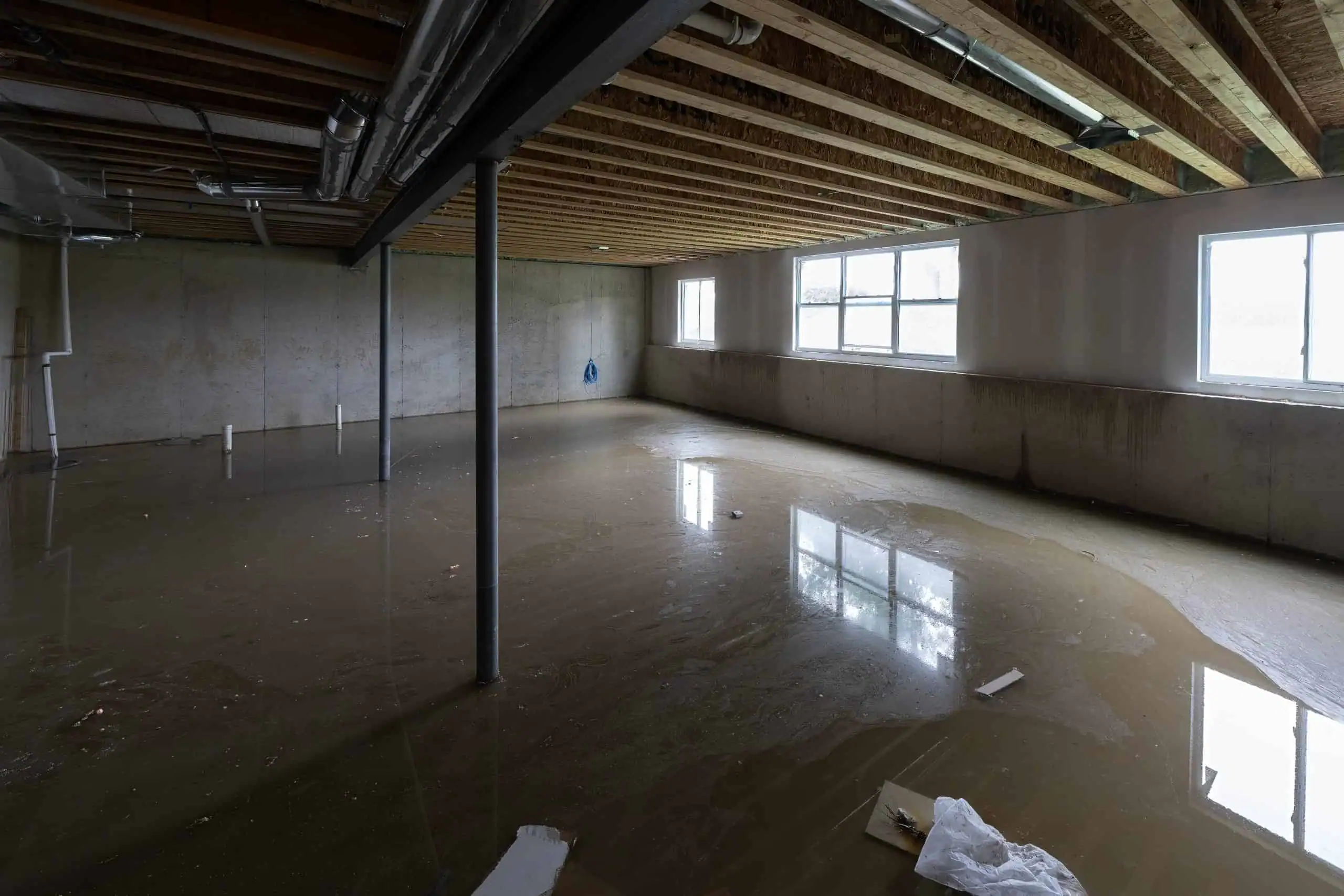
A flooded basement in Jefferson Valley-Yorktown is rarely just a wet floor. Most homes in this area were built between the 1940s and 1960s finished basements, older sump systems, foundation walls that were never designed to handle the kind of storm runoff this valley sees today. When water gets in, it moves fast and hides well. Behind drywall, under carpet padding, inside wall cavities. By the time it’s visible, the damage has usually been sitting for hours.
The 24 to 48 hour mold window is real. If standing water isn’t extracted and the space isn’t properly dried, mold will start growing in areas you can’t see and that turns a $4,000 cleanup into a $15,000 remediation. Getting a crew in quickly is the single most important decision you’ll make after a flood.
Jefferson Valley-Yorktown sits in a glacially shaped valley where clay-heavy soil holds water against foundation walls long after the rain stops. Combine that with the area’s older housing stock and aging sump pumps many of which haven’t been serviced in years and you have a situation that demands a full-scope response, not just a shop vac and a few fans. When the job is done right, you get a fully dried, sanitized, and documented basement, and you move forward with confidence instead of wondering what’s growing behind the walls.
Emergency Flood Cleanup Company Jefferson Valley NY
5,000 Projects. One Company That Handles All of It.
We’ve been doing environmental restoration work across New York State for over 12 years and have completed more than 5,000 projects everything from residential basement floods to large-scale commercial remediation. We’re NYS and NYC M/WBE Certified, fully insured for both liability and workers’ compensation, and are an approved contractor with the NYS Office of General Services. That’s not a marketing credential it means the state has vetted us, and we’ve passed.
For homeowners throughout Jefferson Valley-Yorktown and the surrounding Westchester communities, that kind of institutional backing matters. These are homes worth over half a million dollars on average. The stakes are real, and you deserve a company that’s accountable to more than just a Yelp review.
We also offer financing up to $200,000 at 0% APR, and we bill insurance carriers directly a process confirmed by multiple independent customer reviews, not just a claim on a website. If you’re in Jefferson Village or anywhere else in the Jefferson Valley-Yorktown area and you’re standing in a wet basement right now, this is the call that handles everything.
From Standing Water to a Fully Dry Basement Here's the Process
The first thing that happens when we arrive is a full damage assessment. We’re looking at the source of the water, the category of contamination clean water from a burst pipe is a very different situation than a sewage backup and how far moisture has traveled into the structure. In older Jefferson Valley-Yorktown homes, that often means checking behind finished walls and under subfloors, because water in a 1960s ranch doesn’t stay where you can see it.
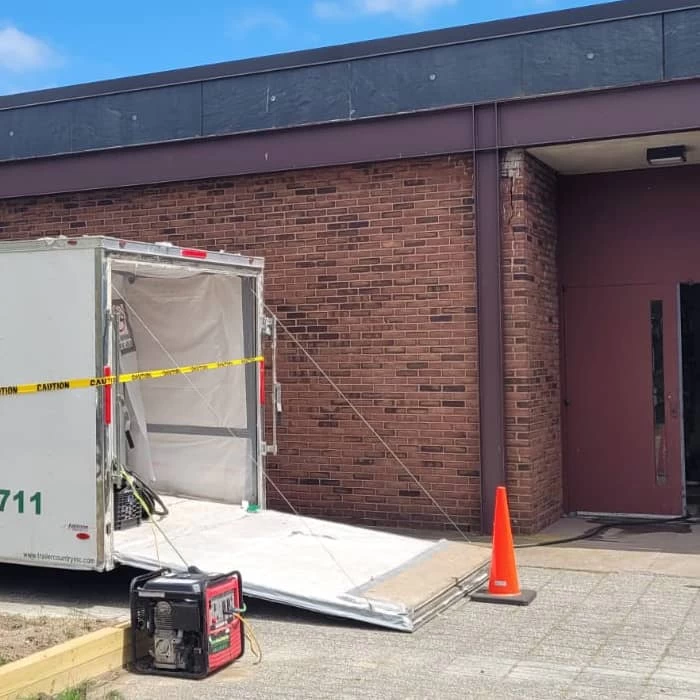
Once the scope is clear, extraction begins. Industrial-grade equipment pulls standing water fast. Then drying equipment goes in commercial dehumidifiers, air movers, and moisture meters to track what’s actually happening inside the structure, not just on the surface. This phase takes time, and it’s done right, not rushed. In Westchester County, any structural repairs following flood damage may require a building permit through the Town of Yorktown, and mold remediation on residential properties in New York State must be performed by a company licensed under NYS Labor Law Article 32 we hold that license.
If asbestos-containing materials are disturbed during the flood floor tiles, pipe insulation, or ceiling panels common in homes built before 1980 that’s handled under the same engagement. No coordinating three separate contractors. When everything is dry, sanitized, and documented, you get a clear picture of what was done and why, which matters when you’re working through an insurance claim.
Basement Flood Damage Services Jefferson Valley-Yorktown
Water, Mold, Asbestos One Call Covers the Whole Job
Most restoration companies can extract water and set up drying equipment. What makes the situation complicated in Jefferson Valley-Yorktown is what comes next. Homes in this area particularly those built in the 1940s through 1960s frequently have asbestos-containing materials in basement floor tiles, pipe wrap, and ceiling panels. When those materials get wet and disturbed, you’re no longer dealing with just a water damage job. You’re dealing with a regulated environmental hazard that most restoration contractors are not licensed to touch.
We hold NYS Department of Labor asbestos abatement certification, which means we can identify, contain, and safely remove those materials as part of the same project without you having to pause the restoration and bring in a separate abatement contractor. For homeowners in Jefferson Village’s 1967–1986 condominium buildings, or in any of the older single-family neighborhoods throughout the Yorktown hamlets, this capability is not a bonus feature. It’s a practical necessity.
The full scope of service includes water extraction, structural drying, mold remediation, asbestos abatement where needed, sanitization, odor control, and complete documentation for your insurance carrier. We bill the carrier directly and handle the claims process alongside you. With 0% APR financing available up to $200,000, cost is not a reason to delay and delay is exactly what turns a manageable flood into a long-term structural problem.
How quickly can mold grow after a basement floods in Jefferson Valley-Yorktown?
Mold can begin growing within 24 to 48 hours of a flood event and in a finished basement, it doesn’t wait for you to see it. The real risk is moisture that’s already inside wall cavities, under carpet padding, and behind drywall long before any visible growth appears. By the time you notice discoloration or smell something off, you’re often already dealing with an established mold problem, not a developing one.
In Jefferson Valley-Yorktown, this risk is compounded by the area’s older housing stock. Homes built in the 1940s through 1960s typically have less vapor barrier protection and more porous foundation construction than newer builds. That means moisture penetrates deeper and dries slower. The clay-heavy soil in this part of northern Westchester also holds water against foundation walls well after the rain stops, which keeps humidity levels elevated inside the basement even after standing water is removed. Getting a professional crew in quickly with commercial drying equipment and moisture meters is the only way to actually stop the clock on mold growth.
Does homeowners insurance cover flooded basement cleanup in Yorktown, NY?
It depends on the cause of the flooding, and that distinction matters more than most people realize. Standard homeowners insurance typically covers sudden, accidental water damage a burst pipe, a failed water heater, or an overflow from a plumbing fixture. What it usually does not cover is flooding from outside the home, which requires a separate flood insurance policy through the National Flood Insurance Program or a private carrier.
For Jefferson Valley-Yorktown homeowners, the most common insurance-covered scenarios are sump pump failures, frozen and burst pipes during Westchester winters, and internal plumbing failures. Storm-driven groundwater entering through foundation cracks or window wells is where coverage gets murky, and that’s exactly the kind of flooding this area sees during heavy rain events. We document the damage thoroughly from the start and bill your carrier directly, which helps move the claims process along and reduces the chance of a disputed or underpaid claim. If there are coverage gaps, the 0% APR financing up to $200,000 means you can authorize the full scope of work without waiting for a settlement.
What's the difference between water damage cleanup and basement waterproofing?
Water damage cleanup addresses what’s already happened the standing water, the saturated materials, the mold risk, and the structural drying that needs to happen right now. Basement waterproofing is a preventive measure that’s meant to stop future water intrusion, and it’s a separate scope of work done after the immediate damage is resolved.
We handle the cleanup and restoration side: extraction, drying, mold remediation, sanitization, and reconstruction where needed. Basement waterproofing interior drainage systems, sump pump upgrades, exterior foundation sealing is typically a conversation you have with a waterproofing contractor after the restoration is complete and the basement is fully dry. That said, during the assessment process, our team will give you a clear picture of where the water came from and how it got in, which is exactly the information you need to have that waterproofing conversation with the right scope and the right questions. For Jefferson Valley-Yorktown homes on clay-heavy soil near the Taconic corridor, understanding the specific entry point matters a lot for any long-term fix.
Can flooded basement cleanup in Jefferson Valley-Yorktown disturb asbestos materials?
Yes and this is one of the most important questions a homeowner in this area can ask. Homes built before 1980 commonly contain asbestos in basement floor tiles, pipe insulation, ceiling tiles, and joint compound. Jefferson Valley-Yorktown has a significant concentration of homes built between the 1940s and 1960s, which puts a large portion of the local housing stock squarely in that risk window. When a basement floods and those materials get wet, disturbed, or need to be removed as part of the cleanup, you’re dealing with a regulated environmental hazard.
Most water damage restoration companies are not licensed to handle asbestos abatement. That means if they encounter suspect materials during a cleanup, they either stop the job entirely or worse proceed without the proper protocols. We hold NYS Department of Labor asbestos abatement certification, which means we can assess, contain, and safely remove asbestos-containing materials as part of the same restoration project. For homeowners in Jefferson Village or in the older single-family neighborhoods throughout the Yorktown hamlets, this is a meaningful practical difference. You don’t have to pause the restoration, find a separate abatement contractor, and restart the process while moisture continues to sit in your basement.
How long does flooded basement cleanup typically take to complete?
The honest answer is that it depends on how much water entered, what category of contamination you’re dealing with, and how far moisture has traveled into the structure. A clean-water event from a burst pipe in a partially finished basement might be fully dried and documented within three to five days. A sewage backup or a significant storm flooding event in a fully finished basement with drywall, carpet, and built-in cabinetry can take one to two weeks from extraction through final restoration.
For Jefferson Valley-Yorktown homeowners, the structural drying phase often takes longer than people expect and that’s not a sign that something is wrong. The clay-heavy soil in this part of Westchester keeps ambient humidity elevated, which slows the evaporation process inside the structure. Commercial drying equipment compensates for this, but the moisture meters tell the story, not the calendar. The job isn’t done when the basement looks dry it’s done when the readings confirm it. Rushing that phase is exactly how mold ends up behind walls weeks after a restoration company has packed up and left.
Is sewage backup in a Jefferson Valley-Yorktown basement a health hazard?
Sewage backup is classified as Category 3 water damage the most serious category and yes, it is a genuine health hazard. Sewage contains bacteria, viruses, and other pathogens that can cause serious illness through direct contact or airborne exposure. Any porous materials that have been in contact with sewage drywall, carpet, insulation, wood framing typically need to be removed rather than dried and salvaged. This is not a cleanup job for a mop and a bottle of bleach.
In Jefferson Valley-Yorktown, sewage backups often occur during heavy rain events when municipal systems become overloaded and push wastewater back through floor drains or basement plumbing fixtures. We follow EPA and NYS DEC guidelines for Category 3 water cleanup, which includes proper containment, safe removal of contaminated materials, full sanitization, and disposal protocols that protect both the occupants and the surrounding environment. The documentation we provide through this process also supports your insurance claim, since sewage backup coverage is often handled separately from standard water damage under many homeowners policies.