Long Beach Basements Flood From Multiple Directions — We Handle All of Them
Long Beach basements don’t just flood from one direction — and the cleanup can’t be halfway. We get a licensed team on-site fast before the 72-hour mold clock runs out.
I needed a professional consultation explanation of procedure for safe removal of Asbestos in my apartment complex. Without having an account yet, I was very impressed with the caring, knowledgeable and generous advice offered by Jessica, and will look forward to doing business in the future. Thank you so much! I feel much more informed about a sometimes scary endeavor. Peace. Nancy Silva Mineola, NY.
Mia Munoz
Used this company to clean up some water flood in my house. They were fast and easy to work with.very professional, Would recommend to anyone!
Nini Valle
Great company, had a flood and they responded quickly and efficiently. Billed my insurance company directly. I highly recommend this company!
joe colapietro, jr
I had pipe freeze in my basement right before a snow storm and they made to within an hour to help start the clean up process. They we by our side throughout the entire process and even helped with the insurance company. They did such a great job with the cleanup, repair, remidiation, I contracted them to perform the repairs and finishes in the basement. They came with enough manpower and material to get the job done. Leo and Jessica were nothing but a pleasure to deal with!!
Cristian Arredondo c
I had some water damage in my home and Green Island was able to take care of my issue quickly and effectively. I am very pleased with the work they did. They responded quickly and were very professional.
Michael M
Outstanding service! From the office to the field crew everyone was friendly, helpful and responsive. I highly recommend Green Island Group.
A Dry Basement Isn't the Finish Line — Structural Safety Is
When water gets into your basement in Long Beach, the real danger isn’t always what you can see. It’s what develops behind the drywall, under the flooring, and inside the wall cavities over the next 48 to 72 hours. Mold doesn’t announce itself. It just grows — and by the time you smell it, you’re dealing with a much bigger problem than a wet floor.
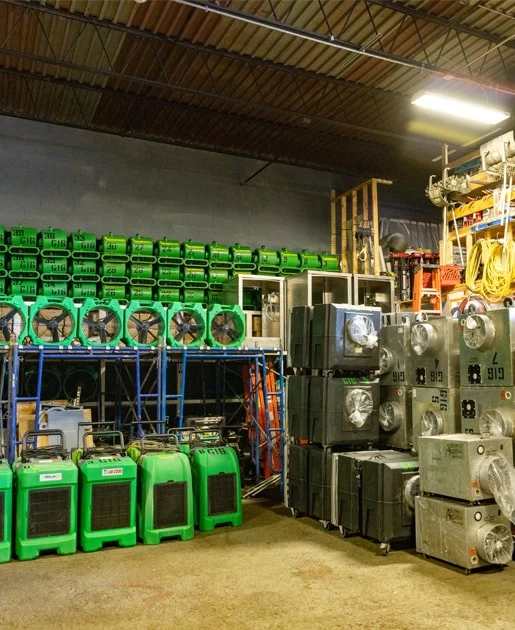
Long Beach sits on a barrier island with a water table that runs close to the surface year-round. That means even after the visible water is gone, moisture can linger in your foundation, your concrete slab, and your framing longer than it would in an inland home. A standard shop-vac and a box fan won’t cut it here. We use industrial drying equipment calibrated for the coastal humidity levels that define South Shore living — and we understand the difference between surface-dry and structurally dry.
For the West End bungalows and mid-century homes throughout Long Beach, there’s another layer to this. Pre-1978 construction often means asbestos floor tiles, asbestos pipe insulation, and lead-based paint — all of which can be disturbed when floodwater damages your basement floors and walls. Getting the water out is step one. Making sure the cleanup is actually safe is the part most companies skip.
Licensed Basement Flooding Remediation Long Beach NY
Every License the Job Requires — Under One Roof in Long Beach
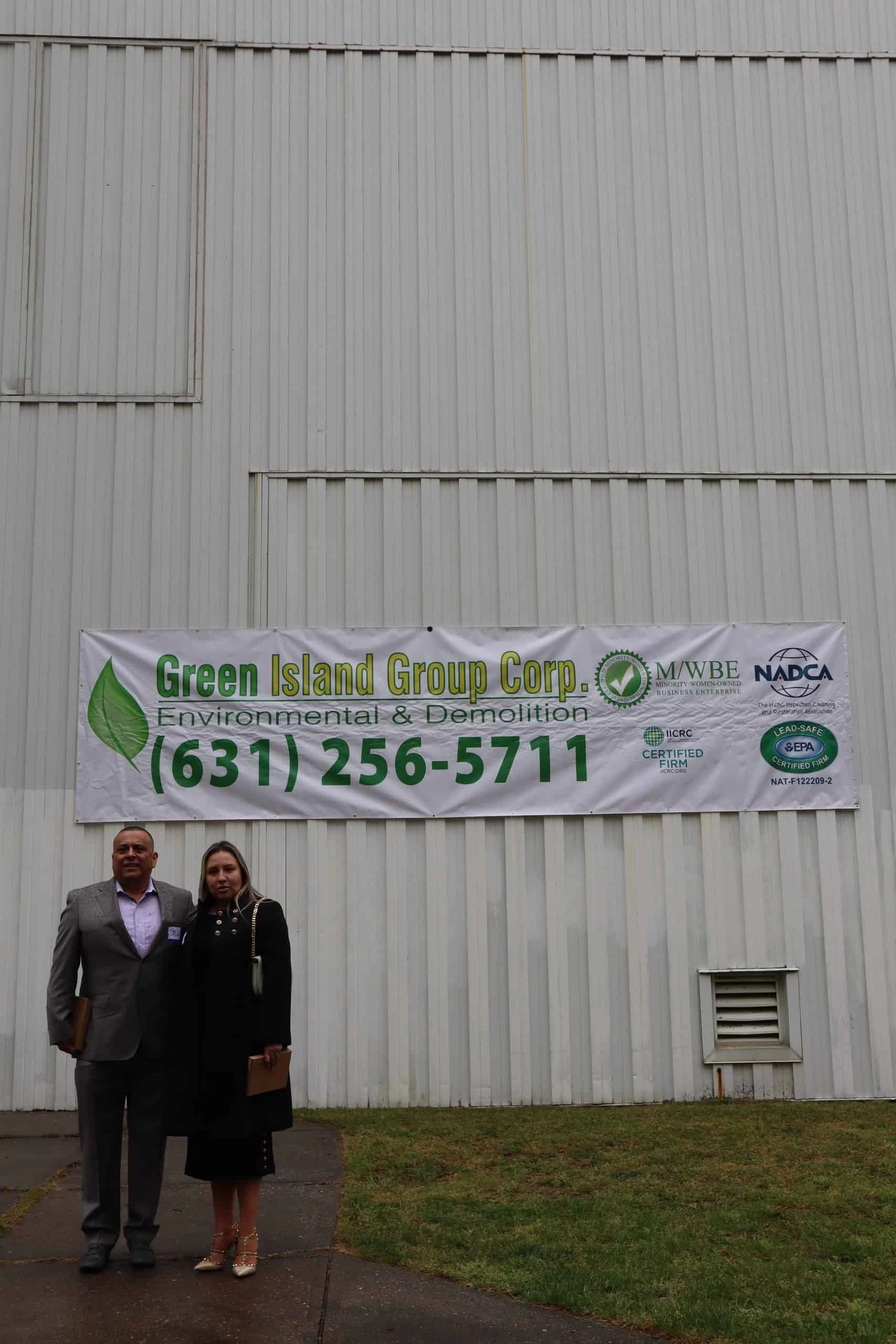
We hold the NYS DOL Mold Remediation License, NYS DOL Asbestos License, USEPA Lead Certification, IICRC Water Damage Certification, and an active General Contractor license in Nassau County. That combination isn’t common. Most restoration companies operating in Long Beach hold one or two of these credentials. We hold all of them — which matters enormously in a city where a single flooded basement can involve water damage, mold risk, asbestos disturbance, and structural repairs all at once.
Long Beach is not a typical Nassau County market. It’s a dense barrier island city where nearly every property sits in FEMA Flood Zone AE, where 77% of the housing stock was damaged enough to file for federal funds after Sandy, and where the next storm is never far off. Our team has worked extensively in this environment and understands what it takes to get a Long Beach home back to safe — not just dry.
From Standing Water to Structurally Sound — Here's How We Do It
It starts the moment you call. We respond 24/7 because flooding in Long Beach doesn’t wait for business hours — nor’easters hit at 2 a.m., sump pumps fail on Sunday evenings, and Reynolds Channel doesn’t check your calendar before it rises. When you reach out, you get a real person who can dispatch a crew and get the clock stopped before the situation compounds.
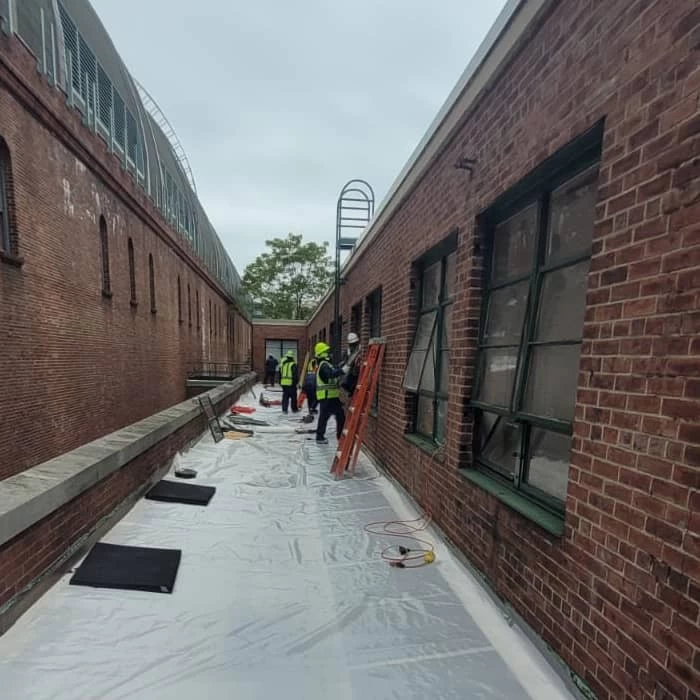
On arrival, our team does a full assessment — not just of the standing water, but of where it came from, how far it traveled, and what materials it contacted. In older Long Beach homes, that assessment includes checking for disturbed asbestos or lead-containing materials before any demolition or drying work begins. This step protects you legally and physically, and it’s something a crew without the proper licensing simply can’t do.
From there, we use industrial extraction equipment to remove the water, and high-capacity dehumidifiers and air movers begin the structural drying process. Moisture readings are taken throughout — walls, subfloor, framing — because in a coastal environment like Long Beach, surface-dry doesn’t mean structurally dry. Once the structure clears moisture thresholds, the remediation and restoration phase begins. If mold is present, we address it under our NYS DOL Mold License. If structural repairs are needed, our Nassau County General Contractor license covers the rebuild from drywall to flooring — no second contractor, no coordination headache, no gaps in accountability.
What's Included When Your Long Beach Basement Floods
Flooded basement cleanup in Long Beach isn’t a single service — it’s a sequence of connected steps that have to be done in the right order by people licensed to do each one. We handle the full scope: emergency water extraction, structural drying, moisture mapping, mold assessment and remediation, hazardous material handling, and structural restoration. Because we hold both the NYS DOL Mold License and the NYS DOL Asbestos License, we can address what we find without stopping the job to bring in a separate subcontractor.
For Long Beach homeowners navigating an NFIP flood insurance claim — which applies to nearly every mortgaged property in the city given the Zone AE designation — we also assist with damage documentation and adjuster coordination. The city of Long Beach explicitly advises residents that standard homeowners policies don’t cover flooding, and filing an NFIP claim requires specific documentation that a general contractor without flood experience may not know how to provide.
Whether you’re in a West End bungalow, a condo near the boardwalk, or a larger home east of New York Avenue, the process is the same: thorough, licensed, and documented from start to finish. The goal isn’t just a dry basement — it’s a basement that’s safe, mold-free, structurally sound, and properly recorded for your insurance file.
Does flood insurance actually cover basement cleanup costs in Long Beach, NY?
This is one of the most common points of confusion for Long Beach homeowners, and it’s worth being direct about. Standard homeowners insurance does not cover flooding — the City of Long Beach says this explicitly on its own flood information page. If your basement flooded from a storm surge, rising bay water from Reynolds Channel, or groundwater intrusion during a coastal storm, you’re filing an NFIP flood insurance claim, not a homeowners claim.
NFIP policies do cover certain basement cleanup and restoration costs, but what’s covered depends on what was damaged and how it’s documented. Building coverage under an NFIP policy typically covers structural elements — foundation walls, flooring, electrical systems, HVAC — but contents coverage for personal property in basements is more limited. This is why documentation matters so much. We assist with the damage assessment and reporting that flood insurance adjusters need to process a complete claim, which can make a significant difference in what you recover.
How fast does mold actually start growing after a basement floods?
The EPA is clear on this: mold can begin developing within 24 to 48 hours of water exposure. If the basement dries out within 72 hours, mold growth is unlikely. Beyond that window, you’re no longer dealing with a water damage event — you’re dealing with a mold remediation event, which is more involved, more expensive, and requires a licensed contractor under New York State’s Article 32 mold remediation law.
For Long Beach specifically, the timeline is tighter than it sounds. The average commute from Long Beach to New York City is over 40 minutes each way, and many residents are out of the house for 10 to 12 hours a day. A flooding event that starts at 7 a.m. may not be discovered until evening — and by then, the window is closing fast. Calling as soon as you discover the problem, even at night, is the single most important thing you can do to keep this from becoming a mold situation.
My Long Beach basement flooded and I smell something musty — is that mold already?
A musty smell after a basement flood is a strong indicator that mold has already started. It doesn’t necessarily mean you have a large-scale mold problem, but it does mean moisture has been present long enough for microbial growth to begin — and that requires a proper assessment, not just more drying.
In Long Beach’s older housing stock, this situation is particularly common. The West End bungalows and mid-century homes throughout the city often have limited ventilation in the basement, older concrete foundations with existing micro-cracks, and building materials that absorb and hold moisture longer than modern construction. When you add the island’s naturally high ambient humidity to that equation, conditions are close to ideal for mold development. We can assess whether mold is present, where it’s located, and what remediation is required — all under the NYS DOL Mold License that New York State requires for this work to be done legally.
Can I clean up a flooded basement myself, or do I actually need a professional?
You can handle a very minor water intrusion yourself — a small amount of water from a slow leak, caught quickly, on a sealed concrete floor with no wall contact. But if you’re dealing with a coastal storm event, a sump pump failure during a nor’easter, or any flooding that touched drywall, wood framing, insulation, or flooring, a DIY approach carries real risk.
The biggest issue in Long Beach isn’t the water itself — it’s what the water disturbed. In a pre-1978 home, floodwater that damages basement floors or walls may have disturbed asbestos-containing floor tiles or lead-based paint. Attempting to clean or remove those materials without proper licensing is a health hazard and a legal liability. Beyond the hazmat concern, consumer-grade dehumidifiers and fans simply don’t have the capacity to dry a structure to the moisture thresholds required to prevent mold in a coastal environment. If the job isn’t done completely, you’ll be dealing with mold remediation costs weeks later that far exceed what professional cleanup would have cost upfront.
Why does my Long Beach basement keep flooding even when it's not a major storm?
This is a structural and geographic reality for a lot of Long Beach homeowners, and it’s not always tied to a named storm or a major weather event. The city sits on a narrow barrier island where the water table runs very close to the surface year-round. During heavy rainfall — even a moderate storm that wouldn’t cause problems in an inland Nassau County town — groundwater can rise and push through foundation cracks, floor drains, and porous concrete in Long Beach basements.
The city itself acknowledges this in its Floodplain Management Plan and advises residents to ensure basements are waterproofed and sump pumps are maintained. If your basement floods repeatedly without an obvious cause, the issue is likely hydrostatic pressure from a high water table rather than a single point of failure. A proper assessment can identify where water is entering, whether your current waterproofing is adequate, and what steps — drainage improvements, sump pump upgrades, foundation sealing — would reduce recurrence. Cleaning up the water without addressing the source just means you’ll be calling again after the next rainstorm.
How do I know if a basement cleanup company in Long Beach is actually licensed for this work?
This is a fair and important question, especially in Long Beach. After Superstorm Sandy in 2012, the city was flooded from both the ocean and Reynolds Channel simultaneously, and unlicensed contractors moved in quickly. Many residents ended up with incomplete work, failed remediations, and in some cases, hazardous materials handled improperly. The same pattern repeats after every major storm event on the South Shore.
New York State requires a specific mold remediation license — the NYS DOL Mold Remediation License under Article 32 of the Labor Law — for any contractor performing mold remediation work. This is not a general contractor license or a water damage certification. It is a separate, state-issued credential. You can verify any contractor’s mold license through the NYS Department of Labor’s online license lookup. For asbestos work, the NYS DOL Asbestos License is separately required and also verifiable. We hold both, along with an active Nassau County General Contractor license and IICRC Water Damage Certification. Before you hire anyone for basement cleanup in Long Beach, ask for the license numbers and look them up — a legitimate company will hand them over without hesitation.