When the Pine Barrens Water Table Rises, Your Middle Island Basement Pays for It
Middle Island basements flood and when yours does, every hour you wait makes it worse. We respond fast, handle your insurance, and clean it up completely.
I needed a professional consultation explanation of procedure for safe removal of Asbestos in my apartment complex. Without having an account yet, I was very impressed with the caring, knowledgeable and generous advice offered by Jessica, and will look forward to doing business in the future. Thank you so much! I feel much more informed about a sometimes scary endeavor. Peace. Nancy Silva Mineola, NY.
Mia Munoz
Used this company to clean up some water flood in my house. They were fast and easy to work with.very professional, Would recommend to anyone!
Nini Valle
Great company, had a flood and they responded quickly and efficiently. Billed my insurance company directly. I highly recommend this company!
joe colapietro, jr
I had pipe freeze in my basement right before a snow storm and they made to within an hour to help start the clean up process. They we by our side throughout the entire process and even helped with the insurance company. They did such a great job with the cleanup, repair, remidiation, I contracted them to perform the repairs and finishes in the basement. They came with enough manpower and material to get the job done. Leo and Jessica were nothing but a pleasure to deal with!!
Cristian Arredondo c
I had some water damage in my home and Green Island was able to take care of my issue quickly and effectively. I am very pleased with the work they did. They responded quickly and were very professional.
Michael M
Outstanding service! From the office to the field crew everyone was friendly, helpful and responsive. I highly recommend Green Island Group.
There’s a difference between a basement that looks dry and one that actually is. When water gets into a Middle Island home whether it came through a cracked block wall near Artist Lake, backed up through a floor drain when the cesspool couldn’t keep up, or pushed in during a nor’easter when the sump pump gave out the damage isn’t just what you can see. It’s what’s sitting inside the walls, under the flooring, and in the air.
Middle Island sits on top of one of the most active aquifer systems on Long Island. The sandy Pine Barrens soils don’t hold water they move it, fast. That means when it rains hard or the ground stays saturated for a few days, the water table under your home can rise faster than your sump system can handle. The result isn’t just a wet floor. It’s structural saturation, compromised insulation, and a 24 to 48-hour window before mold starts.
What you get after a proper cleanup isn’t just extracted water. It’s a basement that’s been dried to industry moisture standards, treated to prevent mold from taking hold, and documented thoroughly enough to support your insurance claim. For homes in the Pine Lake or Spring Lake corridors where groundwater sits close to the surface that level of thoroughness isn’t optional. It’s the only way to actually solve the problem.
Licensed Basement Flood Cleanup Contractor Middle Island
5,000+ Jobs Done Across Long Island. One Company That Covers All of It.
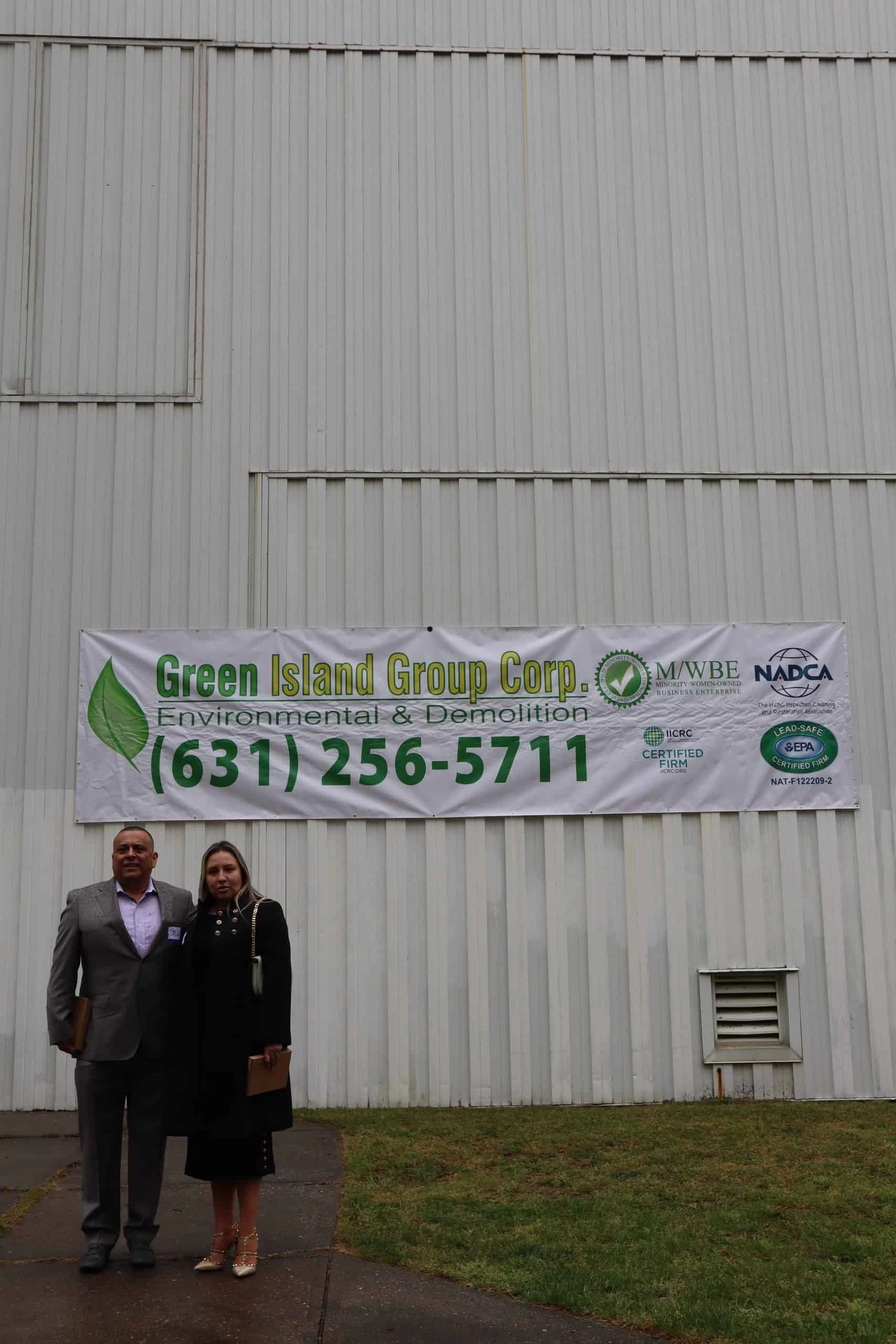
We’ve been handling water damage, mold remediation, and full restoration across Long Island and New York City for over 12 years. More than 5,000 completed projects. Every license that matters Suffolk County General Contractor, NYS DOL Mold, NYS DOL Asbestos, USEPA Lead, and USEPA RRP. That’s not a list of credentials for show. It’s what allows one company to take your Middle Island basement from flooded to fully restored without handing you off to someone else halfway through.
For Middle Island homeowners, that full-scope capability matters more than most realize. A lot of the housing stock here was built in the 1960s and 70s, when asbestos floor tiles and lead-based paint were standard. When water hits those materials during a flood, you need a contractor who’s licensed to handle what’s behind the walls not just what’s on the floor. We’re also an approved emergency response contractor for the NYS Office of General Services, and a certified NYS Minority and Woman-Owned Business Enterprise. That’s not self-reported it’s state-verified.
Emergency Basement Water Removal Process Middle Island
From the First Call to a Fully Dried Basement Here's What We Do
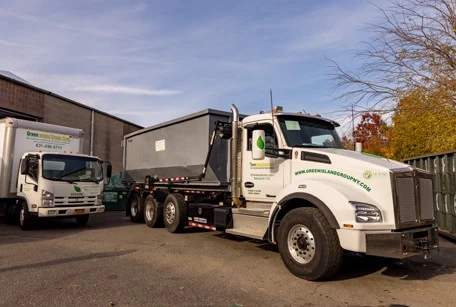
When you call, someone picks up. We operate 24 hours a day, every day of the year, because basement floods don’t wait for business hours. A team is dispatched immediately documented response times run under an hour and the first thing we do when we arrive is assess the damage, not just start pulling out equipment. That assessment matters because not all basement water is the same. A burst pipe is a very different situation than a sewage backup through a floor drain, and the cleanup process has to match the contamination category.
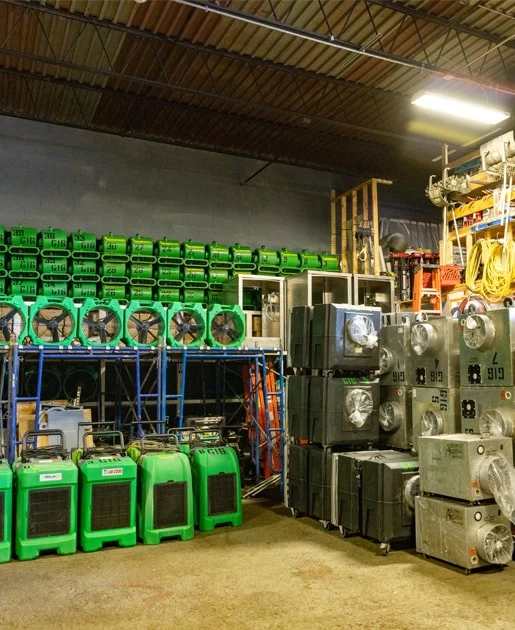
Once the source and scope are confirmed, industrial extraction equipment goes to work pulling standing water out fast. From there, commercial-grade air movers and dehumidifiers are set up throughout the space. This isn’t a fan-and-wait situation it’s a calibrated drying process monitored with moisture meters and thermal imaging to confirm that walls, subfloor, and structural framing are actually reaching dry standards, not just surface-dry. For older Middle Island homes where insulation and wall assemblies may contain asbestos or lead materials, that inspection step is done before any demo begins.
If mold is found or if the timeline of the flood creates serious mold risk we handle remediation under the same contract, by the same licensed team. No second company. No gap in accountability. Throughout the entire process, we handle the insurance documentation and communicate directly with your adjuster, so you’re not managing paperwork on top of everything else.
Basement Flooding Remediation Services Middle Island NY
What's Actually Included When You Call Us
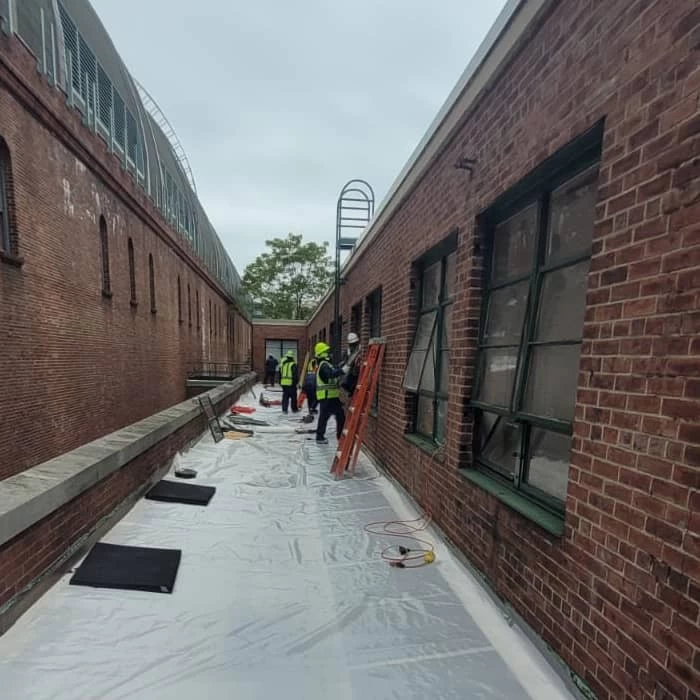
The full scope of what we handle goes well beyond water extraction. From the moment our team arrives at your Middle Island home, the work covers emergency water removal, structural drying, moisture monitoring, antimicrobial treatment, mold prevention, hazardous material assessment, damaged material removal, and complete reconstruction if needed all under one contract. Most water damage companies can do the first two or three steps. Very few are licensed to handle everything through to final restoration.
That distinction is especially relevant in Brookhaven Town, where a significant portion of homes are on cesspool systems. When a high water table event causes a cesspool to back up into a basement floor drain, you’re now dealing with Category 3 contamination sewage-level water that requires a very different cleanup protocol than a burst pipe. We’re equipped and licensed for all three water contamination categories, and our team knows how to document each one properly for insurance purposes.
For homeowners near Artist Lake or along the Route 25 corridor where homes sit on lower-lying lots, the risk of recurring intrusion is real. Part of what’s included in every job is a clear assessment of what caused the flooding and what, if anything, can be addressed structurally to reduce the risk of it happening again. You leave the process knowing what happened, what was done about it, and what to watch for not just with a dry floor and a bill.
Does homeowners insurance cover basement flooding in Middle Island, NY?
It depends on what caused the water to come in. Standard homeowners insurance in New York typically covers sudden and accidental water damage like a burst pipe or a washing machine supply line that failed. What it often doesn’t cover is groundwater intrusion or surface water flooding, which is a relevant distinction for Middle Island homeowners given how quickly the Pine Barrens water table can rise during a heavy storm or prolonged nor’easter.
Sump pump failure is another common cause of basement flooding in this area, and coverage for that usually requires a specific water backup rider on your policy. If you’re not sure what your policy includes, that’s worth a call to your agent before the next storm season not after your basement is already wet. We bill insurance companies directly and handle the claim documentation from the start, so if your damage is covered, the process of getting that claim submitted and supported is handled for you.
How quickly does mold start growing after a basement flood?
Mold can begin developing within 24 to 48 hours of a flooding event under the right conditions and in a Middle Island basement during the summer months, those conditions are almost always present. Humidity is high, temperatures are warm, and if water has reached wood framing, drywall, or insulation, you have everything mold needs to take hold quickly.
The reason professional extraction and drying equipment exists is because a shop vac and a box fan aren’t going to dry a saturated wall cavity or a concrete block foundation in time to prevent mold growth. Industrial dehumidifiers and air movers, combined with moisture monitoring, are what actually get structural materials to safe dryness levels. If more than 24 hours have passed since your basement flooded, that doesn’t mean mold is inevitable but it does mean the drying process needs to start as soon as possible, and the space needs to be checked carefully.
What should I do immediately after my basement floods in Middle Island?
The first thing is safety. Don’t walk into a flooded basement if you don’t know whether the water has reached any electrical outlets, panels, or appliances. If there’s any doubt, shut the power to that area at the breaker before going in. If the water appears to be coming from a sewage backup which can happen in Middle Island when a cesspool gets overwhelmed during a high water table event treat it as a contamination situation and avoid contact.
Once it’s safe to be in the space, call a professional immediately. Don’t wait to see if it dries out on its own, and don’t spend hours trying to mop or shop-vac before calling that time matters. Move what you can off the floor if it’s safe to do so, take photos of everything before anything is moved or touched, and note where the water appears to be coming from if you can tell. That documentation will matter for your insurance claim. We can be on-site quickly and will take it from there.
My Middle Island home was built in the 1960s does that affect the cleanup process?
Yes, and it’s worth knowing about before any work starts. Homes built in Middle Island during the 1960s and 1970s which make up a large portion of the housing stock in neighborhoods like the Artist Lake and Pine Lake areas were commonly constructed with asbestos-containing materials in floor tiles, pipe insulation, ceiling tiles, and wall assemblies. Lead-based paint was also standard on interior surfaces, including basement walls.
When a basement floods and water contacts those materials, or when demo work begins to remove saturated drywall or flooring, there’s a real risk of disturbing them. Under New York State and USEPA rules, disturbing asbestos or lead materials requires a licensed contractor. We hold NYS DOL Asbestos certification and USEPA Lead and RRP certifications, which means our team is trained and licensed to identify these materials before work begins and handle them properly if they’re present. Most water damage companies in the local market are not equipped for this.
How much does flooded basement cleanup typically cost in Middle Island, NY?
For a typical basement flooding event, professional cleanup in the Middle Island area generally runs between $2,000 and $8,000 depending on the size of the space, the category of water involved, how long the water has been sitting, and whether mold remediation or material removal is needed. Sewage backups and cases involving hazardous materials will typically fall on the higher end of that range due to the additional licensing and handling requirements.
What’s worth understanding is the cost of delay. Waiting even 24 to 48 hours before calling adds mold risk and mold remediation on top of water damage can add another $2,000 to $8,000 to the total. If your damage is covered by insurance, we bill the carrier directly, which removes the out-of-pocket burden from the equation for covered losses. For damage that isn’t covered, our team can walk you through what’s required and what the realistic cost looks like before any work begins no pressure, no vague estimates.
Can I clean up a flooded basement myself instead of hiring a professional?
For very minor water events a small amount of clean water from a known source that’s been addressed quickly some homeowners do handle cleanup themselves. But for most basement flooding situations in Middle Island, the honest answer is that DIY cleanup creates more problems than it solves. The core issue is that consumer-grade equipment simply can’t dry a structure to the moisture levels needed to prevent mold. You can remove standing water with a wet vac, but the water that’s absorbed into concrete block walls, subfloor assemblies, and wall framing won’t come out with a fan and open windows.
There’s also the documentation issue. If you’re planning to file an insurance claim, the way damage is documented from the start affects how the claim is evaluated. Professional remediation companies create the kind of moisture readings, photo documentation, and damage reports that insurance adjusters require. And in a home built before 1980 which covers a significant portion of Middle Island’s housing stock doing demo work yourself without knowing what’s in the walls puts you at real risk of disturbing asbestos or lead materials. That’s a situation where the cost of doing it yourself can end up far exceeding the cost of calling someone who’s licensed to handle it properly.