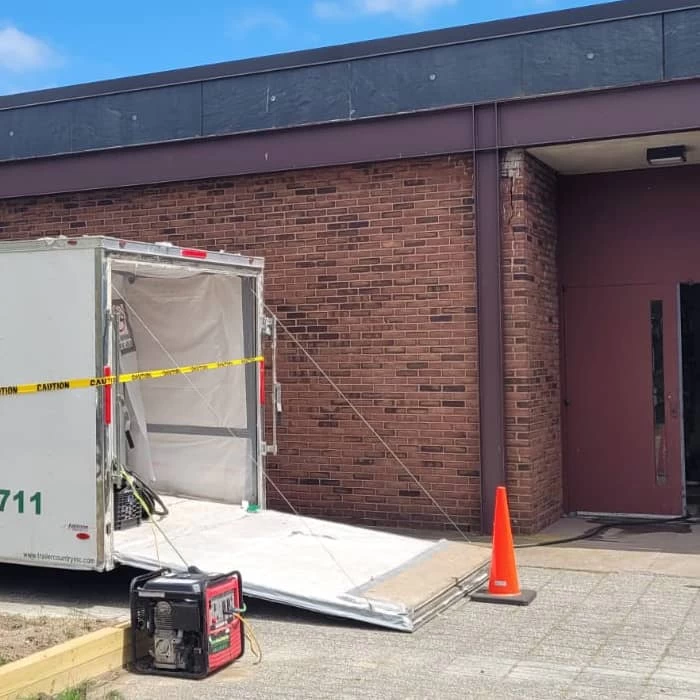
When Storm Surge Hits Montauk, You Have 24 Hours Before Mold Takes Over
Montauk takes hits that most of Long Island never sees. When storm surge, a burst pipe, or a nor’easter puts water in your basement, you have a narrow window before mold takes over. We respond 24/7 licensed, equipped, and ready to move fast.
I needed a professional consultation explanation of procedure for safe removal of Asbestos in my apartment complex. Without having an account yet, I was very impressed with the caring, knowledgeable and generous advice offered by Jessica, and will look forward to doing business in the future. Thank you so much! I feel much more informed about a sometimes scary endeavor. Peace. Nancy Silva Mineola, NY.
Mia Munoz
Used this company to clean up some water flood in my house. They were fast and easy to work with.very professional, Would recommend to anyone!
Nini Valle
Great company, had a flood and they responded quickly and efficiently. Billed my insurance company directly. I highly recommend this company!
joe colapietro, jr
I had pipe freeze in my basement right before a snow storm and they made to within an hour to help start the clean up process. They we by our side throughout the entire process and even helped with the insurance company. They did such a great job with the cleanup, repair, remidiation, I contracted them to perform the repairs and finishes in the basement. They came with enough manpower and material to get the job done. Leo and Jessica were nothing but a pleasure to deal with!!
Cristian Arredondo c
I had some water damage in my home and Green Island was able to take care of my issue quickly and effectively. I am very pleased with the work they did. They responded quickly and were very professional.
Michael M
Outstanding service! From the office to the field crew everyone was friendly, helpful and responsive. I highly recommend Green Island Group.
Mold starts growing within 24 to 48 hours of a flooding event. In Montauk, where a significant number of homes sit empty for weeks at a time during the off-season, that clock can run out before you even know the water got in. By the time a second-home owner gets the call from a neighbor or property manager, the situation has often already crossed from water damage into mold territory.
What professional flooded basement cleanup actually does is stop that progression. Water gets extracted completely not mopped up, but fully removed with industrial equipment. Structural drying follows, targeting the moisture that soaks into framing, insulation, and subfloor materials that you can’t see. Done right, you walk away with documentation your insurance carrier will accept and a basement that isn’t quietly growing a problem behind the walls.
For homes near Fort Pond, the harbor, or the lower-lying streets around downtown Montauk, there’s another layer to consider. Coastal flooding often brings in saltwater or sewage-contaminated water what the industry classifies as Category 3. That’s not a clean-water situation, and it can’t be treated like one. Proper handling of Category 3 water requires containment, licensed disposal, and antimicrobial treatment. That’s exactly what we bring to the job.
Licensed for Everything a Montauk Basement Can Throw At Us
We’ve been handling environmental restoration and remediation across Long Island and New York City for over 12 years. In that time, we’ve completed more than 5,000 restoration projects across New York State ranging from straightforward water extractions to full hazmat remediation jobs in older coastal homes like those throughout Montauk.
What sets us apart in a market like Montauk isn’t just availability. It’s the licensing stack. We hold NYS DOL Mold, NYS DOL Asbestos, USEPA Lead, and USEPA RRP certifications, along with General Contractor licenses in Suffolk County, Nassau County, and New York City. That matters here because many of Montauk’s older homes particularly those built in the 1950s and 1960s near the harbor and Fort Pond can contain asbestos insulation and lead paint. When flooding disturbs those materials, most contractors are legally required to stop. We keep working.
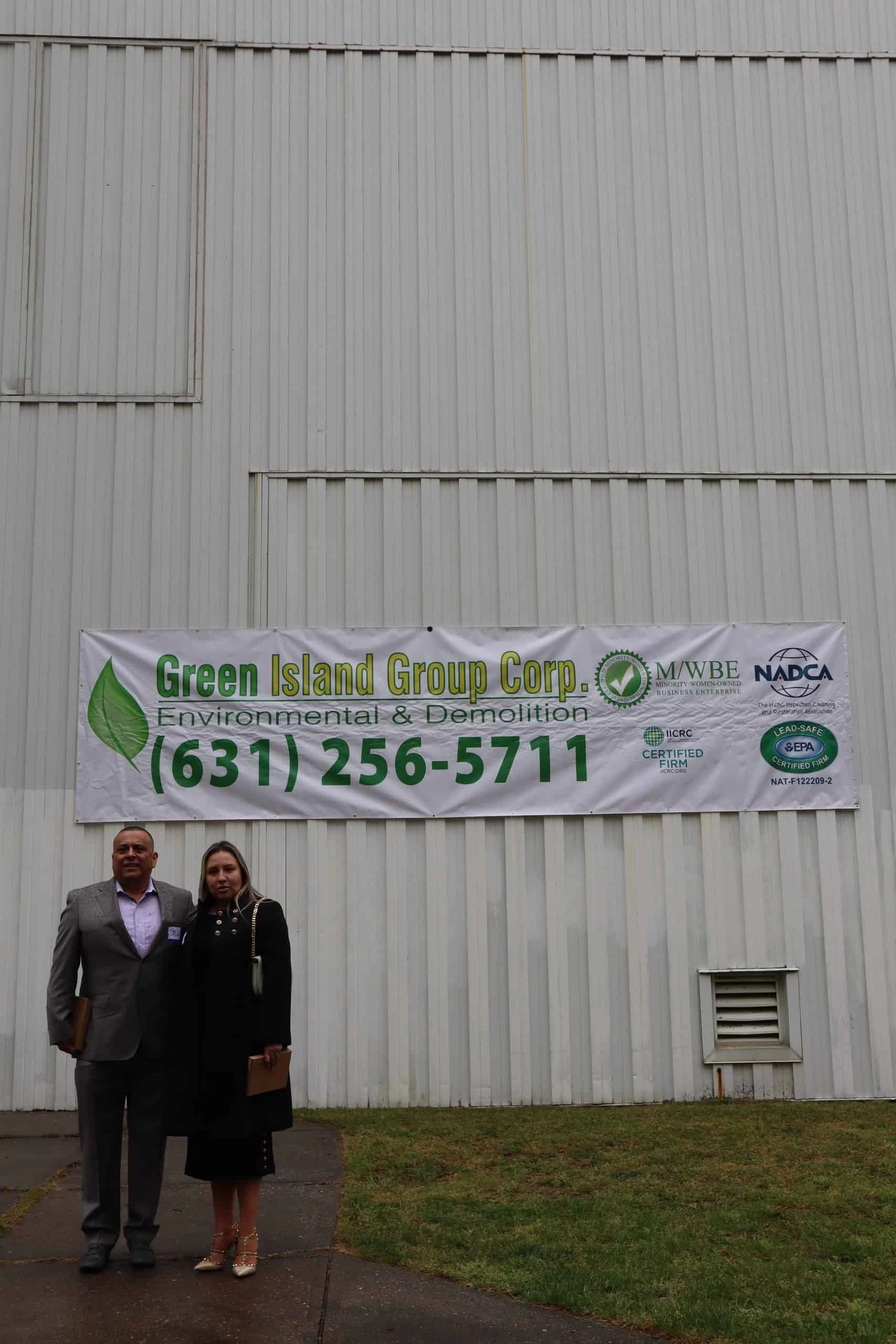
We’re also an approved emergency response contractor for the NYS Office of General Services and are certified by New York State as both a Minority Business Enterprise and Woman-Owned Business Enterprise. CEO Jessica Dussan and VP Leo Torres are named, reachable, and personally accountable for every job.
What Actually Happens From Your First Call to a Dry Montauk Basement
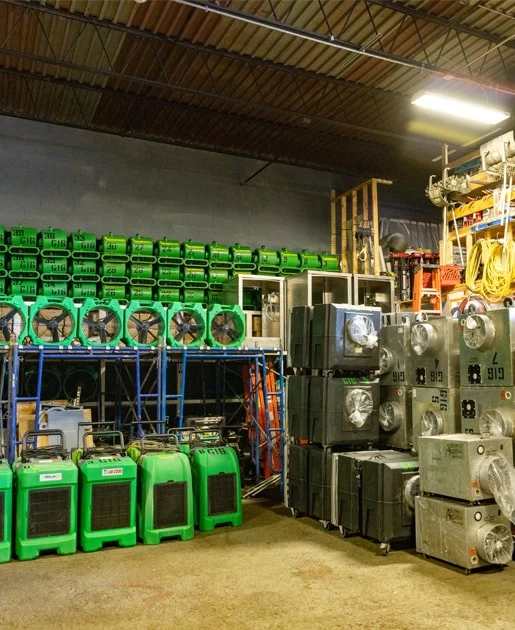
The first call triggers an emergency response not a scheduling queue. We operate 24/7, which matters in a place like Montauk where flooding doesn’t wait for business hours and the only road in is NY-27. A team mobilizes with extraction equipment, moisture meters, industrial air movers, and dehumidifiers. The goal on arrival is to assess the full scope before touching anything.
Assessment comes first because the source and type of water changes everything. Clean water from a burst pipe is handled differently than storm surge that pushed saltwater through your foundation, or a sewer backup that contaminated your basement floor. The team identifies the water category, checks for visible mold, and in older Montauk homes looks for any signs of disturbed asbestos or lead-containing materials before extraction begins. If hazardous materials are present, the work continues under the appropriate licensed protocols rather than stopping the job entirely.
Once extraction is complete, the drying phase begins. This isn’t just running a fan it’s placing commercial-grade drying equipment strategically to pull moisture from structural materials, not just surface water. Moisture readings are tracked throughout. When the basement reaches target dryness levels, we document everything: photos, moisture logs, and a detailed damage report formatted for insurance submission. If your policy includes FEMA flood coverage common for Montauk properties given the area’s documented flood risk that documentation is prepared accordingly. We bill insurance directly and handle adjuster communication so you’re not managing that process on top of everything else.
From Water Extraction to Full Rebuild One Call, One Company
We handle the full scope of flooded basement cleanup not just the water. Emergency extraction removes standing water immediately. Structural drying addresses the moisture you can’t see. Mold assessment and remediation, when needed, is handled under NYS DOL Mold licensing no separate contractor, no coordination gap, no delay while you find someone else.
For Montauk’s older housing stock, the service extends further when necessary. Homes built before 1980 in the original fishing village neighborhoods near the harbor and downtown core may contain asbestos pipe insulation, floor tile, or ceiling materials. Flooding that disturbs these materials creates a licensed hazmat situation. Because we hold NYS DOL Asbestos and USEPA Lead certifications, that discovery doesn’t halt the project it gets handled in-house, under the right credentials, and documented properly.
We also hold General Contractor licenses in Suffolk County, which means reconstruction work drywall, flooring, framing can happen under the same contract. That matters when you’re managing a high-value Montauk property from a distance and can’t afford to coordinate three separate contractors across multiple weeks. It’s also worth noting that East Hampton Town’s updated flood elevation requirements take effect December 31, 2025, meaning any reconstruction in a flood hazard area now carries new compliance standards. We know those requirements and work within them from the start.
How quickly does mold actually start growing after a basement floods in Montauk?
Mold can begin colonizing within 24 to 48 hours of a flooding event and that timeline doesn’t pause because you’re not there to see it. For Montauk homeowners with seasonal or second properties, this is the most important number to understand. A nor’easter in January or February can flood a basement while the property sits vacant, and by the time you get the call and make the drive out on NY-27, you may already be dealing with active mold growth rather than a straightforward water extraction.
The practical implication is that speed of response matters more than almost any other factor. The longer water sits in contact with wood framing, drywall, and insulation, the deeper moisture penetrates and the harder it becomes to dry out completely without removing materials. Calling us as soon as flooding is discovered even if you’re not on-site is the most effective way to keep a manageable cleanup from becoming a major mold remediation project. We can mobilize based on a call from a property manager or neighbor, without requiring the homeowner to be present.
Does homeowners insurance or flood insurance cover basement flooding in Montauk, NY?
It depends on what caused the water, and this is where a lot of Montauk homeowners get caught off guard. Standard homeowners insurance typically covers sudden, internal water damage a burst pipe, a failed sump pump, an appliance leak. It generally does not cover flooding caused by storm surge, rising water, or groundwater intrusion. For that, you need a separate flood insurance policy, most commonly through FEMA’s National Flood Insurance Program.
Given Montauk’s documented flood history including the 5.89-foot storm surge measured during Hurricane Sandy NFIP flood policies are common here. But even with flood coverage, the documentation your contractor provides matters enormously. Insurance carriers require detailed damage reports, moisture readings, and photo documentation to process claims correctly. We prepare that documentation as part of every job and bill insurance carriers directly, including FEMA flood policies. If you’re not sure what your policy covers, we can help you identify what’s claimable and communicate with your adjuster on your behalf.
What makes coastal basement flooding different from a regular water leak or pipe burst?
The type of water that entered your basement determines the entire scope of the cleanup. The industry uses a three-category classification system. Category 1 is clean water a supply line break, a clean appliance overflow. Category 2 involves some contamination a washing machine drain, a sump pump backup. Category 3 is the most serious: water that carries sewage, chemicals, or biological contaminants. Storm surge flooding in a coastal community like Montauk almost always qualifies as Category 3.
When saltwater from the Atlantic or Block Island Sound enters a basement during a major storm event, it brings with it whatever the ocean or the harbor has been carrying and when municipal sewer systems are overwhelmed during the same event, sewage contamination frequently follows. Category 3 water can’t be dried out and called clean. It requires proper containment, antimicrobial treatment of all affected surfaces, licensed disposal of contaminated materials, and OSHA-compliant handling throughout. Attempting to clean Category 3 flooding without the right protocols creates ongoing health risks that aren’t always visible. This is exactly the kind of work that requires a licensed environmental contractor not a general handyman or a basic water damage service.
My Montauk home was built in the 1960s is flooding more complicated in an older house?
Yes, and it’s worth knowing why before a contractor starts pulling up floors or opening walls. Homes built before 1980 and a significant portion of Montauk’s original housing stock near the harbor, Fort Pond, and downtown falls into this category were commonly constructed with materials that are now regulated as hazardous. Asbestos was used in pipe insulation, floor tiles, ceiling tiles, and joint compound. Lead-based paint was standard on interior and exterior surfaces. Neither of these materials poses an immediate risk when left undisturbed, but flooding changes that.
When water soaks into walls, lifts floor tiles, or damages insulation in an older home, those materials can become disturbed and friable meaning fibers or particles can become airborne. At that point, the work legally requires licensed asbestos and lead abatement protocols. Most water damage contractors are not licensed for this and are required to stop work when hazardous materials are discovered, leaving you to find a separate abatement company before cleanup can continue. We hold NYS DOL Asbestos and USEPA Lead certifications, which means if those materials are found during your basement cleanup, the job continues under the appropriate protocols no stoppage, no second contractor, no gap in the process.
How much does flooded basement cleanup typically cost in Montauk, NY?
For a standard basement with clean or lightly contaminated water, professional cleanup extraction, drying, and documentation typically runs between $2,000 and $8,000 depending on the size of the space and how long the water has been sitting. If mold remediation is needed, that adds another $2,000 to $8,000 or more depending on the extent of growth. Structural repairs and reconstruction are priced separately based on scope.
In Montauk specifically, a few factors can affect where a job falls in that range. Older homes with potential hazardous materials require additional licensed handling. Category 3 flooding which is common after storm surge events involves more extensive decontamination than a clean-water situation. And jobs where water has been sitting undetected for several days, which happens frequently in seasonal properties, typically require more aggressive drying and a higher likelihood of mold involvement. The most important thing to understand is that delaying cleanup always increases cost. A $3,000 extraction job that sits for a week can become a $12,000 mold remediation project. Acting quickly is the single most effective way to control what you spend.
Can Green Island Group handle the entire restoration, including repairs, after basement flooding in Montauk?
Yes and for Montauk homeowners managing a property from a distance, this matters more than it might seem. The typical multi-contractor scenario one company for water extraction, a separate mold company, a third contractor for drywall and flooring creates coordination gaps, scheduling delays, and accountability problems. Each handoff is an opportunity for something to fall through.
We hold General Contractor licenses in Suffolk County alongside all of our environmental remediation credentials, which means the same company that extracts the water and dries the structure can also handle the rebuild. Drywall, flooring, framing it all falls under one contract. There’s also a regulatory layer worth being aware of: East Hampton Town’s flood elevation requirements for construction in flood hazard areas are being updated, with new standards taking effect December 31, 2025. Any reconstruction work in a Montauk basement that falls within a flood hazard zone needs to comply with those updated requirements. We understand those standards and incorporate them from the start, so you’re not discovering a compliance issue after the work is done.