North Babylon basements flood. It’s not a question of if the Town of Babylon’s own public works department says it plainly. When you’ve got water coming in, we answer the call and show up fast, handle your insurance, and get your home back to normal.
I needed a professional consultation explanation of procedure for safe removal of Asbestos in my apartment complex. Without having an account yet, I was very impressed with the caring, knowledgeable and generous advice offered by Jessica, and will look forward to doing business in the future. Thank you so much! I feel much more informed about a sometimes scary endeavor. Peace. Nancy Silva Mineola, NY.
Mia Munoz
Used this company to clean up some water flood in my house. They were fast and easy to work with.very professional, Would recommend to anyone!
Nini Valle
Great company, had a flood and they responded quickly and efficiently. Billed my insurance company directly. I highly recommend this company!
joe colapietro, jr
I had pipe freeze in my basement right before a snow storm and they made to within an hour to help start the clean up process. They we by our side throughout the entire process and even helped with the insurance company. They did such a great job with the cleanup, repair, remidiation, I contracted them to perform the repairs and finishes in the basement. They came with enough manpower and material to get the job done. Leo and Jessica were nothing but a pleasure to deal with!!
Cristian Arredondo c
I had some water damage in my home and Green Island was able to take care of my issue quickly and effectively. I am very pleased with the work they did. They responded quickly and were very professional.
Michael M
Outstanding service! From the office to the field crew everyone was friendly, helpful and responsive. I highly recommend Green Island Group.
When the water’s gone and the fans stop running, what you actually want is confidence confidence that the walls are genuinely dry, that mold isn’t already growing behind the drywall, and that your insurance claim didn’t fall apart in the process. That’s the real outcome. Not just a cleanup, but a documented, verified restoration you can stand behind.
North Babylon sits on a high water table in a FEMA-designated flood zone, and most of the homes here were built between the late 1940s and early 1970s. That combination matters. Older construction means less-than-ideal waterproofing, aging sump systems, and materials behind the walls that require licensed hands to handle safely. A crew that just pulls water and runs fans isn’t enough here you need someone who understands what’s actually in these homes and what the South Shore’s drainage conditions do to them during a nor’easter or a heavy coastal storm.
What you get at the end of this process is a basement that’s been properly dried, tested with moisture meters, and cleared for reconstruction not just visually inspected and called done. You also get the paperwork your insurance company needs, handled by us, so you’re not chasing an adjuster while your family is displaced.
12 Years In. 5,000 Jobs Done. North Babylon Knows Our Work.
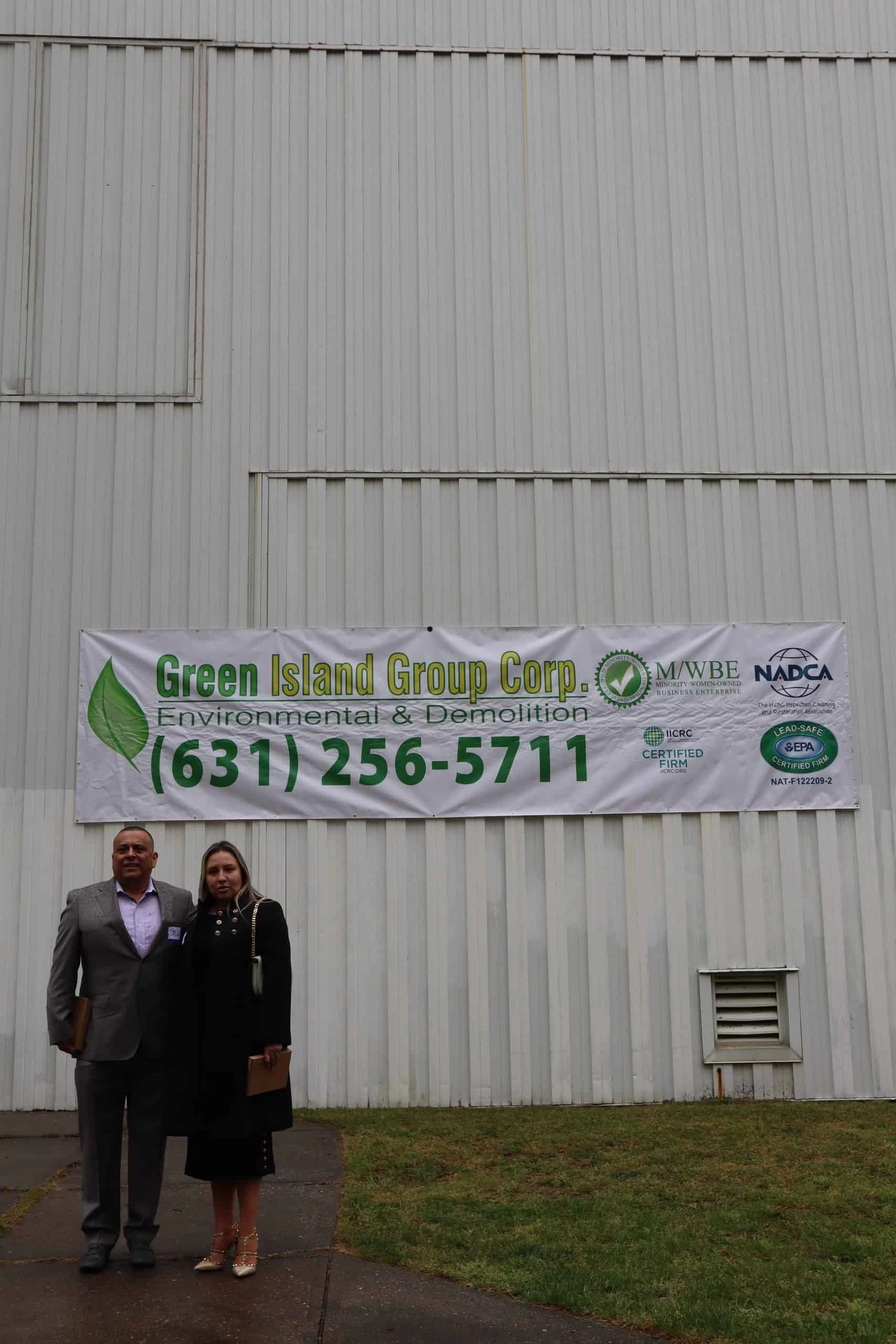
We’ve been doing environmental restoration and water damage cleanup across Long Island and New York City for over 12 years more than 5,000 completed projects, including homes throughout North Babylon and the surrounding South Shore communities. This isn’t a franchise dispatched from a call center. We’re a locally operated company led by CEO Jessica Dussan and VP Leo Torres, both of whom are personally involved in the work.
What separates us in a market like North Babylon isn’t just experience it’s the licensing stack. NYS DOL Mold Remediation, NYS DOL Asbestos, USEPA Lead, and USEPA RRP certifications, plus a Suffolk County General Contractor license. For homes built in the Parkdale Estates era the 1950s and 1960s those credentials aren’t optional extras. They’re what makes the job legal and safe when walls need to come down.
We’re also a New York State certified MBE and WBE, and an approved emergency response contractor for the NYS Office of General Services a designation earned through independent state vetting, not self-declared.
Basement Flooding Remediation Process, North Babylon
From the First Call to the Last Moisture Reading Here's What We Do
It starts with a phone call, and that call gets answered at 2 AM during a nor’easter, on a Sunday afternoon, whenever the water shows up. From there, a crew is dispatched and typically on-site within an hour. The first thing that happens isn’t equipment it’s an honest assessment. Where is the water coming from, how far has it spread, and is there anything behind the walls or under the flooring that needs attention before extraction begins.
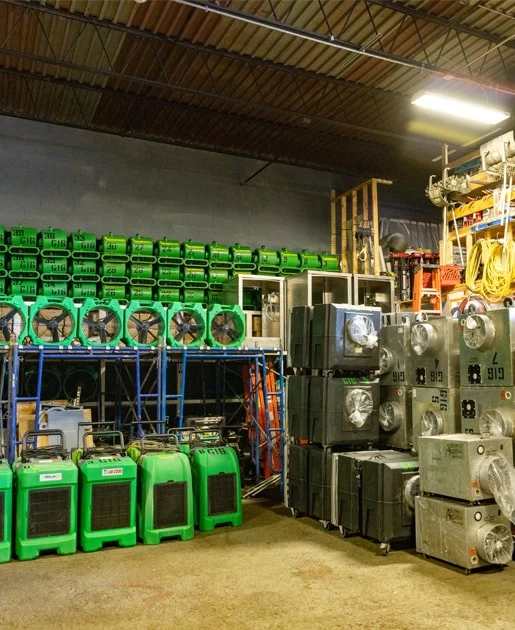
Once the source is identified and the scope is clear, extraction starts. Industrial pumps pull standing water, and then the structural drying phase begins air movers, commercial dehumidifiers, and moisture meters to track what’s actually happening inside the walls and subfloor, not just what’s visible on the surface. In North Babylon’s humid South Shore climate, this phase isn’t something to rush. The high water table means ambient moisture levels are already elevated, and cutting the drying process short is exactly how mold problems start 30 days later.
If the assessment finds materials that require environmental testing floor tile mastic, pipe insulation, or wall compounds common in homes from this era that gets handled under our NYS DOL Asbestos and USEPA Lead certifications before any demolition begins. After the space is cleared and verified dry, reconstruction moves forward under our Suffolk County General Contractor license. One company, start to finish, with your insurance billed directly throughout.
Water Damage Restoration Services, North Babylon NY
Everything the Job Needs Including What Most Companies Aren't Licensed to Touch
Flooded basement cleanup in North Babylon isn’t a one-size job. A sump pump failure during a power outage looks different from a sewage backup after a drainage surge, and both look different from a slow water table infiltration through a cracked foundation slab. We handle all of it emergency water extraction, structural drying, mold remediation, sewage decontamination, hazardous material assessment, and full basement reconstruction.
The sewage piece matters more than people expect on the South Shore. When heavy rain pushes water back through underground drainage systems something the Town of Babylon’s own DPW acknowledges happens regularly what comes up through a floor drain or a sump pit isn’t clean water. It’s a Category 3 contamination event that requires licensed environmental handling, proper containment, and regulated disposal. Bleach and a mop don’t satisfy OSHA protocols or protect your family.
For homes along Deer Park Avenue, near Belmont Lake State Park, or anywhere in North Babylon’s post-war residential grid, the asbestos and lead question is real. Homes built before 1978 which is the majority of this hamlet may have asbestos-containing floor tile mastic, pipe insulation, or ceiling texture. We test before anything gets disturbed, handle what’s found legally and safely, and document everything. That’s not a service upgrade it’s what the job actually requires in a neighborhood like this.
Does homeowners insurance cover a flooded basement in North Babylon, NY?
It depends on the cause, and the distinction matters more than most people realize. Standard homeowners insurance typically covers sudden and accidental water damage a burst pipe, an appliance failure, or a sump pump overflow if you have a water backup rider on your policy. What it generally does not cover is flooding from an external source, like storm surge or rising groundwater, which requires a separate flood insurance policy through FEMA’s National Flood Insurance Program.
In North Babylon, this distinction is particularly important. The Town of Babylon’s south shore sits in a FEMA AE6 flood zone, and many basement flooding events here involve a combination of causes a sump pump overwhelmed by storm conditions, groundwater pushing through the slab, and drainage backup all happening at once. Sorting out which portion of the damage falls under which coverage is exactly the kind of documentation work that determines whether a claim gets approved or denied. We handle the damage assessment and communicate directly with your adjuster so the claim is built on accurate, complete documentation from the start.
How fast does mold start growing after a basement floods on Long Island?
Mold can begin growing within 24 to 48 hours of water exposure and in North Babylon’s South Shore climate, where ambient humidity is already elevated compared to inland areas, that window can close even faster. The problem is that visible mold on the surface is rarely the whole story. By the time you can see it, it’s often already established behind drywall, under flooring, or inside insulation places a visual inspection won’t catch.
This is why the drying process matters as much as the extraction. Pulling standing water and running fans isn’t enough if the structural materials are still holding moisture. We use moisture meters and thermal imaging throughout the drying phase to track what’s happening inside the walls, not just what’s visible on the surface. Every reading is documented, so when the job is done, you have verifiable proof that the space was dried to an acceptable standard not just a verbal assurance that everything looked fine.
Should I call my insurance company or a restoration company first when my basement floods?
Call the restoration company first specifically one that works directly with insurance carriers, which we do. Here’s why the order matters: your insurance company’s first priority is assessing liability and limiting the claim. A restoration company’s first priority is stopping the damage from getting worse. Every hour of delay adds to the scope of the loss, and mold growth beginning within 24 to 48 hours means waiting for an adjuster to schedule a visit before cleanup starts is genuinely costly.
When we arrive, the damage is documented thoroughly photos, moisture readings, scope of loss before any work begins. That documentation becomes the foundation of your insurance claim and gives your adjuster exactly what they need to process it accurately. We then communicate directly with your carrier throughout the project, which removes the back-and-forth from your plate at the moment you can least afford to manage it. The claim gets built correctly from the first call, not pieced together after the fact.
What causes basement flooding in North Babylon homes during heavy rain?
North Babylon has a few compounding factors that make basement flooding more common here than in many other parts of Long Island. The area sits on a high water table meaning the ground is already saturated during prolonged wet periods, and water can push through basement slabs from below even without visible surface flooding. Add the South Shore’s coastal drainage dynamics, where heavy rain causes water to back up through underground storm systems, and you have conditions that overwhelm even well-maintained sump pumps.
The other major factor is the housing stock itself. Most homes in North Babylon were built between the late 1940s and early 1970s, and the waterproofing, drainage systems, and sump pump setups in those homes are now 50 to 75 years old. Aging window wells, cracked foundation walls, and corroded drainage pipes are common in this era of construction. Sump pump failure during power outages which happen regularly during nor’easters along the Southern State Parkway corridor is one of the most frequent single causes of basement flooding across this part of the Town of Babylon.
Do I need a permit for basement water damage repairs in the Town of Babylon?
For the cleanup and drying phase water extraction, structural drying, mold remediation permits are generally not required. Where permits come into play is reconstruction: replacing drywall, framing, electrical, or plumbing that was damaged or removed as part of the restoration. Any structural repair work in the Town of Babylon falls under the jurisdiction of the Town of Babylon Building Department and typically requires a permit before work begins.
This is one of the practical advantages of working with a licensed general contractor rather than a cleanup-only company. We hold a Suffolk County General Contractor license and handle the permit process as part of the reconstruction phase, so you’re not left trying to navigate the Town of Babylon Building Department on your own while your basement is still torn apart. Additionally, any mold remediation work performed in New York State must be done by a contractor holding a valid NYS DOL Mold Remediation license performing that work without one is a violation of state law. We hold that license.
Are there asbestos risks in older North Babylon homes during basement flood cleanup?
Yes, and it’s more common than most homeowners expect. North Babylon’s residential grid was built primarily between the late 1940s and the early 1970s the peak era for asbestos-containing materials in residential construction. Floor tile mastic, pipe insulation wrapping around basement mechanicals, ceiling texture, and certain joint compounds from this period frequently contain asbestos. When a basement floods and walls or flooring need to come down, those materials can be disturbed and become a genuine health hazard if not handled correctly.
The legal requirement in New York State is clear: asbestos abatement must be performed by a contractor holding a valid NYS DOL Asbestos license. Most water damage companies operating in North Babylon and the broader Suffolk County market are not licensed for this work. We are. Before any demolition begins in a home from this era, the process includes testing for asbestos and lead, and if either is present, proper containment and removal under state licensing requirements. It protects your family, it keeps the job legally compliant, and it prevents a situation where a cleanup crew disturbs hazardous materials without anyone realizing it until the damage is already done.