North Lindenhurst's Older Homes Deserve More Than a Mop and a Fan
When your basement floods in North Lindenhurst, the clock starts immediately and in a 1950s home with a finished basement, what’s behind those walls matters as much as what’s on the floor.
I needed a professional consultation explanation of procedure for safe removal of Asbestos in my apartment complex. Without having an account yet, I was very impressed with the caring, knowledgeable and generous advice offered by Jessica, and will look forward to doing business in the future. Thank you so much! I feel much more informed about a sometimes scary endeavor. Peace. Nancy Silva Mineola, NY.
Mia Munoz
Used this company to clean up some water flood in my house. They were fast and easy to work with.very professional, Would recommend to anyone!
Nini Valle
Great company, had a flood and they responded quickly and efficiently. Billed my insurance company directly. I highly recommend this company!
joe colapietro, jr
I had pipe freeze in my basement right before a snow storm and they made to within an hour to help start the clean up process. They we by our side throughout the entire process and even helped with the insurance company. They did such a great job with the cleanup, repair, remidiation, I contracted them to perform the repairs and finishes in the basement. They came with enough manpower and material to get the job done. Leo and Jessica were nothing but a pleasure to deal with!!
Cristian Arredondo c
I had some water damage in my home and Green Island was able to take care of my issue quickly and effectively. I am very pleased with the work they did. They responded quickly and were very professional.
Michael M
Outstanding service! From the office to the field crew everyone was friendly, helpful and responsive. I highly recommend Green Island Group.
When a basement floods in North Lindenhurst, the visible water is only part of the problem. The South Shore’s naturally high water table means moisture doesn’t just sit on the surface it pushes up through slab, wicks into drywall, and saturates the insulation in walls that were built when Eisenhower was president. If that moisture isn’t pulled out completely and verified with equipment, you’re not done. You just think you are.
Most of the homes in North Lindenhurst were built in the 1950s and 1960s. That means finished basements with carpeting, drywall, and insulation that absorbs water like a sponge and in many cases, asbestos floor tiles or pipe insulation underneath all of it. A shop vac and a few box fans won’t cut it here. What you actually need is industrial drying equipment, moisture readings at every stage, and someone licensed to handle what they find behind the walls.
What that looks like when it’s done right: a basement that’s genuinely dry, documented proof of moisture levels, and no mold showing up three months later because something was left 10% wet. That last part is where most homeowners get burned not during the cleanup, but weeks after, when the smell comes back and the bill gets much bigger.
We’re based in Lindenhurst directly south of North Lindenhurst and have been handling water damage, mold remediation, and environmental restoration across Suffolk County for over a decade. More than 5,000 completed restoration projects in New York State. That’s not a number pulled from a brochure it’s the kind of experience that means your specific situation, in your specific type of home, has almost certainly been handled before.
What separates us from the national franchises showing up in your search results isn’t just proximity. It’s licensing. We hold NYS DOL Mold, NYS DOL Asbestos, USEPA Lead, and USEPA RRP certifications on top of a Suffolk County General Contractor license. For a home built in 1957 off Route 109 or near New Highway in North Lindenhurst, that matters. When flood water disturbs asbestos floor tiles or lead paint, most water damage companies legally cannot touch it. We can and we handle it all under one roof, one contract, one point of contact.
We’re also an approved emergency response contractor for the NYS Office of General Services. That’s a state-level vetting credential, not a self-declared badge.
Flooded Basement Cleaning Service North Lindenhurst
What Actually Happens From the First Call to the Final Check
When you call, someone picks up not a call center routing you to a queue. Our response times in the North Lindenhurst area are documented under one hour, including during winter storm events when pipe bursts are most common in homes with uninsulated basement runs. That speed isn’t a marketing claim; it’s what customers in this area have described in their own words.
Once on-site, the first step is assessment not just looking at what’s wet, but identifying the water source, classifying the water type, and checking for hazardous materials before any demolition begins. In North Lindenhurst’s older housing stock, that last step is critical. If there are asbestos floor tiles or lead paint involved, those materials require licensed abatement before the rest of the cleanup can proceed. Skipping that step isn’t just cutting corners it’s illegal in New York State, and it puts your family at risk.
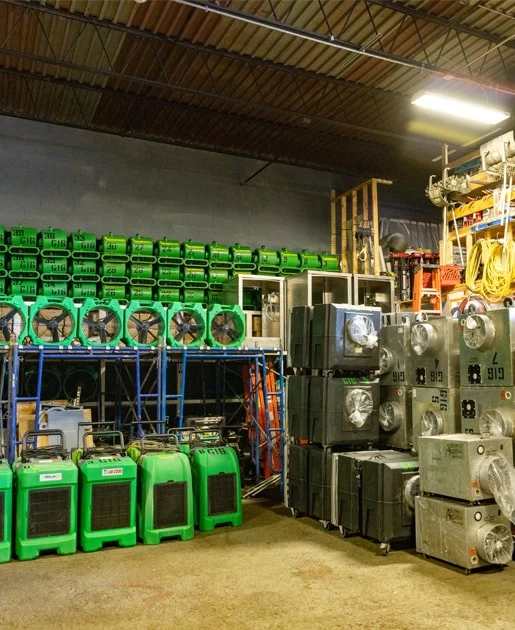
From there, industrial extraction equipment removes standing water, followed by commercial-grade drying systems that run until moisture readings confirm the structure is genuinely dry not just dry to the touch. Every reading is documented. If mold remediation, drywall replacement, or full reconstruction is needed, that work happens under the same contract. You don’t get handed off to a second or third contractor. The job gets finished.
If your insurance covers the damage and depending on the cause, it very likely does we bill the carrier directly and handle the documentation. You don’t have to figure out what to submit or argue with an adjuster while your basement is still wet.
Water Damage Basement Cleanup North Lindenhurst NY
One Company Handles Everything the Flood Left Behind
Flooded basement cleanup in North Lindenhurst isn’t a one-size-fits-all job, and our service reflects that. For straightforward water intrusion a sump pump failure during a nor’easter, a burst pipe in January the scope is water extraction, structural drying, moisture documentation, and a clear report for your insurance claim. That covers most of what homeowners in this area deal with after a heavy rain event or a power outage knocks the sump offline.
When the situation is more involved sewage backup, Category 3 contaminated water, or visible mold the process expands accordingly. Sewage backup cleanup involves hazmat-level containment and disposal protocols required under Suffolk County Department of Health Services guidelines. Mold remediation above the regulatory threshold requires a licensed NYS DOL mold contractor, which we are. These aren’t upsells they’re legal requirements, and skipping them creates liability for you as the homeowner.
For homes in North Lindenhurst where the flood has disturbed older building materials, asbestos abatement and lead-safe work practices are part of the scope when needed. All of it water extraction, drying, mold remediation, hazmat abatement, and full reconstruction is handled under one contractor. The Town of Babylon’s Building Division oversees permits for structural repairs in this hamlet, and we manage that process as part of the job. You’re not coordinating three separate crews or chasing down three separate insurance submissions.
Does homeowners insurance cover basement flooding in North Lindenhurst, NY?
It depends on the cause, and that distinction matters more than most homeowners realize. Standard homeowners insurance typically covers sudden, accidental water damage a burst pipe, a washing machine failure, an appliance malfunction. What it usually excludes is groundwater intrusion, surface flooding from outside the home, and gradual leaks that built up over time.
North Lindenhurst sits in FEMA flood zone X, which means it’s outside the designated 100-year flood plain. Most homeowners here aren’t required to carry separate flood insurance and many don’t. That means if a major storm pushes water in from outside, you may be looking at an out-of-pocket expense unless you have a separate flood policy. On the other hand, if your sump pump failed during a power outage and that’s what caused the flooding, your homeowners policy may cover it depending on whether you have sump pump failure coverage as a rider.
The fastest way to get clarity is to let us document the damage and work directly with your adjuster. We’ve handled this process for hundreds of homeowners across Suffolk County and know exactly what documentation carriers require to approve a claim.
How fast does mold actually start growing after a basement floods?
Mold can begin growing within 24 to 48 hours of a flooding event under the right conditions and Long Island’s humidity levels during spring and summer create exactly those conditions. In a finished basement with drywall, carpeting, and insulation, the materials that hold moisture longest are also the materials that are hardest to visually inspect. You can pull up wet carpet and think the problem is gone, but if the drywall behind the baseboard is still holding moisture, mold will grow there whether you can see it or not.
This is why professional drying with moisture meters isn’t optional it’s the only way to confirm the job is actually done. A reading above 16% moisture content in wood framing or drywall is enough to support mold growth. We document moisture levels at every stage of the drying process, so there’s a verifiable record that the structure was brought to a safe level not just a visual check that the floor looks dry.
Waiting even 72 hours before calling a professional can add thousands of dollars to the overall cost. The mold remediation bill that follows an incomplete cleanup is almost always larger than the original water extraction job would have been.
What causes most basement flooding in North Lindenhurst homes?
The most common cause in North Lindenhurst is sump pump failure, and it’s not hard to understand why. The area sits on the South Shore of Long Island, where the water table is naturally high and responds quickly to rainfall. During a heavy nor’easter or a prolonged spring rain, groundwater pressure builds up around basement walls and floors constantly. The sump pump is the only thing standing between that pressure and your finished basement and if it fails during a storm, which is exactly when the power is most likely to go out, the water comes in fast.
Beyond sump pump failures, the aging municipal infrastructure in this part of the Town of Babylon contributes to the problem. Homes built in the 1950s and 1960s were connected to drainage systems that are now 60 to 70 years old. During heavy rain events, those systems can back up, and when they do, the water has to go somewhere. Sewage backups through floor drains are a documented issue in older South Shore communities like North Lindenhurst, and they require a different level of cleanup than a clean water event classified as Category 3 contaminated water, which requires licensed hazmat protocols.
Pipe bursts during January and February are the third major cause. Homes from this era often have pipe runs through uninsulated areas of the basement, and a single freeze event can release hundreds of gallons in minutes.
My North Lindenhurst home was built in the 1950s does that change the cleanup process?
Yes, significantly. Homes built in the 1950s and 1960s commonly contain asbestos pipe insulation, asbestos floor tiles, and lead-based paint all of which were standard construction materials at the time and all of which are now regulated as hazardous materials under New York State and federal law. When a basement floods and water saturates walls, flooring, and insulation, those materials can become disturbed. At that point, they can’t legally be handled by a standard water damage crew.
New York State requires an NYS DOL Asbestos license to disturb, remove, or dispose of asbestos-containing materials. Lead-safe work practices under USEPA RRP rules apply any time renovation work including flood remediation disturbs lead paint in a pre-1978 home. Most water damage companies, including several national franchises that rank in search results for this area, do not hold these licenses. That means they either skip the hazmat step entirely which is illegal and creates liability for you or they stop work and tell you to find someone else.
We hold both the NYS DOL Asbestos license and USEPA Lead/RRP certifications. If your 1957 Cape Cod or split-level in North Lindenhurst has a flooded basement, the cleanup can proceed legally and completely without stopping to find a second contractor.
How long does flooded basement cleanup typically take?
For a straightforward water intrusion clean water from a burst pipe or sump pump failure, no contamination, no hazardous materials the extraction itself can be completed in a few hours. The drying process is what takes time. Commercial drying equipment typically needs to run for three to five days before moisture readings confirm the structure is at a safe level. During that period, the equipment stays on-site and readings are taken daily.
If the job involves mold remediation, the timeline extends. Mold remediation in a finished basement typically adds several days depending on the extent of growth and the materials affected. If drywall needs to come out, framing needs to dry, and new drywall needs to go back in, you’re looking at a total project timeline of one to two weeks in most cases.
Sewage backups or jobs involving asbestos or lead abatement add additional time because those scopes require specific containment, licensed disposal, and in some cases notification to the NYS Department of Labor prior to work beginning. We walk you through the realistic timeline upfront, before work starts, so you’re not getting a different answer every day.
Why should I call a professional instead of cleaning up the basement yourself?
For a small amount of clean water say, a few gallons from a minor leak a homeowner with a wet vac and a dehumidifier can sometimes manage it. But for anything involving significant standing water, a finished basement, contaminated water, or a home built before 1980, the risks of a DIY cleanup in North Lindenhurst specifically are real and worth understanding before you start pulling up carpet.
The first issue is moisture you can’t see. Without a moisture meter, there’s no way to confirm that the drywall, framing, and subfloor are actually dry and wet materials hidden behind finished walls will grow mold whether or not the floor looks fine. The second issue is what’s in the walls. In a home built in the 1950s or 1960s, disturbing flooring or wall materials without knowing what’s underneath can expose your family to asbestos fibers or lead dust. That’s not a theoretical risk it’s a documented hazard that New York State regulates specifically because it causes real health harm.
The third issue is insurance. If you start removing materials before a professional documents the damage, you may compromise your ability to file a claim. Carriers need documentation of the original condition to approve coverage. We document everything before a single piece of material is removed, which protects your claim from the start.