Your basement flooded and in a village surrounded on three sides by water, that’s not a freak accident. It’s a real risk, and you need it handled fast before mold takes over.
I needed a professional consultation explanation of procedure for safe removal of Asbestos in my apartment complex. Without having an account yet, I was very impressed with the caring, knowledgeable and generous advice offered by Jessica, and will look forward to doing business in the future. Thank you so much! I feel much more informed about a sometimes scary endeavor. Peace. Nancy Silva Mineola, NY.
Mia Munoz
Used this company to clean up some water flood in my house. They were fast and easy to work with.very professional, Would recommend to anyone!
Nini Valle
Great company, had a flood and they responded quickly and efficiently. Billed my insurance company directly. I highly recommend this company!
joe colapietro, jr
I had pipe freeze in my basement right before a snow storm and they made to within an hour to help start the clean up process. They we by our side throughout the entire process and even helped with the insurance company. They did such a great job with the cleanup, repair, remidiation, I contracted them to perform the repairs and finishes in the basement. They came with enough manpower and material to get the job done. Leo and Jessica were nothing but a pleasure to deal with!!
Cristian Arredondo c
I had some water damage in my home and Green Island was able to take care of my issue quickly and effectively. I am very pleased with the work they did. They responded quickly and were very professional.
Michael M
Outstanding service! From the office to the field crew everyone was friendly, helpful and responsive. I highly recommend Green Island Group.
The moment water enters your basement, the clock starts. Mold begins growing within 24 to 48 hours and in an older Northville home with a stone or block foundation, it doesn’t take long for what looks like a minor flood to turn into a serious remediation job. Getting the water out fast matters, but getting the structure genuinely dry behind the walls, under the flooring, inside the insulation is what actually stops the damage from compounding.
A lot of Northville’s housing stock predates World War II. That means older plumbing, older waterproofing, and building materials that weren’t designed to handle prolonged moisture. When we dry a basement in a home like that, we’re not just pulling standing water. We’re assessing what the water may have disturbed and in pre-1978 homes, that can include asbestos pipe insulation or lead paint that now requires licensed handling, not just a mop and a fan.
For seasonal cottage owners along the Great Sacandaga Lake shoreline, the scenario is often worse: the flooding happened months ago, over a winter you weren’t there to catch it. By the time you walk back in, the damage is already done and mold has had a serious head start. Either way whether you just found it or it’s been sitting the right response is the same: a full assessment, industrial drying, and remediation handled by people who are licensed for everything they might find.
Licensed for Everything an Old Adirondack Home Can Hide
Green Island Group is a New York State-certified environmental restoration company with over 12 years of experience and more than 5,000 completed projects across the state. We hold a NYS DOL Mold license, NYS DOL Asbestos license, USEPA Lead and RRP certifications, and General Contractor licenses which matters a lot when you’re working in Northville, where homes along Main Street and the Sacandaga Park shoreline are often a century old or more.
We’re also an approved emergency response contractor for the NYS Office of General Services. That’s not a marketing badge it’s a vetting process New York State runs independently, and we passed it. Our CEO Jessica Dussan and VP Leo Torres are named, reachable, and personally accountable for every job we take on. When you call us at 2 AM because your basement is flooding, you’re reaching people who actually dispatch not a call center reading from a script.
We bill your insurance directly and handle the documentation. For Northville homeowners dealing with a flooding emergency on a tight timeline, that’s not a convenience it’s the difference between getting this done right and trying to navigate an adjuster while standing in four inches of water.
What Happens From the First Call to a Dry, Cleared Basement
When you call, we respond 24 hours a day, seven days a week, including the middle of a Fulton County winter. The first thing we do on-site is assess the full scope of the situation. That means thermal imaging cameras and calibrated moisture meters, not just a visual walkthrough. In older Northville homes, water hides in places you can’t see inside wall cavities, beneath subfloors, behind stone foundation walls. We find it before we leave, not after it becomes a mold problem.
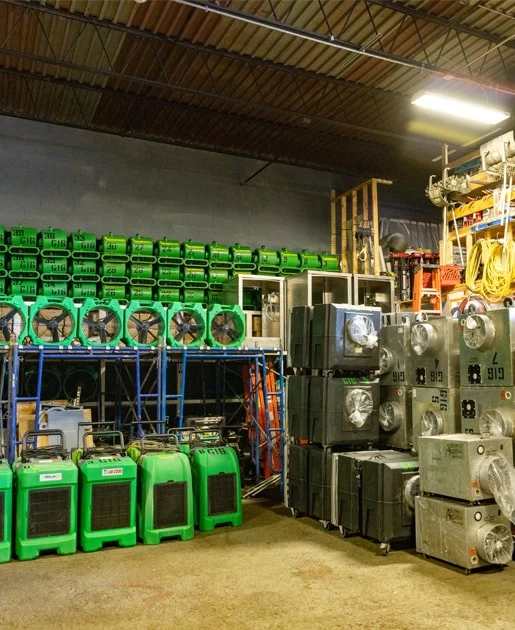
Once the assessment is complete, we extract the standing water and set up industrial-grade drying equipment. These aren’t box fans from a hardware store they’re commercial dehumidifiers and air movers calibrated to the size and condition of the space. If the water has disturbed any hazardous materials asbestos insulation, lead paint, or existing mold colonies we handle that under our environmental licenses before any reconstruction begins. That’s a step most local competitors either skip or subcontract out.
For Northville properties, we also factor in the Adirondack Park Agency requirements. Any structural work following flood damage within the park boundaries can involve an additional layer of regulatory review beyond standard local permits, and we’re familiar with navigating that process. Once the space is dry, tested, and cleared, we can take the job through to full reconstruction under the same contract no handoffs, no gaps, one point of accountability from start to finish.
Full-Scope Cleanup Built for Northville's Older Homes
Flooded basement cleanup in Northville isn’t a single-step job. The service covers water extraction, structural drying, moisture mapping, mold assessment, hazardous material evaluation, and where needed full reconstruction. Every one of those steps matters, and skipping any of them is how a $3,000 cleanup turns into a $15,000 mold remediation two months later.
Because so much of Northville’s housing stock was built before World War II, our environmental licensing isn’t optional here it’s essential. Homes in the Northville Historic District, along the Route 30 corridor, and throughout the Sacandaga Park and Edinburg cottage communities frequently contain asbestos pipe insulation, asbestos floor tiles, and lead-based paint. A flooding event can disturb all of it. We’re licensed by NYS DOL for both mold and asbestos work, and USEPA-certified for lead so when we open a wall in a 1920s Northville home and find something that requires careful handling, we don’t stop and call someone else.
We also handle the insurance side of this directly. We document the damage, communicate with your adjuster, and bill your carrier. Standard homeowners insurance typically covers sudden water damage from burst pipes one of the most common flooding causes in this climate, given Northville’s brutal winters and aging plumbing. If you’re not sure what your policy covers, we’ll help you figure that out before we start, not after.
Does homeowners insurance cover a flooded basement in Northville, NY?
It depends on what caused the flooding, and this distinction matters a lot. Standard homeowners insurance typically covers sudden, accidental water damage like a burst pipe, which is one of the most common flooding causes in Northville given the area’s severe winters and aging housing stock. If a pipe freezes and bursts in a home that’s been sitting unoccupied since November, that’s generally a covered event. What most standard policies don’t cover is flooding from external sources rising lake water, groundwater intrusion, or overland flooding from the Sacandaga River. For that, you’d need a separate flood insurance policy through the NFIP or a private carrier.
The documentation you submit with your claim is often the difference between a full payout and a partial one. We photograph and document the damage thoroughly before we touch anything, and we communicate directly with your adjuster throughout the process. If you’re not sure what your policy covers, call us before you assume you’re on your own we’ve helped Northville homeowners navigate this more times than we can count.
How quickly does mold start growing after a basement floods?
Mold can begin colonizing within 24 to 48 hours of a flooding event and that timeline doesn’t pause for weekends, holidays, or the time it takes to get a callback from a contractor. In a basement that stays damp and dark, mold moves fast. In an older Northville home with a stone or block foundation, limited ventilation, and building materials that absorb moisture readily, it can move even faster.
The 72-hour mark is the critical threshold. If professional drying and remediation begins within that window, the mold risk is significantly more manageable. Past 72 hours, you’re often looking at remediation costs that dwarf the original water damage cleanup estimates typically run $2,000 to $8,000 or more on top of the base restoration work. For seasonal cottage owners in the Sacandaga Park and Edinburg areas who return in spring to find a winter flooding event, that window closed months ago, which is why a full mold assessment is always the first step we take in those situations.
Can I clean up a flooded basement myself in an older Northville home?
You can remove standing water yourself, but that’s only the first step and stopping there is where most DIY cleanups go wrong. The visible water is the easy part. What a shop vac and a box fan can’t do is detect moisture that’s saturated the framing inside your walls, soaked into subfloor materials, or wicked up through a stone foundation. That moisture stays hidden until mold appears weeks later, usually in places you can’t see until the damage is already significant.
In a pre-WWII Northville home, there’s an additional layer of risk. Disturbing water-damaged materials in older homes can release asbestos fibers from pipe insulation or floor tiles, or disrupt lead paint on walls and trim. Neither of those is something you want to handle without proper protective equipment and legal authority to do so. NYS DOL requires licensed contractors for mold remediation and asbestos abatement attempting either without those licenses isn’t just risky for your health, it can also create liability issues if you’re trying to sell the home later.
What causes basement flooding in Northville, and is my home at higher risk?
Northville has one of the more distinctive flooding risk profiles of any village in New York State. The village sits on a peninsula surrounded on three sides by Great Sacandaga Lake, with the Sacandaga River flowing in directly from the north. The high water table inherent to that geography means groundwater pressure on basement walls is a baseline reality for many homes here not just a storm event issue.
Beyond the geography, the Adirondack climate drives two major flooding causes: spring snowmelt and pipe bursts. The region receives significant annual snowfall, and when that snowpack melts in a compressed spring window often into ground that’s still partially frozen the runoff is fast and heavy. Sump pumps get overwhelmed, drainage systems back up, and basements flood. In winter, extended periods well below freezing cause pipes in older, inadequately insulated homes to freeze and burst. Homes that sit unoccupied through the winter seasonal camps and cottages along the lake are especially vulnerable because there’s no one there to catch it when it happens.
What's the difference between water extraction and full basement flood remediation?
Water extraction is one step in a longer process it removes the standing water, but it doesn’t address what happens next. After extraction, the structure itself needs to be dried: the framing, the subfloor, the insulation, the drywall, and sometimes the concrete block or stone foundation walls. If that drying step is done incompletely or skipped entirely the moisture that remains becomes the foundation for a mold problem that shows up weeks or months later.
Full basement flooding remediation covers the complete scope: extraction, structural drying verified by moisture meters and thermal imaging, mold assessment, hazardous material evaluation, and reconstruction if needed. In Northville, where homes are older and the environmental stakes are higher, that full-scope approach isn’t optional it’s what actually resolves the problem. A company that pumps out the water and leaves is doing one step of a five-step job. We don’t hand anything off until the space is dry, tested, and cleared.
How long does flooded basement cleanup take in Northville, NY?
The timeline depends on the severity of the flooding, the size of the space, and what the water has affected. For a straightforward pipe burst with clean water and no secondary damage, the extraction and drying process typically runs three to five days that’s how long it takes industrial drying equipment to bring structural moisture levels back to a safe range in most residential basements. Rushing that timeline by pulling equipment too early is one of the most common mistakes in water damage restoration, and it almost always leads to mold.
For more complex situations which are common in Northville’s older homes the timeline extends. If mold remediation is needed, that adds time. If hazardous materials like asbestos or lead are present and need to be properly abated before reconstruction can begin, that adds time. Seasonal properties that have been sitting flooded through an Adirondack winter are typically the most involved: the damage is older, the mold is already established, and the full scope of what the water affected takes more time to uncover and address properly. We’ll give you a realistic timeline on day one not a number designed to get you to sign, but an honest estimate based on what we actually find.